

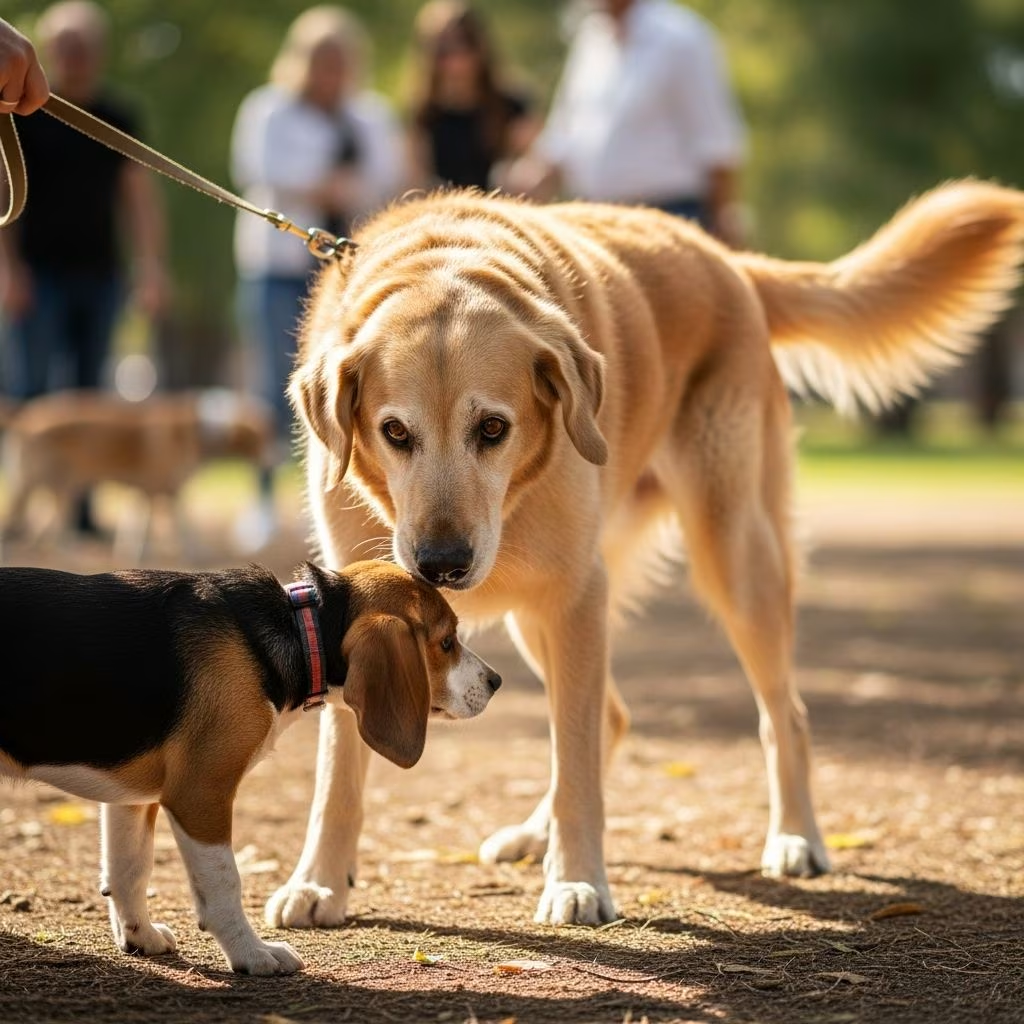
How to Socialize an Older Dog: Expert Trainer Tips
Socializing an older dog differs significantly from socializing a puppy. While puppies are naturally more adaptable to new experiences, adult dogs bring established habits and potential fears or anxieties that require a different approach. The key to successfully socializing an older dog is understanding that slow and steady progress wins the race. Rushing the socialization process often backfires, making it take even longer for your dog to adjust to new situations. The goal is to work at a pace your dog can comfortably handle, ensuring each positive experience builds their confidence gradually.
Many dog owners mistakenly believe that socialization is only necessary for puppies, but older dogs benefit tremendously from carefully introduced social experiences. Whether your dog missed early socialization opportunities or simply needs a refresher, it’s never too late to help them become more comfortable in the world around them. This journey requires patience, consistency, and a genuine understanding of your dog’s individual needs and comfort levels.
Understanding Why Older Dogs Need Socialization
Adult dogs that haven’t been properly socialized often exhibit stress responses to new situations, people, animals, and environments. These responses can manifest as excessive barking, pulling on the leash, attempting to hide, or even aggressive behavior. Lack of socialization can significantly limit your dog’s quality of life and restrict the activities you can enjoy together. By introducing your older dog to new experiences in a controlled and positive manner, you’re essentially retraining their brain to view unfamiliar situations as safe and potentially rewarding.
Understanding your dog’s current comfort level is the first step in this process. Take time to observe your dog’s body language and behavior patterns to identify which situations make them anxious or uncomfortable. This baseline knowledge will help you create a tailored socialization plan that addresses your specific dog’s needs and fears.
The Basic Steps to Socialize Your Older Dog
Set Up an Encounter with Something New (or Scary)
The foundation of socializing an older dog involves deliberately introducing them to new stimuli in a controlled environment. Start by identifying something your dog finds challenging—perhaps people wearing hats, skateboarders, or other dogs in the distance. If you can’t easily create these scenarios, visit places where you can safely maintain distance while your dog observes. For example, standing 100 feet away from a dog park fence allows your dog to see other dogs without the overwhelming pressure of close interaction.
The key is to introduce one new stimulus at a time. If your dog finds new things stressful, exposing them to multiple new experiences simultaneously will only amplify their anxiety. By isolating individual triggers, you give your dog the mental capacity to process and adapt to each new situation.
Praise and Feed Treats When Your Dog Notices the New Thing
The moment your dog notices the new stimulus, shift into positive reinforcement mode. Use an upbeat, cheerful tone and say something encouraging like “What a nice person!” or “Good looking dog over there!” Then immediately offer your dog their favorite treats. The treats should be something your dog absolutely loves—high-value rewards are essential during socialization work.
Continue feeding treats as long as the new stimulus remains present, and stop as soon as it disappears. This creates a clear association in your dog’s mind: new things appear, good things happen (treats and praise). Over time, this positive pairing helps your dog develop a more optimistic outlook toward previously scary or neutral stimuli. The consistency of this reward pattern is crucial for successful socialization.
Follow Your Dog’s Lead—But Keep a Safe Distance
Perhaps the most important principle in older dog socialization is allowing your dog to make their own choices about approaching new situations. Rather than forcing your dog to interact, stand beside them and carefully observe their body language. Are they stepping forward with curiosity? Are they stepping backward with hesitation? Are they frozen in place? Each of these responses tells you important information about your dog’s comfort level.
Ideally, your dog will gradually move closer to the new stimulus in a slow, curvy path. This natural progression demonstrates that your dog is becoming more confident without feeling pressured or cornered. If your dog is moving away, respect that boundary. Forcing interaction can create negative associations that set back your progress. Remember, you’re building trust and confidence—both of which require respecting your dog’s emotional needs.
Tips for Successful Older Dog Socialization
Stick to Just One New Thing at a Time
Overloading your dog with multiple new experiences in a single session creates unnecessary stress. Instead, focus on introducing one new element during each outing. If you’re working on desensitizing your dog to people wearing hats, make that your only goal for that session. Don’t simultaneously introduce a new location, new dog, and new person. This focused approach ensures your dog can fully process and adapt to each new stimulus before adding additional challenges.
Stay Calm and Relaxed
Dogs are remarkably perceptive animals that pick up on your emotional state. If you’re tense, anxious, or overly cautious about a particular situation, your dog will sense this and likely mirror your feelings. Before any socialization session, take a few deep breaths and consciously relax your shoulders and facial muscles. Approach each session with a positive, matter-of-fact attitude that communicates to your dog that this is a normal, safe experience.
Your energy and demeanor set the tone for your dog’s response. When you remain calm and upbeat, you’re essentially telling your dog, “This is nothing to worry about. I’ve got this handled.” This reassurance is incredibly powerful and can significantly influence how your dog perceives and reacts to new situations.
Watch for—and Respect—Signs of Stress
Learning to recognize stress signals in your dog is essential for effective socialization. Common signs of stress include yawning when not tired, lip licking, tucked tail, pinned-back ears, trembling, excessive panting, or attempts to move away from the situation. These signals indicate that your dog has reached their stress threshold and needs a break.
When you notice these signs, calmly create distance between your dog and the stressor. Don’t scold or force your dog to continue. Instead, move to a location where your dog feels safe and comfortable. This respectful approach prevents negative associations from forming and maintains the trust you’re building with your dog. Pushing past these warning signs can actually set back your socialization efforts significantly.
Advanced Socialization Strategies
Gradual Exposure and Progressive Challenges
As your older dog becomes more comfortable with introductory exposures, gradually increase the intensity of their socialization experiences. Begin with brief, low-stimulation interactions in quiet environments, then progressively work toward busier public places and more complex social scenarios. For example, if your dog initially tolerates a quiet park, eventually introduce them to parks with more people and activity.
This gradual progression prevents overwhelming your dog while continuously building their confidence and resilience. Each small success creates a foundation for handling slightly more challenging situations, creating a sustainable trajectory of improvement.
Introduce Multiple People and Animals Slowly
Start by inviting a single trusted friend to your home. Ask this friend to initially ignore your dog, allowing your dog to approach at their own pace. Once your dog is calm and relaxed, your friend can offer treats and gentle interaction. As your dog becomes more comfortable, gradually invite additional people and introduce them individually before attempting group interactions.
When introducing other animals, follow the same methodical approach. Ensure introductions happen on neutral territory when possible, and always maintain close supervision. Allow dogs to sniff each other briefly while still on leashes before allowing more extended interaction.
Environmental Desensitization
Part of socializing an older dog involves exposing them to various environments and sensory experiences. Take your dog for walks in different neighborhoods to expose them to new sights, sounds, and smells. Visit pet-friendly stores, parks, and other public places. Consider car rides to new locations, as travel itself is a form of socialization.
Each new environment provides opportunities for your dog to develop broader comfort zones and adaptability. The variety in experiences helps build a more confident, well-adjusted dog overall.
Working with a Professional Dog Trainer
While many owners successfully socialize their older dogs independently, consulting with a qualified, positive-reinforcement-based dog trainer can provide significant benefits. Professional trainers can assess your dog’s specific needs, create a customized socialization plan tailored to your dog’s unique challenges, and provide hands-on guidance throughout the process.
A professional trainer can also help address underlying behavioral issues such as fear or aggression that may complicate the socialization process. They offer valuable techniques for building your dog’s confidence and trust, and provide ongoing support and troubleshooting as you progress. If your dog shows signs of aggression or extreme fear, working with a professional is highly recommended to ensure everyone’s safety.
Creating a Sustainable Socialization Plan
Maintenance Through Regular Activities
Socialization isn’t a destination—it’s an ongoing process. Once your dog begins improving, maintain their progress through regular exposure to the experiences they’ve learned to handle. Continue taking walks in varied environments, attending occasional dog parks, scheduling playdates, and inviting friends over regularly.
Build socialization into your dog’s regular routine so it becomes a natural part of their life rather than a special undertaking. This consistency helps prevent regression and ensures your dog continues developing confidence and comfort in social situations.
Celebrating Small Victories
Progress with older dogs often comes in small increments. Celebrate each achievement, no matter how minor it may seem. Did your dog look at another dog without pulling? That’s progress. Did your dog accept a treat from a visitor? That’s success. These small victories build momentum and motivation for both you and your dog to continue the socialization journey.
Addressing Aggressive Behavior During Socialization
Some older dogs develop aggressive responses to social situations due to fear or past negative experiences. When socializing an aggressive dog, take extra precautions. Always introduce your dog to familiar people in comfortable settings first. Never force interactions; allow your dog to approach people on their own terms. Encourage positive interactions by offering high-value treats and praise when your dog displays calm behavior.
Avoid situations that typically trigger aggressive responses, such as crowded areas or highly stimulating environments, until your dog has developed better coping skills. Remain consistent with your commands and training, establishing clear rules about acceptable behavior. Professional guidance is particularly important when addressing aggression, as improper handling can escalate behavioral problems.
Frequently Asked Questions
Q: Is it really possible to socialize an older dog successfully?
A: Yes, absolutely. While older dogs may require more patience and careful planning than puppies, adult dogs can develop improved social skills and confidence at any age. The key is working at your dog’s pace and maintaining consistency throughout the process.
Q: How long does it typically take to socialize an older dog?
A: Timelines vary significantly depending on your dog’s background, temperament, and specific challenges. Some dogs show improvement in weeks, while others may require months of consistent effort. Remember that socialization is an ongoing process rather than a destination with a fixed completion date.
Q: What should I do if my older dog shows signs of stress during socialization?
A: Immediately create distance between your dog and the stressor. Move to a calm, safe space and allow your dog to decompress. Respect your dog’s stress signals—pushing through them can create negative associations and set back progress.
Q: Can I socialize my older dog without professional help?
A: Many owners successfully socialize their older dogs independently. However, if your dog shows signs of aggression, extreme fear, or if progress stalls, consulting a professional trainer can provide valuable guidance and accelerate improvement.
Q: Should I use punishment-based methods if my dog struggles during socialization?
A: No. Punishment-based approaches often increase fear and anxiety, making socialization efforts counterproductive. Stick with positive reinforcement methods that reward calm, confident behavior.
References
- How to Socialize an Older Dog: Expert Trainer Tips — Chewy. 2024. https://www.chewy.com/education/dog/training-and-behavior/socializing-an-older-dog
- How to Socialize an Adult Dog and Why It’s Never Too Late — Hounds Lounge. 2024. https://www.houndslounge.com/blog/how-to-socialize-an-adult-dog-and-why-its-never-too-late/
- How to Help A Dog That’s Missed Early Socialization — Preventive Vet. 2024. https://www.preventivevet.com/dogs/how-to-help-adult-dog-with-socialization
- How to Socialize an Adult Dog and Why It’s Never Too Late — Pet Play. 2024. https://www.petplay.com/blogs/tips/socializing-your-dog-late-in-life-how-to-get-the-most-out-of-it
- Tips on Socializing Your Puppy or Older Dog — Pet Assure. 2024. https://www.petassure.com/maxscorner/tips-on-socializing-your-dog/



