

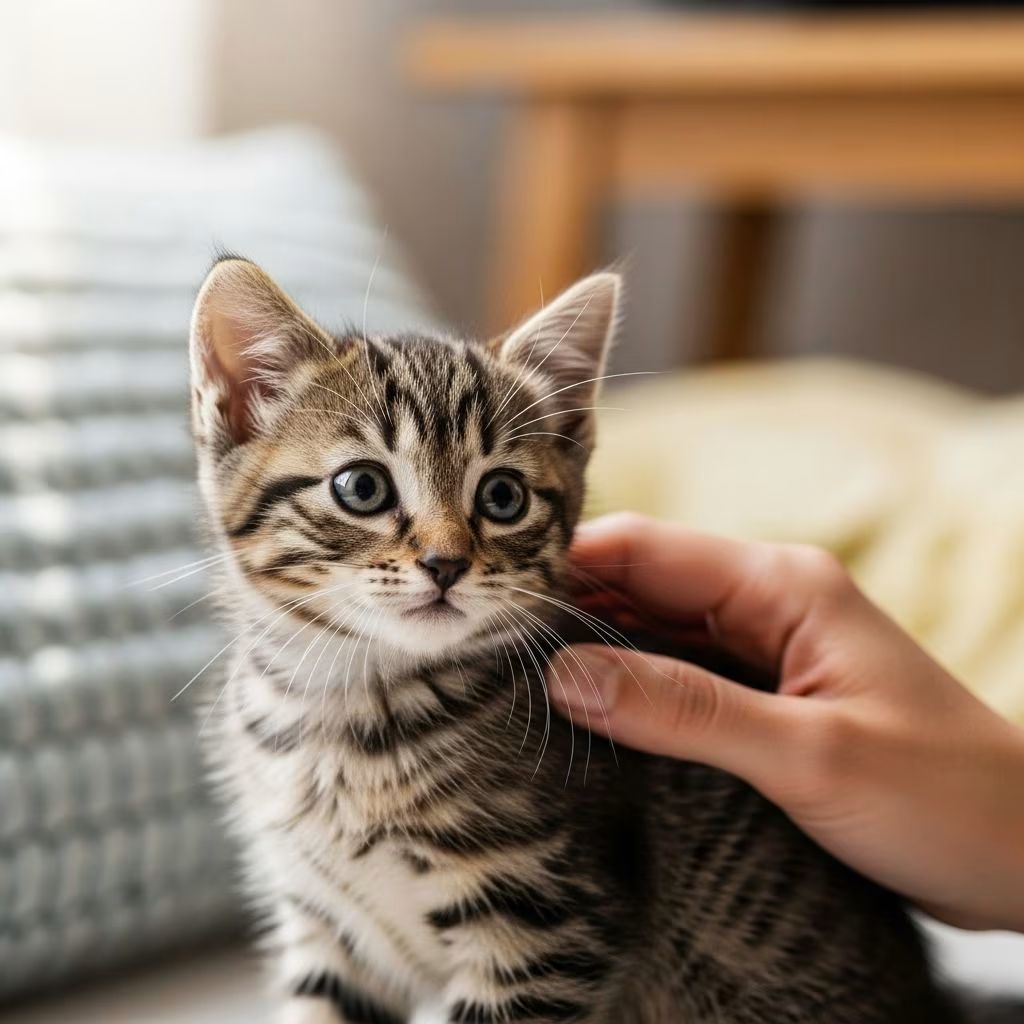
Socialization is one of the most critical aspects of kitten development, shaping how your feline companion will interact with people, animals, and their environment throughout their entire life. The socialization period for kittens typically occurs between 2 and 9 weeks of age, making this window of opportunity crucial for establishing positive behaviors and preventing fear-based responses. During this formative period, kittens are naturally curious and more receptive to new experiences, making it the ideal time to introduce them to various stimuli in a controlled and positive manner.
A well-socialized kitten grows into a confident adult cat that is comfortable in various situations, less likely to develop behavioral problems, and more enjoyable to live with. Whether you’re a first-time cat owner or an experienced feline enthusiast, understanding the fundamentals of kitten socialization will help you establish a strong foundation for your pet’s emotional well-being and social development.
Understanding the Importance of Kitten Socialization
Proper socialization during kittenhood has far-reaching implications for your cat’s entire life. Kittens that are exposed to a variety of positive experiences early on develop greater resilience to stressful situations and are less likely to exhibit fear-based aggression or anxiety-related behaviors. The American Veterinary Society of Animal Behavior emphasizes that early socialization is essential for preventing behavior problems, reducing stress levels, and promoting overall mental health.
Research shows that kittens who miss the critical socialization window may develop into fearful, antisocial, or aggressive adult cats. These cats often struggle with veterinary visits, interactions with new people, and adjustments to environmental changes. By investing time in proper socialization now, you’re essentially preventing countless behavioral challenges that could arise later.
The Critical Socialization Timeline
Understanding when to socialize your kitten is just as important as knowing how. The timeline for kitten socialization breaks down as follows:
- 2-7 Weeks: This is the primary socialization period when kittens are most receptive to new experiences. Kittens at this age are naturally curious and less fearful, making it the optimal time to introduce them to humans, other animals, and various environmental stimuli.
- 7-9 Weeks: Kittens continue to be receptive during this period, and socialization efforts begun earlier should be maintained and expanded.
- 9-16 Weeks: Kittens begin to show more caution around unfamiliar stimuli, but socialization should continue throughout this period to reinforce positive associations.
- 4-12 Months and Beyond: Continued exposure to new experiences remains beneficial, though the critical window has passed. Negative experiences during this period are more likely to result in lasting fears.
If you’ve adopted an older kitten or young cat that missed early socialization, don’t lose hope. Cats can still be socialized later in life, though it may require more patience and time. The process follows similar principles but may need to proceed more gradually and with greater sensitivity to the individual animal’s comfort level.
Creating a Safe Socialization Environment
Before beginning active socialization, establish a safe space where your kitten feels secure. This designated area should include:
- A comfortable bed or blanket for resting
- A litter box, food, and water bowls placed away from the sleeping area
- Hiding spots such as cardboard boxes or cat tunnels
- A cat tree or elevated perch for observation
- Interactive toys and enrichment items
- Access to a window for visual stimulation
This safe space allows your kitten to retreat when overwhelmed and build confidence at their own pace. Never force interaction or remove your kitten’s ability to escape during socialization activities. The goal is to create positive associations, not to overwhelm or frighten your kitten.
Building Positive Associations Through Food
Food is one of your most powerful tools in kitten socialization. By pairing new experiences with treats and meals, you help your kitten develop positive associations with stimuli that might otherwise seem scary or unfamiliar. This principle, called classical conditioning, is remarkably effective for building confidence and trust.
Start offering treats when your kitten notices new objects, sounds, or people. The timing is crucial—deliver the reward within three seconds of the kitten showing curiosity or calm behavior in response to the new stimulus. This immediate reinforcement helps your kitten understand that investigating new things leads to good outcomes.
Recommended high-value treats for socialization include:
- Canned cat food
- Chicken-flavored baby food
- Special treats designed for cats
- Small pieces of cooked chicken or turkey
- Freeze-dried meat treats
Some kittens are hesitant to take treats from hands, and that’s perfectly normal. If your kitten exhibits nervous behavior such as stiffening, slow stretching toward the treat followed by quick retreat, or complete avoidance, try tossing treats on the floor or placing them in a dish instead. Never force treat acceptance, as this can create negative associations.
Handling and Physical Touch
Teaching your kitten to accept handling is essential for grooming, veterinary care, and everyday interactions. Begin by gently touching your kitten during positive situations, such as while they’re eating treats or in a relaxed state. This pairs physical contact with positive experiences.
Start with less sensitive areas such as the head, cheeks, chin, and behind the ears. Gradually progress to petting along the body, working toward the paws, tail, and belly—areas where cats are often more sensitive. Pay close attention to your kitten’s body language. Signs of tolerance include purring, relaxed ears, and continued eating. Signs of discomfort include pinned-back ears, tail tucking, skin twitching, or moving away.
If your kitten seems uncomfortable, stop the session immediately and end on a positive note with a treat. This teaches your kitten that they have control over interactions and can opt out without negative consequences. Over time, as your kitten becomes more accustomed to handling, gradually increase the duration of touch sessions.
For extremely fearful kittens, you can use a soft paintbrush or toothbrush for initial petting before transitioning to hand contact. This provides a buffer between your hand and the kitten’s body, often making contact feel less threatening.
Gradual Acclimation to Human Presence
Before diving into active socialization activities, help your kitten become comfortable with your presence through passive interaction. Sit in the room with your kitten without forcing engagement. Position yourself sideways rather than facing directly toward the kitten, as direct eye contact can feel threatening to cats.
Read a book, watch television, or use your phone while simply being present in your kitten’s space. This allows your kitten to gradually adjust to your presence and presence at their own pace. Occasionally offer slow blinks, a cat communication signal meaning “I mean you no harm.”
Leave background noise such as soft television or radio at low volume when you’re not in the room. This helps your kitten acclimate to human voices and sounds in a non-threatening way. As your kitten becomes more comfortable, you can gradually increase the volume.
Advanced Handling Techniques: From Burrito to Taco
As your kitten becomes more comfortable with basic handling, gradually work toward being able to hold them. For kittens that are still nervous about restraint, the “burrito method” is an excellent intermediate step.
The Burrito Method
The burrito swaddle involves wrapping your kitten gently in a blanket or towel, creating a secure, cocoon-like environment. This technique can help anxious kittens feel safer while being held. To perform the burrito method:
- Place your kitten on a soft blanket or towel
- Gently drape one end of the blanket over the kitten’s body
- Fold the other end underneath the kitten, creating a secure wrap
- Fold up the bottom edge to complete the cocoon
- Hold the wrapped kitten securely while speaking in a soft voice
- Offer treats or canned food while holding
Never release your kitten while they’re struggling or showing signs of stress. Wait for clear relaxation signals such as softened eyes, purring, or accepting food before gently placing them down. This prevents reinforcing distancing behaviors such as struggling, hissing, or ear pinning.
Transitioning to the Taco Method
Once your kitten has relaxed comfortably in the burrito wrap multiple times, progress to the “taco swaddle.” This technique requires less restraint and allows for easier transition to regular holding. Simply fold the blanket or bed your kitten is already on over the sides, gently lifting them while maintaining the blanket cocoon, and moving them to your lap or another location.
Interactive Play and Bonding
Play is far more than just entertainment—it’s a critical component of socialization that develops your bond with your kitten, provides essential exercise, and builds confidence. Interactive play sessions should be incorporated into your daily routine with your kitten.
Types of Interactive Toys
Different kittens have different play preferences. Experiment with various toy types to discover what captures your kitten’s interest:
- Wand Toys: These activate a kitten’s innate prey drive and allow for interactive play while maintaining some distance. Jerk the wand in tiny, unpredictable motions to mimic prey such as mice or birds.
- Glitter Balls and Crinkle Toys: These provide solo play options and can keep kittens entertained independently.
- Treat-Dispensing Puzzles: These combine play with reward, encouraging problem-solving skills.
- Tunnel Toys: Kittens enjoy running through tunnels and can play alone or during interactive sessions.
- Feather Teasers: Synthetic feline pheromone-enhanced toys encourage interactive play while building positive associations.
Play Session Guidelines
To maximize the benefits of interactive play during socialization:
- Keep sessions to 10-15 minutes initially, multiple times daily
- Vary the movements between ground-level and elevated play to see what interests your kitten most
- Start and stop movement frequently rather than making continuous motions, as kittens respond better to unpredictable movements
- Allow your kitten to “win” occasionally by catching the toy
- Reward after play sessions with treats or their regular meal
Meeting New People
Exposure to different people is a crucial component of socialization. However, introductions must be done thoughtfully to ensure positive associations. Never force your kitten to interact with visitors. Instead, allow the kitten to approach on their own terms.
Encourage visitors to:
- Make slow, predictable movements
- Use soft eye contact rather than direct staring
- Speak in calm, gentle voices
- Offer treats or toys as incentives for interaction
- Allow the kitten to retreat without pursuing
It’s particularly important that your kitten is exposed to different types of people, including men, women, and supervised children, to ensure comfort with diverse humans. This exposure helps prevent fear-based aggression or avoidance in adulthood.
Acclimating to Sounds and Environmental Stimuli
Many fearful adult cats developed sound sensitivities because they weren’t exposed to common household noises as kittens. Proactively introduce your kitten to various sounds at controlled volumes to build resilience.
Common sounds to introduce include:
- Doorbells and knocking
- Vacuum cleaners
- Hair dryers
- Blenders and other kitchen appliances
- Groups of people talking and interacting
- Sirens and traffic sounds
- Thunderstorms or rain
Start at very low volumes while rewarding your kitten with treats each time they appear to perceive the sound while remaining calm. Only gradually increase volume if your kitten shows continued relaxation. At the first sign of nervousness or stress, decrease the volume until your kitten calms, then provide several more reward cycles before ending the session.
Handling Essential Care Activities
Prepare your kitten now for veterinary visits and grooming by introducing them to common care activities in a positive context. These experiences should include:
- Teeth brushing with kitten-safe toothpaste and a soft brush
- Nail trimming with specialized cat nail clippers
- Bathing (if appropriate for your cat breed)
- Grooming with a soft brush
- Collar fitting (for cats that will wear collars)
- Cat carrier exposure and car rides
- Eye dropper or syringe handling (for potential medication administration)
Practice these activities during calm moments, rewarding your kitten with treats and praise. Start with very brief sessions and gradually increase duration as your kitten becomes more comfortable.
Socialization with Other Animals
If your household includes other pets, careful introduction is essential. Your kitten should display relaxed body language consistently before meeting other animals. Signs of readiness include:
- Ears in normal forward or natural position
- Tail extended away from body or held normally
- Slow blinks and soft eye expression
- Relaxed body posture without excessive tension
Introduce new animals gradually, using barriers such as baby gates or keeping them in separate rooms initially. Allow them to smell each other under doors before face-to-face contact. Always supervise interactions and separate them if tension escalates.
Recognizing Signs of Stress and Discomfort
Learning to read your kitten’s body language is essential for successful socialization. Stop any activity immediately if you observe these stress signals:
- Pinned-back or flattened ears
- Dilated pupils
- Tail tucked between hind legs
- Skin rippling or fur standing on end
- Hissing, growling, or swatting
- Excessive hiding or withdrawal
- Loss of appetite
- Trembling or freezing in place
If your kitten shows any of these signs, back away and allow them to retreat. Take a break and resume socialization with a less intense stimulus. Pushing through your kitten’s stress signals can create lasting negative associations and damage the trust you’re working to build.
Fifteen Minutes Daily Handling Recommendation
Veterinary experts recommend approximately 15 minutes of daily handling for kittens during the socialization period. This doesn’t need to be continuous—it can be broken into several shorter sessions throughout the day. These sessions should include:
- Gentle petting and stroking all over the body
- Handling of paws, ears, and mouth
- Interactions during feeding times
- Interactive play
- Simple care activities such as gentle brushing
Consistency is more important than intensity. Regular, positive interactions throughout the day build stronger socialization outcomes than occasional lengthy sessions.
Frequently Asked Questions About Kitten Socialization
Q: At what age should I start socializing my kitten?
A: Begin socialization as early as 2-3 weeks of age if possible. The critical window for socialization extends from 2-9 weeks, so starting early maximizes your opportunity to build positive associations during this receptive period.
Q: Can older kittens or cats still be socialized?
A: Yes, cats can be socialized at any age, though the process may take longer and require more patience. Older kittens and cats that missed early socialization may be more cautious, but the same principles of positive reinforcement and gradual exposure still apply effectively.
Q: What if my kitten seems fearful during socialization?
A: Fear is a signal to slow down and reduce the intensity of the stimulus. Never force interaction. Instead, take a break and resume with a less intense version of the experience. Some kittens simply need more time and patience than others, and that’s perfectly normal.
Q: How do I know if socialization is working?
A: Look for signs of increasing confidence and comfort. Your kitten should show relaxed body language during new experiences, approach new stimuli with curiosity rather than fear, and recover quickly from startlement. Over time, you should see fewer hiding episodes and more willingness to explore.
Q: Can I socialize my kitten too much?
A: While socialization is important, ensure your kitten gets adequate rest and quiet time. Overstimulation can lead to stress and fatigue. Allow your kitten to retreat to their safe space whenever needed, and never force participation in socialization activities.
Q: What treats work best for socialization?
A: Use high-value treats that your kitten is excited about. Canned cat food, chicken-flavored baby food, and freeze-dried meat treats are particularly effective. Some kittens prefer treats offered on the ground or in a dish rather than from your hand, and that’s fine—adapt to your kitten’s preferences.
References
- Socializing a Fearful Kitten — Wisconsin Humane Society. https://www.wihumane.org/socializing-fearful-kitten
- Socialization and Fear Prevention in Kittens — VCA Animal Hospitals. https://vcahospitals.com/know-your-pet/socialization-and-fear-prevention-in-kittens
- Kitten Socialization — Nutrena Feeds. https://nutrenaworld.com/kitten-socialization/



