

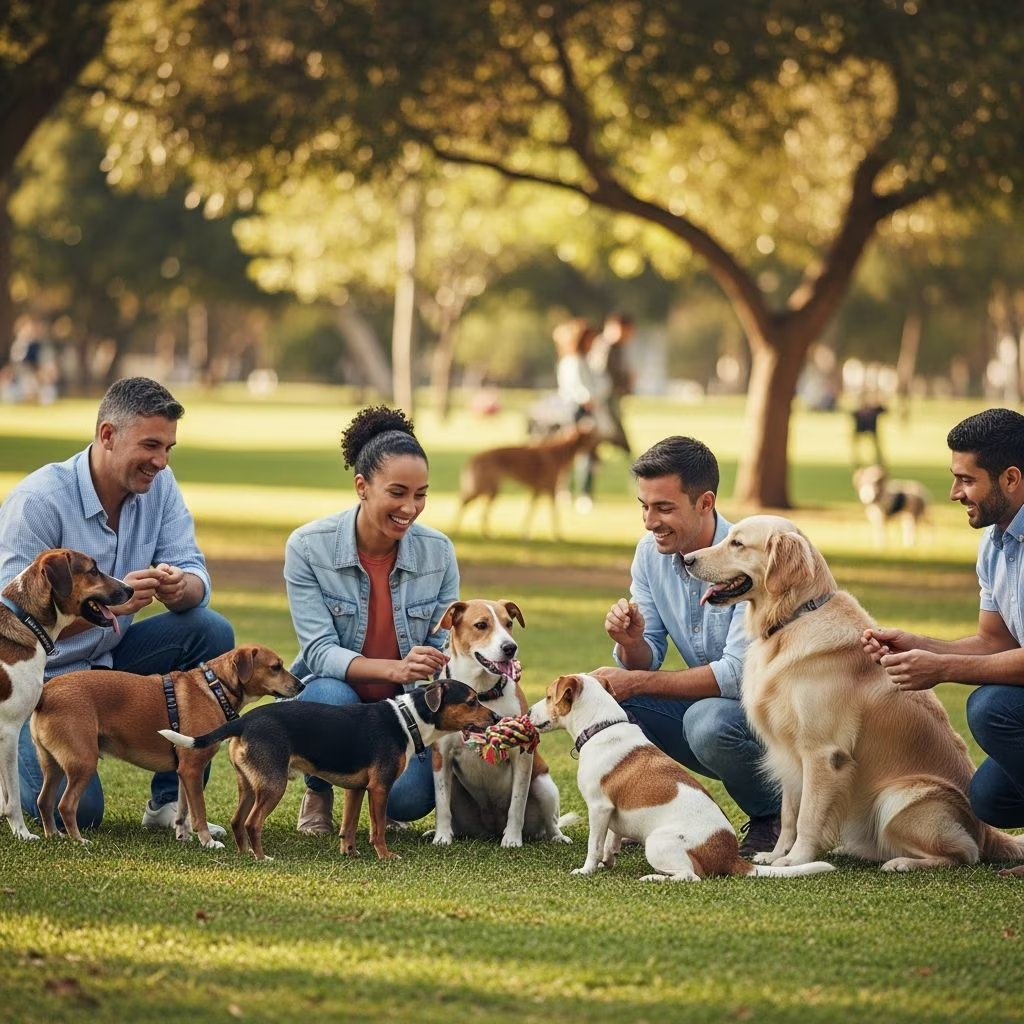
Dog socialization is the process of exposing your dog to a wide variety of people, animals, environments, sounds, and experiences in a positive way to help them become confident and well-adjusted adults. Proper socialization reduces fear, aggression, and anxiety, leading to a happier pet and safer interactions.
Why Socialization Matters
Socialization builds a dog’s confidence by teaching them that new experiences are safe and enjoyable. Puppies who miss this critical window may develop lifelong fears of strangers, other dogs, or novel situations. Adult dogs can improve too, though progress is slower. Well-socialized dogs are less likely to bite, bark excessively, or show reactivity.
Key benefits include better adaptability to vet visits, grooming, travel, and daily life. According to veterinary guidelines, early exposure during the sensitive period creates positive associations that last a lifetime.
The Critical Socialization Period for Puppies
The prime window for puppy socialization is between 3 and 14 weeks of age, when puppies are most receptive to new stimuli without fear. Start after their second round of vaccinations, typically around 8-10 weeks, to balance safety and exposure.
During this time, aim for 100+ positive experiences across categories like people, sounds, surfaces, and handling. Every interaction should end on a high note before stress signs appear, such as yawning, lip licking, or tucked tail.
- Introduce diverse people: men, women, children, elderly, hats, umbrellas, wheelchairs.
- Expose to sounds: vacuums, traffic, thunderstorms (at low volume).
- Vary surfaces: grass, tile, gravel, carpet.
- Handle gently: paws, ears, mouth, tail for vet prep.
Carry unvaccinated puppies in arms or strollers to public places for passive exposure.
How to Socialize a Puppy
Follow structured steps to ensure safe, effective puppy socialization using positive reinforcement.
1. People Exposure
Expose puppies to a variety of humans in controlled settings. Start indoors with family and friends.
- Diverse groups: different ages, ethnicities, clothing, accessories.
- Teach calm greetings: sit before petting, no direct staring.
- Use high-value treats to pair people with rewards.
Progress to clean indoor spaces like pet stores before outdoor parks.
2. Puppy Playdates and Other Dogs
Arrange supervised play with vaccinated puppies of similar size and energy. Short sessions (10-15 minutes) prevent overwhelm.
- Choose calm, friendly dogs.
- Monitor body language: relaxed ears, play bows good; stiff posture bad.
- End before fatigue sets in.
Puppy classes provide safe group play under professional supervision.
3. Environments and Outings
Gradually introduce public spaces. Start quiet, build to busier areas.
| Stage | Locations | Tips |
|---|---|---|
| Beginner | Quiet parks, home yard | Leash, short visits, lots of sniffing |
| Intermediate | Pet stores, walks | Controlled interactions, treats for calm |
| Advanced | Busy streets, events | Practice sits, distance from triggers |
Sniffing is crucial for learning; allow time to explore.
4. Household Sounds and Handling
Acclimate to daily noises: TV, appliances, doorbells. Pair with play or food.
Gentle handling builds tolerance:
- Reward touch on sensitive areas.
- Use luring for cooperation, not force.
Socializing Adult Dogs
Adult socialization is possible at any age using desensitization and counter-conditioning. Progress slowly to avoid setbacks.
Observe baseline behavior first. Start with low-stress exposures.
- Short, positive sessions: 5 minutes max.
- Controlled intros: familiar people first.
- High-value rewards for calm responses.
For seniors, focus on gentle walks and familiar visitors rather than vigorous play.
Techniques for Adults
- Assess and Plan: Note triggers via body language journal.
- Desensitization: Expose at safe distance (e.g., 50 feet from dogs), feed treats. Gradually close gap.
- Counter-Conditioning: Mark trigger notice with clicker/”yes!”, treat immediately.
- Leash Walks: Non-retractable leash in walking groups for low-key socials.
Positive Reinforcement in Socialization
Always use rewards: treats, praise, toys. Never punish fear, as it worsens issues.
- Pair new stimuli with highest-value treats.
- Clicker training marks exact good moments.
- Prevent bad experiences: no forced greetings.
Common Mistakes to Avoid
Avoid these pitfalls that undermine socialization:
- Forcing Interactions: Let dog approach at own pace.
- Overwhelm: Too many new things too fast causes shutdown.
- Ignoring Signals: Whale eye, freezing mean stop now.
- Inconsistent Rewards: Always positive for progress.
- Unsafe Play: No unvaccinated or aggressive dogs.
DIY and Professional Resources
Practice at home:
- “Find it” games for exploration confidence.
- Novel objects: boxes, toys for curiosity.
- Sit-for-greeting drills on walks.
Enroll in puppy/adult classes or consult trainers for reactivity.
Frequently Asked Questions (FAQs)
What’s the best age to socialize a puppy?
3-14 weeks is ideal, but start vaccinations-appropriately around 8 weeks.
Can you socialize an adult rescue dog?
Yes, with patience using gradual desensitization and positives. It’s never too late.
What if my dog gets scared during socialization?
Stay calm, increase distance, treat anyway. Retry later, seek pro help if persistent.
How many experiences does a puppy need?
Aim for 100+ varied positives before 16 weeks.
Is puppy class worth it?
Absolutely: safe play, structured exposure, trainer guidance.
References
- Socializing a Dog: The Ultimate Guide to Raising a Well-Adjusted Pet — K9 Principles. 2023-12-07. https://k9principles.ca/2023/12/07/socializing-a-dog-the-ultimate-guide-to-raising-a-well-adjusted-pet/
- AMC’s Guide to Socializing Your Puppy (or Adult Dog) with Low-Stress Handling Techniques — Morgantown AMC. N/A. https://www.morgantownamc.com/post/amc-s-guide-to-socializing-your-puppy-or-adult-dog-with-low-stress-handling-techniques
- Dog Socialization 101: The Complete Guide for Dog Parents — K9 Resorts. N/A. https://www.k9resorts.com/about-us/articles/tips/dog-socialization-101-the-complete-guide-for-dog/
- Puppy Socialization: Essential Tips for Raising Happy, Confident Dogs — Birmingham Animal Hospital. N/A. https://birminghamanimalhospital.com/puppy-socialization-for-happy-dogs/
- How to Socialize an Adult Dog and Why It’s Never Too Late — PV Pets. N/A. https://www.pvpets.com/how-to-socialize-an-adult-dog-and-why-its-never-too-late.html
- Dog Socialization & Training Hub: Complete Guide from Puppyhood to Senior Years — Wagbar. N/A. https://www.wagbar.com/dog-socialization-training-hub-complete-guide-from-puppyhood-to-senior-years



