

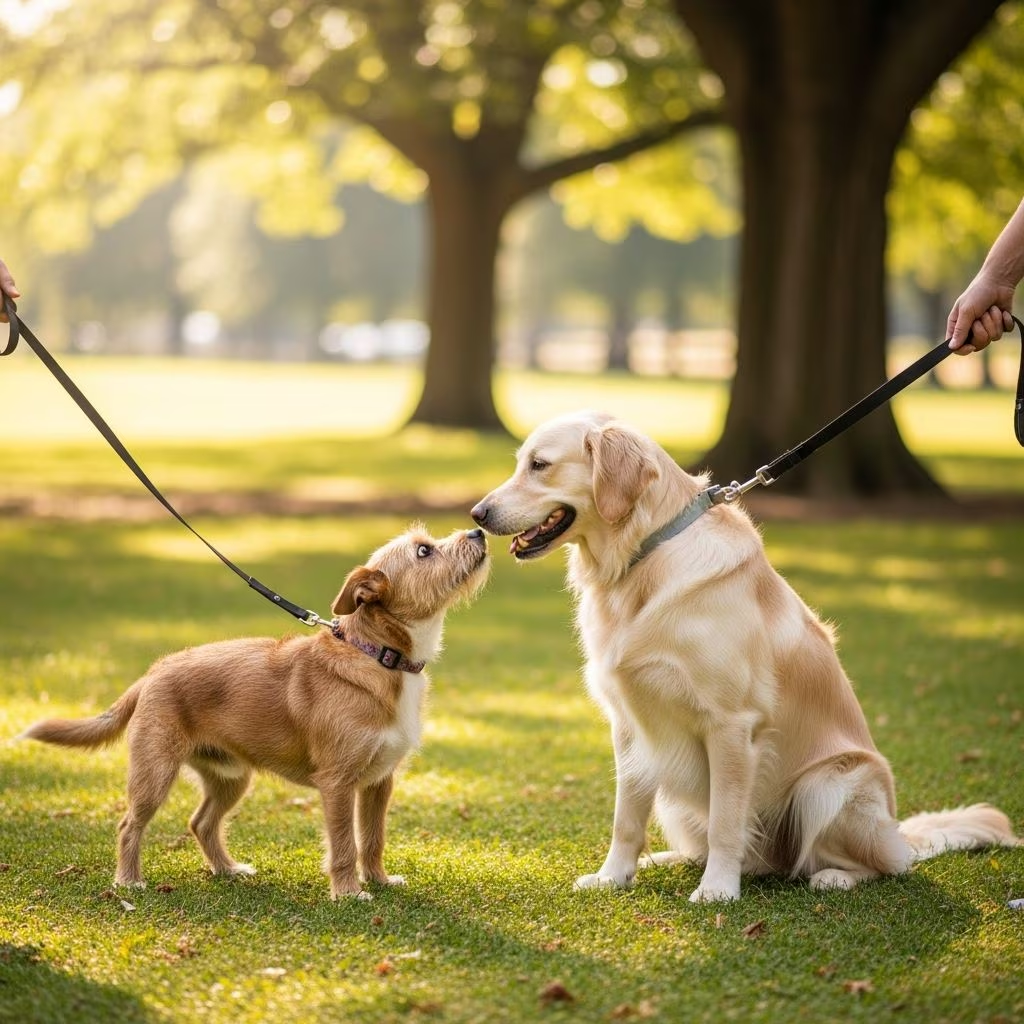
Bringing home a puppy or adult dog comes with many responsibilities, from ensuring adequate nutrition to providing proper exercise. However, one of the most critical yet often overlooked aspects of canine development is socialisation. While your first instinct might be to focus on cuddles and keeping your puppy safe from household hazards, socialisation plays an equally important role in shaping a well-adjusted, confident companion.
A shy or nervous dog may seem endearing at first, but without proper socialisation, your dog can develop fearful or reactive behaviours that impact their quality of life and yours. The good news is that with patience, the right techniques, and professional guidance, even the most anxious dog can learn to feel comfortable in social situations and develop the confidence needed to navigate the world around them.
Understanding the Critical Socialisation Period
To effectively socialise a shy dog, it’s essential to understand what socialisation truly means and why timing matters. The most crucial window for puppy socialisation occurs between 2 and 14 weeks of age, often referred to as the critical socialisation period. During this time, puppies’ brains are remarkably receptive to new experiences, and exposure to various sights, sounds, other animals, people, and environments builds resilience and confidence around novelty.
The more positive exposure your puppy receives during this critical window, the more comfortable they become with new stimuli throughout their life. Dogs who miss out on early socialisation—perhaps because they were raised in isolated environments like mountains or rural areas—may struggle to develop proper social skills with other dogs. They might feel unsure about inviting play, accepting social advances, or safely resolving conflicts with other canines.
However, it’s important to note that older puppies and adult dogs can also benefit from gradual socialisation. While the early weeks are ideal, it’s never too late to help your dog become more confident and socially skilled.
How to Start Socialising Your Shy Dog
Start Small and Build Gradually
The biggest mistake owners make when socialising nervous dogs is jumping in too quickly with overwhelming situations. Taking your shy dog to busy parks with dozens of other dogs, high-energy doggie daycares, or playdates with rowdy puppies is often counterproductive. Closed spaces with large groups of dogs running chaotically can trigger stress and anxiety rather than build confidence.
Instead, introduce your nervous dog to other dogs through controlled, low-pressure situations. Enlist friends or family members with calm, gentle dogs to go on walks together. During these walks:
- Move in the same direction without forced face-to-face encounters
- Allow both dogs to take their time and feel safe
- Let them see and smell each other from a distance while exploring
- After about 10 minutes, assess their comfort level before allowing closer interaction
- If interested, allow brief sniffing sessions of a few seconds
- Continue walking and intermittently assess comfort before encouraging further engagement
- Gradually progress to outdoor off-lead play when both dogs show readiness
This gradual approach accumulates positive experiences and builds an overall sense of safety in the presence of other dogs.
Find Your Dog’s Tribe
Not all dogs play the same way, and recognising your dog’s play style is crucial for successful socialisation. Some dogs enjoy rough-and-tumble play, while others prefer gentle interactions. Some dogs are chasers; others prefer wrestling or fetch games. Some dogs want to play and then be left alone.
Rather than forcing your shy dog into random play situations, observe their personality and preferences. Then deliberately set them up with playmates and activities that align with their natural style. A dog who prefers gentle play will feel more confident and have positive experiences with calm dogs rather than being thrown into play with boisterous puppies. This strategic matching builds your dog’s confidence because they experience success and enjoyment in social situations tailored to their temperament.
Help Build Confidence Through Capability
Beyond dog-to-dog interactions, building your shy dog’s overall confidence through activities where they feel capable and safe translates to improved day-to-day confidence in all situations. Engaging in scent work games is particularly effective for anxious dogs because it taps into their natural instincts and creates positive mental stimulation.
Try these confidence-building activities:
- Hide-and-seek games with food: Have your dog perform a down-stay in one room while you hide their breakfast in various locations throughout the house
- Scent games: Distribute dry kibble in small piles around the home or garden for your dog to discover
- Puzzle toys: Fill stuffable rubber toys with wet or raw food and hide them in safe locations
- Training sessions: Master basic cues that strengthen your bond and provide clear communication
These activities are confidence boosters because they allow your dog to succeed, build trust in you as their guide, and develop a sense of accomplishment.
Socialisation Techniques for Shy Dogs
Enrol in a Professional Training Class
A well-run group training class conducted by a professionally certified trainer offers a structured, safe environment for socialising timid dogs. Unlike uncontrolled play situations, training classes focus on teaching cues and appropriate behaviour rather than play being the primary objective. This organised approach reduces pressure on anxious dogs while still providing valuable social exposure.
When selecting a class, choose one with a trainer certified by recognised organisations (such as CPDT-KA or similar) who practices LIMA (Least Intrusive, Minimally Aversive) techniques. These trainers understand how to work with nervous dogs without forcing them into overwhelming situations. Learning a strong foundation of training cues serves as a real confidence booster for shy dogs, opening clear communication lines and strengthening your bond.
Understand Canine Body Language
As your shy dog becomes more comfortable socialising with other dogs, it’s crucial that you recognise when they’ve had enough or are feeling overwhelmed. Familiarising yourself with canine body language and the subtle cues that indicate comfort or stress is essential for protecting your dog’s wellbeing and preventing negative experiences that could set their progress back.
Signs of stress in dogs include:
- Tucked tail
- Pinned back ears
- Yawning or lip licking (calming signals)
- Avoidance or turning away
- Stiff body posture
- Whale eye (visible whites of eyes)
Remember: you are your dog’s teacher, guardian, and primary advocate. Your dog depends on you for information and trusts you to make decisions that serve their best interests.
Understanding Puppy Development Stages
To fully appreciate socialisation’s importance, it helps to understand the different developmental stages puppies experience. The first three to seven weeks involve primary socialisation with littermates, where puppies learn fundamental canine behaviours like bite inhibition from their mother and siblings. During this period, human interaction is equally important; puppies who are regularly handled and interact with people during these early weeks develop into more stable, stress-resilient adults who learn faster than peers without such exposure.
Weeks eight through twelve represent the critical second socialisation period. During these 28 days, a puppy’s brain operates like a sponge, readily absorbing and incorporating new experiences at a rate unmatched by any subsequent period in their life. This window is arguably the most profoundly important time in a dog’s development, as their brain is wired to accept and even seek out interactions with people and other dogs during this phase.
Introducing Your Dog to New People
Socialisation extends beyond other dogs to include human interaction. A widely accepted goal is for puppies to “meet” around 100 people during their socialisation window—individuals of all ages, races, sizes, and appearances, many dressed in various clothing or carrying different objects like umbrellas, canes, or plastic bags.
However, introducing your puppy or shy dog to new people should happen at their own pace in non-overwhelming ways. Rather than bringing your newly adopted puppy to crowded places immediately, which can cause lasting damage to their confidence, introduce them to one or two people at a time in calm settings. These encounters should involve positive experiences such as treats, toys, and gentle touching, allowing your dog to learn that people are sources of good things.
Avoiding Common Socialisation Mistakes
Several common mistakes can undermine your socialisation efforts or even cause lasting problems. Understanding what not to do is as important as knowing what to do:
- Don’t force social situations: Never push your shy dog into interactions they’re clearly uncomfortable with. Forcing engagement teaches them that social situations are unpleasant and to be avoided.
- Don’t overwhelm your dog: Excessive fear, withdrawal, or avoidance behaviour indicates over-stimulation. Gradual exposure that respects your dog’s comfort level is more effective.
- Don’t skip classes prematurely: If your timid puppy attends only one socialisation class where they sit frightened under a chair without returning, they may learn that being around other dogs is unpleasant. Consistency is crucial.
- Don’t ignore negative experiences: If your dog has negative experiences with people or other dogs early on, they learn to be nervous or fearful rather than comfortable and social. Each interaction should be positive.
- Don’t coddle or overprotect: While you shouldn’t force engagement, excessive coddling can reinforce fearful behaviour. Allow your dog to observe from a safe distance and progress at their own pace.
Frequently Asked Questions
Q: Should I force my shy dog into social situations?
A: Definitely not. Forcing shy dogs into social situations can backfire and increase anxiety. Instead, ease your shy dog into social situations gradually by enlisting help from friends or family members with calm dogs to go on walks together, allowing positive experiences to build confidence naturally.
Q: Is professional training necessary for socialising my shy dog?
A: While not absolutely necessary, a well-run group training class conducted by a certified trainer offers an organised, structured environment that can be very beneficial. A professional trainer with experience and LIMA-based methods can ensure your timid dog gains confidence through positive experiences without play being the primary focus.
Q: At what age should I start socialising my puppy?
A: The critical socialisation period begins as early as 2 weeks of age and extends through 14 weeks. The most important window is between 8 and 12 weeks, when puppies’ brains are most receptive to new experiences. However, socialisation can continue throughout a puppy’s first year and beyond.
Q: What if my puppy is scared at their first socialisation class?
A: It’s completely normal for timid puppies to hang back and observe during their first socialisation class. Many will sit under their owner’s chair at the first event, venture out briefly by the second, and be actively seeking playmates by the third. Do not coddle or force them to engage; allow them to progress at their own pace with consistent attendance.
Q: How many people should my puppy meet during socialisation?
A: A widely accepted goal is for puppies to meet approximately 100 people during their critical socialisation period. This includes people of all ages, genders, races, sizes, and dressed in various clothing, creating familiarity with human diversity.
Q: Can adult dogs benefit from socialisation if they missed the critical period?
A: Yes, older puppies and adult dogs can benefit from gradual introduction to new people, dogs, and situations. While the early weeks are the ideal window, it’s never too late to help your dog become more confident and socially skilled through patient, positive exposure.
References
- How Do I Get My Shy Dog To Socialise? — Kinship. Accessed January 2026. https://www.kinship.com/uk/dog-behaviour/how-to-socialise-a-dog
- How to Socialize a Puppy — Kinship. Accessed January 2026. https://www.kinship.com/dog-behavior/puppy-socialization
- Puppy Dog Socialisation Guide — The Partridge Practices. 2023. https://www.partridgepractices.co.uk/wp-content/uploads/2023/04/Puppy-Dog-Socialisation-Guide-.pdf



