

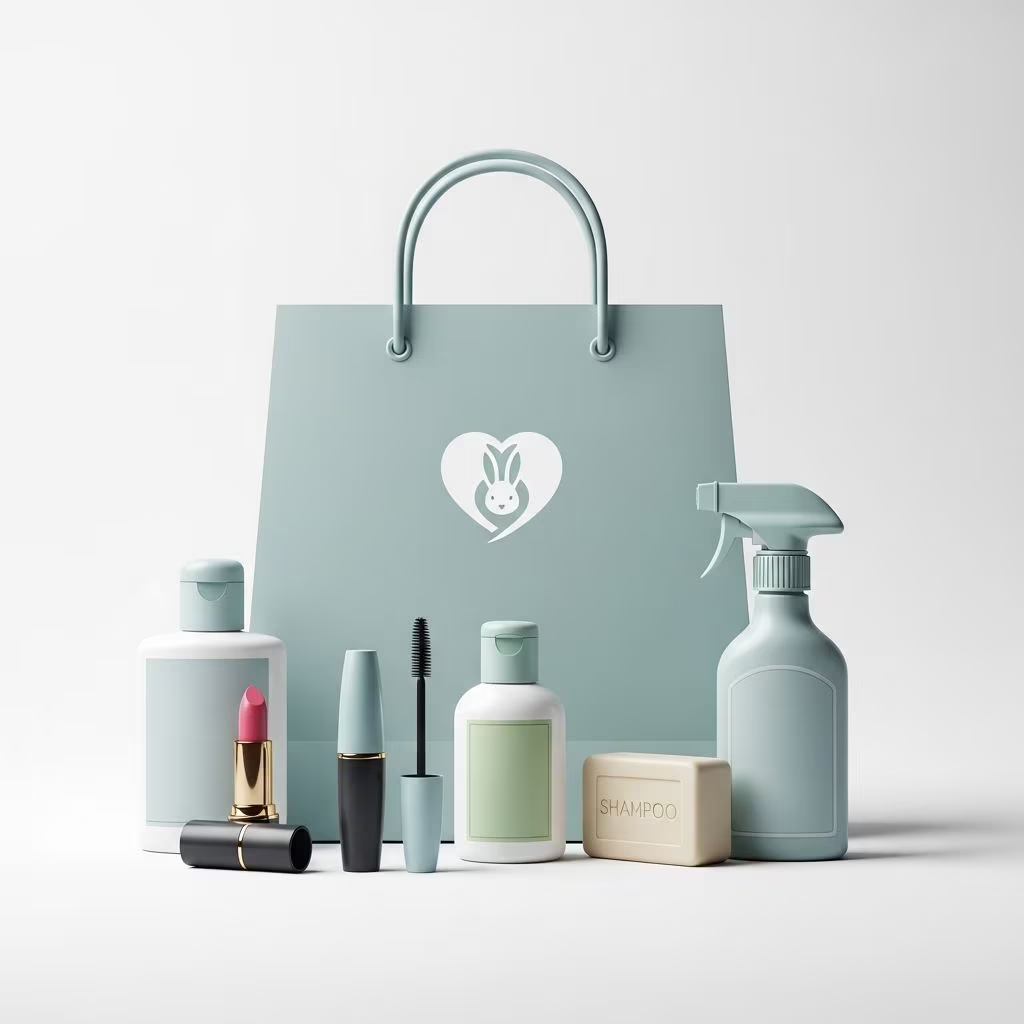
How to Shop Brands That Don’t Test on Animals
As a conscious consumer and pet parent, understanding which brands test on animals and which ones don’t is an essential part of making ethical purchasing decisions. Animal testing remains a significant issue in multiple industries, from cosmetics to household products, despite the availability of cruelty-free alternatives. This guide will help you navigate the marketplace and identify brands that align with your values while protecting both animals and your family.
Understanding Animal Testing in Different Industries
Animal testing is not limited to one sector. While cosmetics have made significant strides toward eliminating animal testing in developed countries, other industries continue to rely on these outdated practices. In the United States, household products like weed-killer and pesticides are often tested on animals, including dogs, to determine potential effects on human health. These tests are not only cruel and outdated but also ineffective, as animal biology does not perfectly translate to human responses.
Dogs are still used for toxicology studies on pesticides, weed-killers, and medicines despite the existence of more humane alternatives. While cosmetics are not tested on dogs anywhere in the world, many other product categories continue to exploit animals for safety testing. Understanding which industries still practice animal testing is the first step toward making informed purchasing decisions.
The Reality of Animal Testing Numbers
According to the Humane Society International (HSI), more than 115 million animals worldwide are used for testing each year. However, experts believe this number is likely much higher, as some animals are excluded from official statistics. These alarming figures demonstrate the scale of the problem and the urgent need for consumers to demand change through their purchasing power.
The use of animals in laboratories continues despite growing scientific evidence that non-animal testing methods are more accurate and reliable. Every purchase you make either supports or rejects these practices, making consumer choice a powerful tool for change.
The Three Rs: A Better Approach to Testing
Progressive organizations are urging companies to adopt the Three Rs approach to testing:
- Replacement: Replace animal testing with non-animal alternatives such as laboratory-grown tissues, computer modeling, and human cell-based testing
- Reduction: Minimize the number of animals used in testing by optimizing experimental design and sharing data across organizations
- Refinement: Improve testing procedures to minimize suffering and stress for animals that are still used in research
These principles represent a more ethical and scientifically sound approach to product safety testing. Many innovative companies are already implementing these methods, proving that animal testing is not a necessity but a choice.
Understanding Misleading Marketing Claims
One of the biggest challenges consumers face is deciphering misleading marketing language from brands that still test on animals. Companies often use phrases like “we only test on animals when there is no other alternative” or “we only test on animals where required by law” to appear more ethical than they actually are.
These statements are often misleading. Many jurisdictions no longer require animal testing for cosmetics and household products, yet companies continue the practice. Additionally, a brand might claim they don’t test on animals directly while funding third-party suppliers to conduct tests on their behalf. This loophole allows companies to maintain plausible deniability while still supporting animal cruelty.
To avoid being deceived by these claims, look for concrete certifications rather than relying on a brand’s self-assessment of their testing practices.
The Leaping Bunny Program: The Gold Standard
The Leaping Bunny program represents the most comprehensive and reliable certification for cruelty-free products. This rigorous certification has expanded beyond cosmetics to include household products, car care items, and other non-beauty products. When you see the Leaping Bunny logo on a product, you can be confident that it was not tested on animals at any point in its development or production.
Why Leaping Bunny Stands Out
Leaping Bunny holds brands to exceptionally high standards that go far beyond simple corporate promises:
- Brands cannot conduct their own animal testing or fund third parties or suppliers to conduct testing on their behalf
- Companies must implement robust monitoring systems to ensure that all ingredients, including those from suppliers, are cruelty-free
- Brands must participate in ongoing, independent compliance audits conducted by external organizations
- Certification must be renewed annually, preventing companies from becoming complacent or changing practices without detection
The annual recertification requirement is particularly important because it prevents brands from achieving certification and then quietly resuming animal testing. This continuous oversight ensures that Leaping Bunny certified brands maintain their commitments to cruelty-free practices year after year.
Finding Cruelty-Free Household Products
Beyond cosmetics, finding cruelty-free options for household products can be challenging. The Leaping Bunny program has expanded to certify household products, making it easier to identify safe alternatives. Their website features a dedicated section that helps consumers navigate options for household products, car care items, and other non-beauty categories.
When shopping for cleaning supplies, pesticides, weed-killers, and other household items, look specifically for the Leaping Bunny certification. If a product doesn’t carry this logo, there’s a significant possibility that it or its ingredients have been tested on animals.
PETA Certification and Other Indicators
In addition to the Leaping Bunny program, PETA (People for the Ethical Treatment of Animals) offers its own certification for cruelty-free products. Products bearing the PETA logo have also been certified as not tested on animals. However, experts emphasize that unless a product carries either the Leaping Bunny or PETA logo, it’s entirely possible that the product itself or one of its ingredients has been tested on animals.
This is especially true for brands that sell their products in mainland China, where animal testing requirements have historically been more stringent. Even if a brand doesn’t test on animals in other markets, they may do so to comply with local regulations in certain countries.
Why Ingredient Testing Matters
Many consumers focus solely on whether the finished product was tested on animals but overlook ingredient testing. A brand might not conduct animal tests on their final product while purchasing ingredients that were tested on animals by suppliers. This distinction is crucial because supporting companies that use untested ingredients still contributes to reducing overall animal testing.
The Leaping Bunny program addresses this issue by requiring brands to monitor their entire supply chain. This means certified brands must verify that their suppliers also follow cruelty-free practices, creating a comprehensive standard that extends beyond just the finished product.
The Legislative Push Toward Banning Animal Testing
Progress is being made at the legislative level. The federal Humane Cosmetics Act, introduced in Congress by Representatives Don Beyer (D-VA), Vern Buchanan (R-FL), Paul Tonko (D-NY), Ken Calvert (R-CA), and Tony Cárdenas (D-CA), represents a significant step forward. This proposed legislation would prevent cosmetics animal testing and prohibit the sale of animal-tested cosmetics in the United States.
If passed, this law would effectively eliminate animal testing for cosmetics by making it illegal to test on animals or import animal-tested cosmetic products. Such legislative measures are essential for creating a level playing field where all companies must adopt cruelty-free practices, eliminating the competitive disadvantage faced by ethical companies.
Making the Switch to Cruelty-Free Products
Transitioning to cruelty-free products doesn’t have to be an all-or-nothing proposition. You can gradually replace products as they run out, choosing certified alternatives when making new purchases. Many brands now offer cruelty-free options across all product categories, making the transition easier than ever.
Start by identifying the products you use most frequently and researching cruelty-free alternatives. Once you’ve made the switch for these staple items, expand to other categories. Over time, you’ll build a household of ethical products that align with your values.
Supporting Cruelty-Free Brands
By choosing cruelty-free products, you’re doing more than just avoiding animal cruelty—you’re supporting companies that invest in alternative testing methods and innovation. These companies are driving the market toward more ethical and scientifically sound practices. Your purchasing power sends a message to both ethical and unethical companies about consumer values.
Frequently Asked Questions
Q: How can I verify if a brand is truly cruelty-free?
A: Look for official certifications from Leaping Bunny or PETA. You can check these organizations’ websites for lists of certified brands. Be cautious of brands that make unsubstantiated claims without third-party verification.
Q: Does cruelty-free mean the same as vegan?
A: No. Cruelty-free means products were not tested on animals, but they may contain animal-derived ingredients. Vegan products contain no animal-derived ingredients but may have been tested on animals. Some products are both cruelty-free and vegan.
Q: Are all natural products automatically cruelty-free?
A: No. Natural ingredients must also be tested for safety, and this testing may have involved animals. Look for certification logos rather than relying on the “natural” label.
Q: Why does mainland China require animal testing?
A: Historically, mainland China required animal testing for cosmetics sold domestically. However, regulations have been evolving, and some categories have seen relaxation of these requirements. Always check current regulations if you’re concerned about specific markets.
Q: Can I trust companies that use the phrase “cruelty-free where required by law”?
A: This phrase is often misleading. In most developed countries, animal testing is not required by law for cosmetics and household products. This language often masks voluntary animal testing practices. Seek certified alternatives instead.
Q: What percentage of my household products need to be cruelty-free to make a difference?
A: Every purchase matters. Even small shifts in consumer behavior create market demand for cruelty-free alternatives, encouraging more companies to adopt ethical practices. Start where you can and gradually expand.
Q: Are cruelty-free products more expensive?
A: While some certified cruelty-free products are premium-priced, many are competitively priced with conventional products. The cost difference often reflects higher standards in sourcing and testing rather than inherently higher expenses.
References
- Leaping Bunny: Standards and Certification — International Humane Cosmetics Standard. Accessed 2026. https://www.leapingbunny.org/
- Humane Society International: Animals in Research — Humane Society International. Accessed 2026. https://www.hsi.org/
- PETA: Cruelty-Free Certification — People for the Ethical Treatment of Animals. Accessed 2026. https://www.peta.org/
- The Three Rs Principle in Animal Research — NC3Rs (National Centre for the Replacement, Refinement and Reduction of Animals in Research). Accessed 2026. https://www.nc3rs.org.uk/
- Humane Cosmetics Act 2023 — United States Congress. 2023. https://www.congress.gov/



