

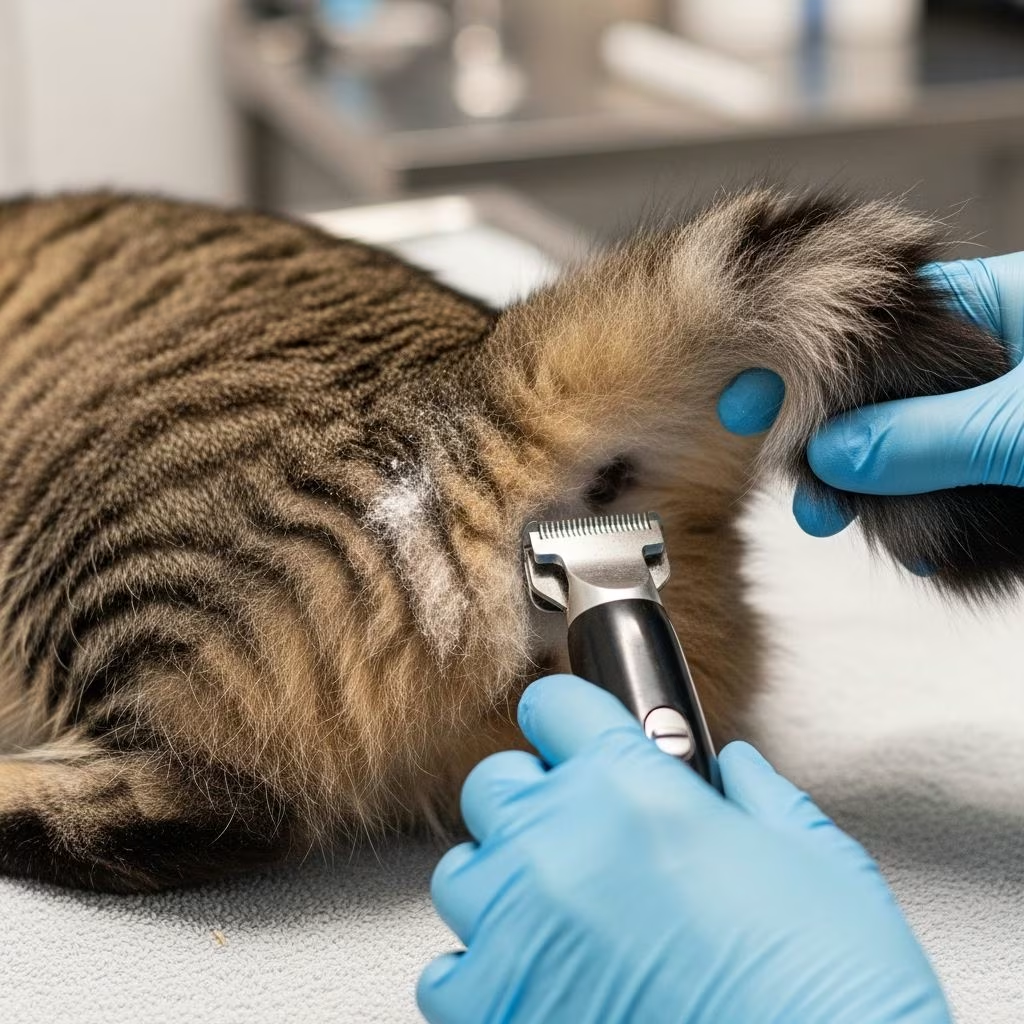
Shaving a cat’s bum, also known as a sanitary trim or creaming, is a common grooming practice to maintain hygiene around the rear end. Long-haired cats often accumulate feces, urine, and litter in their fur, leading to matting, infections, or discomfort. This guide provides a detailed, step-by-step approach to performing this task safely at home, drawing from professional grooming best practices.
Why Shave Your Cat’s Bum?
Regular sanitary trims prevent hygiene issues that can escalate into serious health problems. For **long-haired breeds** like Persians, Maine Coons, or Ragdolls, fur around the anus and genitals traps debris, promoting bacterial growth and skin irritations. Benefits include:
- Improved cleanliness: Reduces fecal buildup, making litter box maintenance easier and preventing ‘dingleberries’.
- Health prevention: Lowers risk of urinary tract infections (UTIs), anal gland issues, and flystrike in outdoor cats.
- Comfort for your cat: Eliminates painful matting that pulls on sensitive skin.
- Easier monitoring: Allows quick detection of diarrhea, worms, or skin conditions.
Veterinarians recommend trims every 4-6 weeks for prone cats, or as needed for short-haired breeds with soiling issues.
Is It Safe to Shave Your Cat’s Bum at Home?
Yes, with proper preparation and tools, home sanitary trims are safe for most cats. However, assess your cat’s temperament—aggressive or highly stressed felines may need professional help to avoid scratches or injury. Key safety factors:
- Cat’s stress level: Calm cats tolerate grooming better; use positive reinforcement.
- Your experience: Beginners should start with small areas and practice on non-sensitive fur.
- Health checks: Consult a vet if your cat has skin conditions, open wounds, or obesity complicating access.
Professionals use restraints and PPE, but at home, focus on gentle handling to build trust.
What You’ll Need to Shave Your Cat’s Bum
Gather cat-specific tools for a safe, efficient trim. Avoid human clippers, which overheat and nick skin.
| Item | Purpose | Recommendations |
|---|---|---|
| #10 or #15 Clipper Blade | Safe close trim without irritation | Surgical steel; #10 for general use, #15 for finer finish |
| Cordless Clippers | Maneuverability around rear | Quiet models like Andis or Wahl pet clippers |
| Comb & Scissors | Detangling and precision cuts | Blunt-tip safety scissors; wide-tooth comb |
| Towels & Non-Slip Mat | Secure positioning | Absorbent towels for burrito wrap |
| Treats & Calming Aids | Positive association | Feliway spray or pheromone treats |
| PPE for You | Protection from scratches | Bite gloves, long sleeves |
Clean all tools with pet-safe disinfectants; avoid ammonia-based products that irritate feline airways.
How to Shave Your Cat’s Bum: Step-by-Step Guide
Follow these **10 steps** for a stress-free sanitary trim. Time it for 15-30 minutes when your cat is relaxed, like post-meal.
- Prepare the environment: Choose a quiet room with good lighting. Place a non-slip mat on a table or counter at waist height.
- Trim nails first: Clip tips only to prevent scratches. Take breaks if cat tenses.
- Burrito wrap technique: Swaddle body in a towel, exposing only rear. This calms fidgety cats.
- Position securely: Hold cat tummy-down; support body weight fully—never scruff alone.
- Brush out mats: Gently comb from head to tail. Cut tough mats with scissors parallel to skin.
- Start clipping: Use #10 blade on cool clippers. Go against fur growth for close trim, starting outer edges.
- Focus sanitary area: Trim 2-3 inches around anus/genitals in small sections. Stretch skin taut to avoid nicks.
- Check for heat: Pause every 5 minutes; cool blade under running water.
- Clean up: Wipe with pet-safe wipe; avoid baths immediately post-trim to prevent chills.
- Reward lavishly: Offer treats and play to end positively.
For aggressive cats, use lap positioning or grooming loops over shoulder (not neck).
Safety Tips for Shaving Your Cat’s Bum
Prioritize welfare to prevent injury. Essential precautions:
- Monitor stress signals: Dilated pupils, flattened ears, thrashing—stop and retry later.
- Use proper restraints: Towel wraps or body positioning over loops around neck.
- Protect yourself: Wear thick gloves, long pants; cats can draw blood with claws.
- Avoid harmful products: No ammonia cleaners or human shampoos; they cause respiratory distress.
- Hygiene first: Disinfect surfaces; cats absorb chemicals via paws.
- Nail safety: Always trim claws pre-groom to protect handler.
If cat panics, abort and seek a professional groomer trained in feline handling.
Common Mistakes to Avoid When Shaving a Cat’s Bum
Steer clear of these pitfalls for better results:
- Rushing the process: Hasty clipping leads to cuts; patience is key.
- Wrong blade: Blades finer than #15 risk razor burn; stick to #10.
- Forcing position: Never hang by neck or scruff unsupported.
- Over-shaving: Leave 1/8-inch stubble to protect skin from sunburn.
- Ignoring aftercare: Monitor for redness; apply vet-approved ointment if irritated.
When to Take Your Cat to a Professional Groomer
Opt for pros if:
- Your cat is aggressive or elderly.
- Severe matting requires sedation.
- You lack tools or confidence.
- Frequent trims are needed.
Look for certified feline groomers using #10 blades and low-stress methods. Costs range $20-50 per trim.
Aftercare for Shaved Cat Bums
Post-trim care ensures quick regrowth and comfort:
- Prevent soiling: Use booties or vaseline on paws for 24 hours.
- Monitor skin: Check daily for infection signs like swelling or pus.
- Regrowth timeline: Fur returns in 2-4 weeks; retrim as needed.
- Litter adjustment: Switch to softer litter if irritation occurs.
Frequently Asked Questions (FAQs)
Does shaving a cat’s bum hurt?
No, when done correctly with sharp blades and no pulling. It feels like a light vibration; avoid dull clippers.
How often should I shave my cat’s bum?
Every 4-6 weeks for long-haired cats, or after soiling incidents. Short-haired cats rarely need it.
Can I bathe my cat after shaving the bum?
Wait 48 hours to avoid chills; use cat-safe shampoo sparingly.
What if my cat has fleas during trimming?
Treat fleas first with vet-approved products; they jump easily during grooming.
Is a #10 blade safe for cat sanitary trims?
Yes, it’s the gold standard recommended by grooming associations for safety and minimal irritation.
What if I accidentally cut my cat?
Apply styptic powder, clean wound, and monitor. Seek vet if deep.
References
- Cat Grooming Safety in Pet Salons — Retro Stylist Wear. 2023. https://retrostylistwear.com/blogs/news/cat-grooming-safety-in-pet-salons
- Mastering the Art of Cat Grooming: Tools, Techniques, and Safety Essentials — Zoom Zoom Groom. 2024. https://www.zoomzoomgroom.com/blog/mastering-the-art-of-cat-grooming-tools-techniques-and-safety-essentials/
- The Ultimate Guide to Grooming Safety: Protect Yourself and Your Clients — Groomer’s Helper. 2023. https://groomershelper.com/blogs/groomers-helper/the-ultimate-guide-to-grooming-safety-protect-yourself-and-your-clients
- Grooming Aggressive Cats — Groomarts. 2017-10-01. https://www.groomarts.com/blogs/2017/grooming-aggressive-cats
- Using Restraints on Cats — National Cat Groomers Institute. 2024. https://nationalcatgroomers.com/blogs/cat-grooming-training/using-restraints-on-cats
- Feline Bathing Tips | Safe Cat Grooming Guide — PetEdge. 2023. https://www.petedge.com/blog/feline-bathing-tips/
- Safe Groomer — Fur Cats Sake. 2024. https://www.furcatssake.com/safe-groomer



