

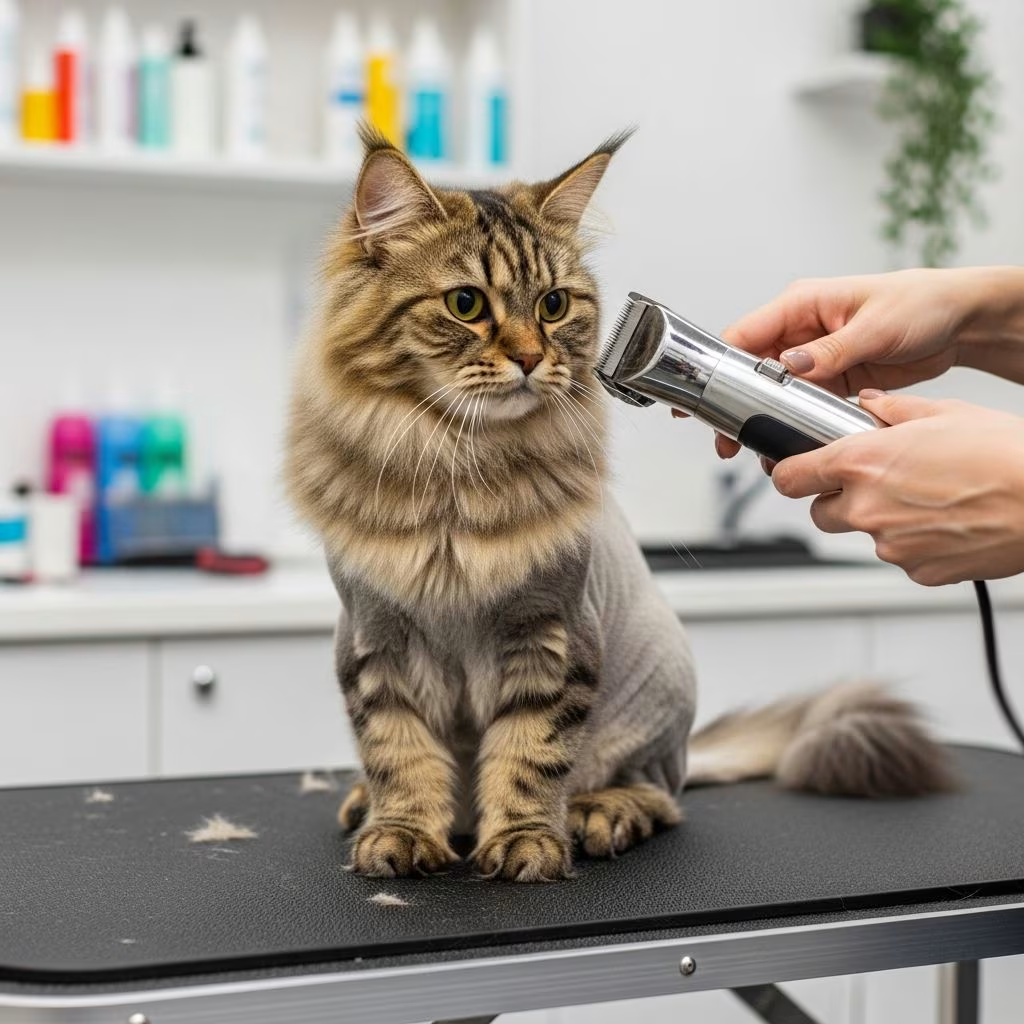
Shaving a cat can be a practical solution for managing severe matting, heavy shedding, or medical needs, but it requires careful preparation and technique to ensure your feline’s safety and comfort. While cats are proficient self-groomers, certain situations like long-haired breeds or neglected coats may necessitate clipping to prevent skin issues and discomfort. This guide covers everything from assessing the need to post-shave care, drawing on veterinary-recommended practices for humane results.
Why Shave Your Cat?
Cats rarely need full shaves, but specific circumstances justify it. Severe tangles that can’t be brushed out trap dirt, pull on skin, and lead to infections or ulcers. Long-haired breeds like Persians often develop mats behind ears, in armpits, or around the rear, causing pain during self-grooming. Heavy shedding during seasonal changes can overwhelm households, and post-surgical or skin condition recovery may require short coats for monitoring and medication application. Shaving also aids flea treatments by exposing parasites. However, it’s not routine—regular brushing prevents most issues.
- Matting prevention: Mats form from loose undercoat tangling with topcoat, worsening without intervention.
- Allergy relief: Reduces dander for owners with sensitivities.
- Medical reasons: Allows vet access for wounds or hotspots.
- Hygiene: Clears urine-clumped fur around genitals.
Consult a vet first if mats cause irritation, as they may prescribe treatments or sedation for removal.
Is Shaving Safe for Cats?
Shaving is generally safe when done correctly, but risks include nicks from clippers, stress-induced behaviors like scratching, and sunburn on exposed skin. Cats’ thin skin is prone to cuts, especially in folds, so use caution. Never use scissors on mats—clippers are safer to avoid slicing skin. Sedation may be needed for anxious cats, available at vets or groomers. Post-shave, apply sunscreen in summer, as less than 1 inch (2.5 cm) of fur risks burns. Professional groomers report fewer incidents with proper restraints and tools.
| Risk | Prevention |
|---|---|
| Skin cuts | Use guarded clippers, go slow |
| Stress/scratching | Calm environment, trim nails first |
| Sunburn | Leave 1″ fur in summer |
| Regrowth issues | Monitor for ingrown hairs |
Tools and Supplies Needed
Gather cat-specific tools for efficiency and safety. Electric clippers with adjustable guards (e.g., #10 or #40 blades for close cuts) are essential—avoid human hair tools as they’re too hot and sharp.
- Clippers: Quiet, rechargeable models with cooling features.
- Guards/combs: #7F for body (1/8 inch), #30 for sanitary areas.
- Comb/shears: Blunt-tipped for detangling.
- Nail clippers: Trim claws to prevent scratches.
- Towels/rubber mat: For traction and cleanup.
- Cotton balls: Ear protection if bathing first.
- Spray bottle: Water for dampening fur.
- PPE: Thick gloves, long sleeves for you.
For professionals: space muzzles, bite gloves, vet wrap for paws. Test clippers on yourself for heat and noise.
Preparing Your Cat for Shaving
Acclimate your cat early—start brushing kittens to build tolerance. Schedule for calm times, like post-meal drowsiness. Trim nails first to minimize injury risk. Brush thoroughly to remove loose fur; bathe if greasy, using cat-safe shampoo and avoiding eyes. Dry completely—wet mats tighten.
- Secure in a quiet room with non-slip surface.
- Use grooming loop or Trach Saver (never neck collars).
- Offer treats/praise for positive association.
If resistant, enlist help or go pro—forced sessions build fear.
Step-by-Step Guide to Shaving Your Cat
Work in a well-lit, warm area. Go against fur growth for close shave, starting rear-to-front.
- Sanitary shave: Lift tail, clip genitals/anal area with #30 blade. Wipe clean.
- Body shave: Use #7F guard; stretch skin taut, clip in strokes. Avoid face/ears unless expert.
- Legs/paws: Wrap paws if kicking; shave carefully.
- Check skin: Pause for heat checks; lubricate blades.
- Finish: Comb residue, towel off.
Full lion cut: Leave mane on head/chest, shave body/legs. Takes 30-60 minutes; split sessions if needed.
Safety Tips During Shaving
Prioritize calm: Read body language—tail swish signals stop. Use PPE like bite gloves. Clean surfaces with pet-safe disinfectants; avoid ammonia. Position cat upright with grooming arm. If aggressive, sedate via vet. Monitor for overheating—cats can’t sweat efficiently.
- Gentle holds, no restraints around neck.
- Trim fleas first to avoid spread.
- Work both sides to avoid strain.
Aftercare Post-Shaving
New fur grows in 2-4 weeks, itchier initially—use vet-approved soothing spray. Apply aloe for sunburn. Brush daily to prevent new mats. Monitor skin for redness/infection; recheck vet if issues. Extra warmth in winter; sweater if chilly. Resume flea preventives.
Alternatives to Shaving at Home
Professionals use sedation, specialized tables for safety. Mobile groomers or vets clip under anesthesia for tough cases. Deshedding tools like Furminator reduce need. Regular weekly brushes (5-10 mins) keep coats mat-free.
Common Mistakes to Avoid
- Rushing: Leads to cuts—patience key.
- Dull blades: Pull fur, cause pain.
- No prep: Bath/brush first.
- Full face shave: Risk eyes/whiskers.
- Ignoring signals: Stop if stressed.
Frequently Asked Questions (FAQs)
Can I shave my cat at home?
Yes, with proper tools and patience, but seek pros for severe mats or aggressive cats.
Does shaving make cat hair grow back thicker?
No myth—growth unchanged, may feel coarser initially.
How short should I shave?
1/8-1/4 inch body; sanitary closer. Leave 1″ summer.
What if my cat hates clippers?
Desensitize gradually or use vet sedation.
How often can I shave?
Every 1-3 months if needed; prefer brushing.
This 1678-word guide equips you for safe cat shaving. Always prioritize welfare—happy cats stay healthier.
References
- Grooming and Coat Care for Your Cat — VCA Animal Hospitals. 2023. https://vcahospitals.com/know-your-pet/grooming-and-coat-care-for-your-cat
- Cat Grooming Safety in Pet Salons — Retro Stylist Wear. 2024. https://retrostylistwear.com/blogs/news/cat-grooming-safety-in-pet-salons
- Grooming Your Cat — RSPCA Pet Insurance. 2023. https://www.rspcapetinsurance.org.au/pet-care/cat-care/grooming-your-cat
- Cat Grooming Tips — ASPCA. 2024. https://www.aspca.org/pet-care/cat-care/cat-grooming-tips
- Feline Bathing Tips — PetEdge. 2023. https://www.petedge.com/blog/feline-bathing-tips/



