

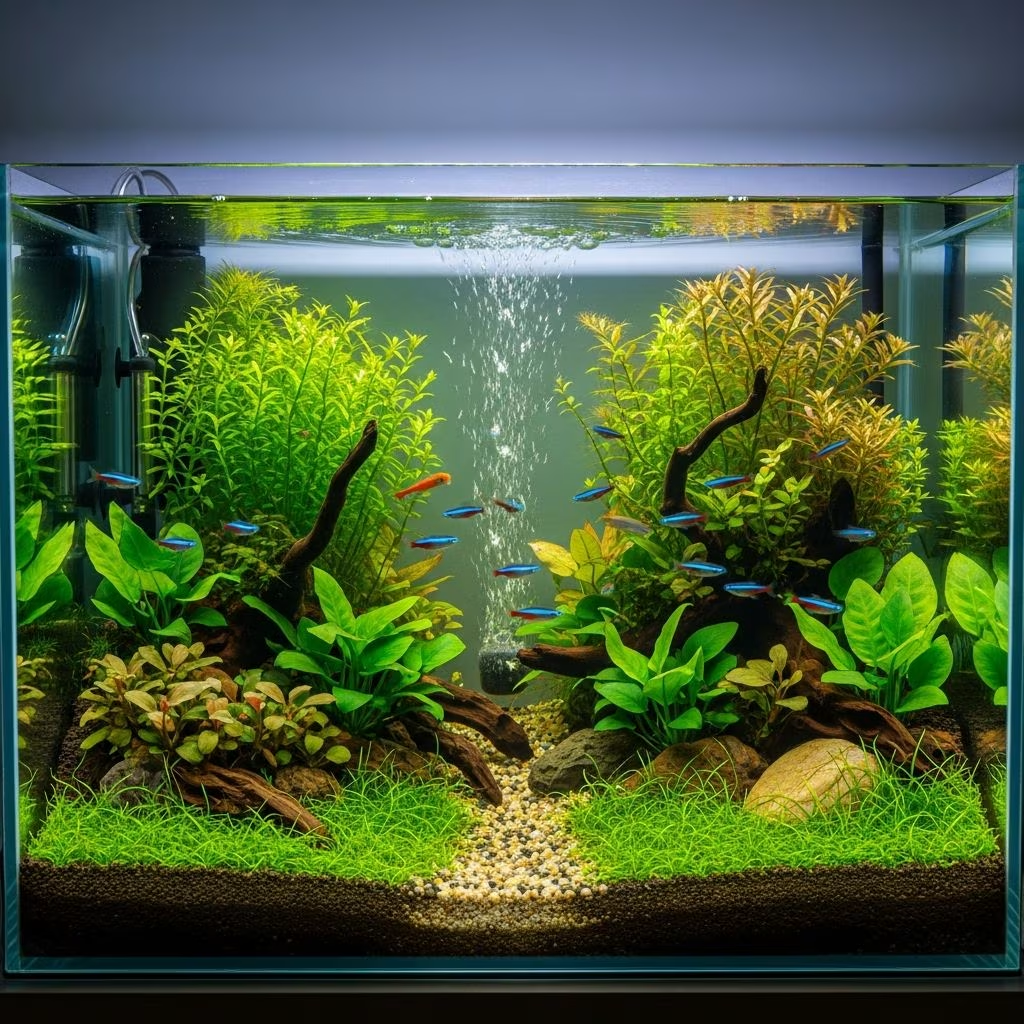
How to Set Up a Planted Fish Tank: Your Complete Beginner’s Guide
Creating a planted fish tank is one of the most rewarding aquarium projects you can undertake. Unlike traditional aquariums, planted tanks combine aquatic life with thriving vegetation, creating a miniature ecosystem that benefits both your fish and the overall aesthetic of your space. Whether you’re a complete beginner or have some aquarium experience, this comprehensive guide will walk you through every step of establishing a successful planted tank setup.
Before You Start: Essential Supplies and Planning
Before diving into the physical setup, it’s crucial to gather all necessary materials and plan your tank location carefully. This preparation phase will save you time and prevent costly mistakes down the road.
Choosing Your Tank and Stand
You don’t need an expensive rimless, low-iron glass aquarium to start your planted tank journey. A regular glass tank from your local pet store works perfectly well, and the rim actually serves a practical purpose by helping buffer against unevenness between the aquarium and the stand. Your fish tank should rest on a hard, level surface such as an aquarium stand, kitchen counter, or solid piece of furniture. Remember that a fully established aquarium can weigh nearly 10 pounds per gallon once you add water, substrate, equipment, and decorations, so ensure your chosen surface and the floor beneath it can support this significant weight.
Selecting the Perfect Location
Location is paramount to your planted tank’s success. Choose a spot in a low traffic area that is out of direct sunlight, as excessive sunlight promotes unwanted algae growth and causes temperature fluctuations. Additionally, avoid placing your tank near air conditioning vents or heating sources, as these temperature swings stress fish and destabilize plant growth. The ideal location should be near an electrical outlet for equipment operation and reasonably close to a water source for easy maintenance and water changes. Equally important, keep your tank away from areas where it might get bumped by adults or explored by curious pets and children.
Essential Equipment and Supplies Checklist
Success in planted tank keeping requires having the right tools and materials from the start. Here’s a comprehensive breakdown of what you’ll need:
Core Equipment
Tank Structure and Support: Your aquarium, stand (or sturdy furniture), and tank lid form the foundation of your setup. The lid serves the critical function of reducing evaporation and preventing fish from jumping out.
Filtration System: A quality filter is essential for most planted tanks. Unless you have a heavy plant load and extensive experience, or you’re keeping plants without fish, invest in an appropriate filter. Consider your fish stocking level—heavy plant loads help reduce bioload significantly, but beginners should still use filtration. Choose from hang-on-back filters, canister filters, or under-gravel options based on your tank’s flow requirements and your fish species’ preferences.
Heating and Aeration: Most tropical planted tanks require a heater to maintain stable temperatures. Additionally, you’ll need some form of oxygen and aeration, whether through an air stone and pump, power filter, or other circulation methods.
Lighting: Adequate lighting is crucial for photosynthesis. Choose lighting fixtures appropriate for your tank size and the plants you want to grow. Some plants require high light, while others thrive in shadier conditions.
Substrate and Substrate Additives
Substrate forms the foundation of your planted tank ecosystem. For planted tanks, substrate grain size should ideally be between 2 to 5 millimeters. Planted tanks typically require at least 2-3 inches (5-7.5 cm) of substrate. If you’re using inert substrate and planning to keep heavy root-feeding plants like cryptocorynes, sword plants, or certain stem species, insert root tab fertilizers into the substrate during the setup phase. These tablets provide essential nutrients directly to plant roots.
Chemical and Maintenance Supplies
Gather water dechlorinator to remove harmful chemicals from tap water before adding it to your tank. Aquarium fertilizers support plant growth, while testing kits and monitoring tools (thermometers, water testing equipment) help you maintain optimal conditions. Don’t forget cleaning tools, siphons, and planting tools to make maintenance easier.
Step-by-Step Setup Instructions
Step 1: Prepare Your Space
Install your aquarium stand on a level surface and ensure everything is stable. Clean the stand or counter space thoroughly before placing your tank. Use a level gauge to verify that your chosen surface is truly level—this is critical for even water distribution and equipment function.
Step 2: Rinse All Components
Thoroughly rinse your tank, substrate, and hardscape materials with water (absolutely no soap). This reduces cloudy water caused by substrate dust. If using clay-based substrates like Fluorite, rinsing can take considerable time, but this crucial step prevents water cloudiness. At this stage, you can also install an aquarium background if desired. Some aquarists choose to quarantine live plants during rinsing to remove duckweed, pest snails, and other unwanted hitchhikers.
Step 3: Install Substrate
Place your cleaned tank on the stand and add the prepared substrate to a depth of 2-3 inches (5-7.5 cm). If using root tab fertilizers, insert them into the substrate now at appropriate depths where they’ll benefit root-feeding plants. This substrate depth provides adequate rooting space for plants while allowing beneficial bacteria to colonize.
Step 4: Position Equipment and Hardscape
Place your heater, filter, and other equipment in the tank—don’t turn them on yet. Position them strategically so plants and decorations can hide these functional elements. Arrange your hardscape (rocks, driftwood, and other decorations) to create the “skeleton” or framework of your planted tank design. Spend time moving pieces around and plotting where plants will go before adding water, as rearranging once the tank is filled becomes significantly more difficult.
Step 5: Partial Water Fill
Fill the tank partially with dechlorinated water to approximately 6 inches (15 cm) depth. This lowered water level supports plant leaves during planting, preventing them from bending excessively and breaking. Pour water carefully through a colander or onto a plastic bag or bowl to avoid disturbing your carefully arranged hardscape.
Step 6: Plant Your Aquatic Flora
Plant arrangement significantly impacts your tank’s visual appeal and plant health. Place taller plants in the background so they don’t shade shorter foreground plants. Consider your lighting layout—position low light tolerant plants in tank shadows or edges, while placing high light plants directly beneath your light fixtures. When planting stem plants, make small holes with your fingertip, insert the plant, and backfill with substrate. Bury the stem about one inch below where the roots emerge, then gently pull the plant upward to the correct level; this allows roots to orient themselves properly. Minimize plant relocation once planted, as each move requires an adjustment period before the plant establishes itself and grows vigorously.
Step 7: Complete the Fill and Activate Systems
Fill the tank completely with dechlorinated water, install the tank lid, and turn on your lighting and filtration equipment. If using a heater, wait approximately 30 minutes for it to acclimate to the water temperature before activation. Ensure all equipment functions properly before leaving the tank unattended.
Cycling Your Planted Tank
Before adding fish, your tank must complete a nitrogen cycle that establishes beneficial bacteria colonies. Fill your tank with dechlorinated water and provide an ammonia source—this can be pure ammonia or fish food that decays and causes an ammonia spike. If you’ve already planted the tank, avoid overdosing ammonia, as it can damage or melt plants in high concentrations. Ammonia effects are more pronounced in warm, acidic tanks, so monitor conditions carefully. Test water regularly, tracking how ammonia, nitrite, and nitrate levels change over time. This process typically takes 4-6 weeks before fish can safely be introduced.
Choosing Fish and Plant Species
Select fish based on your skill level, tank size, and their compatibility with each other and planted tanks. Similarly, choose plants that match your experience level and tank specifications. Consider temperature tolerance, lighting requirements, and whether certain plants are compatible with specific fish species. Some plants require more technical setup, fertilizers, and attention than others, so be realistic about the commitment required.
Frequently Asked Questions
Q: Do I need CO2 supplementation for a planted tank?
A: Not necessarily for beginners. Low-tech planted tanks can thrive without supplemental CO2, though CO2 systems can accelerate plant growth and allow cultivation of more demanding species. Many beginner plants grow well with natural CO2 from fish respiration and decomposition.
Q: How often should I perform water changes?
A: Typically, water changes of 25-50% weekly maintain water quality. The frequency depends on bioload (number and size of fish) and plant density. Heavily planted tanks with light fish stocking may require less frequent changes.
Q: Can I use regular aquarium gravel as substrate?
A: Standard aquarium gravel can work, but specialized plant substrates retain nutrients better and support healthier root systems. Choose substrate with 2-5mm grain size for optimal results.
Q: What plants are easiest for beginners?
A: Beginner-friendly plants include Anubias, Java Fern, Cryptocoryne species, and many stem plants like Ludwigia and Rotala. These tolerate varying conditions and don’t demand high light or fertilizer.
Q: How long before plants start growing?
A: Most plants establish themselves within 1-2 weeks, with noticeable growth appearing within 3-4 weeks as roots develop and plants acclimate to their new environment.
References
- How to Set Up a Low Tech Planted Aquarium for Beginners — Aquarium Coop. 2024. https://www.aquariumcoop.com/blogs/aquarium/beginner-planted-aquarium
- Setting Up a Successful Low-Tech Planted Tank Like a Pro — Tropical Fish Hobbyist Magazine. https://www.tfhmagazine.com/articles/aquatic-plants/setting-up-a-successful-lowtech-planted-tank-like-a-pro-part-1-the-basics-full-article
- Step-by-Step Guide For Starting an Epic Planted Tank — Dustin’s Fish Tanks. https://dustinsfishtanks.com/blogs/dustins-blog/planted-tank-setup
- Nature Aquarium Starting from Zero — ADA (Aqua Design Amano). https://www.adana.co.jp/en/contents/process/index.html
- Recommendations for a Planted Aquarium — Aquarium Science. https://aquariumscience.org/index.php/15-1-planted-aquariums-in-depth/



