

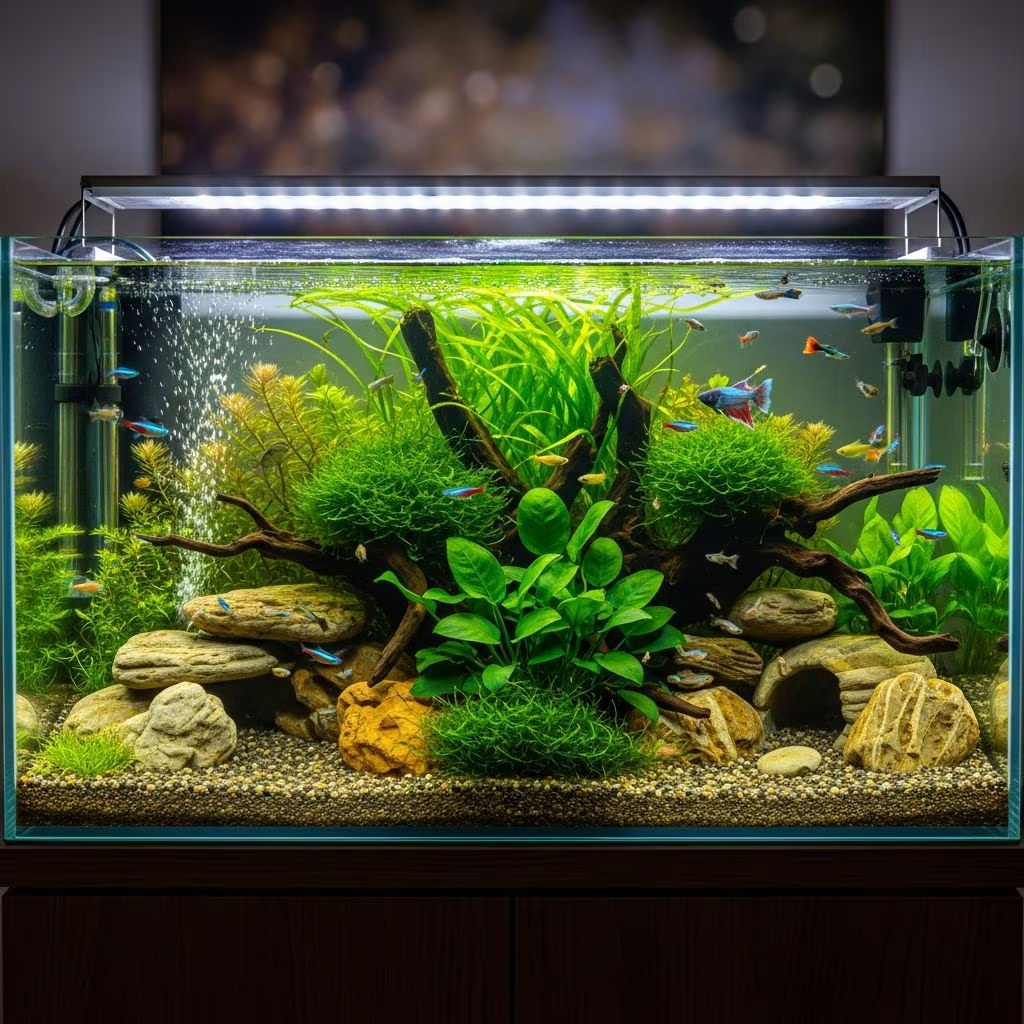
How to Set Up a Freshwater Tank: A Complete Guide for Beginners
Setting up a freshwater aquarium is an exciting opportunity to create a thriving aquatic environment for your fish. Whether you’re a complete beginner or returning to the hobby, understanding the fundamentals of tank setup is essential for long-term success. A properly established freshwater tank provides the foundation for healthy fish, vibrant plants, and a beautiful addition to any home or office space.
Choosing the Right Location for Your Aquarium
The location you select for your freshwater tank plays a crucial role in its overall success and the health of your fish. Your aquarium’s placement affects water temperature stability, equipment functionality, and the viewing experience. Before you purchase your tank, scout out the perfect spot in your home.
Select a stable, level surface: Your aquarium must sit on a hard, level surface such as an aquarium stand, kitchen counter, or sturdy piece of furniture. An uneven surface can cause stress on the glass and potentially lead to leaks or structural failure. Aquarium stands are specifically designed to distribute weight evenly and provide stability.
Consider weight capacity: A single gallon of water weighs approximately eight pounds. When you factor in the substrate, decorations, equipment, and the tank itself, a fully established aquarium can weigh nearly 10 pounds per gallon. Ensure your chosen surface and the floor beneath it can support this substantial weight without sagging or shifting.
Avoid temperature fluctuations: Keep your tank away from direct sunlight, heating vents, air conditioning units, and drafty windows. Rapid temperature changes stress fish and promote algae growth. A stable temperature environment helps maintain your heater’s efficiency and keeps fish comfortable.
Ensure convenient electrical access: Position your tank near electrical outlets so you can safely power your filter, heater, light, and air pump without running cords across walkways. Proper cord management prevents tripping hazards and water damage to electrical equipment.
Minimize foot traffic: Choose a location away from high-traffic areas where people, pets, or children might bump into the tank. This reduces stress on your fish and minimizes the risk of accidental damage to equipment or spillage.
Preparing Your Aquarium Tank
Before adding water to your new aquarium, thorough preparation ensures a clean, safe environment for your fish.
Clean and inspect the tank: Rinse out your aquarium with water only—never use soap or chemicals. Remove any dust, debris, or manufacturing residue. Carefully inspect all glass panels for cracks or imperfections. Even small cracks can worsen over time and cause leaks.
Install the aquarium background: Add any background to the back panel before filling your tank with water. Backgrounds enhance the aesthetic appeal and help reduce fish stress by creating a visual barrier. You can use adhesive solutions or mounting tape following the manufacturer’s instructions.
Position your stand: Place your aquarium stand in its permanent location and use a level tool to ensure it’s perfectly even. This is critical for filter operation and preventing structural stress on the tank.
Allow space for maintenance: Leave adequate room between the wall and your aquarium for filters, heaters, cords, and hoses. This space facilitates easier access during maintenance and water changes.
Conduct a leak test: Before adding all your water, fill the tank one-third of the way and let it sit for 15-20 minutes. Check the bottom and corners for water accumulation, which indicates a leak. If you discover any leaks, do not use this tank.
Installing Essential Equipment
Your freshwater aquarium requires several key components to maintain a healthy environment. Install equipment in the proper sequence for best results.
The Filtration System
A quality filter removes waste, circulates water, and supports beneficial bacteria growth. Install your filter according to manufacturer instructions, typically on the back or side of the tank. Position the intake tube as close to the center of the aquarium as possible for optimal water circulation. Do not turn on your filter until water is in the tank, as running it dry can damage the motor.
The Heater
Most tropical freshwater fish require water temperatures between 72-82°F. Select a heater rated for your tank size, with a general guideline of 3-5 watts per gallon. Some heaters are fully submersible while others hang on the tank edge. Always follow manufacturer instructions for proper installation. The heater should have a minimum water line marked on its body—ensure it’s fully submerged. Allow 15-20 minutes after turning on the heater for water to reach the correct temperature.
The Thermometer
Install a thermometer away from the heater in an easy-to-check location. This allows you to monitor water temperature and verify your heater is functioning correctly. A stable reading between 72-82°F indicates your system is working properly.
Lighting
Install your overhead light according to manufacturer specifications. Lighting helps you view your fish and supports plant photosynthesis if you’re keeping a planted tank. Most aquariums benefit from 8-10 hours of light daily. Adjust lighting duration to prevent excessive algae growth.
Preparing Your Substrate and Decorations
Substrate provides a foundation for your aquascape and supports beneficial bacteria colonization. Different substrate types require different preparation methods.
Rinsing traditional gravel: Standard inert gravel should be thoroughly rinsed in a colander before adding to your tank. Rinsing removes dust and debris that causes cloudy water.
Bioactive substrates: Some premium substrates contain live beneficial bacteria. Never rinse these products, as you’ll remove the beneficial microorganisms. Check your substrate packaging for specific instructions.
Substrate depth: Add 2-3 inches of substrate for planted tanks or 1-2 inches for standard setups. A deeper substrate layer supports plant root systems and provides more surface area for beneficial bacteria.
Arranging decorations: Once substrate is in place, arrange rocks, driftwood, and plants to create your desired aquascape. Take time to position these elements thoughtfully, as they’re difficult to move once the tank is full. Hardscape items create visual interest and provide hiding places for fish.
Water Preparation and Tank Filling
The quality of your water directly impacts fish health and tank stability. Proper water preparation is non-negotiable for a successful aquarium.
Condition your water: Municipal tap water contains chlorine and other chemicals harmful to fish. Add water conditioner before introducing water to your tank, following manufacturer dosing instructions. Water conditioner neutralizes harmful substances and makes tap water safe for aquatic life.
Fill your tank gradually: When adding water, pour it into a bowl or colander positioned at the tank bottom. This prevents disturbing your carefully arranged substrate and decorations. Fill the tank slowly and steadily, allowing water to settle around your hardscape.
Check water parameters: After filling, test water pH, ammonia, nitrite, and nitrate levels using quality test strips or kits. These parameters should stabilize before introducing fish. pH should typically range from 6.5-7.5 for most community freshwater fish.
The Nitrogen Cycle and Tank Cycling
Before adding fish, allow your tank to undergo the nitrogen cycle. Beneficial bacteria establish themselves in the substrate and filter, converting toxic ammonia into less harmful compounds. This cycling process typically takes 4-6 weeks. You can monitor progress using water test kits, watching ammonia and nitrite spike and then decline to zero before introducing fish.
Some aquarists use commercial bacterial starter cultures to accelerate cycling. These products introduce beneficial bacteria directly to the tank, potentially reducing cycling time to 2-3 weeks. Live plants also help cycle tanks faster by consuming excess nutrients and producing oxygen.
Introducing Fish to Your New Tank
After your tank is fully cycled and parameters are stable, you’re ready to add fish. Proper introduction reduces stress and prevents disease.
Acclimate fish gradually: When you bring fish home, float the bag in your tank for 15-20 minutes to equalize temperatures. This prevents thermal shock. After temperature equalization, slowly add small amounts of tank water to the bag over 30 minutes, allowing fish to adjust to water chemistry differences.
Reduce lighting during introduction: Dim or turn off aquarium lights when first adding fish. This helps them feel secure and less stressed during the transition to their new home.
Start with hardy species: Begin with durable fish species that tolerate slight water parameter fluctuations. Examples include tetras, danios, or corydoras catfish. Avoid delicate species until your tank is completely stable.
Follow stocking guidelines: Do not overstock your tank. A general rule is 1 inch of fish per gallon of water, though this varies by species and tank shape. Overstocking creates excess waste and poor water quality.
Cord Safety and Electrical Setup
Proper electrical management prevents water damage and ensures safety for you and your aquarium inhabitants.
Correct cord routing: Run all cords from your tank vertically down the back, allowing them to touch the ground before looping up to the electrical outlet. This orientation prevents water from running down the cord into the socket, which creates a serious electrical hazard.
Use a power strip: Plug all aquarium equipment into a power strip positioned away from the tank. This centralizes power management and makes it easier to shut down all equipment during maintenance or emergencies.
Regular inspection: Periodically check cords for damage, fraying, or deterioration. Replace damaged cords immediately to prevent electrical hazards and equipment failure.
Essential Equipment Checklist
| Equipment | Purpose | Importance |
|---|---|---|
| Aquarium Tank | Houses your fish and aquatic environment | Critical |
| Filter System | Removes waste and circulates water | Critical |
| Heater | Maintains stable water temperature | Essential (tropical fish) |
| Thermometer | Monitors water temperature | Essential |
| Lighting | Illuminates tank and supports photosynthesis | Important |
| Substrate | Supports bacteria growth and plants | Critical |
| Water Conditioner | Removes chlorine and harmful chemicals | Critical |
| Test Kit | Measures water parameters | Essential |
| Substrate Vacuum | Removes waste during maintenance | Important |
Ongoing Maintenance for Long-Term Success
Your work doesn’t end once the tank is set up. Regular maintenance keeps your aquarium healthy and your fish thriving.
Weekly tasks: Test water parameters, observe fish behavior, and perform visual inspections of equipment. Do partial water changes of 25% weekly to remove accumulated waste and maintain water quality.
Monthly tasks: Clean filter intake tubes and remove algae buildup. Test all equipment for proper function. Perform deeper substrate cleaning with a vacuum.
Seasonal tasks: Replace filter media as needed, deep clean decorations, and evaluate your stocking levels as fish grow.
Frequently Asked Questions
Q: How long should I wait before adding fish to my new tank?
A: Most tanks require 4-6 weeks to cycle before introducing fish. You can use water test kits to confirm when ammonia and nitrite levels reach zero, indicating your tank is ready.
Q: What size tank should I choose as a beginner?
A: A 20-gallon or larger tank provides better water stability and more flexibility for fish selection. Smaller tanks are harder to maintain and have less room for error in water chemistry.
Q: How often should I change the water?
A: Perform 25% water changes weekly in established tanks. During the cycling phase, you may need more frequent changes to manage ammonia and nitrite levels.
Q: Do I need special equipment for planted tanks?
A: Planted tanks benefit from additional lighting, root fertilizers, and specialized substrates, but basic equipment is the same. CO2 injection is optional for low-tech planted setups.
Q: What’s the best temperature for freshwater fish?
A: Most tropical freshwater fish thrive between 72-82°F. Specific species may have different preferences, so research your chosen fish before setting water temperature.
Q: Can I use tap water directly in my aquarium?
A: No, tap water contains chlorine and other chemicals harmful to fish. Always treat water with a quality water conditioner before adding it to your tank.
References
- Setting up a Freshwater Aquarium — PetMD. 2024. https://www.petmd.com/fish/setting-freshwater-aquarium
- How to Set Up a Low Tech Planted Aquarium for Beginners — Aquarium Co-op. 2024. https://www.aquariumcoop.com/blogs/aquarium/beginner-planted-aquarium
- Aquarium Water Chemistry Fundamentals — The Spruce Pets. 2023. https://www.thesprucepets.com/nitrogen-cycle-in-aquariums-1378381
- Fish Tank Setup Guide — Fin and Feather Publications. 2024. https://www.finandfeather.com/aquarium-setup
- Freshwater Aquarium Maintenance Best Practices — American Aquatic Association. 2023. https://americanaquatic.org/maintenance



