

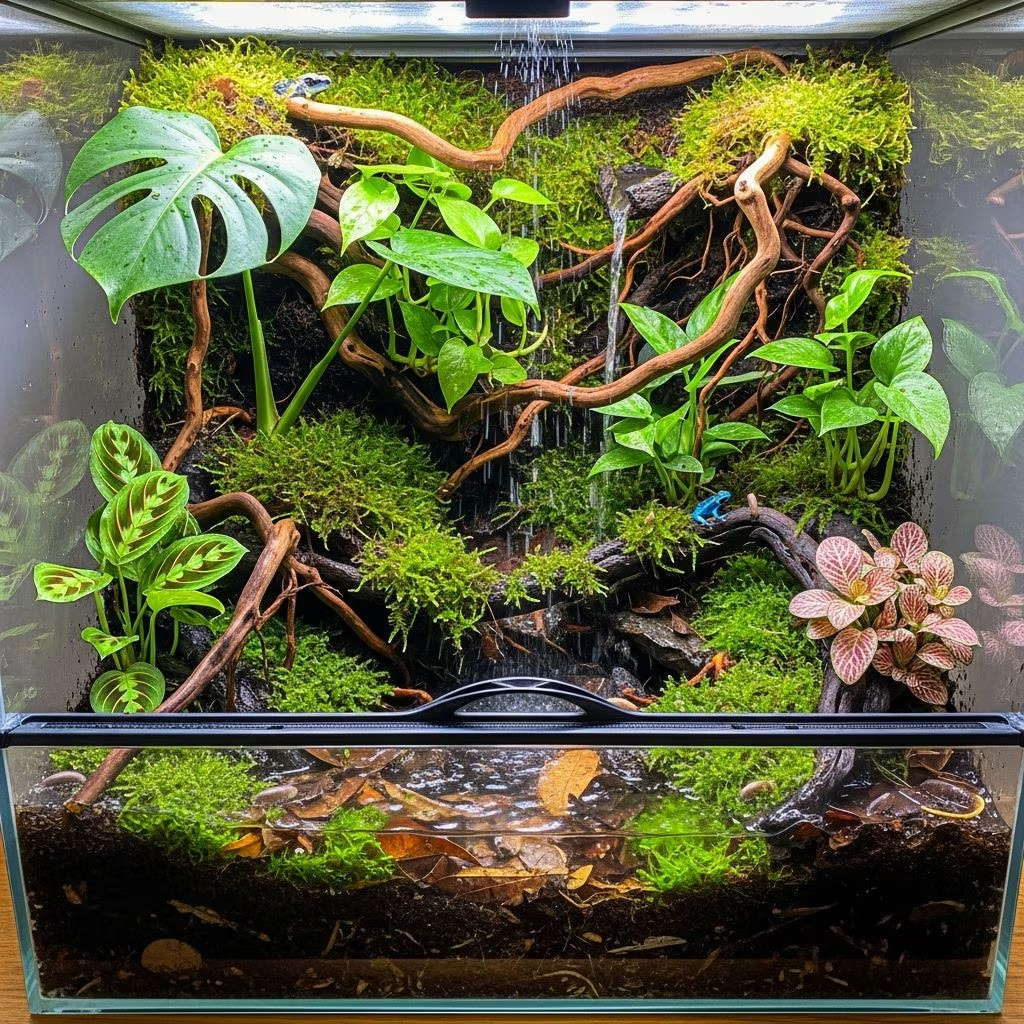
How to Set Up a Bioactive Terrarium
A bioactive terrarium represents one of the most advanced and rewarding approaches to reptile and amphibian husbandry. Unlike traditional terrariums that require frequent cleaning and maintenance, a bioactive setup functions as a closed ecological system where beneficial microorganisms and cleanup crews work together to break down waste and recycle organic material naturally. This creates a self-sustaining environment that not only reduces your workload but also provides enrichment and natural behaviors for your pets.
Setting up a bioactive terrarium requires careful planning and understanding of how each layer and component works together. Whether you’re keeping tropical species like crested geckos or arid-dwelling bearded dragons, the fundamental principles remain the same: establish proper drainage, use quality substrate, introduce beneficial organisms, and maintain appropriate environmental conditions. Let’s explore each step in detail.
Step 1: Choosing the Right Terrarium Size and Type
The foundation of any successful bioactive setup begins with selecting an appropriately sized terrarium that matches your species’ requirements. Bigger tends to be better when it comes to bioactive environments, as larger enclosures provide more stable microclimates and better support for the ecosystem. However, the size must still be proportional to your pet’s needs.
Consider whether your reptile is arboreal (tree-dwelling) or terrestrial (ground-dwelling). Arboreal species like crested geckos require tall, vertical tanks to provide climbing opportunities, while terrestrial species like bearded dragons prefer horizontal enclosures with more floor space. Research your specific species’ requirements before selecting your terrarium, as improper housing is one of the leading causes of health problems in exotic pets.
Additionally, ensure your terrarium has proper ventilation to prevent stagnant air and excess humidity buildup, which can lead to respiratory issues and fungal growth. The enclosure should be sturdy enough to support the weight of substrate, decorations, and equipment, especially for larger setups.
Step 2: Installing the Drainage Layer
The drainage layer is critical to preventing waterlogging and maintaining a healthy bioactive environment. This layer sits at the bottom of your terrarium and allows excess water to drain away from the substrate, preventing root rot and the development of anaerobic (oxygen-free) conditions that can harm your cleanup crew and plants.
For the drainage layer, you have several material options:
- LECA clay balls (Lightweight Expanded Clay Aggregate) – These are lightweight, water-retentive, and ideal for larger setups where weight is a consideration. They also provide good surface area for beneficial microbes to colonize.
- Lava rocks – Excellent for drainage and lightweight, making them suitable for bioactive enclosures of various sizes.
- Gravel or pea gravel – Budget-friendly options that work well for drainage, though heavier than clay balls.
- Hydrotons – Small clay pellets specifically designed for hydroponic systems that work well in bioactive terrariums.
Apply a layer approximately one inch deep across the bottom of your terrarium. For enhanced bioactivity, consider soaking these materials with water from an established animal tank filter to introduce beneficial bacteria and microorganisms from the start. Once the drainage material is in place, lay a mesh screen on top to separate it from the substrate layer, preventing substrate particles from clogging the drainage system.
Step 3: Adding the Substrate Layer
The substrate layer is the heart of your bioactive system, supporting plant growth while providing an ideal environment for beneficial microorganisms and your cleanup crew. A well-balanced bioactive substrate must have excellent water retention for plant roots and microbial colonies, while maintaining proper aeration to prevent anaerobic conditions.
For tropical bioactive terrariums, a typical substrate mixture includes:
- Plantation soil or organic topsoil as the base
- Coconut husk for water retention and organic matter
- Forest moss to help retain moisture and provide structure
- Charcoal for its high surface area, which microbes use for colonization and feeding
- Earthworm castings to provide easily digestible organic matter as a fuel source for your cleanup crew
- Orchid bark for both organic content and structural support
For arid-dwelling species like bearded dragons, modify your substrate mixture to:
- 50% peat moss for moisture retention
- 10-15% organic topsoil for nutrients
- Remaining portion play sand for drainage and an arid appearance
- A top layer of desert-specific stones or gravel to maintain substrate integrity
Apply at least 3-4 inches of substrate depth to allow plants to take root and provide hiding spaces for springtails and isopods. If your species is known to burrow, consider adding additional substrate depth to accommodate this natural behavior. The substrate should be moist enough to hold its shape when squeezed, similar to a wrung-out sponge.
Step 4: Creating Hardscape Elements
Hardscape refers to the non-living structural elements like wood, rocks, caves, and branches that form the physical landscape of your terrarium. These elements serve multiple purposes: they provide hiding spots, climbing opportunities, visual enrichment, and create microhabitats within the enclosure.
When selecting hardscape materials, choose pieces that mimic your reptile’s natural habitat:
- For arboreal species – Vertical branches, cork bark, and climbing structures create a naturalistic canopy environment
- For terrestrial species – Horizontal logs, flat rocks, and ground-level caves provide resting areas and hiding spots
- For semi-aquatic species – Cork platforms, river rocks, and piece that transition from water to land
Ensure all wood is safe for terrarium use, avoiding toxic varieties. Manzanita wood, grape wood, and cork bark are excellent choices. You can also incorporate commercial decorations like caves, hollow logs, and moss-covered structures. These hardscape elements become anchors for your living plants and provide attachment points for moss and climbing vegetation.
Step 5: Introducing Live Plants and Mosses
Live plants are essential components of a bioactive terrarium, not merely decorative additions. They play a vital role in the ecosystem by contributing to the oxygen-carbon dioxide cycle, absorbing excess moisture, and providing shelter and foraging opportunities for your pets.
Select plants appropriate for your terrarium’s specific lighting, temperature, and humidity conditions:
For tropical, high-humidity terrariums:
- Pothos (Devil’s Ivy) – Hardy, easy to care for, and excellent at absorbing excess moisture
- Philodendrons – Thrive in humid conditions and provide good foliage coverage
- Sphagnum moss – The best natural material for water retention and humidity maintenance
- Java moss – Low-light tolerant and excellent for moisture maintenance
For arid, low-humidity terrariums:
- Succulents – Require minimal water and thrive in bright, dry conditions
- Spider plants – Drought-tolerant and provide visual structure
- Snake plants – Low-maintenance and suitable for arid environments
Plant your selections directly into the substrate or in small pots that can be placed throughout the terrarium. Arrange plants to create visual interest while allowing your pet adequate space for movement and thermoregulation. Strategic placement of sphagnum moss in areas that tend to dry out helps maintain moisture balance.
Step 6: Setting Up Heating and Humidity Control
Proper temperature and humidity are crucial for both your pet’s wellbeing and the health of your bioactive ecosystem. Different species have specific requirements, so research your particular animal’s needs before finalizing these systems.
Heating Options:
- Heat mats – Placed under the terrarium to create a warm area for species that require ground-level warmth
- Heat lamps – Provide both warmth and visible light, ideal for basking species
- Ceramic heaters – Emit infrared heat without visible light, suitable for nocturnal species
Always use a thermostat to regulate temperature and prevent overheating. Proper temperature gradients allow your pet to thermoregulate by moving between warmer and cooler areas of the enclosure.
Humidity Control:
Control humidity through regular misting, using automated misting systems like the Exo Terra Monsoon for consistent moisture levels. The substrate composition and live plants naturally help maintain humidity in tropical setups, while adequate ventilation prevents excess moisture in arid terrariums. Monitor humidity levels with a reliable hygrometer to ensure they remain within your species’ requirements.
Step 7: Installing Appropriate Lighting
Lighting serves two critical functions in a bioactive terrarium: supporting plant photosynthesis and providing necessary light components for your reptile’s health. Different species require different lighting spectra and durations.
When selecting lighting, consider these components:
- Visible light – Essential for plant growth and natural day-night cycles
- UVB light – Critical for calcium metabolism and preventing metabolic bone disease in most reptiles (10% UVB for tropical species, up to 12% for desert species)
- UVA light – Promotes natural behaviors and provides visual spectrum enhancement
- Infrared light – Provides gentle heating and is preferred by some nocturnal species
Research your specific species’ lighting requirements and photoperiod (daily light exposure duration). Most terrarium species benefit from 10-12 hours of appropriate lighting daily. Use full-spectrum LED or fluorescent bulbs mounted at appropriate distances to ensure effective UVB penetration without causing overheating.
Step 8: Adding the Cleanup Crew
The cleanup crew consists of bioactive organisms that break down waste, recycle organic material, and maintain ecosystem balance. This is what truly makes your terrarium “bioactive.”
Essential cleanup crew members include:
- Springtails (Collembola) – Tiny arthropods that consume mold, fungi, and decaying plant matter. Temperate white springtails are the most reliable terrarium species and require no special accommodation beyond the plants providing their food and oxygen in a healthy terrarium.
- Isopods – Including species like Porcellio scaber or Armadillidium nasatum, these pill bugs and sow bugs are larger cleanup crew members that consume larger pieces of waste and provide additional bioactivity
- Beneficial bacteria and fungi – While not visible organisms, these microorganisms are essential for nutrient cycling and soil health
Introduce your cleanup crew only after your terrarium has been established for 2-4 weeks, allowing the ecosystem to stabilize and bioactive organisms to colonize the substrate. Start with a modest population, which will naturally expand as food sources become available.
Important Considerations and Best Practices
Advantages of Bioactive Terrariums:
- Reduced maintenance – Less frequent complete cleanings required
- Natural waste decomposition through ecosystem processes
- Enriched environment promoting natural behaviors
- Increased plant and microbial diversity creates visual interest
- Self-regulating humidity and temperature microclimates
Disadvantages and Limitations:
- Higher initial setup cost compared to traditional terrariums
- Cannot be sterilized, making them unsuitable for ill or quarantined animals
- Potential for pest outbreaks if not properly monitored
- Requires more initial research and planning
- Takes several weeks to establish before introducing pets
Common Mistakes to Avoid
When setting up a bioactive terrarium, avoid these frequent pitfalls: neglecting the drainage layer and causing waterlogging, using incorrect substrate ratios that prevent proper water retention or drainage, introducing the cleanup crew too early before the ecosystem establishes, choosing inappropriate plants for your lighting conditions, and failing to research species-specific requirements before setup.
Frequently Asked Questions
Q: How long does it take to establish a bioactive terrarium before adding reptiles?
A: Most bioactive terrariums require 2-4 weeks to establish before introducing your reptile pet, allowing beneficial microorganisms to colonize the substrate and plants to begin growing. This stabilization period ensures a healthy, balanced ecosystem.
Q: Can I use a bioactive setup for sick or quarantined reptiles?
A: No, bioactive terrariums cannot be sterilized due to their living components. Sick animals or those requiring quarantine need traditional, easily sanitizable enclosures to prevent cross-contamination and allow for medical treatment.
Q: Do I still need to provide UVB lighting in a bioactive terrarium?
A: Yes, absolutely. While plants benefit from visible light and contribute to the ecosystem, your reptile still requires appropriate UVB lighting for calcium metabolism and overall health. Research your specific species’ UVB requirements.
Q: What should I do if pests appear in my bioactive terrarium?
A: Minor pest outbreaks often self-regulate within established bioactive ecosystems as predatory cleanup crew members control populations. However, significant infestations may require intervention, such as removing affected substrate sections or temporarily relocating your pet to a clean enclosure.
Q: How often should I mist or water a bioactive terrarium?
A: Frequency depends on your species’ humidity requirements and substrate composition. Monitor your hygrometer and mist as needed to maintain appropriate levels. Many tropical setups require daily misting, while arid setups need less frequent watering.
Q: Can different reptile species share a bioactive terrarium?
A: Most reptile species should not be housed together due to territorial behaviors, stress, and different environmental requirements. Research your species carefully, as most experts recommend individual housing for optimal health and safety.
References
- How to set up a bioactive terrarium — Exo Terra Academy. 2024. https://exo-terra.com/explore/academy/bioactive/how-to-set-up-a-bioactive-terrarium/
- Bioactive Enclosures – Creating a Tiny Ecosystem — Pri Web. 2024. https://www.priweb.org/blog-post/bioactive-enclosures
- How To Make a Bioactive Terrarium — Exotic Pet Vet. 2019. https://exoticpetvet.home.blog/2019/07/27/how-to-make-a-bioactive-terrarium/
- How to Make a Bioactive Terrarium (Or Vivarium) – DIY Guide — Terrarium Tribe. 2024. https://terrariumtribe.com/bioactive-terrarium/



