

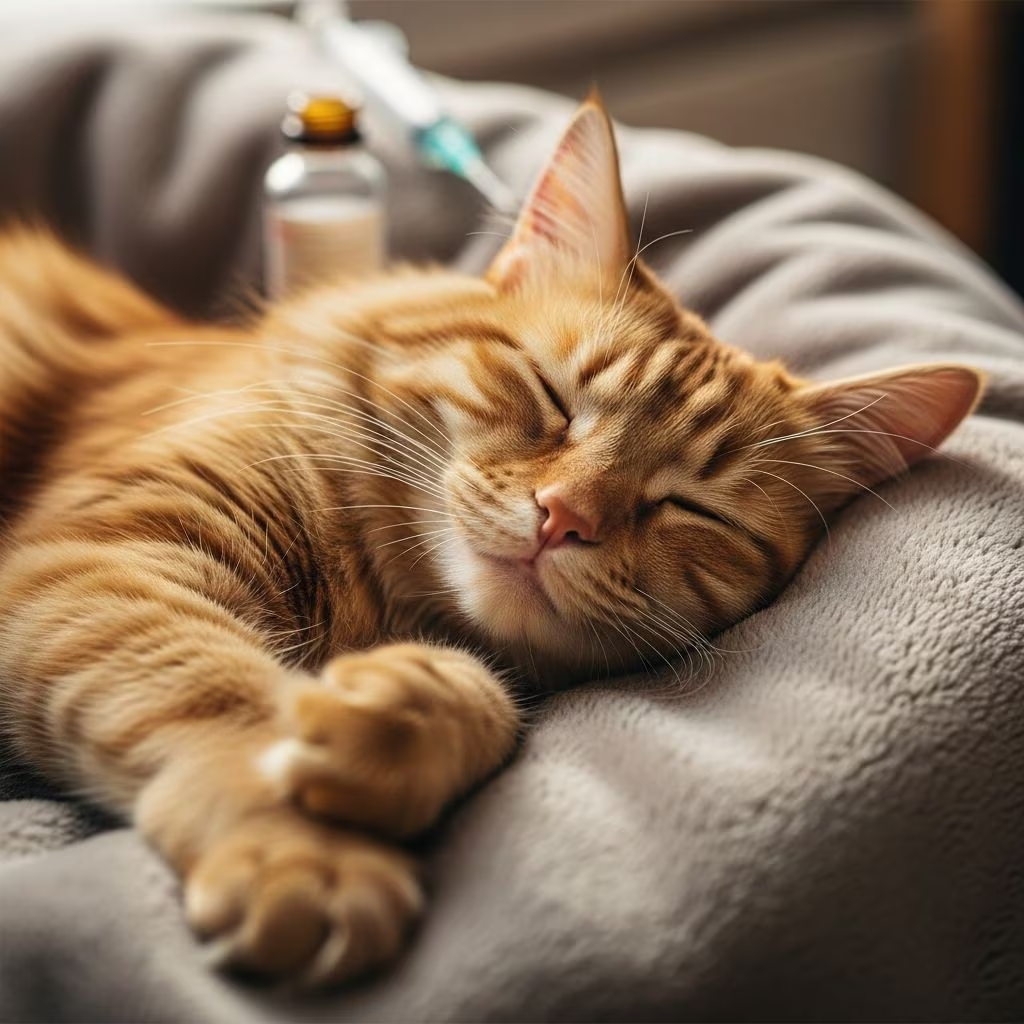
Sedating a cat is often necessary for stressful situations like veterinary exams, grooming, nail trims, travel, or minor procedures to reduce anxiety and ensure safety. However, sedation must be approached cautiously due to potential risks, especially in cats where anesthesia-related mortality can reach 0.24%. Always consult a veterinarian before attempting any sedation, as improper use can lead to complications like respiratory depression or hypotension.
Why Do Cats Need Sedation?
Cats frequently experience high stress in unfamiliar environments, leading to aggression, hiding, or escape attempts. Sedation helps calm them during:
- Veterinary visits and diagnostic procedures like X-rays or blood draws.
- Grooming sessions, including bathing, brushing, or nail clipping.
- Travel by car, plane, or long trips to prevent motion sickness and panic.
- Home treatments for wounds, ear cleaning, or medication administration.
- Minor surgeries or dental work under light sedation rather than full anesthesia.
Procedural sedation and analgesia (PSA) is common in feline practice but carries risks, particularly in senior, pediatric, or ill cats. A thorough pre-sedation evaluation, including bloodwork, helps mitigate dangers like hypotension or hypothermia.
Risks and Complications of Cat Sedation
While sedation is generally safe, cats have a higher anesthetic death risk than dogs (0.24% vs. 0.17%). Key risks include:
- Respiratory depression or apnea, especially with rapid bolus injections like propofol.
- Hypotension and hypothermia, common with alpha-2 agonists or acepromazine in hypovolemic cats.
- Aspiration pneumonia if not fasted properly, as anesthetized cats lose swallowing reflexes.
- Cardiac issues like arrhythmias or bradycardia in breeds like Himalayans due to brachycephalic airways.
- Post-anesthetic kidney dysfunction in 0.9-2.0% of cases, reduced by IV fluids.
Factors increasing mortality: extremes in age/body weight, underlying diseases (heart/kidney), and certain breeds. Primary causes of death include cardiovascular collapse (38%), respiratory issues (25%), and overdoses. Monitoring vital signs, oxygen supplementation, and fluid therapy (3-5 ml/kg/h) are essential.
| Risk Factor | Impact on Cats | Mitigation |
|---|---|---|
| Age extremes (senior/pediatric) | Prolonged recovery, poor thermoregulation | Pre-anesthetic bloodwork, warming support |
| Hypovolemia/dehydration | Hypotension with acepromazine | Avoid certain drugs, IV fluids |
| Brachycephalic breeds | Airway obstruction | Intubation if needed |
| Rapid IV boluses | Apnea (propofol) | Slow administration, oxygen |
Should You Sedate Your Cat at Home?
Home sedation is tempting for minor tasks but risky without professional oversight. Over-the-counter options lack dosing precision for cats’ unique metabolism, potentially causing overdose. Vets recommend against it unless prescribed, as complications like organ failure or seizures can occur. Safer alternatives exist, but for anything beyond mild calming, seek vet guidance to weigh benefits against 1-in-1,000 fatal risk in healthy cats.
Types of Cat Sedation Methods
Sedation ranges from mild calming aids to injectable anesthetics. Choices depend on procedure duration, cat’s health, and analgesia needs.
Prescription Medications
- Acepromazine: Phenothiazine tranquilizer; avoids in hypotensive cats due to alpha-blockade.
- Alpha-2 agonists (dexmedetomidine): Provide sedation and analgesia but cause vasoconstriction; reverse with atipamezole.
- Opioids (butorphanol): Mild sedation, anti-nausea; combined with others.
- Propofol/Alfaxalone: IV induction; alfaxalone may cause injection pain at high volumes.
- Gabapentin/Benzodiazepines: Oral pre-med for anxiety; short-acting.
Over-the-Counter Options
Use cautiously; efficacy varies.
- Antihistamines like Benadryl (diphenhydramine): 1-2 mg/lb orally, but monitor for paradoxic excitation.
- Herbals: Valerian or chamomile supplements.
Veterinary Sedation Protocols
Common combos: Dexmedetomidine + butorphanol IM for short procedures; monitor for bradycardia. Full anesthesia for invasives offers better airway control.
Natural and Non-Drug Alternatives to Sedation
Prefer these for mild anxiety to avoid risks.
- Feliway pheromones: Synthetic facial pheromones mimic calming scents; spray or diffuser.
- Calming treats/supplements: L-theanine, tryptophan, or CBD (vet-approved doses).
- Environmental management: Towel wraps, quiet rooms, familiar carriers.
- Behavior training: Desensitization with positive reinforcement for handling.
- Acupressure/massage: Gentle techniques to relax muscles.
IV fluids during procedures reduce kidney risks.
How to Safely Sedate a Cat: Step-by-Step Guide
- Consult vet: Discuss health history, get prescription if needed.
- Pre-sedation prep: Fast 8-12 hours (water ok), bloodwork for seniors.
- Choose method: Oral for home, injectable at clinic.
- Administer calmly: In carrier; hide pills in treats.
- Monitor: Watch breathing, temp, gums; have reversal agents ready.
- Recovery: Warm, quiet space; no food until alert.
When to Call the Vet for Sedation
Seek professional help if your cat has health issues, is aggressive, or for anything beyond grooming. Indicators: Known heart/kidney disease, pregnancy, age extremes. Vets customize protocols, provide monitoring, and ensure safety—benefits outweigh risks only then.
Frequently Asked Questions (FAQs)
Is it safe to sedate my cat at home?
Not recommended without vet approval due to overdose risks and complications like apnea.
What is the safest way to sedate a cat for travel?
Use vet-prescribed gabapentin or pheromone diffusers; avoid OTC without guidance.
How long does cat sedation last?
Varies: 30-60 min for orals, 1-4 hours for injectables; full recovery 24 hours.
Can I use Benadryl to sedate my cat?
Possible at 1 mg/lb, but consult vet—may cause excitation instead.
What are signs of sedation overdose in cats?
Shallow breathing, blue gums, hypothermia, seizures—seek emergency care.
References
- Feline procedural sedation and analgesia: When, why and how — PMC/NCBI. 2024. https://pmc.ncbi.nlm.nih.gov/articles/PMC10814218/
- Cat Anesthesia — Cobblestone Veterinary Hospital. 2023. https://www.cobblestone.vet/services/cats/cat-anesthesia
- Anesthesia for Cats — VCA Animal Hospitals. 2024. https://vcahospitals.com/know-your-pet/anesthesia-for-cats



