

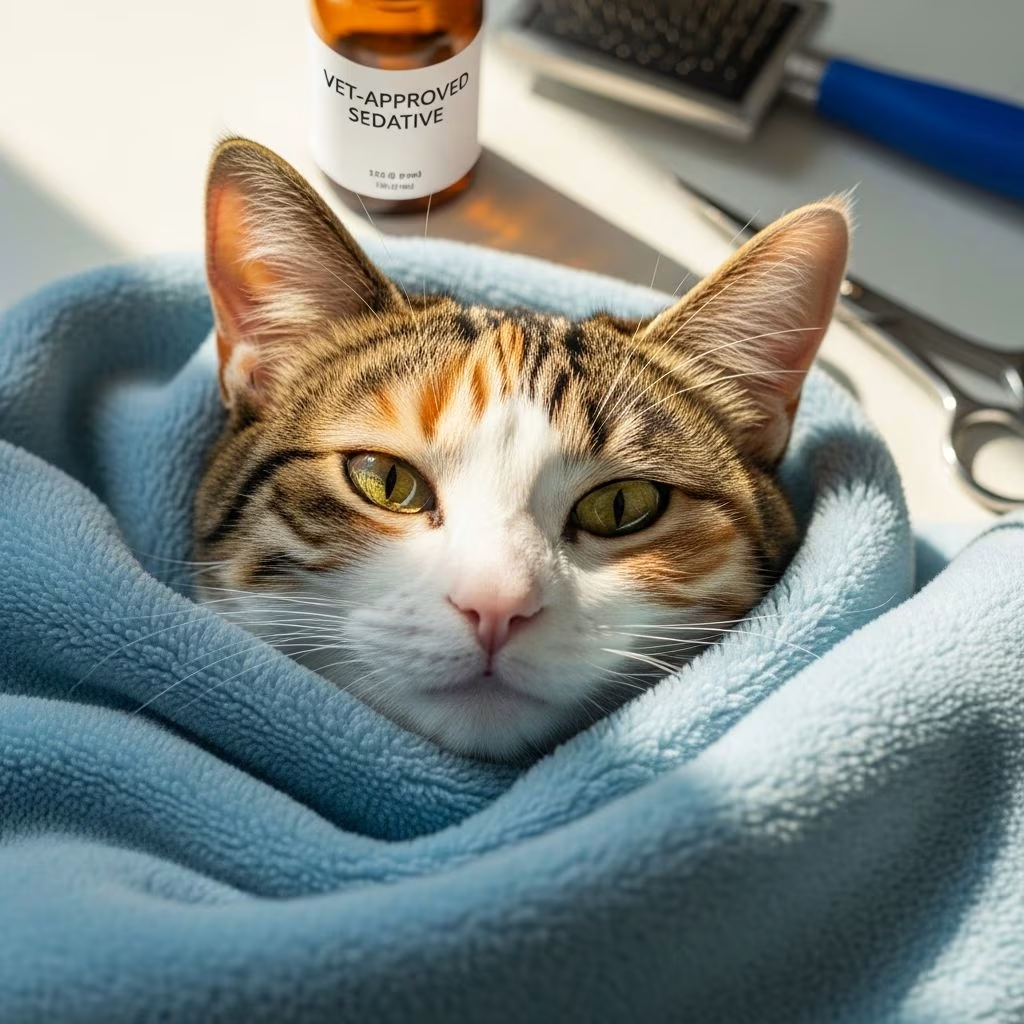
Many cats resist grooming due to discomfort from matted fur or sensitivity, especially long-haired breeds or those with mobility issues like arthritis. Sedation helps create a calm environment for safe grooming, preventing stress, scratches, or injury to both cat and owner. Always consult a veterinarian before any sedation to tailor the approach to your cat’s health.
Grooming maintains coat health, reduces skin irritation from tangles, and promotes overall well-being. For reluctant cats, three primary methods exist: sedative medications, non-medicated calming options, and general anesthesia under veterinary supervision.
The 3 Methods on How to Sedate a Cat for Grooming
These vet-approved strategies range from prescription drugs to natural aids and full anesthesia, allowing flexibility based on your cat’s needs and anxiety level.
1. Sedative Medication
Sedative medications offer a humane solution for highly anxious cats, enabling grooming at home or in-clinic. Veterinarians prescribe options like gabapentin, a common sedative for grooming, travel, or vet visits, which is generally safe for healthy cats.
Before administration, discuss your cat’s medical history, age, weight, and any conditions with the vet. They may recommend oral tablets, liquids, or injectables dosed specifically. For home use, give the medication 1-2 hours prior to grooming, monitoring for side effects like drowsiness or imbalance.
- Pros: Effective for severe anxiety; allows thorough grooming of mats.
- Cons: Requires vet prescription; potential side effects like lethargy.
- Best for: Cats with extreme fear or aggression during handling.
At facilities like vet clinics or pet care centers, sedated grooming includes shave-downs, nail trims, and ear cleaning under monitoring, ideal for pets with matted fur or skin issues. Post-sedation recovery involves a quiet space and owner instructions for home care.
2. Non-Medicated Options
For mildly anxious cats accustomed to some handling, non-pharmacological aids promote relaxation without drugs. These are safer for ongoing use and can be combined for better results.
Cat Calming Treats: Formulated with hydrolyzed milk protein, L-tryptophan, B vitamins, and L-theanine, these chews reduce stress effectively and safely. Offer 30-60 minutes before grooming.
Popular Plants: Catnip, valerian root, or silver vine trigger positive responses in many cats, releasing feel-good endorphins. Test your cat’s reaction first, as responses vary.
Pheromone Diffusers: Products like Feliway mimic facial pheromones cats release when marking safe territories, promoting calm within 10-15 feet of the plug-in device.
Calming Sprays: Spray Feliway or similar on grooming surfaces like tables or towels for targeted relief.
- Start sessions in a quiet room with familiar scents.
- Use treats to build positive associations over time.
- Consult vets for personalized recommendations via services like online consultations.
Advanced techniques like TANDEM grooming use dual groomers with natural positioning to minimize stress, removing even severe mats without sedation. Towel wraps or grooming loops (never neck-only) provide gentle restraint.
3. General Anesthesia
Reserved for extreme cases like severely matted rescue cats or those with complications such as flystrike or torn skin, general anesthesia allows complete grooming without distress. Performed only by vets, it ensures safety through monitoring.
During anesthesia, groomers perform practical tasks: full shave-downs, nail trims, and ear cleans—but not baths or intricate styles, as the cat lies on its side. Vital signs are continuously monitored, with recovery in a controlled environment.
- Ideal scenarios: Heavy matting causing pain; post-surgical cats unable to self-groom.
- Risks: Requires fasting; vet oversight essential.
- Benefits: Pain-free removal of problematic fur; long-term comfort.
A well-groomed coat prevents infections and discomfort, making anesthesia a worthwhile investment for neglected felines.
Who Benefits from Sedated Grooming?
Sedation suits various cats:
- Anxious or fearful during brushes/nail trims.
- Aggressive or reactive to tools/noise.
- Senior cats with arthritis limiting self-grooming.
- Long-haired breeds prone to mats (e.g., Persians).
- Rescues with neglected, embedded fur.
| Method | Best For | Duration of Effect | Vet Required? |
|---|---|---|---|
| Sedative Medication | Severe anxiety | 2-6 hours | Yes (prescription) |
| Non-Medicated | Mild stress | 30 min-2 hours | No, but advised |
| General Anesthesia | Extreme cases | Full procedure | Yes (administered) |
Alternatives to Sedation: Low-Stress Techniques
Before sedation, try behavior-based methods. National Cat Groomers Institute emphasizes understanding feline body language over restraints.
- Towel Techniques: Burrito-wrap for security; use as distraction.
- Groomer Body Support: Use arms, lap, or knees to cradle; always support full weight.
- Assistants: Trained helpers for multi-cat handling.
- Feline Form Grooming: Precision clipping with natural posture for mat removal in minutes.
Gradual desensitization—short, positive sessions with rewards—often reduces future needs for sedation.
Preparing Your Cat for Sedated Grooming
Success starts with prep:
- Schedule vet check-up for health clearance.
- Fast if anesthesia planned (vet instructions).
- Create calm pre-grooming routine: play, then treat.
- Transport in covered carrier with familiar blanket.
- Post-care: Quiet recovery, hydration, monitor appetite.
Risks and Safety Considerations
All methods carry minimal risks when vet-guided. Medications may cause temporary ataxia; anesthesia needs monitoring for breathing/heart rate. Non-medicated options rarely cause issues but test for allergies. Never use human sedatives or unverified products. High-risk cats require veterinary oversight.
Frequently Asked Questions (FAQs)
What is the safest way to sedate a cat for grooming?
The safest method depends on your cat; vets often start with non-medicated aids like Feliway, escalating to gabapentin or anesthesia if needed.
Can I sedate my cat at home without a vet?
Only use vet-prescribed medications; non-medicated options are fine, but consult for advice.
How long does cat sedation last for grooming?
Typically 2-6 hours for meds; non-medicated 30 minutes to 2 hours; anesthesia matches procedure time.
Is general anesthesia safe for grooming?
Yes, when vet-administered with monitoring, especially for painful matting.
What if my cat hates grooming even with calming aids?
Opt for professional sedated grooming or low-stress techniques like TANDEM.
Veterinarians guide the best sedation for stress-free grooming, ensuring a healthy, comfortable coat. Regular maintenance prevents future issues.
References
- How to Sedate a Cat for Grooming: 3 Vet-Approved Methods — Catster. 2023. https://www.catster.com/cat-health-care/how-to-sedate-a-cat-for-grooming/
- Sedated Grooming for Pets in Andover, KS — Kutter Pet Care Center. 2024. https://kutterpetcare.com/service/sedated-grooming/
- Sedation Alternatives at TANDEM Cat Grooming — Cats in the City. 2023. https://catsinthecity.com/sedation-alternatives-at-tandem/
- The Ins and Outs of a Sedated Grooming — Lone Tree Veterinary. 2023. https://www.lonetreevet.com/blog/the-ins-and-outs-of-a-sedated-grooming/
- Using Restraints on Cats — National Cat Groomers Institute. 2024. https://nationalcatgroomers.com/blogs/cat-grooming-training/using-restraints-on-cats
- Cat Sedatives: When and How to Use Them — Bond Vet. 2023. https://bondvet.com/blog/cat-sedative



