

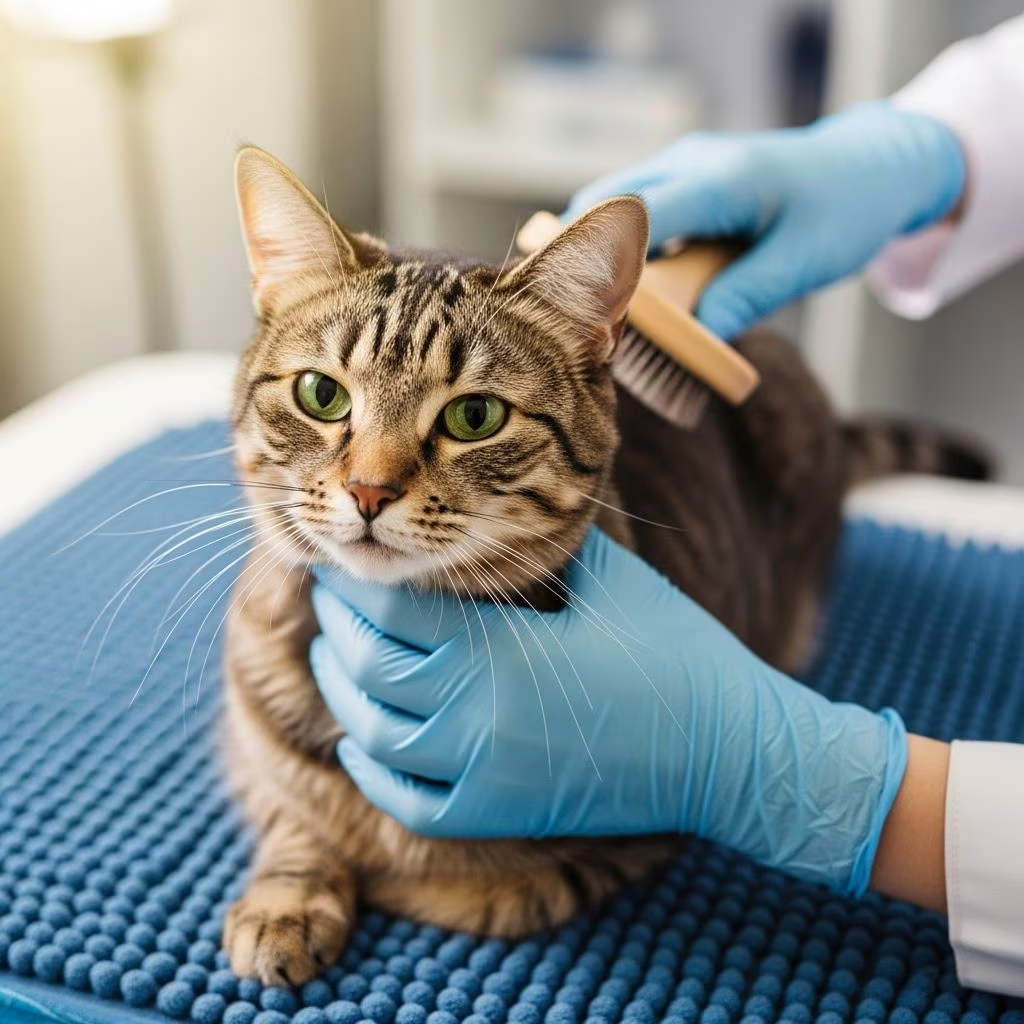
Some cats resist grooming due to discomfort from long fur, mats, or health issues like arthritis, making sedation necessary for safety and comfort. This guide covers three vet-approved methods to sedate a cat for grooming, emphasizing risks, alternatives, and best practices to ensure a stress-free experience.
Why Sedation Might Be Needed for Cat Grooming
Grooming is essential for cats with long hair or those unable to self-groom due to age, injury, or illness. Matted fur can cause skin irritation, infections, or painful tugging. An uncooperative cat risks injury from sharp tools like clippers, and groomers face scratches or bites. Sedation helps create a calm environment, but it’s not always the first choice due to potential health risks.
Cats metabolize sedatives variably, influenced by age, health, and environment, increasing complication risks outside veterinary settings. Professional groomers often refuse sedated cats without vet supervision, as they lack medical training for emergencies. Regular, gentle grooming from kittenhood can prevent the need for sedation in many cases.
The 3 Methods on How to Sedate a Cat for Grooming
Veterinarians recommend starting with the least invasive options. Always consult a vet before administering any sedative to tailor it to your cat’s needs, weight, and health history.
1. Sedative Medication
Sedative medications are prescribed for cats that become highly stressed or aggressive during grooming. Common options include gabapentin, a mild sedative safe for short-term use in healthy cats for grooming, travel, or vet visits. Vets may also prescribe benzodiazepines or other anti-anxiety drugs.
- Administration: Give orally 1-2 hours before grooming. Dosage is weight-based, typically 5-20 mg/kg for gabapentin.
- Pros: Effective relaxation without full unconsciousness; allows home grooming.
- Cons: Side effects like drowsiness, ataxia (wobbliness), or vomiting; not suitable for cats with liver/kidney issues.
- Best for: Mild to moderate anxiety. Administer at home or take to a vet for supervised grooming.
Never use over-the-counter human sedatives, as they can be toxic to cats. A vet visit ensures the right prescription and monitors for adverse reactions.
2. Non-Medicated Options
Non-medicated calming aids mimic natural cat relaxants, offering sedation-like effects without drugs. These are ideal first-line options for mild stress.
- Herbal Supplements and Plants: Catnip, valerian root, or silver vine trigger euphoria in many cats. Use toys, sprays, or treats infused with these. About 70-80% of cats respond positively to catnip.
- Pheromone Products: Feliway diffusers or sprays release synthetic facial pheromones, signaling safety. Plug in 30-60 minutes before grooming; effects last hours within 10-15 feet.
- Calming Treats/Collars: Contain L-theanine, chamomile, or tryptophan. Start days in advance for cumulative effects.
- Environmental Aids: Play soothing music, use towel wraps (burrito method), or groom in a quiet, familiar space.
Consult a vet for product recommendations, especially if combining with meds. These options reduce stress by 50-70% in responsive cats, per veterinary reports.
3. General Anesthesia
General anesthesia is reserved for severe cases, like heavily matted rescue cats or those with painful conditions (e.g., flystrike). Performed only by vets, it induces full unconsciousness for safe, thorough grooming.
- Process: Pre-anesthetic bloodwork checks health; IV catheter for fluids/meds; monitoring of heart rate, oxygen, and temperature.
- Grooming Scope: Limited to shave-down, nail trims, ear cleaning—no baths or precise styling, as the cat lies on its side.
- Pros: Pain-free for severe matting; emergency care available.
- Cons: Higher risks (respiratory issues, hypothermia); recovery time 24-48 hours; costlier ($200-500+).
Anesthesia is justified when mats cause skin tears or infections, prioritizing welfare over stress.
Risks and Safety Considerations of Sedating Cats for Grooming
Sedation carries risks amplified in non-vet settings. Cats’ sensitive systems can react unpredictably to dosages, with seniors or ill cats at higher risk for respiratory depression or overdose.
| Risk | Description | Mitigation |
|---|---|---|
| Over-sedation | Excessive drowsiness or breathing issues | Vet-prescribed doses; monitoring |
| Injury During Grooming | Sharp tools on wobbly cat; groomer bites | Vet clinic only; trained staff |
| Post-Sedation Complications | Choking on vomit; hypothermia | Recovery area; warmth |
| Metabolic Variability | Dosage ineffective one day, toxic next | Consistent vet oversight |
Groomers emphasize: No sedation without vet involvement. Alternatives like TANDEM grooming use natural positioning and dual groomers for low-stress shaves without drugs.
Alternatives to Sedation for Cat Grooming
Preventive strategies often eliminate sedation needs:
- Desensitization Training: Short, daily sessions with treats; start with brushing favorites spots.
- Restraint Techniques: Grooming loops (leg + neck, never neck-only); body support using groomer’s lap/knee; avoid scruffing except briefly.
- Low-Stress Handling: Feline Form methods respect natural posture; two-groomer teams for efficiency.
- Regular Maintenance: Weekly brushing prevents mats; professional grooming quarterly.
These reduce stress hormones by up to 60%, fostering positive associations.
When to Consult a Vet for Sedation Grooming
Seek vet advice if your cat scratches excessively, shows pain, or has chronic mats. Discuss history, allergies, and meds. Online services like PangoVet offer quick consults. For sedated grooms, vet clinics provide full services with monitoring.
Frequently Asked Questions (FAQs)
Q: Is it safe to sedate my cat at home for grooming?
A: Mild sedatives like gabapentin can be safe at home if vet-prescribed, but monitor closely. Severe cases require clinic supervision.
Q: What are the best natural sedatives for cats?
A: Catnip, valerian, Feliway pheromones, and L-theanine treats work for many cats without drugs.
Q: How much does vet sedation grooming cost?
A: $200-500, covering anesthesia, grooming, and monitoring—higher than standard but safer for complex cases.
Q: Can all groomers handle sedated cats?
A: No; many refuse due to risks. Choose vet-affiliated groomers.
Q: How to prevent needing sedation in the future?
A: Habituate kittens early; maintain routines; use positive reinforcement.
Conclusion
Sedating a cat for grooming requires careful consideration of methods, risks, and alternatives. Vet-approved options like medications, pheromones, and anesthesia ensure safety, but prevention through training is ideal. Prioritize your cat’s health for comfortable, mat-free coats.
References
- Sedation Alternatives at TANDEM Cat Grooming — TANDEM Cat Grooming. 2023. https://catsinthecity.com/sedation-alternatives-at-tandem/
- Cat Sedatives: When and How to Use Them — Bond Vet. 2024-05-15. https://bondvet.com/blog/cat-sedative
- The Ins and Outs of a Sedated Grooming — Lone Tree Veterinary Hospital. 2023-08-10. https://www.lonetreevet.com/blog/the-ins-and-outs-of-a-sedated-grooming/
- Risks of Sedating Cats — Cat’s Pajamas Grooming. 2024. https://catspajamasgrooming.ca/risks-of-sedating-cats/
- Using Restraints on Cats — National Cat Groomers Institute. 2022-11-20. https://nationalcatgroomers.com/blogs/cat-grooming-training/using-restraints-on-cats



