

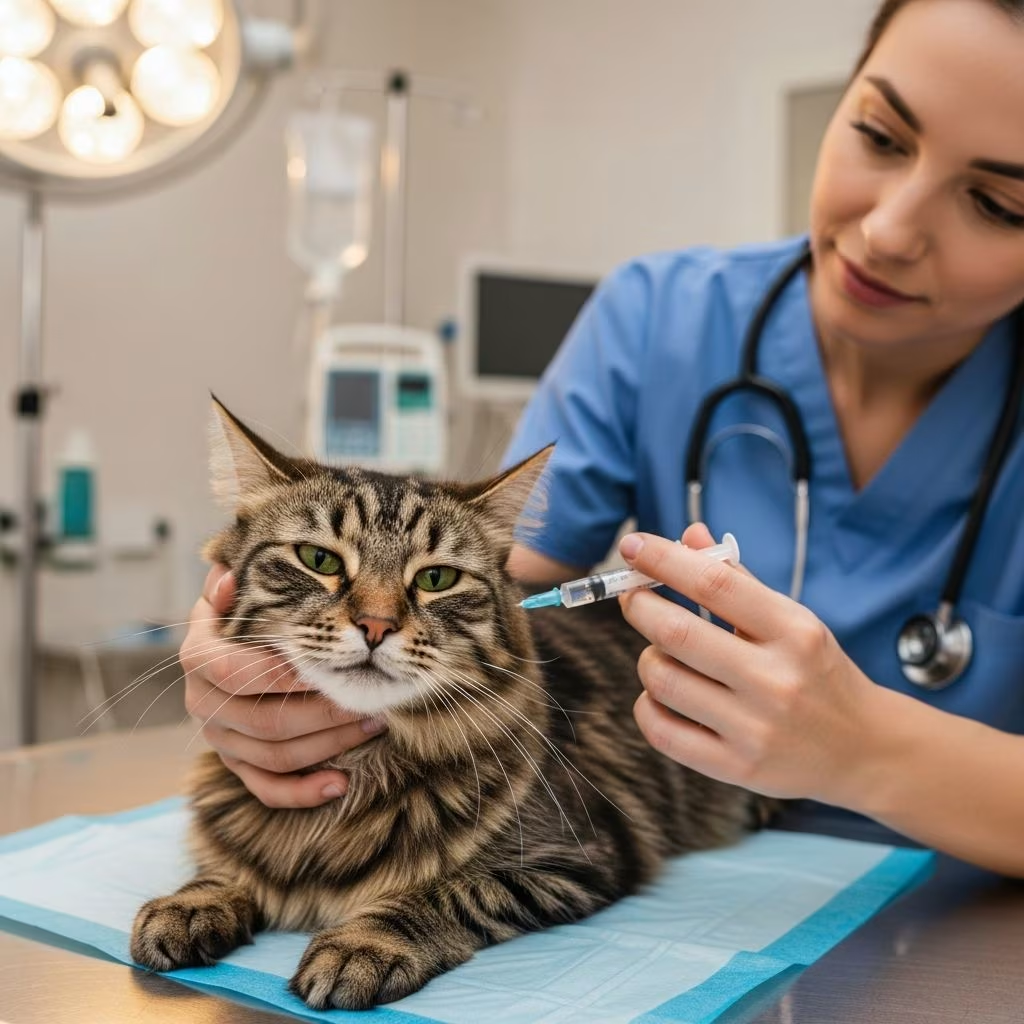
Sedating a cat can be necessary for stressful situations like vet visits, grooming, travel, or nail trimming. However, it’s crucial to approach this under veterinary guidance due to risks such as a 0.24% anesthesia-related mortality rate in cats, higher than in dogs at 0.17%. This comprehensive guide covers safe methods, risks, alternatives, and when to consult a vet, ensuring your cat’s well-being.
Why Do Cats Need Sedation?
Cats often experience high stress in unfamiliar environments, leading to aggression or panic. Sedation calms them, reducing heart rate and anxiety for procedures like exams, X-rays, or grooming. Common triggers include car rides, where motion sickness affects many felines, or nail clips that provoke defensive scratches. Without sedation, stress can exacerbate health issues like hypertension or injury to handlers.
Procedural sedation and analgesia (PSA) is used for minor interventions, but it’s not risk-free. Cats have unique physiology, with higher anesthetic death risks linked to age extremes, low body weight, or breeds like Himalayans due to brachycephalic airways. Always weigh benefits against potential complications like hypotension or respiratory depression.
Is Sedating a Cat Safe?
Sedation safety depends on the cat’s health, age, and protocol. In healthy cats, fatal complications occur in about 0.12%-0.24% of cases. Risks rise with pre-existing conditions like heart, liver, kidney disease, dehydration, or diabetes. Pediatric and senior cats face prolonged recovery due to impaired thermoregulation and metabolism.
Possible complications include:
- Hypotension: Low blood pressure, common with agents like acepromazine or propofol.
- Respiratory issues: Apnea from rapid boluses or airway obstruction.
- Thermoregulation failure: Hypothermia from hypothalamic depression.
- Aspiration pneumonia: From vomiting if not fasted properly.
- Rare severe effects: Anaphylaxis (1 in 100,000), organ failure, or seizures.
Vets minimize risks via pre-anesthetic exams, bloodwork, IV fluids (3-5 ml/kg/h), and monitoring. Balanced anesthesia—combining sedatives, analgesics, and induction agents—tailors to individual needs.
Vet-Approved Sedation Methods
Never sedate without vet approval. Common protocols include:
Injectable Sedation
In-clinic injections like dexmedetomidine-butorphanol provide rapid onset for procedures. Alpha-2 agonists cause vasoconstriction but risk bradycardia; reserve for hemodynamically stable cats. Alfaxalone (5-10 mg/kg IM) is effective but may cause injection pain.
Oral Sedation
Pills like gabapentin (50-100 mg/cat) for mild anxiety, given 1-2 hours prior. Useful for travel or grooming; effects last 4-6 hours.
Gas Anesthesia
Isoflurane or sevoflurane via mask or intubation for deeper sedation, offering airway control. Preferred for invasive procedures over heavy PSA.
| Method | Onset | Duration | Best For | Risks |
|---|---|---|---|---|
| Injectable (Dexmedetomidine) | 5-10 min | 30-60 min | Vet procedures | Bradycardia, hypotension |
| Oral Gabapentin | 1-2 hours | 4-6 hours | Travel/grooming | Mild ataxia |
| Propofol IV | Immediate | Short (bolus) | Induction | Apnea if rapid |
| Gas (Isoflurane) | Immediate | Adjustable | Surgery | Requires monitoring |
Note: Acepromazine is discouraged in hypovolemic cats due to vasodilation.
Natural Sedation Alternatives
For mild cases, try non-drug options first:
- Feliway diffusers/spray: Pheromones mimic maternal scents, reducing stress by 70% in studies.
- Calming treats: L-theanine, chamomile, or CBD (vet-approved doses).
- Compression wraps: Thundershirts apply gentle pressure like swaddling.
- Environmental tweaks: Familiar carriers with blankets, quiet spaces.
These are safer but less effective for severe anxiety. Combine with behavior training like desensitization.
Sedation for Specific Situations
For Nail Trims and Grooming
Use low-dose gabapentin or pheromone collars. Train with positive reinforcement: touch paws daily, reward with treats. If aggressive, vet sedation prevents injury.
For Travel and Car Rides
Acclimate via short trips. Secure carrier, cover for darkness. Oral sedatives 2 hours pre-travel; avoid if prone to vomiting.
For Vet Visits
Request low-stress handling clinics. Pre-visit gabapentin script common.
Preparing Your Cat for Sedation
Steps for safety:
- Pre-exam: Full checkup, blood/urine tests to screen diseases.
- Fasting: 6-12 hours food (water ok) to prevent aspiration.
- Provide history: Medications, allergies, prior reactions.
- IV catheter: For fluids, emergency access.
Weigh cat accurately; extremes increase risks.
What to Expect During and After Sedation
During: Monitoring vitals (HR, BP, temp, O2). Supportive care like warming blankets, oxygen.
After: Recovery in quiet area. Effects wane in hours; watch for ataxia, vomiting. No food until alert; gradual reintroduction. Full recovery 24 hours.
When to Call the Vet Immediately
- Prolonged lethargy >24 hours.
- Breathing distress, blue gums.
- Vomiting, diarrhea, seizures.
- Pale gums, weakness (hypotension sign).
Anesthetic deaths often stem from cardiovascular collapse or airway issues. Prompt action saves lives.
Frequently Asked Questions (FAQs)
Can I sedate my cat at home without a vet?
No. Over-the-counter options risk overdose; professional assessment ensures safety.
How long does cat sedation last?
Varies: 30 min-6 hours by method. Most recover fully in 24 hours.
Is gabapentin safe for cats?
Yes, at 50-100 mg doses for anxiety; vet-prescribed.
What breeds are at higher risk?
Himalayans due to airway issues.
Should I fast my cat before sedation?
Yes, 6-12 hours to avoid aspiration pneumonia.
Conclusion: Prioritize Safety
Sedation aids cat comfort but demands caution. Consult vets for tailored plans, minimizing 0.24% mortality risks. Behavior mods often suffice long-term.
References
- Feline procedural sedation and analgesia: When, why and how — PMC/NCBI. 2024. https://pmc.ncbi.nlm.nih.gov/articles/PMC10814218/
- Cat Anesthesia — Green Valley Animal Hospital. Accessed 2026. https://www.greenvalleyah.com/services/cats/cat-anesthesia
- Anesthesia for Cats — VCA Animal Hospitals. Accessed 2026. https://vcahospitals.com/know-your-pet/anesthesia-for-cats
- Cat Anesthesia — Central Providence Veterinary Hospital. 2022. https://www.centralprovidence.com/services/cats/cat-anesthesia
- Feline Anesthesia Safety — North County Cat Hospital. Accessed 2026. https://www.nccat.com/anesthesia-safety



