

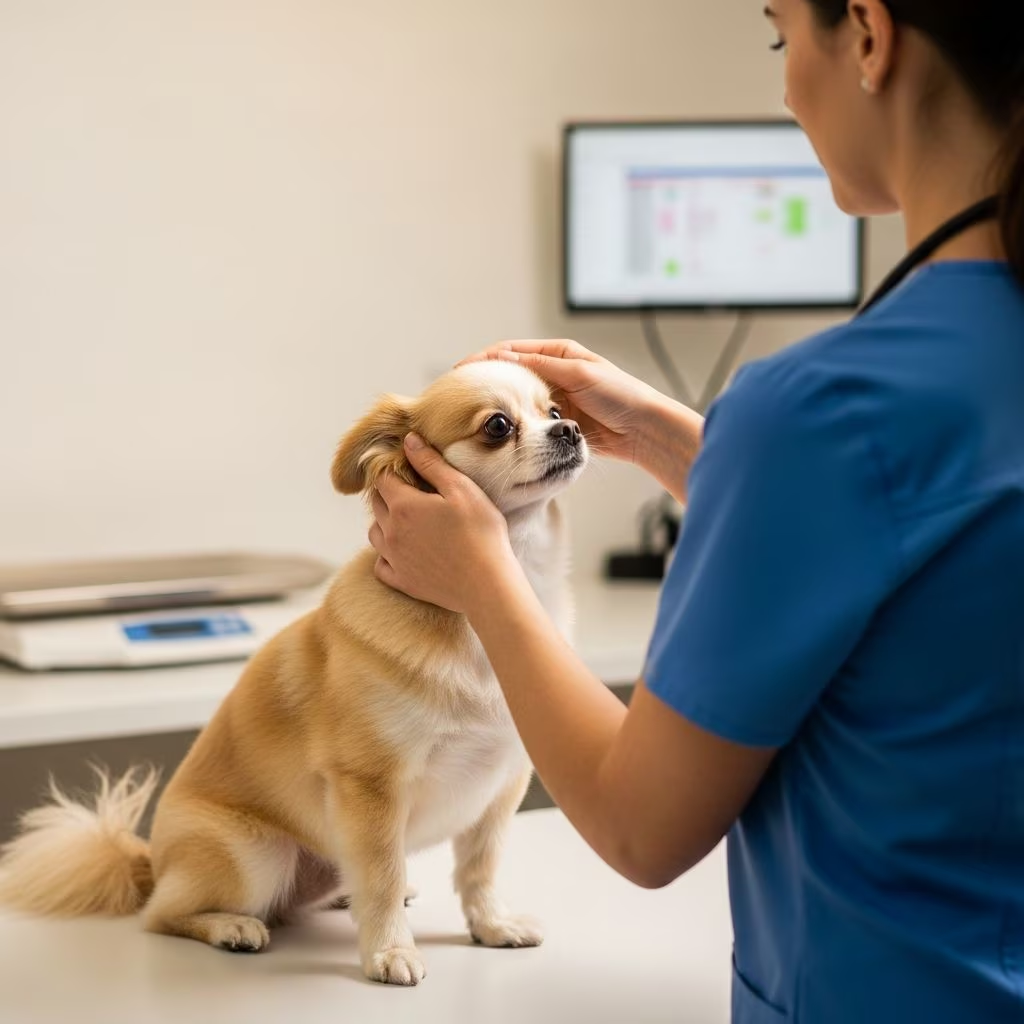
Veterinary visits are essential for keeping your cat healthy, but long waits and unpreparedness can make them stressful and time-consuming. By following these 11 vet-approved tips, you can streamline the process, minimize delays, and ensure your cat gets the care they need efficiently. Whether it’s your kitten’s first visit or a routine check-up for a senior cat, preparation is key to saving valuable time.
Why Saving Time at the Vet Matters for Cat Owners
Cats often dislike car rides and unfamiliar environments, leading to heightened stress during vet visits. Prolonged waits exacerbate this anxiety, potentially affecting your cat’s behavior and the exam’s accuracy. Efficient visits benefit everyone: you spend less time away from work or home, vets can see more patients, and your cat experiences less discomfort. Studies show that stress impacts feline immune systems, making quick, calm visits crucial for health monitoring. According to veterinary experts, prepared clients reduce appointment times by up to 30%, allowing for more focused care.
Common time-wasters include incomplete medical histories, lack of samples, or arriving without paperwork. Addressing these upfront transforms a 45-minute slot into a productive 20-minute consultation. Let’s dive into the strategies.
1. Book Appointments Strategically
Schedule during off-peak hours like early mornings or mid-week to avoid crowds. Many clinics offer ‘cat-only’ hours to reduce interspecies stress, which speeds up the process. Use online booking systems if available—they often show real-time availability and allow notes on your cat’s needs.
- Opt for first appointments of the day: Shorter waits, fresher staff.
- Avoid Mondays and Fridays: Busiest days with emergencies spilling over.
- Request short slots for wellness checks versus longer ones for sick visits.
2. Use Veterinary Telehealth Services
One of the fastest ways to save time is leveraging online veterinary care like telehealth apps. For non-emergency issues such as mild symptoms or follow-ups, virtual consultations eliminate travel time entirely. Platforms connect you with licensed vets via video in minutes.
Benefits include instant prescriptions for common meds and advice on when in-clinic care is needed. For cats, telehealth excels for behavioral consults or chronic condition monitoring, saving in-person slots for physical exams. Always confirm your state’s telehealth regulations.
3. Prepare a Detailed Medical History in Advance
Compile your cat’s records digitally or in a folder before arriving. Include vaccination history, past diagnoses, medications, and allergies. Email or upload via the clinic’s portal to let the vet review beforehand.
This prevents redundant questioning and speeds up decision-making. Tip: Use a template with sections for diet, behavior changes, and recent symptoms.
4. Bring Fresh Samples
Collect urine or fecal samples at home if instructed—labs process them faster without clinic collection delays. Use clean containers provided by your vet or sterile ones from pharmacies. Label with your cat’s name, date, and time.
- Feces: Golf-ball sized, fresh within 24 hours.
- Urine: Use non-absorbent litter or kits for accuracy.
Samples ready? Your appointment focuses on exam, not collection.
5. Weigh Your Cat at Home
Invest in a pet scale for accurate home weights. Record trends to share, helping vets adjust dosages precisely without on-site weighing hassles. Especially useful for overweight or senior cats where small changes matter.
6. Update Microchip and ID Information
Verify your cat’s microchip is registered and current. Bring proof to confirm during visits, avoiding scan-and-search time. Apps like PetLink allow instant updates.
7. Organize Medications and Supplements
List all current meds, dosages, and schedules. Bring pill bottles if possible for visual confirmation. Note any over-the-counter supplements like probiotics, as they interact with prescriptions.
A simple table can help:
| Medication | Dosage | Frequency | Start Date |
|---|---|---|---|
| Methimazole | 2.5mg | Twice daily | 2025-01-01 |
| Omega-3 | 250mg | Daily | Ongoing |
8. Practice Stress-Free Vet Visits at Home
Acclimate your cat to carriers and handling with regular ‘mock’ exams. Use pheromone sprays like Feliway to reduce travel anxiety, leading to calmer in-clinic behavior and quicker exams.
Pro tip: Feed in the carrier weekly to build positive associations.
9. Arrive Early with All Paperwork
Check in 10-15 minutes early, paperwork in hand. Fill forms online pre-visit if offered. Have payment methods ready to bypass front-desk delays.
10. Ask Focused Questions
Prioritize 3-5 key questions based on your notes. This keeps discussions efficient, reserving time for the vet’s exam and recommendations.
11. Follow Up Virtually When Possible
Opt for email or portal follow-ups for results and minor adjustments, avoiding extra trips.
Special Considerations for Kittens and Seniors
For kittens, prepare for first visits with deworming samples and socialization history. Seniors benefit from bi-annual checks starting at 8-10 years, so streamline with home baselines.
Frequently Asked Questions (FAQs)
What should I bring to save time at the vet?
Bring medical history, samples, weight logs, med lists, and ID info. Preparation cuts wait times significantly.
Is telehealth safe for my cat?
Yes, for non-urgent issues. Licensed vets provide reliable advice, saving travel.
How often do cats need vet visits?
Kittens: Every 3-4 weeks initially; adults: Annually; seniors: Bi-annually.
Can I collect urine at home?
Yes, using non-absorbent litter or kits for accurate testing.
How to reduce cat stress at the vet?
Use carriers as beds, pheromones, and practice handling.
Final Thoughts on Efficient Vet Care
Implementing these tips not only saves time but enhances your cat’s health outcomes through proactive care. Vets appreciate prepared clients, leading to better partnerships. Start with one or two changes per visit to build habits.
References
- How to Save Time at the Vet? 7 Vet Reviewed Tips for a Swift Visit — Dogster. 2023. https://www.dogster.com/lifestyle/how-to-save-time-at-the-vet
- Adopt a Cat, Save Two Lives — Fear Free Happy Homes. 2023. https://www.fearfreehappyhomes.com/adopt-a-cat-save-two-lives/
- How Often Should You Take Your Cat to the Vet? — Catster. 2025. https://www.catster.com/cat-health-care/how-often-should-you-take-your-cat-to-the-vet/
- How to Save Time at the Vet? 11 Vet Approved Tips — Catster. 2025. https://www.catster.com/cat-health-care/how-to-save-time-at-the-vet/
- Kittens First Vet Visit: What to Expect & How to Prepare — Catster. 2025. https://www.catster.com/cat-health-care/kittens-first-vet-visit/



