

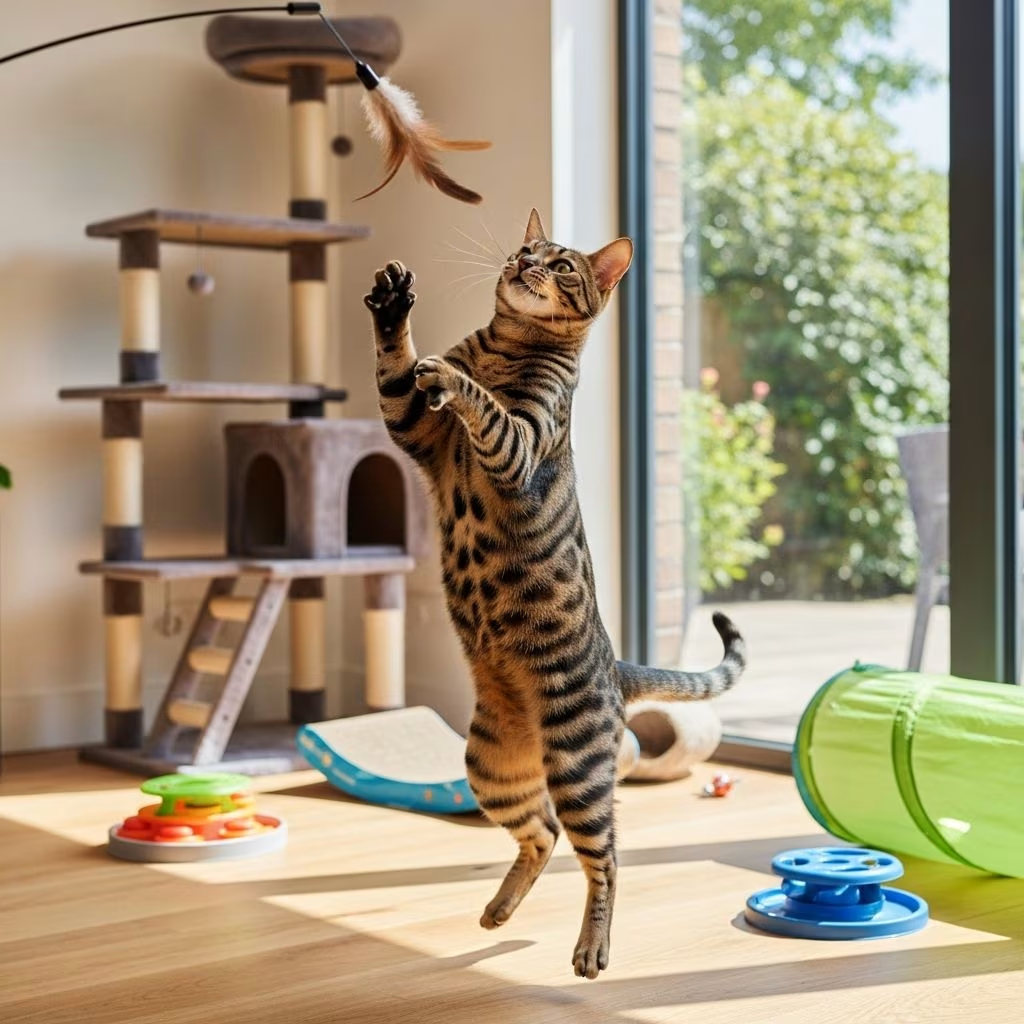
Cats are obligate carnivores and natural predators with a hardwired instinct to hunt, even when well-fed as pets. This drive stems from their solitary hunting ancestry, where they make multiple small kills daily to meet nutritional needs. Domestic cats retain this behavior, following a predatory sequence of searching, stalking, chasing, pouncing, capturing, killing, and consuming prey. Indoor cats, lacking real prey, may exhibit frustration through boredom, stress, or unwanted behaviors like excessive meowing or scratching. Satisfying these instincts through enrichment improves welfare, mental stimulation, and physical health.
Why Do Cats Have Hunting Instincts?
All cats are born with the instinct to chase and hunt, though killing and eating are learned from mothers who demonstrate by consuming prey in front of kittens. Kittens hone skills through play, developing coordination, timing, and sensory awareness for bugs, lizards, or toys. Pet cats hunt opportunistically, not just for hunger—triggered by motion or sound—making up to 10-20 kills daily in the wild. This sequence includes dilated pupils upon spotting prey, crouched stalking, and precise pounces. Suppressing it compromises welfare, as selective breeding hasn’t dulled these traits from adept rodent-hunting ancestors.
Hunting provides mental engagement beyond feeding. Cats as opportunistic feeders hunt regardless of hunger to avoid starvation risks, with less than 50% success per attempt. Well-fed cats may catch but not kill, bringing ‘gifts’ home instead. Indoor environments lack outlets, leading to redirected energy.
The Predatory Sequence: Understanding Cat Hunting Behavior
Cats follow a structured predatory sequence:
- Search: Scanning with senses, sniffing air, ears twitching.
- Location: Pupil dilation, fixation on movement.
- Approach/Stalk: Crouched, slow advance, tail twitching.
- Chase/Pounce: Brief sprint, front paw strike.
- Capture/Kill: Neck bite or shake; more likely if hungry.
- Manipulation/Consume: Playing with or eating prey.
This sequence activates during play, mimicking real hunts. Breeds like Abyssinian, Bengal, Siamese, and Savannah show heightened versions through precise stalking and high-energy pursuits.
Signs Your Cat’s Hunting Instincts Are Not Being Met
Unfulfilled instincts manifest as:
- Excessive zoomies or nighttime activity.
- Destructive scratching or chewing.
- Bringing ‘prey’ like toys or insects indoors.
- Lethargy, overeating, or aggression.
- Vocalizing for attention or staring at windows/birds.
These signal boredom; proactive enrichment prevents them.
10 Ways to Satisfy Your Cat’s Hunting Instincts Indoors
1. Interactive Wand Toys
Wand toys with feathers or strings mimic flying birds or fleeing rodents, triggering stalk-chase-pounce. Sessions of 10-15 minutes twice daily build stamina. Rotate toys to maintain novelty.
2. Laser Pointers
Lasers simulate elusive prey, encouraging high jumps and sprints. End with a ‘catchable’ toy to fulfill capture, avoiding frustration.
3. Puzzle Feeders and Treat Dispensers
These require ‘hunting’ food via pawing or nosing, replicating search-manipulate. Use for 10-20% of meals to tap small-frequent feeding patterns.
4. DIY Cardboard Mazes and Boxes
Stack boxes with holes for hiding treats/toys; cats stalk through tunnels. Refresh weekly for exploration drive.
5. Window Perches and Bird Feeders
Perches let cats watch birds/squirrels, satisfying search without exit. Place feeders outside for ‘safe hunts’.
6. Rotating Toy Selection
Swap 4-5 toys weekly; scent with catnip for attraction. Prevents habituation, keeps instincts sharp.
7. Training with Clickers
Teach fetch or target chasing; rewards mimic kill success. Builds bond and mental challenge.
8. Hiding Treat Hunts
Scatter kibble in carriers, paper bags, or rooms. Encourages sniffing/searching; ideal for multi-cat homes.
9. Vertical Spaces and Cat Trees
Tall trees allow elevated stalking, like wild cats. Add dangling toys for pounce practice.
10. Electronic Toys and Auto-Lasers
Batteries-operated mice or balls initiate solo hunts when owners are away, maintaining routine.
Best Toys for Cat Hunting Instincts
| Toy Type | Instinct Targeted | Examples | Pros |
|---|---|---|---|
| Wand/Feather | Chase/Pounce | Da Bird, feather teasers | Interactive, aerobic |
| Laser | Stalk/Chase | Pointer with patterns | High energy, solo option |
| Puzzle Feeder | Search/Manipulate | Doc Donald, egg crates | Slows eating, mental |
| Ball Track | Pounce/Capture | Rotating ball towers | Solo play, durable |
| Flopping Fish | Full Sequence | Motion-activated plush | Realistic, engaging |
Choose based on breed; high-hunters like Bengals need vigorous options.
Benefits of Satisfying Hunting Instincts
- Mental Health: Reduces stress/anxiety via endorphin release.
- Physical Fitness: Burns calories, builds muscle.
- Behavior Improvement: Less destruction, better sleep.
- Stronger Bond: Shared ‘hunts’ foster trust.
- Weight Control: Mimics wild grazing patterns.
Common Mistakes to Avoid
- Free-feeding: Disrupts hunt motivation.
- No ‘kill’ phase: Frustrates with uncatchable toys.
- Inconsistent play: Leads to demand barking/meowing.
- Ignoring breed traits: High-drive breeds need more.
- Overlooking seniors/kittens: Adapt for mobility.
Frequently Asked Questions (FAQs)
Why does my indoor cat hunt toys so aggressively?
It’s natural predatory play honing instincts; provide outlets to channel it positively.
Can all cats hunt, even lazy ones?
Yes, all have the drive, but expression varies; enrichment activates it.
Is it okay if my cat doesn’t kill prey?
Absolutely; well-fed cats often play without killing, a holdover from wild opportunism.
How often should I play with my cat?
Two 15-minute sessions daily, mimicking dawn/dusk hunts.
Do certain breeds need more hunting stimulation?
Yes, Bengals, Abyssinians, Siamese, and Savannahs have amplified instincts.
Final Thoughts
Channeling hunting instincts transforms indoor life for cats, preventing issues while honoring their predatory heritage. Consistent, varied enrichment ensures happy, healthy felines. Start small, observe responses, and adjust for peak engagement.
References
- Understanding the hunting behaviour of cats — International Cat Care. 2023-05-15. https://icatcare.org/articles/understanding-the-hunting-behaviour-of-cats
- Do All Cats Hunt? — Dezi & Roo. 2024-02-10. https://deziroo.com/blogs/pawsitive-connections/how-cats-hunt
- 7 Cat Breeds With Natural Hunting Instincts — World Animal Foundation. 2024-08-22. https://worldanimalfoundation.org/cats/cat-breeds-with-natural-hunting-instincts/
- Cat Hunting Behaviours: The Truth Behind the ‘Gifts’ — Purina UK. 2023-11-05. https://www.purina.co.uk/articles/cats/kitten/behaviour/cat-hunting-behaviour
- How to Let Your Indoor Cat Express Their Natural Behaviors — Peak City Vet. 2024-01-12. https://peakcityvet.com/how-to-let-your-indoor-cat-express-their-natural-behaviors/
- How to safely satisfy your cat’s hunting instincts — Animal Wellness Magazine. 2023-09-18. https://animalwellnessmagazine.com/cats-hunting-instincts/



