

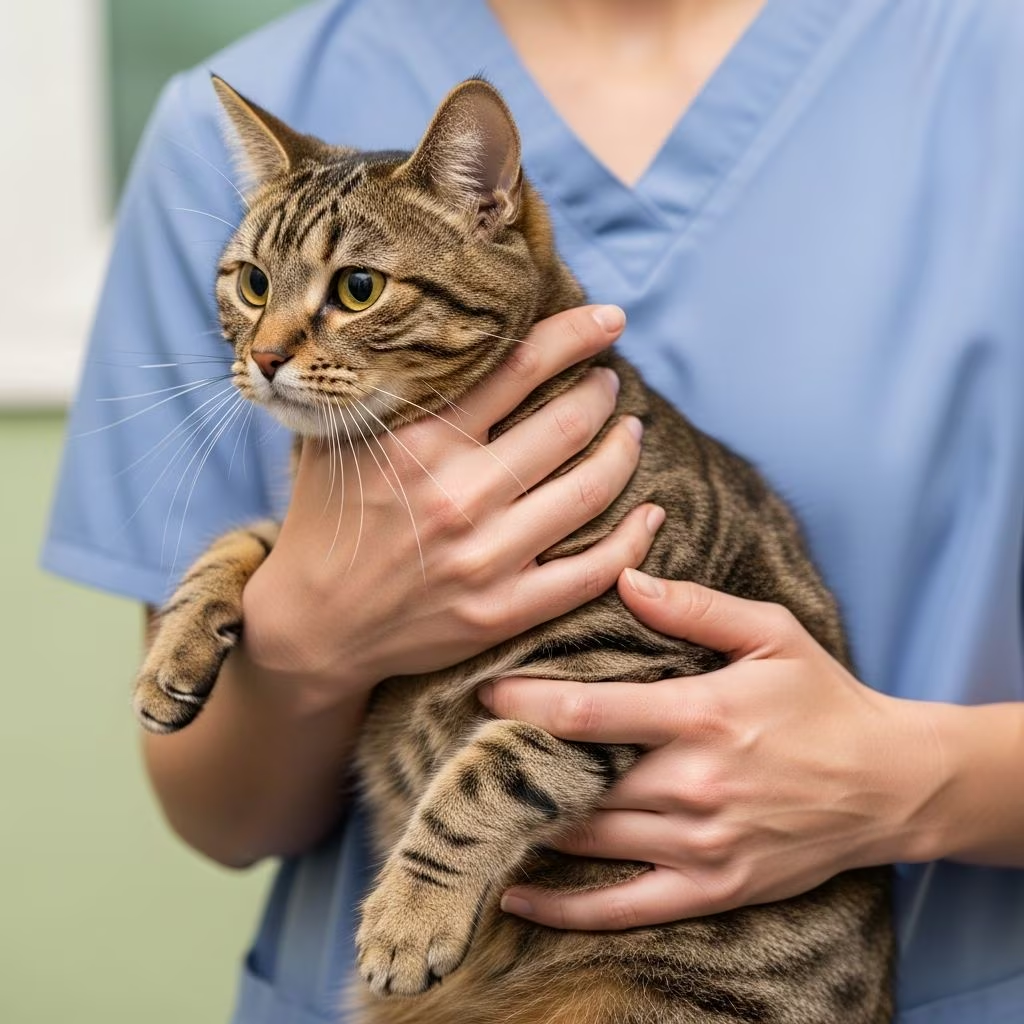
Safely restraining a cat is a crucial skill for pet owners, groomers, and veterinary professionals alike. Cats are independent creatures that can become stressed or aggressive when handled improperly, leading to scratches, bites, or injury to both the cat and the handler. Dr. Karyn, a seasoned veterinarian, shares her expert techniques to minimize stress, ensure safety, and make handling as gentle as possible. These methods prioritize the cat’s comfort while allowing for necessary procedures like exams, nail trims, or medication administration.
Why Proper Cat Restraint Matters
Improper restraint can escalate a cat’s fear response, triggering fight-or-flight instincts. This not only risks injury but can damage the trust between you and your cat. Veterinary guidelines emphasize starting with minimal restraint and escalating only as needed. Cats amenable to gentle handling respond best to techniques that respect their space and body language, reducing the need for forceful methods. According to clinical handling protocols, over-restraint often backfires, causing escape attempts or aggression.
Key principles include:
- Approach calmly from the side or below, never looming over the cat.
- Observe body language: dilated pupils, flattened ears, or tail lashing signal stress.
- Support the cat’s full body weight at all times to prevent falls or panic.
- Use positive reinforcement like treats or praise when possible.
Minimal Restraint Techniques
Begin with the least invasive methods for cooperative cats. These techniques allow freedom of movement while maintaining control, ideal for routine checks or carrying.
Ring Grip
The ring grip is perfect for cats tolerant of light handling. Form a loose ring with your thumb and fingers just below the chin, avoiding any pressure on the trachea. Position your body behind the cat to block backward escape. Offer head scratches to relax them—this hold keeps the head steady for exams without full immobilization. It’s gentle and non-threatening, preserving the cat’s sense of security.
Three-Finger Hold
An alternative to scruffing, this uses your entire hand with three fingers atop the head for control. It’s effective for head exams or venipuncture, exposing the neck while stabilizing the skull. Practice on a stuffed model first for proper positioning. This method distributes pressure evenly, reducing discomfort compared to traditional scruffing.
Carrying a Calm Cat
For transport, slide one hand under the forelegs (palm facing your chest) and the other under the rear. Lift while supporting the rump fully, hugging the cat close to your body. This provides security and prevents dangling legs. Never lift adult cats solely by the scruff, as it causes undue stress and potential injury.
Towel Wrap Techniques (Burrito Wraps)
Towel wraps, often called “burrito” methods, are game-changers for mildly fractious cats. A large towel immobilizes legs while cocooning the body, mimicking a safe hideaway. These are versatile for exams, grooming, or nail trims.
Full Burrito Wrap
Lay a towel flat. Place the cat in the center with their head toward one short edge. Fold one long side over the body, tucking front legs snugly. Fold the opposite side over the back legs, then fold the bottom up to secure. The head remains exposed. This mummifies the body, preventing scratches while allowing access to the face. Adjust tightness to avoid restricting breathing.
Half-Burrito Wrap
For head or neck access (e.g., jugular draws), wrap only the body, leaving the head free. Start similarly but stop after tucking the sides, ensuring forelegs are secured without neck involvement. This is ideal for veterinary procedures needing precise exposure.
Scarf Wrap
A lighter version: Drape the towel like a scarf over the back, crossing ends under the chest and tying loosely. It limits hind-end movement without full enclosure, useful for small cats or dogs too. Great for quick restraints during play or minor handling.
Pro Tip: Use a soft, warmed towel for better acceptance. Practice on cooperative cats to master the speed—quick wraps prevent escape.
Scruffing and Advanced Holds
Scruffing mimics how mother cats carry kittens but should be used judiciously on adults. Combine with hind leg support for safety.
- Proper Scruff: Grasp loose skin at the base of the skull firmly but gently. Lift most weight with your other hand under the hindquarters. Limit duration to avoid tracheal pressure.
- C-Grip: Cup the head with thumb under the chin and fingers over the skull for exams. Steady yet gentle.
For fractious cats, transition from scruff to towel if resistance builds. Always prioritize body support.
Tools for Safe Restraint
When hands-on methods fail, tools provide distance and protection without chemical sedation.
| Tool | Purpose | Tips for Use |
|---|---|---|
| Cat Muzzle | Prevents bites, distracts, blocks vision | Apply slowly over head; monitor breathing. Ideal for grooming or exams. |
| Protective Gloves | Shields from scratches/bites | Heavy leather extending to forearms. Loose fit for dexterity. |
| Air Muzzle | Hiding spot, airflow protection | Great for shy cats during drying. Remove if stress increases. |
| Pole Snare (Vet Use) | Initial capture | Quick-release; follow with other methods. Not for home use. |
Positive tools like treats enhance cooperation. For severe cases, consult a vet for sedation options.
Handling Fractious Cats
Fractious cats demand preparation: dim lights, quiet spaces, and PPE (long sleeves, gloves). Two-person teams excel—one controls head, the other hindquarters. Use leashes for distance if solo.
- Create calm: Remove stimuli, use familiar scents.
- Positive reinforcement: Rewards build trust.
- Seek pros: Vets or behaviorists for tough cases.
Environment matters—high humidity worsens stress; use dark hides.
Frequently Asked Questions (FAQs)
Can I scruff an adult cat?
Yes, but briefly and with hindquarter support. Avoid lifting solely by scruff to prevent injury.
What’s the best towel for restraint?
Large, soft bath towels work best. Warm slightly for comfort.
How do I restrain for nail trims?
Use full burrito wrap with legs tucked; expose one paw at a time.
Are muzzles cruel?
No, when fitted properly—they reduce stress by limiting bites and vision.
What if my cat is too aggressive?
Wear PPE, use tools, and call a professional. Sedation may be needed.
Conclusion: Practice Makes Perfect
Mastering these techniques takes practice but pays off in safer, stress-free interactions. Start with calm cats, observe responses, and always prioritize welfare. Consult your vet for personalized advice. With Dr. Karyn’s tips, you’ll handle any feline challenge confidently.
References
- Feline Restraint and Handling — University of Guelph. 2023. https://books.lib.uoguelph.ca/vetm3430/chapter/feline-restraint-and-handling/
- Safe Cat Handling and Restraint — Animal Behavior College. 2023-10. https://www.animalbehaviorcollege.com/wp-content/uploads/2023/10/VAP-Stage-2-SneakPeek.pdf
- Restraint Techniques — Big Cat Rescue. Accessed 2026. https://bigcatrescue.org/conservation-news/restraint-2
- Tips & Techniques to Properly Restrain a Fractious Cat or Dog — Vet Dentist WI. Accessed 2026. https://vetdentistwi.com/safely-restraining-a-fractious-cat-or-dog/
- Safe & Gentle Cat Restraint Techniques — YouTube (SEVN Veterinary). Accessed 2026. https://www.youtube.com/watch?v=c6HYQ_55zVU
- Using Restraints on Cats — National Cat Groomers Institute. Accessed 2026. https://nationalcatgroomers.com/blogs/cat-grooming-training/using-restraints-on-cats



