

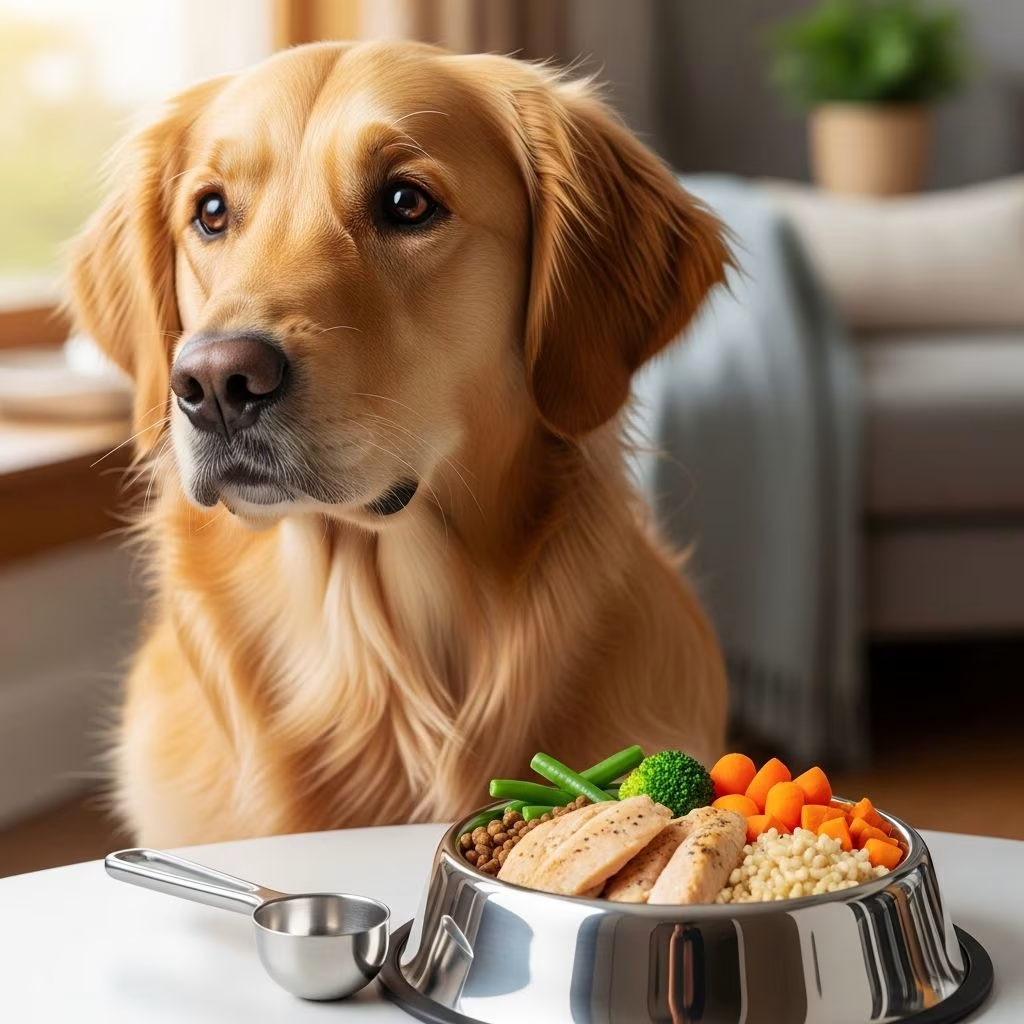
Underweight dogs often need targeted nutritional support to reach a healthy body condition, starting with a veterinary evaluation to rule out underlying issues. Proper weight gain involves increasing calorie intake through calorie-dense foods while monitoring progress to avoid digestive upset or obesity.
Recognizing When Your Dog Needs to Gain Weight
A dog is underweight if its ribs, spine, and hip bones are prominently visible without pressing on the skin, and it lacks a defined waistline from above. Body Condition Score (BCS) charts, typically on a 9-point scale, help assess this: scores of 1-3 indicate underweight status. Factors like age, breed, and activity level influence ideal weight, but visible bony prominences signal a need for intervention.
- Ribs: Easily visible and palpable with no fat cover.
- Waist: Extreme hourglass shape when viewed from above.
- Abdomen: Tucked up sharply, resembling a greyhound silhouette.
Regular weigh-ins at home or the vet clinic track progress, aiming for 1-2% body weight gain per week for safe results.
Common Reasons Dogs Lose Weight Unintentionally
Sudden or gradual weight loss in dogs frequently stems from medical conditions, dietary inadequacies, or lifestyle changes. Parasitic infections, such as intestinal worms, cause nutrient malabsorption and pot-bellied appearances mimicking fat gain in some cases, though true leanness persists elsewhere. Hormonal disorders like hypothyroidism slow metabolism, leading to persistent thinness despite normal eating.
Post-surgical effects from spaying or neutering can reduce metabolic rates, prompting unintended weight shifts if calories aren’t adjusted. Chronic illnesses, dental pain, or medications may suppress appetite, while high-energy dogs burn calories faster without compensatory intake. Aging reduces efficiency in nutrient absorption, exacerbating thinness in seniors.
| Cause | Symptoms | Vet Action |
|---|---|---|
| Parasites | Diarrhea, bloating, poor coat | Stool tests, deworming |
| Hypothyroidism | Lethargy, hair loss | Blood panels |
| Dental Issues | Bad breath, dropped food | Oral exam |
| Post-Spay/Neuter | Increased hunger, slowed metabolism | Diet recalibration |
The Vital First Step: Veterinary Consultation
Before altering diet, a vet exam identifies root causes through bloodwork, fecal analysis, and imaging. This prevents masking serious issues like diabetes, cancer, or gastrointestinal diseases. Vets calculate resting energy requirements (RER) using formulas like RER = 70 x (body weight in kg)^0.75, then multiply by factors for life stage and activity to set daily caloric goals, often 1.2-1.6 times RER for weight gain.
For severe cases, prescription recovery diets provide highly digestible, high-fat formulas to stimulate appetite during illness. Ongoing monitoring ensures safe progress, adjusting plans as weight stabilizes.
Selecting the Right High-Calorie Dog Foods
Choose AAFCO-approved foods exceeding adult maintenance levels in protein (25-35%) and fat (15-25%), prioritizing digestible sources like chicken, lamb, or fish. Puppy or performance formulas suit healthy underweight adults, delivering dense calories without excessive volume.
- Puppy Foods: Higher fat/protein; avoid large-breed variants with restricted calories.
- Performance Diets: 30%+ protein, 20%+ fat for active dogs.
- Wet Foods: Palatable for picky eaters, though less calorie-dense than kibble.
Transition gradually over 7-10 days: mix 25% new food daily, increasing to prevent pancreatitis from fat surges. Examples include high-fat puppy kibble or veterinary urgent care cans for critical needs.
Smart Feeding Strategies for Optimal Intake
Divide daily calories into 3-6 small meals to boost consumption and reduce waste. Free-feeding dry kibble suits some, but measured portions prevent overeating in multi-dog homes. Enhance appeal by warming wet food or adding broth (low-sodium).
Track intake precisely, accounting for treats as 10% max of calories. Use puzzle feeders to slow eating and engage mentally active dogs.
- Calculate daily needs via vet formula.
- Split into multiple servings.
- Weigh food with a kitchen scale.
- Adjust weekly based on weigh-ins.
Nutrient-Dense Supplements and Add-Ins
Toppers like olive oil (1 tsp/10 lbs body weight daily), fish oil for omega-3s, or probiotic pastes aid digestion and calorie boosts. High-calorie gels or powders mix into meals for fussy eaters. Avoid over-supplementation; vet approval ensures balance.
Homemade toppers: plain yogurt, pumpkin puree, or boiled eggs provide variety without upsetting stomachs. Always prioritize commercial diets as the base.
Boosting Appetite in Reluctant Eaters
Picky dogs respond to food variety, hand-feeding, or play-associated mealtimes. Stress reduction via routine and quiet feeding zones helps. If illness-related, appetite stimulants or anti-nausea meds from vets restore interest.
Exercise and Lifestyle Adjustments
Moderate activity builds muscle alongside fat. Short walks or fetch sessions post-meals aid digestion without excessive burn. For recovering dogs, start slow to match energy intake.
Tracking Progress and Avoiding Pitfalls
Monthly BCS and weight checks guide adjustments. Rapid gain risks joint strain; plateaus may signal parasites or thyroid issues. Prevent obesity by tapering calories once target reached.
Frequently Asked Questions
How quickly should my dog gain weight?
Aim for 1-2% weekly; consult vet for personalized rates to avoid health risks.
Can I use human food to fatten my dog?
Limited amounts only; stick to vet-approved options to prevent toxicity or imbalance.
Is puppy food safe for adult dogs?
Yes, for short-term weight gain if AAFCO-compliant, but transition back to adult formulas after.
What if my dog won’t eat more?
Rule out medical issues first; try warming food, smaller meals, or palatability enhancers.
How do I know the ideal weight for my breed?
Vet charts by breed/age; focus on BCS over scales for accuracy.
Long-Term Maintenance for Healthy Weight
Sustain gains with balanced adult food, routine exercise, and annual checkups. Educate on portion control to prevent yo-yo weighting.
References
- What’s the Best Dog Food for Weight Gain? — PetMD, Jennifer Coates, DVM. 2023. https://www.petmd.com/dog/nutrition/whats-best-dog-food-weight-gain
- Your Pet’s Healthy Weight — American Veterinary Medical Association. 2024. https://www.avma.org/resources-tools/pet-owners/petcare/your-pets-healthy-weight
- Obesity and Weight Management Tips — Cornell University College of Veterinary Medicine. 2023. https://www.vet.cornell.edu/departments-centers-and-institutes/riney-canine-health-center/canine-health-topics/obesity-and-weight-management-tips
- How to Help Your Skinny Dog Gain Weight — Hill’s Pet Nutrition. 2024. https://www.hillspet.com/dog-care/healthcare/help-your-skinny-dog-gain-weight
- Weight Gain in Dogs: Common Causes and Solutions — Marina Village Vet. 2024. https://marinavillagevet.com/why-has-my-dog-gained-weight/



