

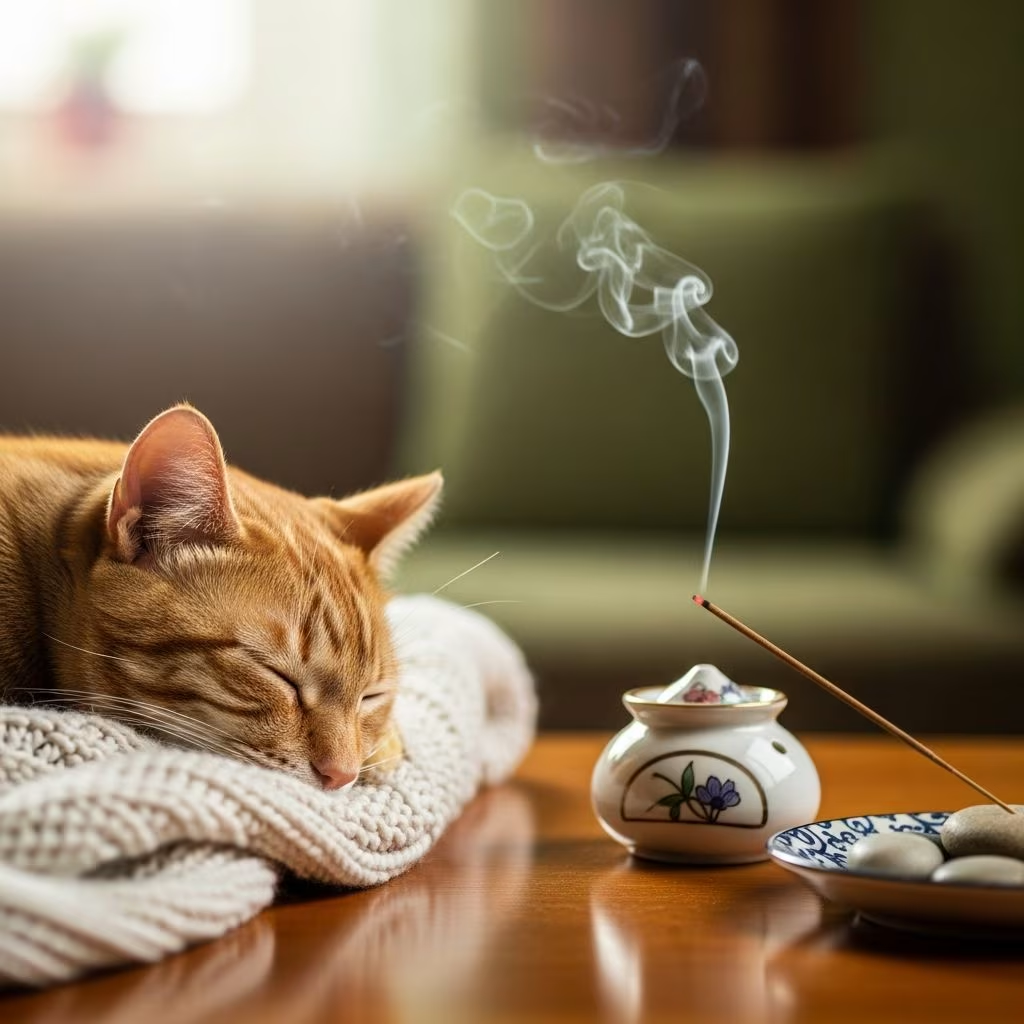
Incense, derived from aromatic plant materials, has been used for centuries in practices like meditation, aromatherapy, and spiritual rituals. While it creates a calming atmosphere in homes, cat owners must consider the health implications for their pets. The smoke produced can irritate a cat’s sensitive respiratory system, potentially leading to issues like coughing, watery eyes, or worsened asthma. Although completely avoiding incense is ideal, certain precautions can minimize risks if burning is necessary.
This guide outlines the dangers of incense for cats and provides three veterinarian-approved strategies to burn it more safely, along with pet-friendly alternatives to maintain a fresh home environment without compromising your cat’s well-being.
The Dangers of Burning Incense Around Cats
Cats possess an acute sense of smell—14 times stronger than humans—and their smaller lungs make them particularly vulnerable to airborne particles. Incense smoke contains particulate matter, volatile organic compounds (VOCs), and polycyclic aromatic hydrocarbons (PAHs), which can linger in the air and deposit on surfaces. Regular exposure may trigger immediate reactions or contribute to long-term health concerns.
- Respiratory Irritation: Smoke irritates the airways, causing symptoms like sneezing, coughing, congestion, and watery eyes. Sensitive cats may experience exacerbated conditions.
- Asthma and Allergen Risks: Inhaled particles can act as triggers, increasing asthma attack risks in predisposed cats or potentially sensitizing healthy ones over time.
- Potential Carcinogens: PAHs and other emissions from burning incense have been associated with respiratory dysfunction and cancer risks in studies on indoor air quality.
- Fire Hazards: Cats’ curiosity can lead to knocked-over incense sticks, with hot ash igniting fabrics or carpets, posing a significant burn and fire risk.
- Overpowering Odors: Intense scents overwhelm cats’ olfactory systems, causing stress, avoidance behaviors, or nausea.
These risks are amplified in poorly ventilated spaces where smoke accumulates. Veterinary experts emphasize that no incense is entirely safe for cats, urging minimal use or avoidance altogether.
The 3 Tips to Safely Burn Incense Around Cats
If cultural, spiritual, or relaxation needs demand incense use, follow these vet-recommended protocols to reduce exposure. Prioritize your cat’s safety by implementing all measures simultaneously.
1. Put Your Cat in a Different Room
Separate your cat physically from the burning area. Place them in a distant room, preferably with a closed door, to prevent smoke inhalation. This simple step drastically cuts exposure, as cats often hover near owners during rituals. Monitor for any smoke drift and ensure the cat’s space has fresh air circulation.
2. Open All the Windows
Ventilation disperses smoke quickly, diluting harmful particles. Open windows, doors, and use fans to create airflow. While this may lessen the scent’s potency, it prioritizes health—cats show upper respiratory distress from even brief smoke exposure. Consider an air purifier with a HEPA filter post-burning to capture residuals.
3. Remove Your Cat From the Home
The safest option: Temporarily relocate your cat outdoors (if supervised and weather-appropriate) or to a friend/family member’s home. For indoor-only cats, board them briefly. Thoroughly air out the house—wait 1-2 hours with windows open—before reintroducing them. This eliminates residual smoke entirely.
Additional precautions include:
- Using a stable incense holder on a non-flammable surface, far from cat reach.
- Nunca leaving incense unattended; extinguish promptly.
- Limiting sessions to 10-15 minutes in one designated, cat-free room.
Safer Alternatives to Incense
For fragrance without smoke, opt for cat-safe options. These avoid combustion byproducts while freshening your space effectively.
Use Febreze or Similar Sprays
Products like Febreze are ASPCA-approved as non-toxic when used correctly. Spray in well-ventilated areas, away from your cat, and allow full drying (15-30 minutes) before they re-enter. Avoid direct application on pets or near food/water bowls.
Burn Pet-Friendly Candles
Choose candles made from soy, beeswax, coconut, or vegetable waxes scented with essential oils safe for pets (e.g., lavender in moderation). Burn out of reach, supervised, with ventilation. Skip if your cat has respiratory issues, as any flame produces some smoke.
Fragrant Non-Toxic Houseplants
Incorporate cat-safe aromatics like lemon balm, sage, rosemary, or mint. These release natural scents without burning and double as mild air purifiers. Place out of chewing reach, as even safe plants can cause mild GI upset if ingested in quantity.
Other Cat-Safe Options
- Air Purifiers: HEPA models remove odors and allergens effectively.
- Essential Oil Diffusers: Use pet-safe oils (e.g., cedarwood) in ultrasonic diffusers, but only in ventilated spaces and monitor reactions.
- Baking Soda or Vinegar: Natural absorbers for litter box odors.
| Method | Pros | Cons | Cat Safety Level |
|---|---|---|---|
| Febreze | Quick, affordable, ASPCA-safe | Must dry fully; avoid direct spray | High |
| Pet Candles | Natural waxes, pleasant glow | Smoke/fire risk; not for asthmatics | Medium-High |
| Houseplants | Passive scent, health benefits | Potential nibbling | High |
| Incense | Traditional aroma | Smoke toxins, fire hazard | Low |
Frequently Asked Questions (FAQs)
Is Nag Champa Incense Safe for Cats?
No, Nag Champa and similar incenses pose the same risks as others due to smoke particulates and strong scents. Keep cats away entirely.
Can Incense Cause Cancer in Cats?
Potential exposure to carcinogens like PAHs raises long-term risks, though direct causation in cats requires more study. Minimize exposure.
What If My Cat Shows Symptoms After Incense Exposure?
Watch for coughing, sneezing, or lethargy. Ventilate immediately, consult a vet if symptoms persist beyond 24 hours.
Are There Any Incense Types Safe for Cats?
No commercial incense is fully safe; all produce irritating smoke. Opt for alternatives.
How Often Can I Safely Burn Incense with Precautions?
Infrequently (e.g., weekly, short sessions) with full precautions; ideally, avoid regular use.
Conclusion
While incense enriches cultural and relaxation practices, its smoke presents undeniable risks to cats’ respiratory health, from irritation to potential chronic issues. Vet-approved tips—separating your cat, maximizing ventilation, and temporary removal—offer harm reduction, but safer alternatives like Febreze, pet candles, and aromatic plants provide fragrance without compromise. Prioritize your feline companion’s well-being; a smoke-free home ensures they thrive alongside your rituals.
References
- Is Nag Champa Incense Safe for Cats? Vet Facts — Catster. 2023. https://www.catster.com/cat-health-care/is-nag-champa-incense-safe-for-cats/
- How to Safely Burn Incense Around Cats: 3 Vet-Approved Tips — Catster. 2023. https://www.catster.com/cat-health-care/how-to-safely-burn-incense-around-cats/
- Is it safe to burn incense around pets? — Flore Incense. 2024. https://floreincense.com/blogs/news/how-to-burn-incense-safely-around-pets
- Is Burning Incense Bad for Cats? — Cats.com. 2024. https://cats.com/is-burning-incense-bad-for-cats
- Incense, oils and cats — Spells8 Forum. 2023. https://forum.spells8.com/t/incense-oils-and-cats/57148



