

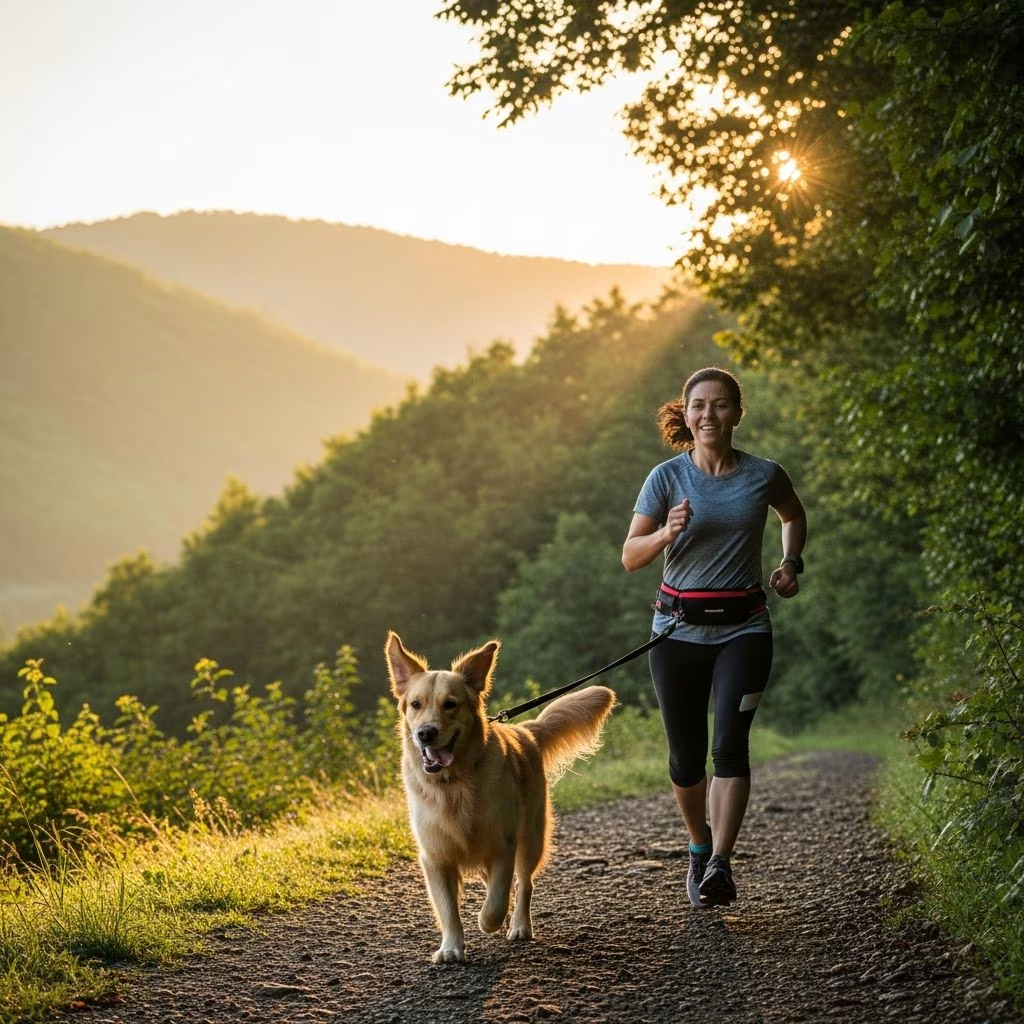
How to Run with Your Dog: A Complete Guide
Running with your dog can be one of the most rewarding experiences for both you and your furry companion. It provides excellent exercise, strengthens your bond, and gives your dog the mental and physical stimulation they need to thrive. However, running with your dog requires careful planning, proper conditioning, and attention to safety. Unlike simply taking your dog for a walk, running involves higher impact on joints, faster pace, and increased physical demands. This comprehensive guide will walk you through everything you need to know to safely and enjoyably run with your dog.
Is Your Dog Ready to Run?
Before you lace up your running shoes and head out the door with your canine companion, it’s crucial to assess whether your dog is physically and mentally prepared for running. Not all dogs are suited for running, and certain factors must be considered before starting a running routine.
Age and Breed Considerations
Different breeds have vastly different running capabilities. High-energy breeds such as Labrador Retrievers, Border Collies, Vizslas, and Weimaraners often excel at running and can handle significant distances and speeds. These dogs were bred for endurance and athleticism. Conversely, breeds with short snouts—such as Bulldogs, Pugs, and Boston Terriers—have breathing difficulties and are prone to overheating, making them unsuitable running partners. Similarly, toy breeds and very large breeds may struggle with long-distance running due to their size and joint sensitivity.
Age is another critical factor. Puppies under 12-18 months should not run long distances because their growth plates are still developing and haven’t fully closed. Running on developing joints can cause permanent damage. Senior dogs may have arthritis or other joint issues that make running uncomfortable or harmful. Consult with your veterinarian to determine if your dog is an appropriate age and breed for running.
Health Check-Up
Before beginning any running program, schedule a veterinary check-up. Your vet can assess your dog’s overall health, check for underlying conditions like heart disease or hip dysplasia, and provide personalized recommendations based on your dog’s individual health status. This professional guidance is invaluable for preventing injuries and ensuring your dog can safely participate in running activities.
Building Your Dog’s Conditioning Base
Just like humans, dogs need to gradually build endurance before they can comfortably run long distances. Starting too fast or going too far too soon is a recipe for injury, muscle soreness, and discouragement for both you and your pet.
A Progressive Training Schedule
The ideal approach is to gradually increase your dog’s running capacity over several weeks. Here’s a structured conditioning plan to follow:
Weeks 1-2: Foundation Building
- Take 15-20 minute brisk walks 2-3 times per week
- Include short jogging intervals (30-60 seconds) within these walks
- Focus on flat, soft terrain to minimize joint impact
- Keep sessions brief and manageable
Weeks 3-4: Building Endurance
- Extend walks to 20-30 minutes, 3-4 times per week
- Alternate walking and jogging in roughly equal amounts
- Begin to notice your dog’s comfort level with increased activity
- Maintain consistent, manageable intensity
Weeks 5-6: Advancing to Running
- Progress to 30+ minute running sessions, 4 times per week
- Include walking intervals when necessary to prevent exhaustion
- Your dog should now be ready for more consistent running
- Continue monitoring comfort and energy levels
Reading Your Dog’s Body Language
Throughout the conditioning process, pay close attention to your dog’s signals. A happy, healthy running pup will display relaxed ears, regular breathing patterns, engaged attention, and a noticeable bounce in their step. If you notice signs of fatigue, discomfort, or reluctance, scale back the intensity and duration. Every dog is unique, and conditioning timelines may vary based on age, breed, fitness level, and individual temperament.
Warm Up, Cool Down, and Choose the Right Path
Proper preparation and route selection are fundamental to safe running with your dog. A good warm-up prevents injuries and prepares your dog’s muscles for activity, while choosing the right terrain protects their paws and joints.
The Importance of Warm-Up Routines
Many runners skip warm-ups, but this is a mistake when running with your dog. A proper warm-up takes 5-10 minutes and should include activities that get your dog’s body and mind ready for exercise. During warm-up, allow your pup to sniff and explore their surroundings, which also provides mental stimulation. Play a quick game of fetch to elevate heart rate and engage muscles. Walk at a brisk pace for several minutes to gradually increase intensity. Practice basic commands while walking to engage both mind and body, ensuring your dog is focused and ready for the run ahead.
Cool Down Strategies
After your run, don’t immediately stop all activity. Gradually reduce pace over 5-10 minutes, transitioning from running to walking to a complete stop. This cool-down period allows heart rate to return to normal gradually and prevents dizziness or discomfort. Continue walking slowly for a few minutes after stopping to help your dog’s body adjust.
Selecting the Perfect Running Route
Your dog’s paws and joints deserve special consideration when choosing where to run. Natural surfaces provide the best cushioning and are the gold standard for running routes. Opt for dirt trails, grassy paths, forest tracks, or sand in moderation. These surfaces absorb impact effectively and reduce stress on joints.
Always avoid problematic surfaces: Hot asphalt can burn paw pads, concrete is too hard on joints, gravel may hurt sensitive paws, and ice or snow create risks of frostbite and injury. Scout your route beforehand to ensure it meets these criteria and remains relatively quiet, especially during your dog’s early conditioning phases.
Ensure Safety During Runs: Leash Manners, Hydration, and Overheating Awareness
Safety during your runs depends on proper equipment, attention to hydration, and awareness of environmental conditions that could harm your dog.
Leash Selection and Control
A 4-6 foot non-retractable leash is ideal for running sessions, providing your dog enough freedom to move naturally while keeping them safely under control. Avoid retractable or unnecessarily long leashes, which can cause tangled legs and unexpected pulls that may injure both you and your dog. Train your dog to run on your left side, maintaining a loose “J” shape in the leash. This position helps prevent crossing paths and keeps both of you in sync throughout your run.
The Right Harness Matters
You shouldn’t run with the lead clipped to your dog’s collar. Get a harness for your furry friend to avoid running on collar, which might cause injuries. A comfortable, secure harness that straps around your pet’s torso will anchor them safely to the leash, reduce strain on their neck, and make the run more comfortable for both of you. Your dog is less likely to slip out of a harness than a collar, especially during vigorous activity.
Hydration and Heat Prevention
Dogs are more susceptible to heat than humans due to their limited ability to sweat. Running in hot weather can lead to heatstroke. To protect your pup, run during cooler times of the day, such as early mornings or evenings. Carry water and offer regular breaks, allowing your dog to drink and cool down. When running in warmer temperatures, keep runs short and easy, monitoring your dog constantly for signals of overheating, including excessive panting, drooling, lethargy, or glazed eyes. Consider carrying a collapsible water bowl for easy hydration breaks.
Protect Their Paws and Be Attentive During Runs
Your pup’s paws need special attention during and after runs. These precious pads are their direct connection to the ground and require consistent care and protection.
The Hand Test for Safe Surfaces
Always make sure that the surface is not too sharp or hot to run on. Do this simple test to see if the surface is suitable for your pup: place your palm on the running surface for 5-10 seconds. If it’s too hot for your hand, it’s too hot for their paws! This quick assessment prevents painful burns and protects sensitive paw pads from damage.
Pre, During, and Post-Run Paw Protection
Protect your dog’s paws before, during, and after each run:
- Apply dog-specific paw balm before runs to create a protective barrier
- Consider dog booties for extreme temperatures or rough terrain
- Run during cooler hours on hot days to avoid surface heat
- Stick to grass or dirt trails when possible
- Avoid salt-treated surfaces in winter that can irritate paws
Watching for Signs of Discomfort
Your furry friend can’t speak up when something’s wrong; you need to watch for signs of discomfort. If you notice sudden slowing or stopping, limping or favoring a paw, excessive licking of paws, your dog looking back at you repeatedly, trying to move to softer surfaces, or sitting or lying down unexpectedly, these are clear indicators that something is wrong. Stop the run and assess the situation.
Examining Your Dog’s Pads
After each run, examine your pup’s pads carefully for cracks or splits, redness or swelling, foreign objects embedded in the paw, ice buildup in winter conditions, and signs of wear or roughness. Early detection of paw problems allows for quick intervention and prevents minor issues from becoming serious injuries.
Training Commands for Safe Running
Teaching your dog specific commands enhances safety during runs and makes the experience more enjoyable for both of you. Essential running commands include “Stop” or “wait” to teach your dog to halt or pause during your run, ensuring you can safely cross streets or avoid potential hazards. “Heel” teaches your dog to run close to your side, which proves useful for crowded areas or when passing other runners or walkers. Practice these commands during walks before incorporating them into your running routine.
Pre-Run Route Planning
Before lacing up and hitting the trails, invest time in planning your route carefully. Get a sense of your area before you leash up by taking a trial run to familiarize yourself with the terrain. Look up leash regulations in the areas your route passes through to ensure compliance with local laws. Know your water sources both for drinking and for dipping, especially in the heat. Look for bonus features like dog parks, snack stops, and where garbage cans are located so you don’t have to run with full poop bags.
Once you’ve planned your route, it’s also wise to practice your leash or harness setup on some walks before running with it. Adjusting to a new leash length or running speed can create confusion, so practice first and take it slow.
Weather Awareness and Seasonal Considerations
Different seasons present unique challenges for running with your dog. Make sure your dog is conditioned to run in warm, humid weather for the distance you are planning. In summer, always check that the road is cool enough for your dog’s paws. Winter running requires extra vigilance regarding ice, salt, and frostbite risks. Spring and fall typically offer ideal running conditions with moderate temperatures.
Frequently Asked Questions
Q: At what age can I start running with my dog?
A: Dogs should be at least 12-18 months old before beginning a running program, as their growth plates need to fully close. Puppies running long distances risk permanent joint damage. Always consult with your veterinarian about your specific dog’s readiness.
Q: How far can my dog safely run?
A: Distance depends on breed, age, fitness level, and individual health. Start with short distances (1-2 miles) and gradually increase as your dog’s conditioning improves. Follow the progressive training schedule outlined in this guide, monitoring your dog’s comfort and energy levels.
Q: What should I do if my dog shows signs of overheating?
A: Stop running immediately, move to a shaded area, provide water, and allow your dog to cool down. If signs persist—such as excessive drooling, lethargy, or glazed eyes—seek veterinary attention immediately. In extreme heat, avoid running altogether or run during early morning or evening hours.
Q: Is it okay to run on pavement with my dog?
A: While some dogs can run on pavement occasionally, it’s not ideal. Pavement is hard on joints and can be painfully hot, especially in summer. Prioritize natural surfaces like dirt trails and grass whenever possible to protect your dog’s paws and joints.
Q: Can I run with my senior dog?
A: Senior dogs can run, but modifications may be necessary. Consult your vet about any joint issues or health concerns. Generally, senior dogs benefit from shorter, slower runs and recovery days between sessions. Always monitor closely for signs of discomfort or fatigue.
Q: What type of leash is best for running?
A: A 4-6 foot non-retractable leash is ideal for running. Pair it with a comfortable, secure harness rather than a collar. This combination provides control while protecting your dog’s neck and allowing natural movement.
Key Takeaways
Running with your dog offers incredible benefits for both of you—physical fitness, mental stimulation, and quality bonding time. Success depends on thoughtful preparation, gradual conditioning, appropriate equipment, and attentive monitoring. Start slowly, choose the right routes, protect your dog’s paws, and always prioritize their safety and comfort. With patience and dedication, you and your dog can enjoy many miles of safe, enjoyable running together. Remember that every dog is unique, and consulting with your veterinarian is always the best first step before beginning any new exercise program.
References
- Best Friends: 5 Ways to Safely Run with Your Dog — The SF Marathon. 2025-04-04. https://www.thesfmarathon.com/blog/2025/04/04/best-friends-5-ways-to-safely-run-with-your-dog/
- Running with Your Dog — VCA Animal Hospitals. Accessed 2025. https://vcahospitals.com/know-your-pet/running-with-your-dog
- Guide: How to Run With Your Dog — Ruffwear. Accessed 2025. https://ruffwear.com/blogs/explored/how-to-run-with-your-dog
- Running with Your Dog: Tips for Safe and Enjoyable Miles — Runners Roost FC. Accessed 2025. https://runnersroostfc.com/running-with-your-dog-tips-for-safe-and-enjoyable-miles/
- Safety Tips for Running With Your Dog — Rainier Fruit. Accessed 2025. https://rainierfruit.com/safety-tips-for-running-with-your-dog
- Running Safety with Dogs — Independence Veterinary Clinic. Accessed 2025. https://independenceveterinaryclinic.com/running-safety-with-dogs/
- Running Safely with Your Dog in the Summer — Hopkinton Animal Hospital. Accessed 2025. https://www.hopkintonanimalhospital.com/resources/running-safely



