

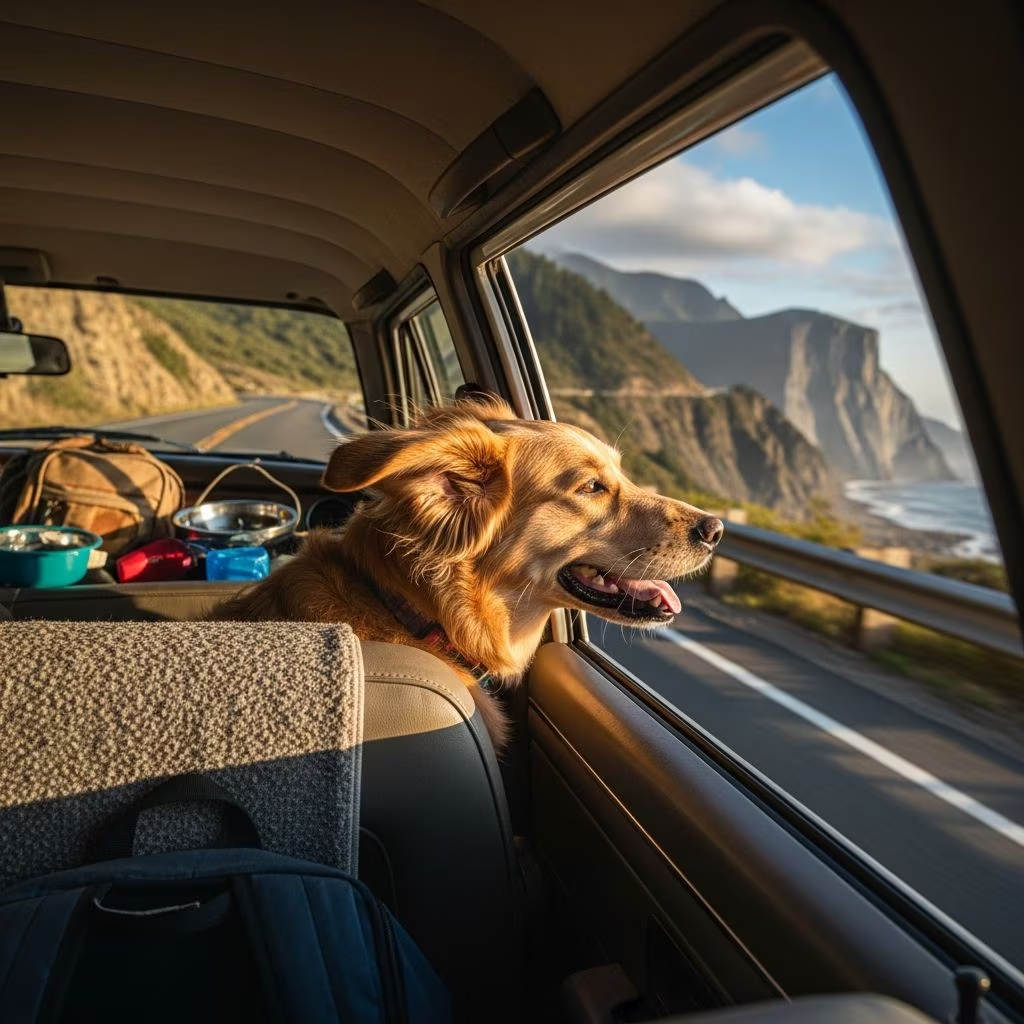
How to Road Trip With Your Dog: Complete Guide
Road trips with your dog can create wonderful memories and strengthen your bond, but they require careful planning and preparation. Whether you’re embarking on a weekend getaway or a cross-country adventure, understanding how to properly prepare your furry companion for travel is essential for a smooth and enjoyable journey. This comprehensive guide covers everything you need to know about traveling with your dog by car.
Pre-Trip Preparation and Health Considerations
Before hitting the road, taking time to prepare your dog properly sets the foundation for a successful trip. Start by scheduling a veterinary appointment to ensure your dog is healthy enough for travel and up-to-date on all vaccinations and preventive medications. This is especially important if you’re traveling to areas where certain diseases may be prevalent.
Update your dog’s identification before departure. Ensure their ID tags contain current contact information and verify that their microchip details are current with your present address and phone number. Consider obtaining a temporary ID tag with your destination address and phone number as an additional precaution. Request a copy of your dog’s vaccination records and health certificate from your veterinarian, particularly if crossing state lines or traveling by air.
Identify veterinary resources along your route and at your destination. Research and note the locations of local veterinary clinics and emergency veterinary hospitals at each stop and your final destination. Having this information readily available provides peace of mind during your travels.
Begin acclimating your dog to car travel well in advance of your trip. Take short practice drives to help your dog adjust to vehicle movement and reduce travel-related stress. A dog that is comfortable with car rides will be a more relaxed and pleasant traveling companion throughout your journey.
Managing Car Anxiety and Motion Sickness
Some dogs experience anxiety or motion sickness during car rides, which can significantly impact the travel experience. Gradual desensitization through short practice drives helps your dog acclimate to vehicle movement and reduces stress levels.
For dogs prone to motion sickness, feed them a smaller meal approximately three hours before departure rather than immediately before traveling. This timing reduces the likelihood of digestive discomfort or accidents during the drive. Keep the vehicle well-ventilated by cracking windows slightly to provide fresh air circulation.
Natural calming solutions can help anxious dogs during travel. Consider options such as:
- Pheromone sprays designed for canine anxiety
- Anxiety wraps that apply gentle pressure
- Specially formulated calming treats
- Veterinary-approved sedative medications for severe cases
For dogs with significant anxiety, consult your veterinarian about appropriate medications specific to your dog’s needs.
Essential Packing Checklist for Road Trips
Packing properly ensures your dog has everything needed for comfort and safety throughout your journey. The open trunk of a car provides advantages over air travel since you aren’t limited by airline weight restrictions and baggage fees.
Food and Water Essentials
Pack sufficient quantities of your dog’s regular food for the entire journey plus a few extra days in case of unexpected delays. Maintaining your dog’s regular diet prevents digestive issues that could derail your trip. Include adequate water or water bottles, as dogs can become dehydrated during travel from stress, mental stimulation, and physical activity.
Bring collapsible silicone food and water bowls that save luggage space while providing practical mealtime solutions. Some collapsible bowls include carabiners that attach conveniently to backpacks or leashes during rest stops. Include water bottles filled with fresh water to ensure consistent hydration throughout your journey.
Pack favorite treats to capture your dog’s attention during stops and exciting moments when they may be distracted by new surroundings and unfamiliar scents. High-value treats prove invaluable for redirecting focus and reinforcing positive behavior during travel.
Safety and Comfort Items
Bring a comfortable dog bed or familiar blanket so your dog doesn’t sleep on cold or uncomfortable ground at rest stops and accommodations. Familiar items that smell like home—such as their favorite blanket or toy—help your dog feel secure in new environments and reduce travel anxiety.
Pack a harness and seat belt clip designed for car travel to keep your dog safely secured while driving. A towel or seat cover protects both your dog from hot seats and your vehicle upholstery from dirt and shedding. Window shades help regulate temperature and reduce glare during sunny drives.
Bring an extra leash and collar in addition to your dog’s regular collar with updated ID tags. This backup ensures you have options if primary equipment becomes lost or damaged during your journey. Even well-trained dogs can be tempted by new sights and smells in unfamiliar territory, so keeping your pup leashed during stops is essential for their safety.
Health and Grooming Supplies
Pack all prescription medications and supplements your dog currently takes, ensuring you have sufficient quantities for the entire trip. Include a comprehensive first aid kit containing essential items for addressing minor health issues that may arise:
- Styptic powder to stop nail bleeding
- Tweezers for removing thorns, splinters, and ticks
- Gauze bandages and medical tape
- Scissors and rubber gloves
- Antibiotic ointment for minor wounds and scratches
- Hydrogen peroxide for flushing larger wounds
- Wet wipes for bathroom accidents
- Benadryl and Pepto Bismol for allergic reactions and upset stomachs (consult your veterinarian for proper dosing)
- A towel or blanket that wraps completely around your dog
- Flashlight for nighttime emergencies
Bring a brush or comb, especially if your dog sheds significantly. Dogs with heavy shedding benefit from regular brushing to manage loose fur in your vehicle. For short-haired breeds, pack a rain jacket to protect against wet weather. Dogs traveling on hikes or rough terrain should have protective dog boots.
Identification and Documentation
Pack a recent photograph of your dog in case you become separated during your travels. Include a copy of your dog’s shot records and health certificate if needed. Store microchip information and vaccination records in an easily accessible location.
Planning Rest Stops and Exercise Breaks
Regular breaks during driving are crucial for your dog’s physical and mental well-being. Plan rest stops every two to three hours to allow your dog to stretch their legs, relieve themselves, and burn off energy. During long drives, plan bathroom breaks every two hours at minimum.
Research dog-friendly rest areas and parks along your route before departing to make these stops more enjoyable and convenient. Apps like BringFido help locate pet-friendly parks, restaurants with outdoor seating, and attractions that welcome dogs. This planning prevents arriving somewhere only to encounter “No Dogs Allowed” signs.
Consider exercising your dog thoroughly before driving segments to encourage napping in the car. A tired dog is generally a more relaxed traveler, making the journey pleasant for everyone involved. Mental stimulation and physical activity before travel help your dog settle and rest during car time.
Car Preparation and Safety Setup
Prepare your vehicle properly to ensure your dog’s safety and comfort during the journey. Install a harness and seat belt clip system designed for car travel to keep your dog safely secured while driving. Never allow your dog to ride unsecured or in the front seat where airbags could cause injury.
Place towels or seat covers on car seats to protect upholstery from dirt, shedding, and accidents. Window shades help regulate interior temperature and reduce glare. Windex wipes or similar cleaning supplies help maintain vehicle cleanliness throughout your trip.
Ensure proper ventilation throughout your vehicle, particularly on warm days. Never leave your dog alone in a parked car, as temperatures can become dangerously hot within minutes, even with windows cracked open.
Accommodation and Lodging Considerations
Before making travel reservations, ensure all accommodations are explicitly pet-friendly and confirm their specific pet policies. Many hotels allow dogs but may have restrictions on size, breed, or number of pets. Ask about amenities such as a mini-fridge if you’re bringing raw food or special dietary items.
Pack items to make hotel rooms more comfortable for your dog, including their bed or familiar bedding. Create a cozy space where your dog can relax and feel secure in the unfamiliar hotel environment. Bring cleaning supplies to handle any accidents, as many hotels charge significant fees for pet-related damage.
Research pet relief areas near your accommodations to make bathroom breaks convenient. Ask hotel staff about nearby parks or designated dog-friendly areas where your pup can exercise safely.
Waste Management and Cleaning Supplies
Pack abundant poop bags and store them in multiple locations—suitcases, purses, backpacks, car trunks, and glove boxes—so you’re always prepared. Many travelers underestimate the number of bags needed and find themselves in inconvenient situations when supplies run out.
Carry a designated tote bag equipped with cleaning supplies for accidents, including paper towels, disinfecting wipes, and used plastic shopping bags. While accidents during car rides and hotel stays are uncommon with well-prepared dogs, having supplies readily available ensures you can address problems immediately without stress.
Entertainment and Enrichment Items
Bring toys to keep your dog occupied and mentally stimulated during car time. Puzzle toys, chew toys, and interactive toys help prevent boredom and anxiety. Rotate toys throughout the trip to maintain your dog’s interest and engagement.
Consider engaging in brief training sessions during rest stops to provide mental stimulation and reinforce positive behavior. Training exercises also help burn mental energy, which can facilitate rest during subsequent driving segments.
Additional Travel Preparations
Research your destination thoroughly before departure. Identify pet-friendly restaurants with outdoor seating, attractions that welcome dogs, and activities suitable for canine companions. Understanding what’s available at your destination helps you plan an enjoyable trip for both you and your dog.
Create a travel document folder containing copies of vaccination records, health certificates, microchip information, identification numbers, and your veterinarian’s contact information. Keep this folder easily accessible throughout your journey.
Consider your dog’s dietary needs and any special requirements. If your dog has food sensitivities or specific dietary restrictions, pack sufficient amounts of their regular food to avoid digestive upset from dietary changes during travel.
Frequently Asked Questions (FAQs)
Q: How often should I stop during a road trip with my dog?
A: Plan rest stops every two to three hours to allow your dog to stretch, relieve themselves, and burn off energy. These breaks are crucial for your dog’s physical and mental well-being during extended car travel.
Q: What should I do if my dog gets car sick?
A: Feed your dog a smaller meal three hours before departure rather than immediately before travel. Keep the vehicle well-ventilated, and consult your veterinarian about natural calming solutions or medications if motion sickness is severe.
Q: How can I help my anxious dog adjust to car travel?
A: Begin with short practice drives well before your trip to gradually acclimate your dog to vehicle movement. Consider pheromone sprays, anxiety wraps, or calming treats. For severe anxiety, consult your veterinarian about appropriate medications.
Q: What identification should my dog have when traveling?
A: Ensure your dog’s ID tags contain current contact information, verify their microchip details are current, and consider obtaining a temporary ID tag with your destination address and phone number for added security.
Q: What’s the most important item to pack for a dog road trip?
A: While all items on the checklist serve important purposes, water and food bowls, regular food, and updated identification are among the most critical items for ensuring your dog’s health and safety during travel.
Q: How can I keep my dog comfortable in the car?
A: Bring familiar items like their bed or favorite blanket, use a harness and seat belt clip for safety, place seat covers to protect upholstery, and maintain proper ventilation. Creating a cozy, secure space helps your dog relax during drives.
Q: Are there apps that help find dog-friendly locations during road trips?
A: Yes, apps like BringFido help locate pet-friendly parks, restaurants with outdoor seating, and attractions that welcome dogs. These apps help prevent arriving at unsuitable locations and make planning easier.
References
- The Ultimate Road Trip Checklist for Your Dog — Travel Pockets. 2024. https://www.thetravelpockets.com/new-blog/ultimate-packing-checklist-for-your-dogs-road-trip
- The Complete Dog Travel Checklist — Continental Kennel Club. 2025-07. https://ckcusa.com/blog/2025/july/the-complete-dog-travel-checklist/
- Travel Check List and Packing List — Dog Jaunt. 2024. https://www.dogjaunt.com/guides/travel-check-list-and-packing-list/
- The Essential Checklist for Traveling With Your Dog — Central Pet. 2024. https://www.centralpetaz.com/blog/dog-travel-checklist
- The Ultimate Dog Packing List — What to Pack for Your Pet — Eagle Creek. 2024. https://eaglecreek.com/blogs/articles/ultimate-dog-packing-list-what-to-pack-for-your-pet
- What To Pack When Road-Tripping With Dogs — Orvis. 2024. https://www.orvis.com/what-to-pack-when-road-tripping-with-dogs.html



