

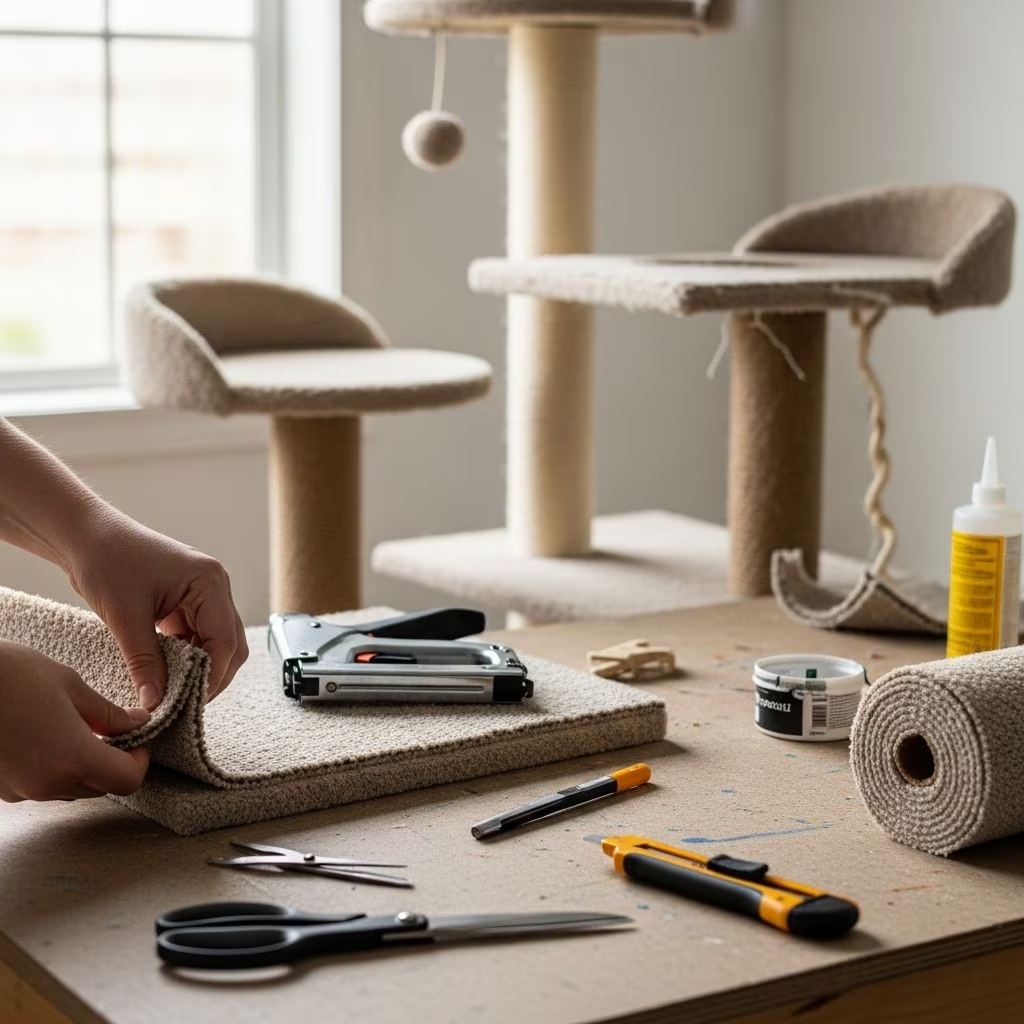
Reupholstering a cat tree breathes new life into your feline friend’s favorite playground, extending its usability while customizing it to their preferences. This DIY project saves money compared to buying a new one and allows personalization with durable, cat-safe materials. Whether your cat tree is shredded from endless scratching or simply outdated, these 13 tips guide you through the process efficiently.
Tools and Materials You’ll Need
Gather essential tools before starting to avoid interruptions. You’ll likely need a razor knife, pliers, nail puller, hammer, and drill for disassembly. For reupholstering, a heavy-duty staple gun and strong adhesive like Gorilla Glue are crucial. Optional items include sandpaper for smoothing wood, scissors for fabric, and a utility knife for precise cuts. Keep cats away during work to prevent injuries or interference.
- Razor knife or utility knife: For cutting old carpet and fabric.
- Pliers and nail puller: To remove stubborn staples and nails.
- Hammer: To tap out nails and secure new staples.
- Drill: For any screw removals or adjustments.
- Heavy-duty staple gun: Essential for attaching new materials securely.
- Gorilla Glue or similar: For bonding foam or hard-to-staple areas.
- Sandpaper (fine grit): To smooth splintered wood.
- Scissors and measuring tape: For fabric and rope handling.
How to Reupholster a Cat Tree
1. Pick Out New Material Before You Start
Selecting materials upfront prevents mid-project delays. Carpet is popular for platforms as cats adore its texture for lounging and light scratching. Use cotton batting or foam for napping spots to add plush comfort. For scratching posts, opt for sisal rope, a natural, twisted fiber that’s durable and satisfies scratching instincts without fraying quickly. Measure your cat tree components first to buy exact amounts—typically 4-6 yards of carpet remnant, batting sheets, and 100-200 feet of 1/4-inch sisal rope depending on post height.
2. Assess the Damage and Disassemble Safely
Inspect platforms, posts, and ramps for wear. Shredded carpet exposes wood, posing splinter risks, while compressed foam loses support. Disassemble by flipping the tree upside down if possible, unscrewing platforms from posts. Label pieces with painter’s tape (e.g., “Shelf A – Top”) to simplify reassembly. Work in a spacious, well-lit area covered with drop cloths to contain debris.
3. Keep Cats Away During the Project
Curiosity can lead to paw injuries from tools or ingestion of foam scraps. Confine cats to another room with toys and litter access. This tip ensures safety and focus, as startled cats might knock over the tree.
4. Take Carpet and Fabric Off in One Piece
Avoid hacking away at old coverings; remove them intact as patterns for new material. Start at seams with a razor knife, gently prying with pliers. This preserves underlying foam shapes and wood integrity, saving time on measurements. For glued sections, apply heat from a hairdryer to loosen adhesive before pulling.
5. Document the Original Assembly
Photograph each step of disassembly, noting screw placements and platform orientations. Sketch a quick diagram if needed. This prevents confusion during reassembly, especially for multi-level trees with cubbies or tunnels.
6. Leave Foam Padding in Place
If foam in lounging areas is intact, reuse it to cut costs and time. Test by pressing—if it rebounds well, skip replacement. For degraded foam, remove in one piece as a template, then cut new foam (1-2 inches thick) to match using an electric knife for clean edges.
7. Sand Down Any Areas That Were Damaged
Old carpet removal often splinters wood. Sand rough spots with 220-grit paper until smooth, wiping dust with a tack cloth. This prevents injuries to cat paws and ensures new fabric adheres flat. Vacuum thoroughly afterward.
8. If Possible, Turn the Cat Tree Upside Down
Upside-down positioning simplifies stapling undersides of platforms without awkward reaches. Secure to a sturdy surface with clamps if unstable. For wall-mounted trees, disassemble fully.
9. Cut New Carpet and Fabric to Size
Use removed pieces as templates, adding 2-3 inches overhang for stapling. For cylindrical posts, wrap paper around first for circumference, then transfer to sisal rope length (post height x 3-4 wraps for thickness). Cut carpet with a fresh razor blade for straight edges.
10. Staple Methodically for a Tight Fit
Start at the center of one side, pulling fabric taut and stapling every 1 inch. Work outward, alternating sides to avoid puckers. Hammer staples flush. For curves, make relief cuts in fabric corners and fold neatly like gift-wrapping.
11. Wrap Sisal Rope Securely on Posts
Anchor rope end with staples at the base, then wind tightly upward, overlapping 1/8 inch per turn. Squish layers down for density, stapling every 4-6 inches and at the top. Use glue between layers for extra hold on high-traffic posts.
12. Add Finishing Touches Like Underlay Fabric
Enhance undersides with fleece or felt using Mod Podge for a clean look. Reassemble with original screws, checking stability by shaking vigorously. Test platforms for wobble.
13. Reintroduce Gradually and Monitor
Allow glue and staples to set 24 hours. Supervise initial cat interactions to ensure acceptance and no unraveling. Sprinkle catnip to entice use.
Common Mistakes to Avoid
- Insufficient staples: Leads to peeling under claws.
- Skipping sanding: Causes snags and injuries.
- Wrong material: Synthetic fabrics shred faster than sisal or carpet.
- Rushing reassembly: Results in unstable structures.
Cost Breakdown Table
| Item | Estimated Cost | Quantity |
|---|---|---|
| Carpet Remnant | $20-40 | 4-6 yards |
| Sisal Rope (1/4-inch) | $15-30 | 100-200 ft |
| Foam/Batting | $10-25 | As needed |
| Staples/Glue | $10 | 1 pack each |
| Total | $55-105 | – |
This is far cheaper than a new cat tree ($100-300), making DIY worthwhile.
Frequently Asked Questions (FAQs)
What materials are best for reupholstering a cat tree?
Carpet for platforms, sisal rope for posts, and foam or batting for padding provide durability and appeal.
How long does reupholstering take?
4-8 hours for a standard tree, plus drying time. Complex designs may take a full weekend.
Can I use regular rope instead of sisal?
No, as it frays easily; sisal’s texture mimics tree bark naturally.
Is a staple gun necessary?
Yes, for secure hold; alternatives like glue fail under scratching.
How do I prevent my cat from rejecting the new tree?
Use familiar textures, add catnip, and transition slowly with supervision.
References
- DIY Cat Tree House: 21 Steps (with Pictures) — Instructables. 2015-10-15. https://www.instructables.com/DIY-Cat-Tree-House/
- DIY Reupholster Cat Tree — YouTube. Accessed 2026. https://www.youtube.com/watch?v=76fA9fUsnA4
- How to Reupholster a Cat Tree: 13 Useful Tips — Catster. 2023-08-12. https://www.catster.com/lifestyle/how-to-reupholster-a-cat-tree/



