

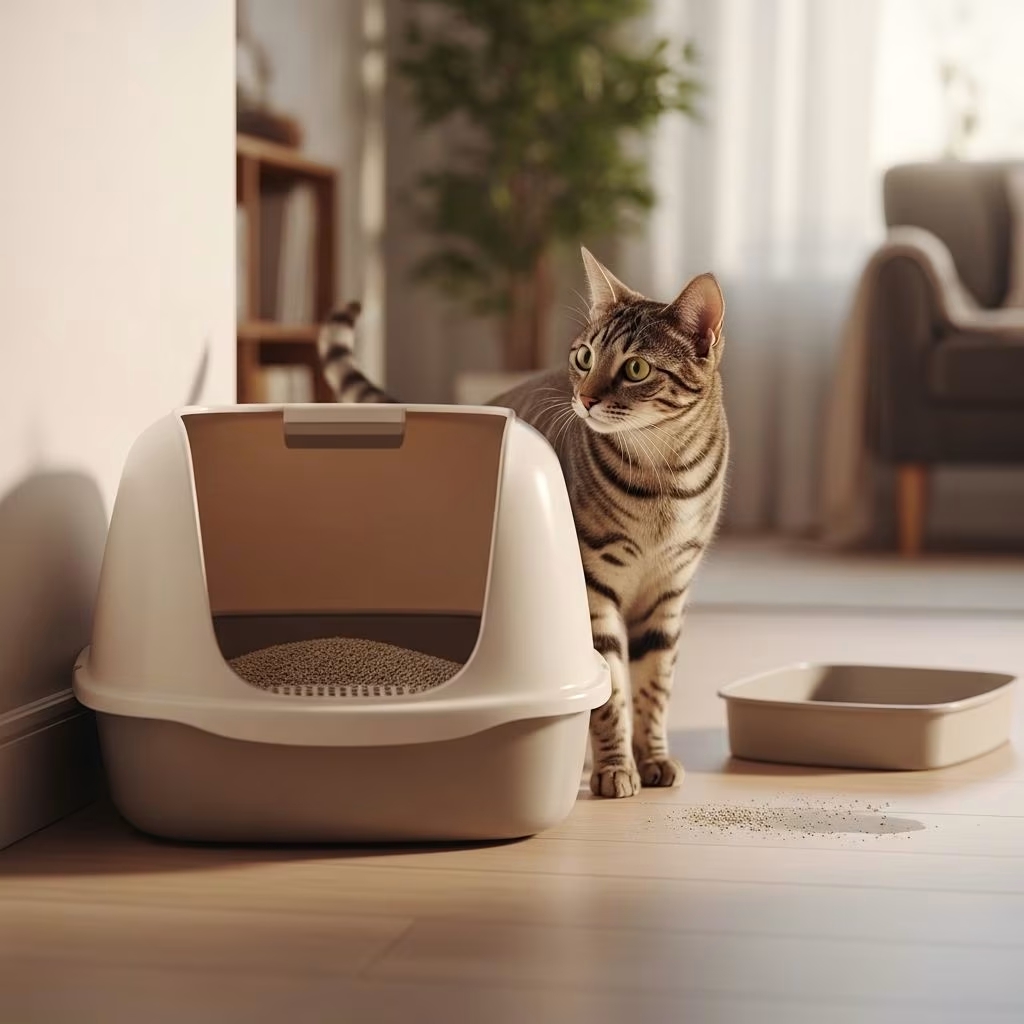
Retraining a cat to use the litter box is a common challenge for many pet owners, especially when a previously well-trained cat suddenly starts eliminating outside the box. This issue can stem from medical problems, stress, or environmental factors, but with patience and a structured approach, most cats can be successfully retrained. The process involves ruling out health issues, using confinement techniques, optimizing the litter box setup, and addressing behavioral triggers to restore good habits.
Why Cats Stop Using the Litter Box
Cats are naturally fastidious animals with a strong instinct to bury their waste in a clean, safe spot. When they avoid the litter box, it’s rarely rebellion but often a signal of discomfort. Common reasons include urinary tract infections, diabetes, arthritis, or stress from changes like new pets, moves, or household disruptions. Behavioral issues, such as litter box aversion due to poor cleaning or unsuitable litter type, also play a role. Understanding these causes is the first step to effective retraining.
Step 1: Rule Out Medical Issues
Before any behavioral retraining, consult a veterinarian to exclude underlying health problems. Conditions like cystitis, kidney disease, or hyperthyroidism can cause painful urination, leading cats to associate the litter box with discomfort and seek alternative spots. A vet exam, including urinalysis, ensures no medical barriers to retraining. For instance, older cats may struggle with high-sided boxes due to mobility issues from arthritis.
- Schedule a full veterinary check-up immediately if accidents are sudden or accompanied by straining, blood in urine, or increased frequency.
- Monitor for symptoms like excessive thirst, weight loss, or lethargy, which indicate systemic issues.
- Treat any diagnosed conditions promptly to facilitate litter box return.
Step 2: Clean and Break the Cycle of Accidents
Thorough cleaning of accident areas is crucial to prevent re-marking. Cats have a keen sense of smell and will return to spots retaining their odor. Use enzymatic cleaners to break down urine proteins completely—regular cleaners won’t suffice.
- Clean soiled areas daily for at least three days, even if they appear odor-free to humans.
- Restrict access to problem spots using baby gates or furniture rearrangement for 1-2 weeks.
- Avoid ammonia-based products, as they mimic urine scent.
Feeding in previously soiled areas can deter return, as cats avoid eliminating where they eat.
Step 3: Confinement for Intensive Retraining
Confinement is a proven, humane method to reestablish litter box habits by limiting choices. Start small to ensure success, gradually expanding access.
Week 1: Total Confinement
Confine your cat to a small bathroom, utility room, or large crate with only the litter box (use attractant litter like Cat Attract), food, water, and hard surfaces—no bedding or rugs. Visit frequently for play and cuddles, but keep the cat inside 24/7. This forces association between elimination needs and the box.
- Choose a quiet, low-traffic room to minimize stress.
- Scoop daily and deep-clean weekly.
- If no accidents after 5-7 days, proceed.
If No Success: Extreme Crate Method
For resistant cats, remove the litter box temporarily, cover the crate floor with litter, and confine for 5-7 days. The cat has no choice but to use it, overcoming aversion. Then, reintroduce 1-2 litter boxes in the crate for 1-2 days, reducing to one, ensuring consistent use before expanding.
Week 2-3: Supervised Expansion
After success, allow supervised time outside the room. Interrupt pre-elimination behaviors (sniffing, crouching) with play, then return to confinement. At night or when away, revert to the safe room. Place additional boxes in the expansion area.
Week 4: Full House Access
Gradually grant full access, using night confinement as a refresher. Monitor closely; setbacks mean restarting a step.
Step 4: Make the Litter Box Appealing
An unappealing box drives avoidance. Optimize setup based on cat preferences.
| Factor | Best Practices |
|---|---|
| Number of Boxes | One per cat plus one extra, in different locations. |
| Size | Large enough for turning around comfortably; avoid tiny or covered boxes. |
| Litter Type | Unscented, clumping; try attractants. Depth: 1-2 inches. |
| Cleaning | Scoop daily, full dump biweekly; cats shun dirty boxes. |
| Location | Quiet, accessible, away from food; multiple quiet spots. |
Experiment with litter textures—fine clumping suits most, but seniors may prefer softer.
Step 5: Address Behavioral Issues and Stressors
Stress disrupts habits. Identify triggers:
- New household members (pets, babies).
- Territorial intruders (stray cats).
- Routine changes or construction noise.
Mitigate with pheromone diffusers, vertical spaces, and consistency. Multi-cat homes need ample resources to reduce competition.
Step 6: Positive Reinforcement
Reward box use with treats or praise immediately after. Never punish accidents— it increases stress and aversion. Gently place in the box if cues are spotted.
Tips for Long-Term Success
- Maintain one box per cat +1 rule.
- Periodic refreshers: night confinement.
- Monitor for relapse; revisit vet if needed.
- Use deterrents like foil or plastic on problem spots temporarily.
Patience is key—retraining takes 2-4 weeks, but success rates are high with diligence.
Frequently Asked Questions (FAQs)
Can you retrain an old cat to use a litter box?
Yes, most cats, regardless of age, instinctively prefer a clean litter box. Patience and adjustments for mobility (low-sided boxes) yield success.
What if my cat still won’t use the box after confinement?
Revisit vet for hidden issues, ensure thorough cleaning, or try the full-crate litter method. Slow progression prevents overwhelm.
How many litter boxes do I need for multiple cats?
One per cat plus one extra, scattered to avoid competition.
Is punishment effective for litter box issues?
No, it heightens stress and worsens problems. Focus on positive methods.
How often should I clean the litter box?
Scoop daily, replace litter every 1-2 weeks for optimal appeal.
References
- Retraining a Cat to the Litter Box — Purr Partners. 2022-04-04. https://www.purrpartners.org/resources/tips/retraining-a-cat-to-the-litter-box/
- Litter Box Retraining — Tiny in her Box. N/A. https://www.tinyinherbox.com/litter-box-retraining
- How to Retrain Your Cat to Use the Litterbox in 5 Simple Steps — Cats.com. N/A. https://cats.com/how-to-retrain-your-cat-to-use-the-litterbox
- Litter Box Problems — ASPCA. N/A. https://www.aspca.org/pet-care/cat-care/common-cat-behavior-issues/litter-box-problems
- Preventing and Solving Litter Box Problems — Animal Humane Society. N/A. https://www.animalhumanesociety.org/resource/preventing-and-solving-litter-box-problems
- How to Help Get Your Cat to Use the Litter Box — Fresh Step. N/A. https://www.freshstep.com/cat-care/how-to-use-litter-box/



