

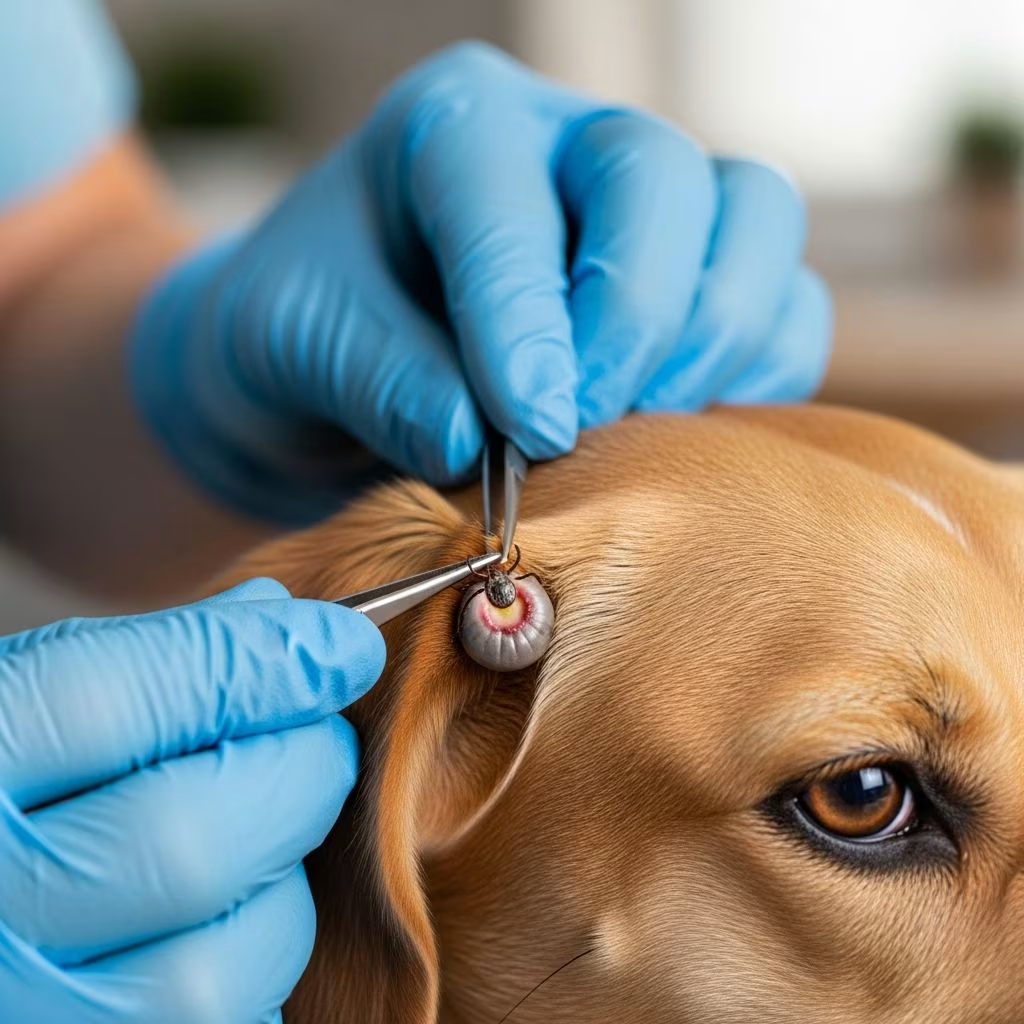
How to Remove a Tick from a Dog
Discovering a tick on your dog can be concerning, but knowing how to remove it safely and effectively can help protect your pet from tick-borne illnesses. Ticks are parasitic arachnids that attach themselves to dogs and feed on their blood, potentially transmitting diseases like Lyme disease, babesiosis, and ehrlichiosis. The key to tick removal is acting quickly and methodically to ensure complete removal without squeezing the tick or leaving its mouthparts embedded in your dog’s skin. This comprehensive guide will walk you through the proper tick removal process and help you understand why certain methods are ineffective.
Why Prompt Tick Removal Matters
Time is of the essence when it comes to tick removal. Pathogen transmission can occur as quickly as three to six hours after a tick bite, meaning the longer a tick remains attached to your dog, the greater the risk of disease transmission. This is why it’s crucial to remove ticks as soon as you notice them. Additionally, ticks can cause local skin irritation and inflammation at the bite site due to their toxic saliva, which can lead to swelling and discomfort for your pet. By removing ticks promptly and correctly, you minimize the risk of infection and other complications.
Tools and Materials You’ll Need
Before attempting to remove a tick, gather the necessary materials to ensure a safe and effective removal process:
- Fine-point tweezers: These are essential for grasping the tick close to the skin without damaging it. Avoid household tweezers with blunt tips, as they may tear the tick and spread infectious material into the bite area.
- Tick removal hook or tool: Specialized tick removal devices like the Tick Tornado or Tick Stick are designed specifically for this purpose and can be easier to use than tweezers. These tools feature prongs that grasp the tick on either side for safe removal.
- Non-latex, powder-free gloves: Wearing gloves protects you from potential disease transmission, as ticks can carry pathogens that affect humans as well.
- Rubbing alcohol: This is used both to disinfect the bite area and to dispose of the tick after removal.
- Antibiotic ointment: This helps prevent infection at the bite site after the tick is removed.
Step-by-Step Tick Removal Process
Following the correct removal procedure is essential to avoid complications. Here’s how to safely remove a tick from your dog:
Step 1: Prepare Your Dog and Workspace
Start by wearing non-latex, powder-free gloves to protect yourself from disease transmission. Have another person available to help keep your dog calm and still during the process. You can offer treats or verbal reassurance to help your dog remain relaxed. If your dog is particularly anxious or aggressive, consider consulting your veterinarian for guidance on managing the situation safely.
Step 2: Part the Fur
Gently part your dog’s fur around the tick so you can see exactly where the tick is attached to the skin. This step is crucial because it allows you to grasp the tick as close to the skin as possible, maximizing the chances of complete removal without leaving mouthparts behind.
Step 3: Grasp the Tick Properly
Using your fine-point tweezers or tick removal tool, grasp the tick as close to the skin as possible, but avoid applying pressure directly to the skin or the tick’s body. The closer your tweezer tips are to the skin, the greater your chances of extracting the entire tick intact. Never grab the tick by its body, as squeezing can cause it to expel blood and infectious material back into your dog.
Step 4: Remove with Steady Pressure
Pull the tick straight upward with a slow, steady, even motion. Avoid jerking, twisting, or sudden movements, as these actions can cause the tick’s mouthparts (proboscis) to break off and remain embedded in your dog’s skin. Some traditional methods recommended twisting, but modern veterinary guidance emphasizes a straight, upward pull for safer removal. If you’re using a tick removal hook, position the prongs on either side of the tick and gently twist upward instead.
Step 5: Inspect the Removal Site
After removing the tick, examine the area on your dog’s skin to ensure the entire tick, including its mouthparts, has been removed. Look for any remaining tick fragments. If you notice any part of the tick still embedded in the skin, do not attempt further home removal—contact your veterinarian immediately to have the remainder extracted professionally.
Step 6: Dispose of the Tick Safely
Never crush a tick with your fingers, as its blood can contain disease-causing organisms. Instead, dispose of the tick by placing it in rubbing alcohol, wrapping it tightly in tape, or putting it in a sealed container or bag. If you prefer to flush it down the toilet, ensure the tick is dead first by drowning it in alcohol. Do not flush live ticks, as they may survive and potentially cause problems.
Step 7: Clean and Disinfect
After removing the tick, clean the bite area on your dog’s skin with soap and water, or use rubbing alcohol to disinfect the site. Apply a small amount of antibiotic ointment to help prevent infection and promote healing. Wash your hands thoroughly after handling the tick and materials.
Methods to Avoid
Over the years, various home remedies and myths about tick removal have circulated. It’s important to understand which methods are ineffective and potentially harmful:
Petroleum Jelly and Nail Polish
Covering a tick with petroleum jelly, nail polish, or other substances is not an effective or reliable method for tick removal. This myth persists despite having no scientific basis. Smothering a tick doesn’t cause it to detach and may actually prolong the tick’s attachment, increasing the risk of disease transmission.
Heat Application
Applying heat to a tick using a match, lighter, or hot nail is dangerous and ineffective. This method can burn your dog, cause the tick to burrow deeper into the skin, or cause the tick to expel infectious material into your pet. Never attempt this removal technique.
Gasoline and Chemical Irritants
Similar to other smothering methods, applying gasoline, lidocaine, or other chemical irritants will not effectively remove the tick and may harm your dog or cause skin irritation. These substances are not recommended by veterinary professionals.
Aftercare and Monitoring
After removing a tick, monitor the bite site for several days. It’s normal to see slight swelling or redness at the bite location due to the tick’s toxic saliva, but this should subside within a few days. If the swelling persists, becomes increasingly red, or shows signs of infection, contact your veterinarian. Additionally, watch your dog for signs of illness in the weeks following tick removal, such as lethargy, fever, loss of appetite, or lameness, as these could indicate tick-borne disease transmission.
Tick Prevention Strategies
While knowing how to remove ticks is important, prevention is always preferable to treatment. Work with your veterinarian to establish a comprehensive tick prevention plan:
- Year-round preventive medications: Veterinarian-approved flea and tick preventives are highly effective at preventing tick attachment and are available in various forms including oral medications, topical treatments, and collars.
- Regular inspections: Check your dog daily, especially after outdoor activities, for any attached ticks. Early detection makes removal easier.
- Environmental management: Keep your yard well-maintained by removing leaf litter and tall grass where ticks thrive.
- Avoid tick-prone areas: When possible, avoid areas known to have high tick populations during peak tick season.
When to Contact Your Veterinarian
Seek professional veterinary assistance if you encounter any of the following situations:
- You’re unsure whether the entire tick has been removed
- Tick mouthparts remain embedded in your dog’s skin
- The bite site shows signs of infection or severe inflammation
- Your dog displays symptoms of tick-borne illness after a tick removal
- Your dog becomes stressed or aggressive during the removal process
- You’re uncomfortable performing the removal yourself
Frequently Asked Questions
Q: Can I remove a tick with my bare hands?
A: No, you should never remove a tick with your bare hands. This is ineffective and increases your risk of disease transmission. Always wear non-latex, powder-free gloves and use tweezers or a tick removal tool.
Q: What happens if I leave the tick’s head in my dog’s skin?
A: If the tick’s mouthparts remain embedded, they may cause localized irritation or infection. Contact your veterinarian to have the remaining parts removed professionally rather than attempting further home extraction.
Q: How long does it take for a tick to transmit disease?
A: Disease transmission can occur as quickly as three to six hours after attachment, which is why prompt removal is essential. The longer the tick remains attached, the greater the risk of infection.
Q: Is it okay to burn a tick off my dog?
A: No, applying heat to remove a tick is dangerous and ineffective. It can burn your dog, cause the tick to burrow deeper, or trigger the tick to expel infectious material into your pet.
Q: What should I do if my dog shows signs of illness after tick removal?
A: Contact your veterinarian promptly if your dog exhibits symptoms like fever, lethargy, loss of appetite, or lameness, as these may indicate tick-borne disease transmission.
Q: Can ticks transmit diseases to humans?
A: Yes, ticks can transmit diseases to humans as well as dogs. This is why wearing gloves during tick removal and proper disposal of the tick are important safety measures.
References
- How to Remove a Tick from Your Dog — American Kennel Club. https://www.akc.org/expert-advice/health/how-to-remove-tick-from-dog/
- Ticks on Dogs | How to Remove a Tick from a Dog — Blue Cross. https://www.bluecross.org.uk/advice/dog/health-and-injuries/ticks-on-dogs
- True or False: A Good Hack for Getting a Tick Off Your Pet — VCA Hospitals. https://vcahospitals.com/shop/articles/true-or-false-can-you-take-a-tick-off-pets-with-petroleum-jelly-or-nail-polish
- How to Correctly Remove Ticks? — FOUR PAWS International. https://www.four-paws.org/our-stories/publications-guides/correctly-remove-ticks
- Dogs and Ticks: How to Spot & Remove — American Red Cross. https://www.redcross.org/take-a-class/resources/learn-pet-first-aid/dog/ticks



