

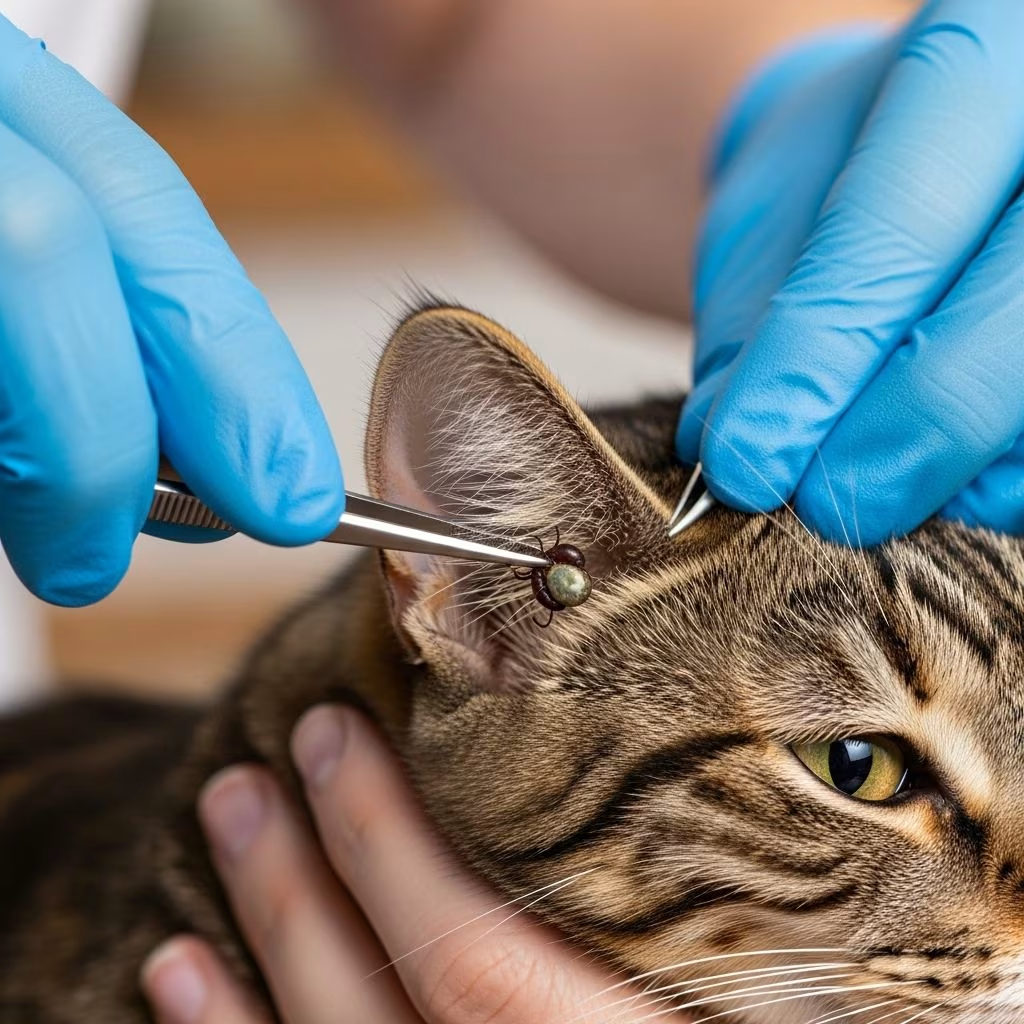
How to Remove a Tick from a Cat: Safe Steps and Best Practices
Finding a tick on your beloved feline can be alarming, but with the right knowledge and preparation, you can safely remove it at home. Ticks are small parasites that can transmit serious diseases to your cat, making prompt and proper removal essential. This comprehensive guide will walk you through everything you need to know about identifying, removing, and preventing ticks on your cat.
Why Proper Tick Removal Matters
Ticks pose significant health risks to cats and can transmit various diseases through their saliva and bodily fluids. When a tick feeds on your cat, it can transmit pathogens that cause serious conditions. Improper removal methods, such as squeezing the tick’s body or twisting it off incorrectly, can increase the risk of disease transmission by forcing infected material back into your cat’s bloodstream. Additionally, leaving the tick’s head embedded in your cat’s skin can cause infection and inflammation. Understanding the correct removal technique is therefore critical for your cat’s health and safety.
Essential Tools and Supplies You’ll Need
Before attempting to remove a tick from your cat, gather all necessary supplies. Having everything ready beforehand makes the process faster and less stressful for both you and your pet. Here are the items you should prepare:
- A pair of fine-tipped tweezers or a specialized tick-removal tool
- Disposable latex-free, powder-free gloves
- Isopropyl rubbing alcohol (70% concentration)
- A small container or jar filled with isopropyl alcohol
- Paper towels or tissues
- Feline-friendly antiseptic containing chlorhexidine or povidone-iodine
- Triple-antibiotic ointment (optional but recommended)
- A second pair of hands if possible (to help distract your cat)
Having all these items within reach before you begin will help ensure a smooth and efficient tick removal process.
Identifying a Tick on Your Cat
Before removing anything from your cat’s skin, you must confirm that what you’re looking at is actually a tick. Ticks have distinctive characteristics that set them apart from other skin conditions or growths. Ticks are dark brown or black and have eight legs, making them relatively easy to identify once you know what to look for. When a tick has recently fed and is engorged with blood, it may appear light brown, silver, or gray-green in color. The size can vary depending on how long the tick has been feeding, ranging from the size of a small seed to that of a small bean. If you’re uncertain whether the growth on your cat’s skin is actually a tick, consult your veterinarian before attempting removal.
Step-by-Step Tick Removal Process
Step 1: Prepare Your Cat and Environment
Before beginning the removal process, create a calm and controlled environment. If possible, have a friend or family member help you. They can gently distract your cat with their favorite toy, treat, or gentle petting to keep them calm and still during the procedure. Speak to your cat in soothing tones to help reduce anxiety. Gently restrain your cat in a comfortable position where you have clear access to the tick.
Step 2: Put on Protective Gloves
Always wear disposable, latex-free, powder-free gloves before handling a tick. This protects both you and your cat from potential disease transmission. Ticks can carry pathogens that may affect humans as well, so proper protection is essential.
Step 3: Sterilize Your Tools
Before touching the tick, sterilize your tweezers or tick removal tool with isopropyl rubbing alcohol. This reduces the risk of introducing bacteria into the tick wound and helps ensure the removal process is as hygienic as possible.
Step 4: Prepare the Removal Area
Using your gloved fingers, gently part your cat’s fur around the tick to expose it fully. Soak a paper towel or tissue with isopropyl rubbing alcohol and have it ready for immediate placement of the tick after removal. A clear view of the tick and its attachment point is crucial for safe removal.
Step 5: Grasp the Tick Correctly
Using your tweezers or specialized tick-removal tool, grasp the tick as close to your cat’s skin as possible. Your goal is to grip the head and mouthparts of the tick, not its body. Try not to squeeze the tick’s body, as this can force infected material back into your cat’s skin. If using a tick-removal tool, hook it under the tick flat against your cat’s skin, similar to how you would use a nail remover to extract a nail.
Step 6: Remove the Tick with Steady Motion
Once you have a firm grip on the tick’s head, pull with a firm and steady upward motion. Do not jiggle, squeeze, twist, or rotate the tweezers. A smooth, continuous pull is most effective. If using a specialized tick-removal tool, rotate it in a clockwise direction several times until the tick comes loose, then gently lift it away from the skin.
Step 7: Dispose of the Tick Immediately
Immediately after removal, place the tick into the container filled with isopropyl rubbing alcohol. The alcohol will kill the tick instantly, making it safe to handle and dispose of. Never crush a tick with your fingers, as this can spread pathogens and potentially expose you to disease. Do not attempt to burn ticks off or use lotion to suffocate them, as these methods are ineffective and unsafe.
After Tick Removal: Wound Care and Monitoring
Inspect the Bite Area
Before your cat has a chance to wander off, carefully examine the area where the tick was attached. Ensure that the entire tick has been removed, including the head and mouthparts. If you notice that the tick’s head or mouthparts remain embedded in your cat’s skin, blot the area with isopropyl alcohol-soaked tissue. The embedded parts should disengage naturally within a day or two. While the urge to dig out remaining tick parts may be strong, doing so can cause further inflammation and increase infection risk.
Clean and Treat the Wound
Wash the bite area with pet-friendly soap and water, then gently pat dry with a clean tissue. Apply a feline-friendly antiseptic containing chlorhexidine or povidone-iodine to the bite site. Some cat owners also choose to apply a thin layer of triple-antibiotic ointment for additional protection. This step is essential in preventing secondary infections at the bite site.
Monitor for Complications
Keep a close eye on the tick bite over the following days. Some redness and temporary scabbing is normal and expected. However, if you notice significant swelling, discharge, warmth, or signs of infection, contact your veterinarian immediately. Monitor your cat for any signs of illness, lethargy, or behavioral changes that might indicate tick-borne disease transmission.
When to Seek Veterinary Help
While many pet owners can successfully remove ticks at home, there are situations where professional help is recommended. Contact your veterinarian if:
- Your cat is extremely anxious or aggressive and won’t hold still
- You lack the necessary tools or supplies for proper removal
- You’re uncomfortable or uncertain about removing the tick yourself
- The tick’s head remains embedded after your removal attempt
- Signs of infection or complications develop at the bite site
- Your cat shows signs of tick-borne illness
Your veterinarian can safely remove the tick and provide any necessary treatment or preventive care.
Tick Prevention Strategies
Prevention is always better than treatment. Consider using topical tick control medications prescribed by your veterinarian. These come in tubes that you squeeze to dispense the liquid between your cat’s shoulder blades, where they cannot lick it off. The solution must dry or be absorbed before your cat contacts other pets, and you should avoid petting your cat until the medication has fully dried. Your veterinarian can recommend the best tick prevention option based on your cat’s age, health status, and lifestyle.
Common Mistakes to Avoid
Understanding what not to do is just as important as knowing the proper removal technique. Avoid these common mistakes when removing ticks from your cat:
- Never squeeze or crush the tick’s body
- Don’t twist or jiggle the tick during removal
- Avoid using your bare fingers to grasp or crush the tick
- Don’t attempt to burn the tick off with matches or lighters
- Avoid using petroleum jelly, nail polish, or other suffocation methods
- Never leave the tick’s head embedded in your cat’s skin
- Don’t dispose of the tick without killing it first
Frequently Asked Questions
Q: How quickly should I remove a tick from my cat?
A: Remove ticks as soon as you notice them. The longer a tick remains attached, the greater the risk of disease transmission. Early removal is critical for your cat’s health and safety.
Q: Can I use tweezers instead of a specialized tick-removal tool?
A: Yes, fine-tipped tweezers work well for tick removal. However, specialized tick-removal tools may be easier to use and provide better control. Both options are acceptable if used correctly.
Q: What should I do if the tick’s head remains in my cat’s skin?
A: Apply isopropyl alcohol to the area and allow it to disengage naturally over the next day or two. Avoid attempting to dig it out, as this can cause additional inflammation and infection risk.
Q: Can ticks transmit diseases to humans?
A: Yes, some ticks can transmit diseases to humans, which is why wearing gloves and practicing good hygiene during removal is important. Always wash your hands thoroughly after handling a tick.
Q: How can I prevent my cat from getting ticks?
A: Use veterinarian-prescribed topical or oral tick prevention medications, keep your indoor environment clean, regularly check your cat’s skin, and avoid exposing your cat to tick-infested areas when possible.
References
- How to Remove a Tick from a Cat — ADAMS Pet Care. 2024. https://www.adamspetcare.com/expert-care-tips/pest-treatment-and-prevention/how-to-remove-a-tick-from-a-cat
- How to Remove a Tick From a Cat — PetMD. 2024. https://www.petmd.com/cat/care/how-remove-tick-cat
- Cats and Ticks: How to Spot and Remove Ticks — Blue Cross UK. 2024. https://www.bluecross.org.uk/advice/cat/health-and-injuries/cats-and-ticks
- How to Identify & Remove a Tick From a Cat — Hill’s Pet Nutrition. 2024. https://www.hillspet.com/cat-care/healthcare/how-to-remove-a-tick-from-a-cat
- Ticks On Cats: Identification, Symptoms & Removal — Greencross Vets. 2024. https://www.greencrossvets.com.au/pet-library/articles-of-interest/ticks-on-cats-guide-2/
- Ticks on Dogs and Cats — RSPCA UK. 2024. https://www.rspca.org.uk/adviceandwelfare/pets/general/ticks
- Cats and Ticks: How to Spot & Remove — American Red Cross. 2024. https://www.redcross.org/take-a-class/resources/learn-pet-first-aid/cat/ticks



