

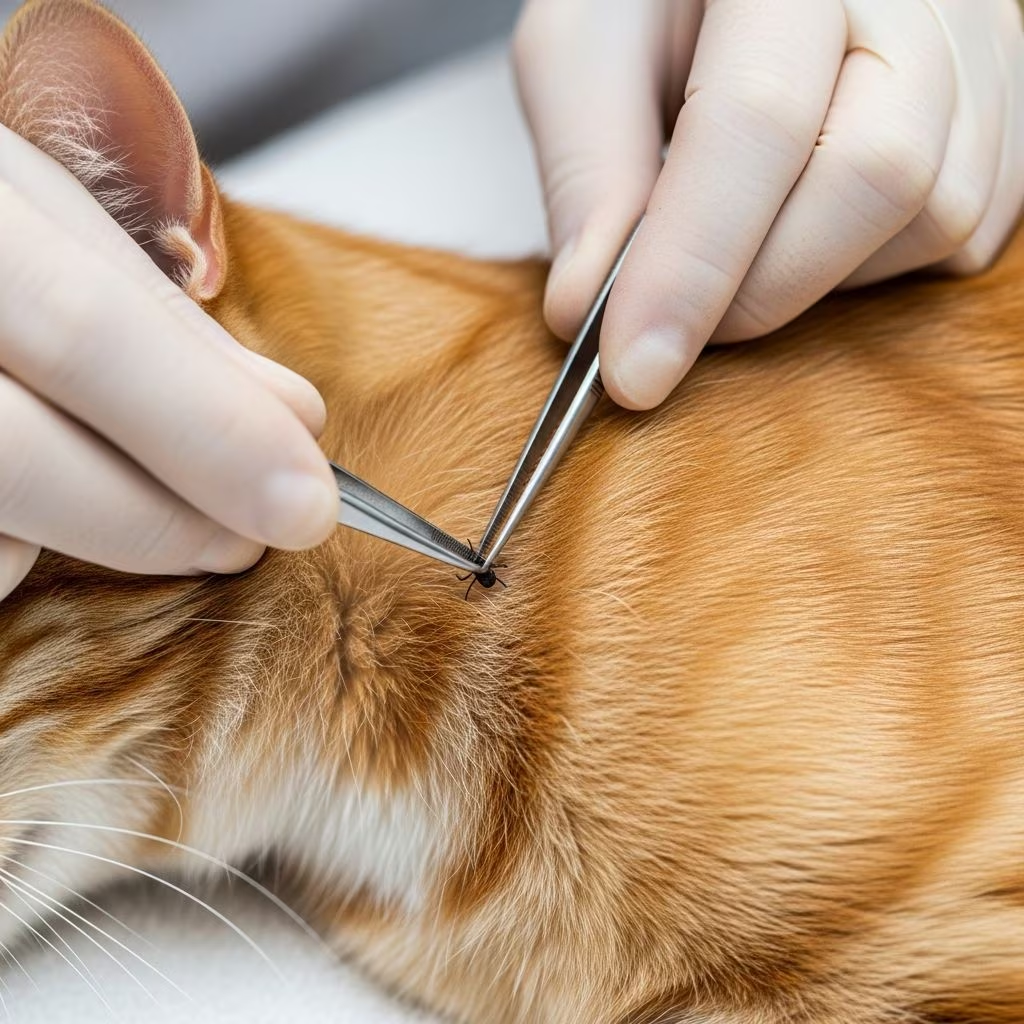
Ticks pose a significant threat to cats, capable of transmitting serious diseases like Lyme disease through bites. Safely removing a tick requires precision to avoid leaving mouthparts embedded in the skin, which can lead to infection. This guide provides detailed, veterinarian-recommended steps for identification, removal, prevention, and monitoring, ensuring your cat’s health is protected.
What Does a Tick Look Like on a Cat?
Identifying a tick promptly is crucial, as they embed themselves to feed on blood, swelling significantly in size. Ticks on cats appear as small, dark brown or black bumps with eight legs, often mistaken for skin tags, moles, or debris. When engorged with blood, they turn light brown, gray, or even greenish, growing to the size of a grape. Unlike fleas, ticks do not jump; they latch onto areas like the head, neck, ears, armpits, groin, or between toes where skin is thin.
- **Size and Shape:** Tiny (sesame seed) when unfed; balloon-like when full.
- **Color:** Dark before feeding; lighter post-feeding.
- **Movement:** Immobile once attached; legs may twitch if disturbed.
- **Common Locations:** Ears, eyelids, neck, belly, and paws.
Part the fur gently in tick-prone areas during grooming sessions. If unsure, compare against images from reliable veterinary sources or consult a vet.
Tools You’ll Need to Remove a Tick From a Cat
Gather these essentials before starting to ensure safe, efficient removal:
- Fine-tipped tweezers or tick-removal tool: Preferred for gripping close to skin without squeezing.
- Latex or nitrile gloves: Prevent zoonotic disease transmission to humans.
- Isopropyl alcohol (rubbing alcohol): For killing and disposing of the tick.
- Feline-safe antiseptic: Chlorhexidine or povidone-iodine for bite wound cleaning.
- Container or jar: To hold alcohol for tick submersion.
- Treats: For distracting your cat.
Tick-twisting tools, available in pet stores or online, feature slits for hooking under the tick. Homemade alternatives like a notched credit card work in emergencies but are less precise.
How to Remove a Tick From a Cat (Step-by-Step)
Follow these vet-approved steps meticulously to minimize infection risk:
- Distract and Restrain Your Cat: Calm your cat with treats or enlist help. Wrap in a towel if needed, exposing only the tick area.
- Locate and Confirm the Tick: Part fur to expose the tick fully. Ensure it’s not a wart or debris—ticks have visible legs and a hard body.
- Put on Gloves and Prepare: Fill a container with isopropyl alcohol. Disinfect tools.
- Use the Tick Removal Tool or Tweezers: Slide the tool or tweezers under the tick, as close to the skin as possible without squeezing the body.
- Twist and Lift (Tool Method): Twist gently in one direction until the tick loosens, then lift slowly. Avoid pulling upward forcefully.
- Pull Straight (Tweezers Method): Grasp firmly and pull steadily outward with even pressure until the skin tents and the tick releases. Do not twist or jerk.
- Inspect the Tick: Verify the head and mouthparts are intact. If embedded, seek veterinary help immediately.
- Clean the Bite Area: Apply antiseptic to the wound and surrounding skin. Monitor for redness or swelling.
- Dispose of the Tick Safely: Submerge in alcohol, seal in a bag, tape tightly, or flush down the toilet.
- Wash Up: Clean hands, tools, and surfaces thoroughly.
If the tick resists or your cat struggles, stop and visit a vet to avoid complications.
What NOT to Do When Removing Ticks From Cats
Certain methods increase disease transmission or injury risk:
- Never squeeze or crush the tick: This forces pathogens into the wound.
- Avoid petroleum jelly, nail polish, or heat: These irritate the tick, prompting regurgitation of infectious fluids.
- Do not twist with tweezers: Risks breaking off mouthparts, causing abscesses.
- Skip bare fingers: Ticks carry diseases transmissible to humans.
Myths persist, but evidence supports steady mechanical removal only.
How to Identify a Tick Bite on a Cat
Post-removal, watch for bite signs: a small red bump, scab, or irritation at the site. Engorged ticks cause noticeable swelling. Check daily in high-risk seasons (spring-fall).
| Tick Bite Signs | Symptoms | Action |
|---|---|---|
| Redness/Swelling | Mild inflammation | Clean & monitor |
| Limp or Lameness | Joint pain | Vet visit |
| Fever/Lethargy | Systemic infection | Immediate vet |
Tick Bites on Cats: Diseases, Symptoms & Treatment
Ticks transmit Lyme disease (Borrelia burgdorferi), cytauxzoonosis, and anaplasmosis. Symptoms include fever, lethargy, loss of appetite, lameness, swollen joints, anemia, and jaundice. UK/EU cats face Lyme risk; US cats risk feline cytauxzoonosis, often fatal without prompt antibiotics or supportive care. Save removed ticks for vet identification. Treatment involves doxycycline or hospitalization; prevention is key. Monitor 2-4 weeks post-bite.
How to Prevent Ticks on Cats: Vet-Approved Methods
Proactive prevention reduces risks:
- Topical Treatments: Fipronil or imidacloprid spot-ons (e.g., Frontline) applied monthly between shoulders.
- Oral Preventives: Chewables like fluralaner (Bravecto) kill ticks after attachment.
- Tick Collars: Seresto collars release repellents over 8 months.
- Environmental Control: Mow lawns, remove leaf litter, avoid wooded areas.
- Regular Checks: Daily full-body inspections, especially post-outdoors.
- Vaccines: Lyme vaccine for high-risk cats (consult vet).
Always use cat-specific products; dog formulas can be toxic.
When to See a Vet After Removing a Tick From Your Cat
Seek professional care if:
- Mouthparts remain embedded.
- Bite site shows infection (pus, heat, expanding redness).
- Cat develops fever, vomiting, diarrhea, or behavioral changes.
- Multiple ticks found, indicating infestation.
- Tick tests positive for pathogens (labs available).
Vets may prescribe antibiotics prophylactically.
How to Check Your Cat for Ticks
Perform weekly checks:
- Use a flea comb in good light.
- Feel for bumps while petting.
- Focus on hidden spots: ears, under chin, armpits, groin, tail base.
- Bathe or groom regularly to dislodge.
Outdoor/indoor cats in tick-endemic areas need vigilance year-round.
Frequently Asked Questions (FAQs)
What happens if you don’t remove a tick from a cat?
Untreated ticks feed for days, transmitting diseases and causing anemia or irritation.
Can I pull a tick out with my fingers?
No—use tools to avoid squeezing and disease spread. Gloves protect you.
How long does it take for a tick to transmit Lyme disease to a cat?
Typically 24-48 hours of attachment.
Are ticks dangerous for indoor cats?
Less so, but possible via clothing, other pets, or open windows.
Can cats get Lyme disease from ticks?
Yes, though rarer than in dogs; symptoms mimic other illnesses.
References
- How To Remove a Tick From A Dog Or Cat — PDSA. 2022-07-01. https://www.pdsa.org.uk/pet-help-and-advice/pet-health-hub/conditions/how-to-remove-a-tick-from-a-dog-or-cat
- How to Remove a Tick From a Cat — PetMD. 2023-05-15. https://www.petmd.com/cat/care/how-remove-tick-cat
- How to remove ticks from your dog, cat, or horse — Vetster. 2024-02-20. https://vetster.com/en/wellness/how-to-remove-ticks-from-your-dog-cat-horse
- How to Remove a Tick From a Cat & Other Cat Tick Questions — Purina. 2023-11-10. https://www.purina.com/articles/cat/health/parasites/how-to-remove-tick-from-cat
- Ticks and Tick Removal — International Cat Care. 2024-01-05. https://icatcare.org/articles/ticks-and-tick-removal



