

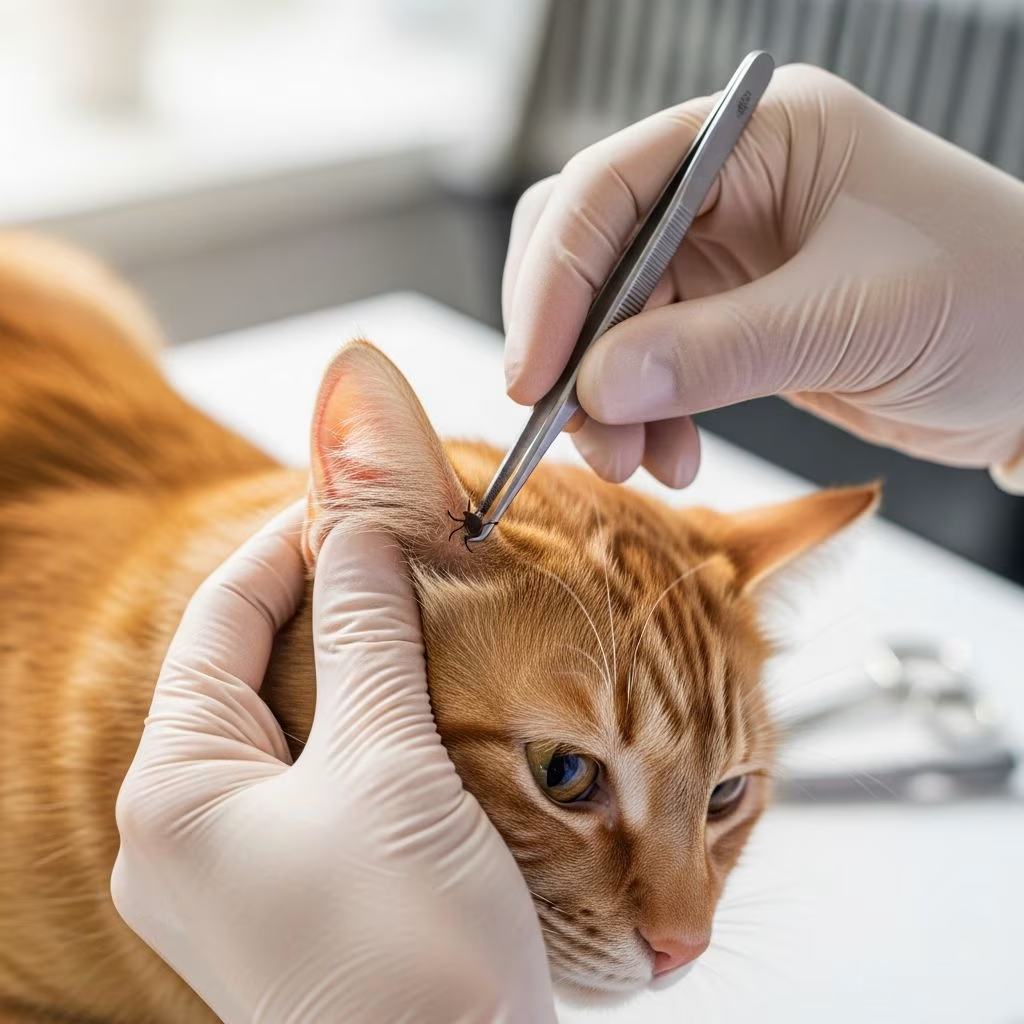
Ticks pose a significant health risk to cats, potentially transmitting diseases like Lyme disease if not removed properly. Knowing how to safely extract a tick from your cat can prevent infections and ensure your pet’s well-being. This comprehensive guide outlines vet-approved methods, tools, prevention strategies, and when to seek professional help, drawing from reliable veterinary sources to equip cat owners with essential knowledge.
What Does a Tick Look Like on a Cat?
Identifying a tick promptly is crucial for your cat’s health. Ticks appear as small, dark brown or black bumps with eight legs, often resembling skin tags but distinguished by their leggy appearance. When engorged with blood, they swell to the size of a pea, turning light brown, silver, or gray-green. Common attachment sites include the head, neck, ears, armpits, groin, and between toes, where fur is thinner. Unlike fleas, ticks do not jump; they latch on during outdoor exposure in wooded, grassy, or brushy areas. Regular checks after outdoor time help spot these parasites early, minimizing disease transmission risk.
Ticks have four life stages—egg, larva, nymph, and adult—with larvae and nymphs being tiny (pinhead-sized) and harder to detect. Adult ticks are more visible but can embed deeply. Distinguishing ticks from debris or warts requires parting the fur and observing movement or the tick’s rounded body. Early detection reduces the chance of pathogens entering your cat’s bloodstream.
Tools You’ll Need to Remove a Tick From a Cat
Proper tools ensure safe tick removal without leaving mouthparts embedded, which can lead to infection. Essential items include:
- Fine-tipped tweezers or tick-removal tool: Preferred for grasping close to the skin without squeezing the body.
- Latex or nitrile gloves: Protect against pathogens during handling.
- Isopropyl alcohol (rubbing alcohol): Kills the tick and cleans the site.
- Feline-friendly antiseptic: Chlorhexidine or povidone-iodine solutions disinfect the bite area.
- Small container: For drowning the tick in alcohol.
- Treats: To distract and reward your cat.
Treats and a helper calm your cat, making the process smoother. Avoid bare hands or blunt tools, as they increase infection risks. Tick-removal tools, available at pet stores, feature a slit for hooking under the tick like a hammer pulls a nail.
How to Remove a Tick from Your Cat: Step-by-Step Guide
Follow these precise steps for effective removal, minimizing trauma and disease risk. Always confirm it’s a tick by its eight legs and lack of fur.
Step 1: Distract Your Cat
Gently restrain your cat on a stable surface and offer treats or play to keep them calm. Enlist a helper if needed. Stress can make your cat squirm, complicating removal.
Step 2: Locate the Tick
Part the fur around suspicious bumps, especially in hidden areas. Use good lighting to verify it’s a tick, not a wart or debris. Ticks feel hard and may pulse slightly.
Step 3: Use the Tick Removal Tool or Tweezers
With Tweezers: Grasp the tick as close to the skin as possible without squeezing. Pull gently and steadily upward until it releases—do not twist or jerk, as this risks leaving mouthparts.
With Tick Tool: Slide the tool’s slit under the tick near the skin. Twist in one direction (clockwise or counterclockwise) until it loosens, then lift away. This ‘unscrew’ method safely detaches barbed mouthparts.
Expect resistance; patience prevents breakage. If the tick resists, stop and consult a vet.
Step 4: Clean the Bite Area
Apply antiseptic like chlorhexidine to the site. Monitor for redness, swelling, or discharge over days.
Step 5: Dispose of the Tick Safely
Drop the tick into isopropyl alcohol to kill it instantly. Flush down the toilet, seal in tape, or trash the container. Never crush with fingers, as this spreads pathogens.
Step 6: Wash Up
Remove gloves, wash hands thoroughly with soap, and disinfect tools. Launder any contacted fabrics.
Step 7: Reward Your Cat
Offer treats and affection to end positively, associating the process with positivity.
If mouthparts remain or your cat reacts poorly, seek veterinary care immediately.
What NOT to Do When Removing Ticks from Cats
Avoid common errors that heighten risks:
- Do not squeeze or crush: Forces infected fluids into the wound.
- Do not twist with tweezers: Risks decapitation; use steady pull.
- Avoid petroleum jelly, nail polish, or matches: These irritants cause the tick to regurgitate, increasing disease transmission.
- Never use bare fingers: Pathogen exposure hazard.
Myths like ‘burning off’ ticks are dangerous and ineffective. Stick to mechanical removal for safety.
Safe Tick Disposal Methods
Proper disposal prevents reattachment:
- Drown in isopropyl alcohol, then flush or trash.
- Tape tightly and discard.
- Avoid incomplete methods like simple squishing.
Preserve ticks in alcohol for vet identification if illness symptoms appear.
Tick Prevention for Cats
Prevention surpasses removal. Strategies include:
- Topical treatments: Flea/tick drops (e.g., between shoulder blades) like fipronil; allow drying before contact.
- Tick collars: Seresto for extended protection.
- Environmental control: Mow lawns, remove brush, use diatomaceous earth.
- Indoor living: Limit outdoor access for low-risk cats.
- Regular checks: Post-outdoor full-body inspections.
Consult vets for cat-safe products; avoid dog formulas, toxic to felines. Year-round prevention is vital in tick-endemic areas.
When to See a Vet After Tick Removal
Monitor for:
- Embedded mouthparts.
- Infection signs: swelling, pus, fever.
- Tick-borne symptoms: lethargy, lameness, appetite loss (Lyme, anaplasmosis).
- Multiple ticks or heavy infestation.
Bring the tick for testing. Vets may prescribe antibiotics if needed.
Tick-Borne Diseases in Cats
Cats face risks like cytauxzoonosis, ehrlichiosis, and Lyme disease, causing fever, anemia, joint pain. Prompt removal within 24 hours slashes transmission odds. Symptoms emerge days to weeks post-bite; vigilance is key.
FAQs
Can ticks kill cats?
Indirectly, via severe anemia or diseases like cytauxzoonosis, but early intervention saves lives.
What kills ticks on cats instantly?
Isopropyl alcohol drowns removed ticks; preventives like topicals kill attached ones.
Will vinegar kill a tick on a cat?
No; avoid home remedies—increase regurgitation risk.
Can I pull a tick out with my fingers?
No; use tools to avoid squeezing and infection.
How long can a tick live on a cat?
Days to weeks until engorged; remove ASAP.
Table: Tick Removal Tools Comparison
| Tool | Pros | Cons | Best For |
|---|---|---|---|
| Tweezers | Precise grip, common household item | Risk of squeezing if not fine-tipped | Small ticks |
| Tick Tool | Safe twist method, no squeeze | Requires purchase | All sizes |
| Homemade (Card) | DIY option | Less precise | Emergencies |
References
- How to Remove a Tick From a Cat — PetMD. 2023. https://www.petmd.com/cat/care/how-remove-tick-cat
- How To Remove a Tick From A Dog Or Cat — PDSA. 2022-07-01. https://www.pdsa.org.uk/pet-help-and-advice/pet-health-hub/conditions/how-to-remove-a-tick-from-a-dog-or-cat
- How to remove ticks from your dog, cat, or horse — Vetster. 2024. https://vetster.com/en/wellness/how-to-remove-ticks-from-your-dog-cat-horse
- How to Remove a Tick From a Cat & Other Cat Tick Questions — Purina. 2023. https://www.purina.com/articles/cat/health/parasites/how-to-remove-tick-from-cat
- Tick and Tick Removal — International Cat Care. 2023. https://icatcare.org/articles/ticks-and-tick-removal



