

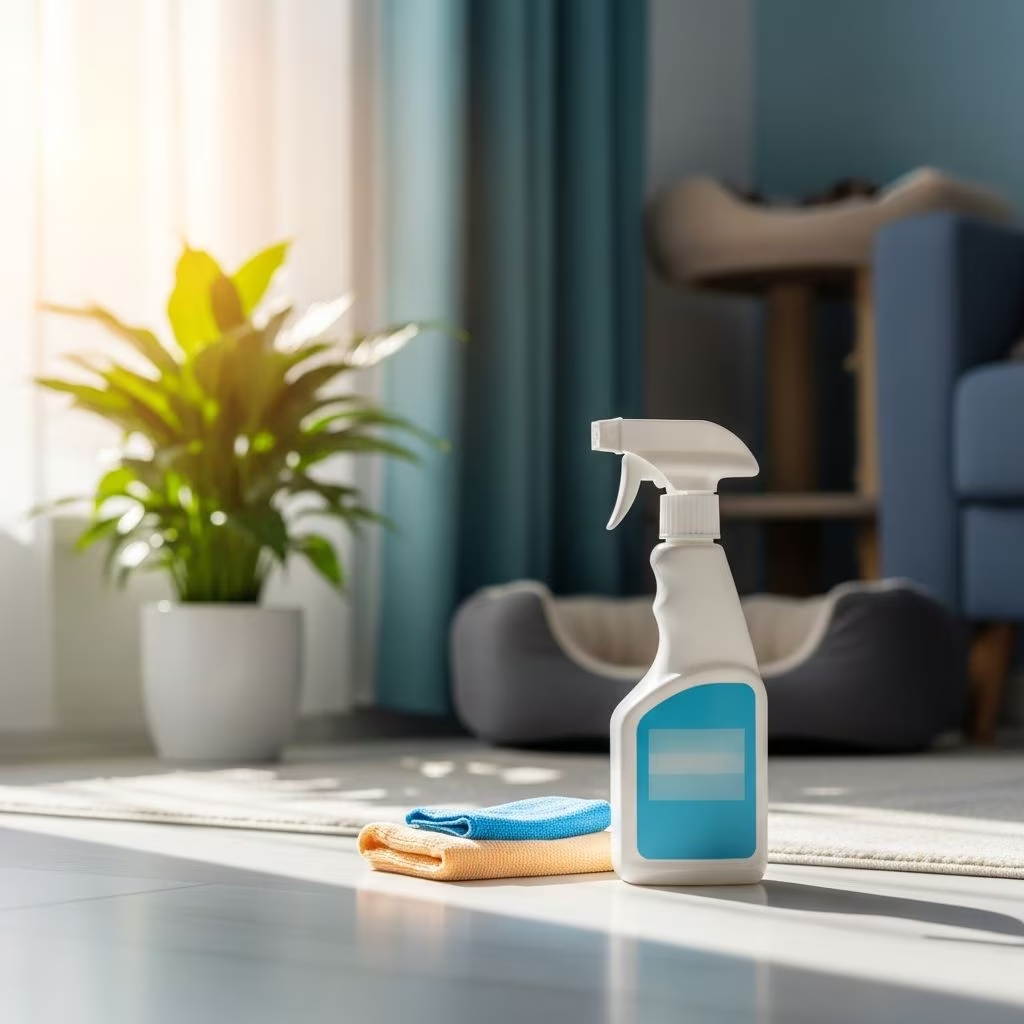
How to Remove Cat Urine Smell from Your Whole House
Cat urine has a notoriously pungent odor that can linger throughout your home for months if not properly treated. The smell originates from uric acid and bacteria in the urine, which creates ammonia-like compounds as it breaks down. Understanding why cat urine smells so strongly is the first step toward effectively eliminating it. Cats also have an incredibly keen sense of smell, which means if you don’t completely remove the odor, your cat may return to the same spot and mark it again, creating a cycle of repeated accidents.
The challenge with cat urine odor is that it doesn’t just affect the surface where the accident occurred. Urine can soak through carpet fibers into the padding beneath, seep into hardwood subfloors, and absorb into upholstery and drywall. This means that a surface-level cleaning often won’t fully resolve the problem. A comprehensive approach using the right products and techniques is essential for permanently eliminating cat urine smell from your entire home.
Act Quickly: Immediate Steps for Fresh Accidents
The first rule of cat urine cleanup is speed. The faster you respond to an accident, the easier it will be to remove the odor completely. If you catch the urine before it dries, you can prevent it from soaking deep into carpet padding or subfloors.
Initial cleanup process:
- Use paper towels or absorbent cloths to blot up as much liquid as possible immediately
- Press down firmly to extract moisture without spreading the urine around
- Never rub the area, as this pushes the urine deeper into fibers
- Rinse the spot with plain, cool water to dilute remaining urine
- Blot again with dry towels or paper to absorb the water
- If the accident occurred on washable items like blankets or clothing, place them directly in the washing machine
This immediate response can significantly reduce the odor and make subsequent cleaning treatments much more effective. The goal is to remove as much of the liquid and its components as possible before they have time to fully set into materials.
Enzymatic Cleaners: The Gold Standard Solution
Enzymatic cleaners are the most effective products for removing cat urine smell because they work at the molecular level. Unlike regular cleaners that simply mask odors or clean surfaces, enzymatic cleaners break down uric acid and neutralize the bacteria that create the ammonia smell. The enzymes in these products actually digest the organic compounds responsible for the odor, eliminating it at its source rather than just covering it up.
These specialized cleaners target and neutralize uric acid crystals, bacteria, mold, and fungi that contribute to lingering odors. They are specifically formulated to address pet-related problems and work harder than general-purpose household cleaners.
How to use enzymatic cleaners:
- Read the product instructions carefully, as application methods vary by brand
- Apply the cleaner generously to the affected area with a clean cloth
- Allow it to sit for the time recommended (typically 10-15 minutes)
- For cushions and mattresses, soak the affected area thoroughly
- Let the enzyme cleaner remain in place so the enzymes have time to break down the uric acid
- Blot the area with a towel, removing as much liquid as possible
- Allow the area to dry completely before allowing your cat near it
The key to success with enzymatic cleaners is patience and proper saturation. The enzymes need adequate time and moisture to work effectively, so don’t rush the process or skimp on the amount of cleaner used.
White Vinegar and Water Solution
White vinegar is a powerful natural alternative for combating cat urine odor. Because vinegar is highly acidic, it effectively neutralizes the alkaline salts left behind in dried urine stains. These salts can continue producing odor even after the liquid urine has been cleaned up, so addressing them is crucial for complete odor elimination.
Creating a vinegar cleaning solution:
- Mix equal parts white vinegar and water (1:1 ratio)
- Pour the solution into a spray bottle for easy application
- For hardwood floors and hard surfaces, apple cider vinegar works equally well
- Spray the solution generously on the affected area
- Allow it to sit and air dry naturally
- The vinegar smell will fade within a couple of days as it dries
- Once fully dry, the cat urine odor should be noticeably reduced or eliminated
This natural solution is safe to use around pets and won’t cause damage to most surfaces, including walls, rugs, and washable furniture. It’s an excellent first line of defense and costs very little to implement. Many cat owners keep a bottle of vinegar solution ready in their home for quick response to accidents.
Critical warning: Never mix vinegar with bleach. When acetic acid (from vinegar) combines with sodium hypochlorite (from bleach), it creates chlorine gas, which is dangerous and can cause serious respiratory harm. Always use these cleaners separately and avoid ammonia-based products entirely, as they can actually encourage cats to re-mark the area.
Hydrogen Peroxide for Stubborn Odors
For particularly stubborn urine smells or for addressing odors on hardwood floors, hydrogen peroxide is an excellent next step. Hydrogen peroxide is approximately 30% more oxidizing than chlorine, making it exceptionally effective at eliminating the ammonia smell component of cat urine. It works well on hard surfaces and can also be used on carpets, couches, and clothing.
Using hydrogen peroxide safely:
- Apply hydrogen peroxide directly to the affected area
- Let it sit for at least 5 minutes to allow oxidation to occur
- Blot the area thoroughly with clean towels
- Test on a small, inconspicuous area first, as hydrogen peroxide may cause slight discoloration
- Use after the vinegar solution for maximum effectiveness
- Allow the area to dry completely
The oxidation process breaks down ammonia compounds, leaving the area fresh and odor-free. This method is particularly valuable for hardwood floors where urine may have penetrated the finish and sealed into the wood itself.
Baking Soda: The Odor Absorber
Baking soda, or sodium bicarbonate, is renowned for its odor-absorbing properties. It works by chemically bonding with odor molecules and trapping them, effectively removing smells from fabrics and surfaces. This makes it an excellent choice for tackling lingering odors after you’ve cleaned up the initial contamination.
Baking soda application method:
- Ensure the affected area is completely dry before applying baking soda
- Sprinkle a generous amount of baking soda over the entire affected area
- For carpets and furniture, work it into the fibers gently
- Allow it to sit for at least a few hours; overnight is ideal for best results
- Vacuum thoroughly to remove all baking soda
- For added scent, mix cinnamon or dried herbs into the baking soda before applying
Baking soda is particularly effective for carpets and upholstered furniture because it can absorb odors trapped deep within fibers. It’s also completely safe for pets and won’t harm your home’s surfaces. Many people keep a box of baking soda specifically designated for pet odor control.
Treating Different Surfaces
Carpets and Rugs
Carpets present one of the biggest challenges for cat urine removal because urine soaks through the visible fibers into the padding underneath. This requires a multi-step approach combining enzymatic cleaners, vinegar, and baking soda for complete odor elimination. Club soda followed by baking soda application is an effective DIY solution: scrub the area thoroughly with club soda, allow it to dry, then sprinkle baking soda and let it sit before vacuuming.
Hardwood and Tile Floors
For hardwood floors, the primary concern is urine penetrating the wood itself. Use the vinegar and water solution as your first approach, followed by hydrogen peroxide for stubborn odors. If urine has soaked through carpet into the hardwood below, the cleanup becomes more complex and may require subfloor treatment or professional remediation.
Cushions and Upholstered Furniture
Cushions and couches require special handling. First, soak the affected area with water and blot up as much urine as possible. Then, pour enzymatic cleaner generously over and around the affected area and let it sit for 15 minutes. Blot thoroughly with towels, and keep your cat away until the area is completely dry. Multiple treatments may be necessary for heavily soiled cushions.
Mattresses
Mattress cleanup follows a similar process to cushions. Blot up initial urine, apply enzymatic cleaner generously, let it sit for 15 minutes, and blot again. The challenge with mattresses is ensuring they dry completely, which may take 24-48 hours. Placing the mattress in sunlight or using fans can accelerate drying.
Additional Natural Solutions
Beyond vinegar and baking soda, several other natural products can assist in odor removal. Rubbing alcohol neutralizes ammonia quickly and safely, making it an alternative to chemical cleaners. Coffee grounds, when dried in the freezer, can absorb odors when sprinkled over the affected area overnight, then vacuumed up like baking soda.
These supplementary methods work best in combination with primary treatments. Using multiple approaches addresses the problem from different angles and increases the likelihood of complete odor elimination.
Professional Odor Removal Options
If home remedies and standard enzymatic cleaners haven’t fully resolved the problem, professional options exist. Ultraviolet lights can reveal hidden urine locations throughout your home, helping identify spots you may have missed. Ozone machines and professional-grade odor blocking primers are available for severe infestations. When cat urine has penetrated drywall, subfloors, or other structural elements, professionals can treat or replace affected materials.
Professional carpet cleaning companies have access to industrial-strength enzymatic cleaners and specialized equipment that can penetrate deeper than household products. For widespread contamination, professional remediation may be the most cost-effective solution in the long term.
Preventing Future Accidents
Removing existing cat urine smell is only half the battle. Prevention requires addressing why your cat is marking territory or having accidents outside the litter box. Ensure the litter box is clean and scooped daily, as cats are more likely to use dirty boxes inappropriately. Multiple boxes in different locations reduces territorial marking. Address any underlying health issues with your veterinarian, as inappropriate urination can indicate urinary tract infections or other medical problems. Regular grooming and dental care also minimize odors related to your cat’s overall health.
What NOT to Do When Cleaning Cat Urine
- Never use ammonia-based cleaners, as ammonia is a component of cat urine and encourages re-marking
- Never mix bleach with vinegar or other cleaners, as this creates toxic chlorine gas
- Never rub or scrub urine into surfaces; always blot to prevent spreading
- Never use perfumes or air fresheners alone to mask the odor, as this won’t eliminate the problem
- Never delay cleaning, as fresh urine is easier to remove completely
Frequently Asked Questions
Q: How long does cat urine smell last if left untreated?
A: Cat urine smell can persist for months or even years if not properly treated, as the uric acid crystals continue producing odor. Complete removal requires enzymatic treatment to break down these compounds at the molecular level.
Q: Can I use regular cleaning products for cat urine?
A: Regular cleaners are ineffective because they don’t break down uric acid. Enzymatic cleaners specifically designed for pet urine are essential for eliminating the odor completely rather than just masking it temporarily.
Q: Is it safe to use vinegar and hydrogen peroxide together?
A: Yes, vinegar followed by hydrogen peroxide is an effective combination for stubborn odors. However, never mix them simultaneously; apply the vinegar first, allow the area to dry, then apply hydrogen peroxide.
Q: Will my cat stop marking if I completely remove the smell?
A: Complete odor removal helps prevent repeat marking, but it’s only part of the solution. Address underlying causes such as litter box cleanliness, medical issues, stress, or territorial concerns to prevent future accidents.
Q: How many applications of enzymatic cleaner are needed?
A: Severe contamination may require multiple applications. Allow each treatment to fully dry before assessing whether additional treatment is necessary. Most areas respond to 1-3 treatments.
References
- How to Remove Cat Urine Smell for Good — ServiceMaster Clean. 2022-06. https://www.servicemasterclean.com/servicemaster-of-kalamazoo/tips-and-resources/local-blog/2022/june/how-to-remove-cat-urine-smell-for-good/
- 3 Simple Ways to Get Rid of Cat Urine Odor — Arm & Hammer. https://www.armandhammer.com/en/articles/ways-get-rid-cat-urine-odor
- How To Get Rid of Cat Pee Smell — PetMD. https://www.petmd.com/cat/general-health/how-to-get-rid-of-cat-pee-smell
- 9 Tips to Remove Cat Urine Smell From Your Home — Carpet Cleaning Franklin TN. https://carpetcleaningfranklintn.org/9-tips-to-remove-cat-urine-smell-from-your-home/
- How to Get Rid of Cat Odor: The Ultimate Guide for a Fresh Home — TenantCloud. https://www.tenantcloud.com/blog/how-to-get-rid-of-cat-odor



