

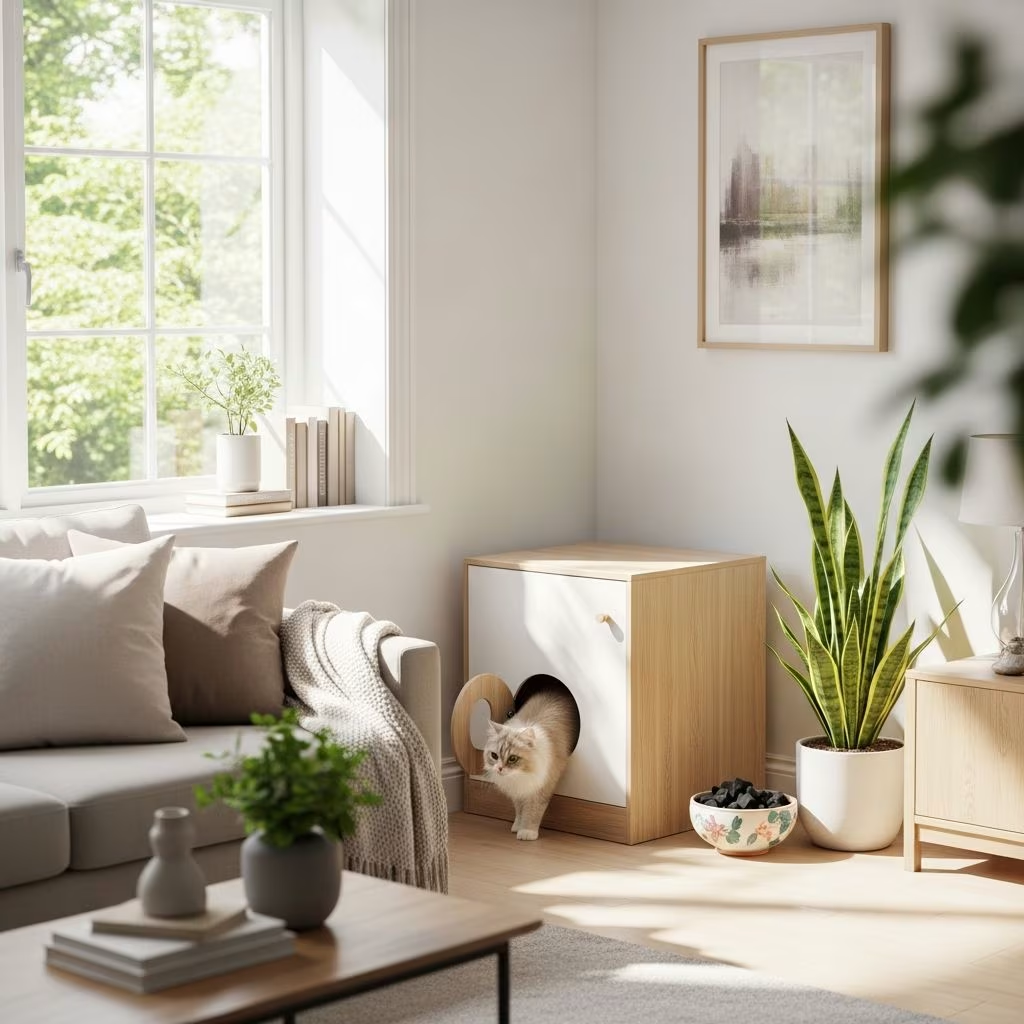
Cat litter box odors can quickly overpower a room, making your home less enjoyable despite your love for your feline companion. Fortunately, with consistent habits and smart choices, you can eliminate these smells effectively. This guide draws from practical cat care advice to cover daily maintenance, litter selection, cleaning protocols, odor neutralizers, and advanced solutions like air purifiers. By implementing these steps, you’ll maintain a fresh environment that encourages your cat to use the litter box consistently.
Understanding Cat Litter Odors
Cat urine and feces produce strong ammonia-based smells due to urea breakdown, which intensifies in enclosed spaces. Poor litter box hygiene amplifies this, potentially leading to cats avoiding the box and urinating elsewhere, worsening the issue. Addressing the root causes—waste accumulation, litter type, and room ventilation—is key to long-term control. Regular intervention prevents odors from embedding into fabrics, carpets, or walls.
The Most Important Step: Daily Scooping
Scooping the litter box at least once daily is the single most effective way to control odors. Twice daily is ideal for multi-cat households or strong-smelling cats. This removes waste before ammonia gases build up. Use a durable scoop to target clumps thoroughly.
- Scoop under visible waste and lift gently to let clean litter fall through.
- Scrape box edges and corners to dislodge stuck urine crystals.
- For non-clumping litter, use a solid scooper to remove saturated areas around urine spots rather than stirring, which spreads odors.
- Dispose in a sealed system like a Litter Genie to contain smells during storage.
Consistent scooping keeps the box inviting, reducing avoidance behaviors that lead to accidents.
Choosing the Right Litter for Odor Control
Not all litters perform equally against odors. Clumping clay litters excel by forming solid urine balls for easy removal, outperforming non-clumping types where urine soaks in and lingers.
| Litter Type | Odor Control | Pros | Cons |
|---|---|---|---|
| Clumping Clay | Excellent | Easy scooping, effective waste isolation | Dusty, heavier |
| Non-Clumping Clay | Fair | Cheaper, less dust for some | Harder to remove urine, odors build faster |
| Plant-Based (e.g., corn, wheat) | Good | Biodegradable, low dust | Can track more, variable clumping |
Avoid scented litters, as artificial fragrances can mix unpleasantly with waste odors and deter scent-sensitive cats.
Deep Cleaning the Litter Box
Weekly full litter replacement and box cleaning are essential. Dump all litter, rinse with hot water and mild dish soap like Dawn, then apply an enzymatic cleaner to break down residual proteins causing persistent smells.
- Spray enzymatic pet odor eliminator (e.g., Angry Orange) on all surfaces; let sit 10-15 minutes.
- Scrub with a non-abrasive brush to avoid scratches that harbor bacteria.
- Rinse thoroughly and dry completely before refilling to prevent bacterial growth.
- For plastic boxes, replace every 6-12 months as odors can permeate the material.
Enzymatic cleaners outperform bleach or vinegar by targeting organic compounds at the molecular level.
Natural Odor Neutralizers and Additives
Fragrance-free additives enhance litter without repelling cats. Skip most commercial scents, but consider these safe options:
- Activated Charcoal: Absorbs odors odorlessly; mix sparingly into litter or hang bags nearby. Effective and cat-safe in moderation.
- Baking Soda: Neutralizes acids sparingly; overuse can alter litter scent profile.
- Ventilation: Open windows or use fans to disperse gases naturally.
Bamboo charcoal bags are passive, refillable absorbers ideal for litter box proximity.
Using Air Purifiers and Ventilation
Even with perfect maintenance, occasional strong odors occur. HEPA air purifiers with activated carbon filters capture airborne particles and gases. Place near the box but not so close it startles the cat.
- Run continuously on low for steady filtration.
- Combine with exhaust fans or open windows during mild weather.
- Pet-specific purifiers handle dander and odors better than standard models.
Daily habits like running purifiers alongside scooping yield the freshest air.
Preventing Litter Tracking and Secondary Odors
Tracking spreads odors via paws. Use litter mats, low-tracking litters, and booties if needed. Vacuum daily with a pet-brush attachment and wash mats weekly.
- Place box on washable rugs for easy cleanup.
- Check for urine crystals on floors using blacklight; treat with enzymes.
Litter Box Placement and Multiple Cats
Optimal placement reduces smells: quiet, accessible areas away from food. Rule of thumb: one box per cat plus one extra. In multi-cat homes, separate boxes minimize territorial issues and odor concentration.
Addressing Health-Related Odors
Sudden strong smells may signal urinary issues, diet problems, or infections. Consult a vet if odors persist despite hygiene. Diet adjustments or prescription litters can help.
Frequently Asked Questions (FAQs)
Why does my cat litter smell so bad even after scooping?
Residual urine crystals or poor litter choice. Deep clean weekly with enzymes and switch to clumping litter.
Are scented litters effective for odor control?
They mask but don’t eliminate odors and may deter cats. Opt for unscented with natural absorbers.
How often should I replace the litter entirely?
Clumping: every 1-2 weeks; non-clumping: every 3-5 days. Signs include visible odor or discoloration.
Can I use vinegar to clean the litter box?
Vinegar helps mildly but enzymes are superior for protein breakdown. Avoid mixing cleaners.
What’s the best air purifier for cat odors?
HEPA with carbon filter, sized for room volume. Run near but not in the box area.
Long-Term Strategies for a Odor-Free Home
Combine routines: scoop daily, clean weekly, refresh litter monthly, and maintain air flow. Track progress and adjust based on your cat’s habits. These methods ensure a harmonious home where litter smells are a thing of the past, promoting your cat’s health and your comfort.
References
- How To Get Rid Of Cat Litter Box Odors: Easy Hints To Banish The Smell — Class Act Cats. Accessed 2026. https://classactcats.com/blog/how-to-get-rid-of-cat-litter-box-odors/
- CLEAN Litter Box Secrets Your Cat WON’T Tell You? — YouTube (Clean My Space). Accessed 2026. https://www.youtube.com/watch?v=IniytvHjTpI
- 7 Ways to Get Rid of Cat Litter Odors — Alen. Accessed 2026. https://alen.com/blogs/fresh-air-101/how-to-get-rid-of-cat-litter-smell



