

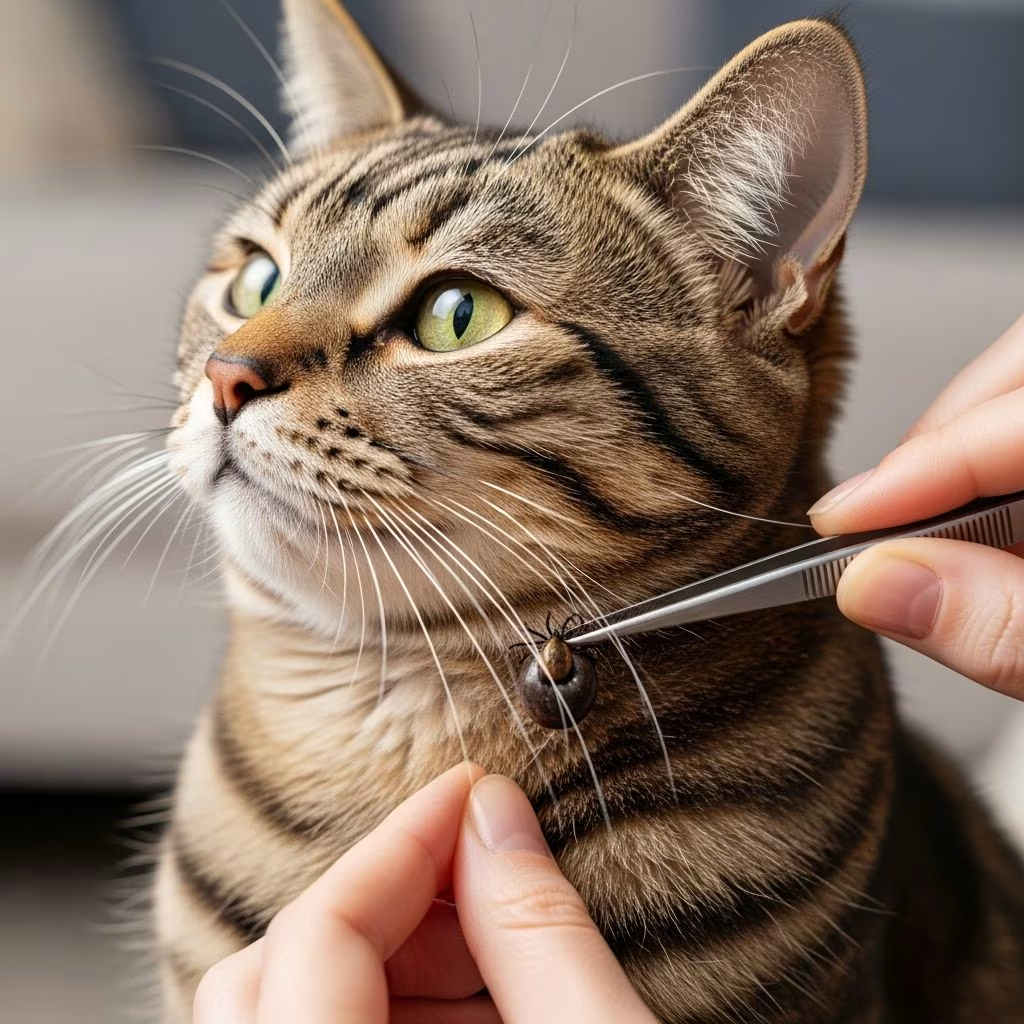
Ticks pose significant health risks to cats, potentially transmitting diseases like Lyme disease if not removed promptly and correctly. Knowing how to safely extract a tick prevents infection and ensures your cat’s well-being. This comprehensive guide covers identification, tools, step-by-step removal, aftercare, prevention strategies, and FAQs based on veterinary recommendations.
What Does a Tick Look Like on a Cat?
Ticks are small arachnids that attach to your cat’s skin to feed on blood. Unlike fleas, which jump, ticks crawl and embed their mouthparts into the skin. On cats, they appear as dark brown or black bumps with eight legs, often swelling to light brown, silver, or gray-green when engorged with blood. Common attachment sites include the head, neck, ears, armpits, groin, and between toes. Mistaking them for skin tags or warts is common; ticks have visible legs and move slightly if not fully embedded.
- Size: Unfed ticks are poppy seed-sized; engorged ones can reach grape size.
- Shape: Oval or round, flattened before feeding.
- Movement: Crawl slowly; embedded ones don’t jump.
Regularly check your cat after outdoor time, using a fine-tooth comb to part fur and inspect warm, moist areas.
Why Are Ticks Dangerous for Cats?
Ticks transmit pathogens causing Lyme disease, anaplasmosis, ehrlichiosis, and cytauxzoonosis in cats. These can lead to fever, lethargy, joint pain, anemia, and organ damage if untreated. Squeezing or improper removal pushes infectious fluids deeper, heightening risks. Cats’ fastidious grooming hides ticks, delaying detection. Prompt removal within 24 hours minimizes disease transmission.
Symptoms of tick-borne illness include loss of appetite, lameness, swollen joints, and fever. Indoor-outdoor cats in wooded, grassy areas face higher exposure during spring and fall.
Tools You’ll Need to Remove a Tick from Your Cat
Gather these essentials before starting to ensure safe, hygienic removal:
- Tick removal tool: Preferred over tweezers; hooks under the tick without squeezing (available at pet stores).
- Fine-tipped tweezers: Use if no tool; sterilize with rubbing alcohol.
- Disposable gloves: Prevent zoonotic disease transmission to humans.
- Rubbing alcohol or antiseptic wipes: For sterilizing tools and cleaning the bite.
- Paper towel or small container: To kill and dispose of the tick.
- Triple-antibiotic ointment: For post-removal wound care.
- Helper: To restrain and distract the cat with treats.
Prepare a calm environment to reduce stress.
Step-by-Step Guide: How to Safely Remove a Tick
Follow these veterinarian-approved steps for effective removal:
- Prepare and restrain: Put on gloves, sterilize tools with alcohol. Have a helper hold the cat gently, distracting with treats or toys. Calm your cat first.
- Locate and expose: Part fur to fully expose the tick. Confirm it’s a tick, not a bump.
- Remove using tool (preferred): Slide the hook under the tick close to skin. Twist clockwise several times without pulling up until it loosens, then lift straight out.
- Or with tweezers: Grasp head/mouthparts close to skin. Pull firmly, steadily upward without twisting, squeezing, or jerking to avoid leaving parts.
- Check completeness: Ensure head and mouthparts are removed; no dark spot remains.
- Dispose safely: Place tick in alcohol-soaked towel or container to kill it, then seal in bag or flush.
- Clean area: Dab bite with antiseptic or soap/water. Apply antibiotic ointment.
- Disinfect tools/hands: Wash hands thoroughly; sterilize tools.
If head remains, blot with alcohol; it should expel naturally in 1-2 days. Don’t dig, as it worsens inflammation.
What to Do After Removing a Tick from Your Cat
Monitor the site for 2-4 weeks for redness, swelling, pus, or heat indicating infection. Watch for systemic signs like lethargy, fever, or appetite loss. Save the tick in alcohol for vet identification if symptoms arise. Clean daily and restrict outdoor access temporarily.
| Monitoring Checklist | Signs to Watch | Action |
|---|---|---|
| Bite Site | Redness, swelling, discharge | Clean; vet if persists >48hrs |
| Behavior | Lethargy, lameness | Vet visit immediately |
| General | Fever, anorexia | Diagnostic tests |
Contact vet if unsuccessful removal or concerns.
Tips for Removing Ticks from Cats
- Act quickly: Remove within 24 hours.
- Stay calm: Stress agitates cat.
- Avoid home remedies like petroleum jelly, matches, or nail polish; they cause regurgitation of pathogens.
- Use magnification for tiny ticks.
- Practice weekly checks in tick season.
- For multiple ticks, prioritize largest/embedded ones.
Tick Prevention for Cats
Prevent infestations with vet-recommended strategies:
- Topical/oral preventives: Fipronil, imidacloprid products kill ticks on contact.
- Collars: Seresto lasts 8 months.
- Environmental control: Mow lawn, remove leaf litter, use diatomaceous earth.
- Indoor living: Limit outdoor access.
- Landscaping: Create tick barriers with gravel/wood chips.
Consult vet for age-appropriate products; avoid dog formulas.
When to See a Vet for Tick Removal or Bites
Seek professional help if:
- Tick deeply embedded or head breaks off.
- Cat extremely resistant.
- Bite shows infection signs post-removal.
- Symptoms of illness appear.
- Multiple ticks present.
- In Lyme-endemic areas.
Vets use specialized tools and sedate if needed.
Frequently Asked Questions (FAQs)
What if the tick head is stuck in my cat’s skin?
Blot with alcohol; it should dislodge naturally. Don’t dig. Monitor and see vet if inflamed.
Can I use regular tweezers to remove a tick?
Yes, fine-tipped ones work if no tool; grasp close to skin, pull steadily.
How do I know if my cat has Lyme disease from a tick?
Watch for fever, lameness, swelling. Test via vet bloodwork.
Are ticks common on indoor cats?
Rare, but possible via rodents, other pets, or open windows.
Can ticks kill cats?
Indirectly via anemia or diseases like cytauxzoonosis if severe/untreated.
References
- How to Remove a Tick from a Cat — Adams Pet Care. 2023. https://www.adamspetcare.com/expert-care-tips/pest-treatment-and-prevention/how-to-remove-a-tick-from-a-cat
- How to Remove a Tick from a Cat Safely & Easily — Purina. 2024. https://www.purina-arabia.com/en-gb/care-and-advice/cat/health/removing-a-tick
- How to Remove a Tick From a Cat — PetMD (Veterinary Expert Review). 2025-01-10. https://www.petmd.com/cat/care/how-remove-tick-cat
- How To Remove a Tick From A Dog Or Cat — PDSA (UK Vet Charity). 2024. https://www.pdsa.org.uk/pet-help-and-advice/pet-health-hub/conditions/how-to-remove-a-tick-from-a-dog-or-cat
- Cats and Ticks — Blue Cross (UK Animal Welfare Charity). 2024. https://www.bluecross.org.uk/advice/cat/health-and-injuries/cats-and-ticks



