

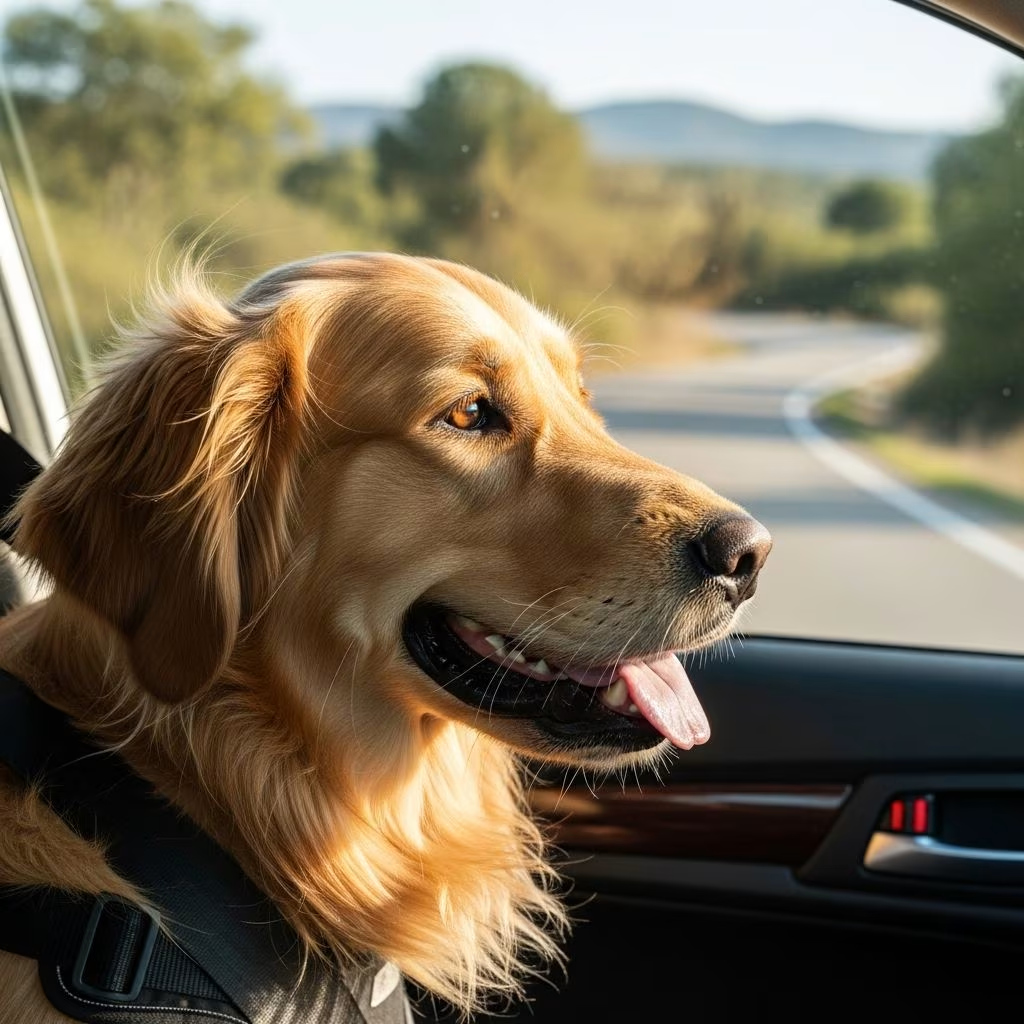
How to Relieve Dog Car Anxiety and Fear of Car Rides
Many pet owners struggle with a common challenge: their beloved dog becomes anxious, fearful, or physically ill during car rides. Whether it’s excessive drooling, whining, vomiting, or aggressive behavior, car anxiety in dogs can make travel stressful for both pet and owner. The good news is that with patience, consistency, and the right approach, most dogs can learn to feel comfortable and even enjoy car rides. Understanding the underlying causes of car anxiety and implementing effective strategies can transform your dog’s relationship with vehicle travel.
Understanding Dog Car Anxiety
Dog car anxiety stems from various sources, and identifying the root cause is the first step toward resolution. Some dogs develop anxiety from negative past experiences, such as being left alone in a vehicle or experiencing a frightening event during travel. Others may have never been properly introduced to cars and simply fear the unknown. Additionally, some dogs experience genuine motion sickness combined with anxiety, which compounds the problem. Young puppies that aren’t exposed to cars early in life may develop lasting anxiety, while rescue dogs may carry traumatic associations from their previous experiences. Understanding your individual dog’s specific triggers will help you tailor your approach and address their unique needs effectively.
The Power of Desensitization and Counterconditioning
Behavioral specialists widely recommend two evidence-based training techniques for overcoming car anxiety in dogs: desensitization and counterconditioning. These complementary methods work by gradually exposing your dog to car-related stimuli at a controlled pace while building positive associations. Desensitization involves slowly introducing your dog to increasingly intense aspects of car travel, starting with the vehicle itself and progressing to engine sounds and actual driving. Counterconditioning pairs these exposures with positive experiences—treats, praise, play, or other rewards—so your dog’s brain begins to associate the car with good things rather than fear or discomfort. Unlike punishment-based methods, these humane training techniques respect your dog’s emotional state and help them feel genuinely safe.
Step-by-Step Training Strategy
Exercise Your Dog First
Before beginning any desensitization exercises or attempting car rides, always exercise your dog adequately. A tired dog is generally calmer and less anxious. Exercise also provides an opportunity for your dog to eliminate waste, reducing the likelihood of accidents during car travel. Physical activity serves as a proven stress reliever, helping your dog release pent-up energy that might otherwise fuel anxiety. A well-exercised dog is better equipped both mentally and physically to engage with training and learn new positive associations with the car.
Start With the Stationary Car
Begin by building comfort with the vehicle itself before attempting any movement. If your dog shows extreme anxiety around the car, start outside the parked vehicle. Simply looking at the car or taking a step toward it deserves reward and praise. Gradually work toward sitting in the stationary car with your dog, offering high-value treats (such as cheese or hot dog pieces), gentle petting, and enthusiastic verbal praise. The goal is to create positive associations through repetition and rewards. For dogs with severe anxiety, this phase might last several weeks. Practice these sessions daily or every other day, keeping each session brief—just a few minutes initially—to prevent overwhelming your dog.
Introduce Car Sounds Gradually
Once your dog is comfortable being stationary in the car, begin introducing the sounds associated with vehicle operation. Start with the radio playing softly in the background, choosing calming music such as classical pieces that can help promote relaxed behavior. This step might seem minor, but it’s crucial for dogs sensitive to noise. After your dog demonstrates comfort with the radio, introduce the sound of the engine running while remaining parked. Spend several sessions with the engine running, continuing to use food-dispensing toys and hand-fed treats to reward calm behavior. Gradually increase the duration of these sessions before progressing to actual movement.
Take Very Short Trips
When your dog has mastered the previous steps, begin with exceptionally short driving distances—perhaps just pulling out of the driveway and immediately returning, or circling a parking lot. These micro-trips should last just a few minutes initially. Continue playing soft, calming music during drives and maintain positive reinforcement by praising calm behavior and offering treats when safe to do so. Monitor your dog’s reactions carefully at this stage and proceed at a pace your dog is comfortable with. Never rush this process or push your dog beyond their current comfort level, as doing so can reinforce anxiety rather than resolve it.
Gradually Extend Trip Duration
As your dog demonstrates comfort with short drives, gradually increase both trip duration and distance. Build up to slightly longer journeys while continuously rewarding settled and calm behavior. Drive to places your dog enjoys—the dog park, a pet-friendly store, or a friend’s house—so your dog learns that car rides predict positive outcomes. This association between car travel and enjoyable destinations becomes powerful reinforcement. Maintain consistency with your training approach, always working at your dog’s pace and celebrating small improvements along the way.
Creating a Comfortable Car Environment
Use Food-Dispensing Toys
Food-dispensing toys and lick mats serve as excellent tools for promoting settling behavior in the car. Rubber-style toys and mat-based feeders are preferable to hard toys that rattle around and create additional noise. Fill these toys with your dog’s favorite treats or frozen broth to provide long-lasting engagement during car time. These tools keep your dog mentally occupied and create positive associations with being in the vehicle. Start offering these toys when the car is stationary, then continue using them throughout all training phases, including during actual drives when it’s safe to do so.
Manage the Car Environment
Pay attention to your car’s physical setup to minimize stress triggers. Ensure proper ventilation by cracking a window slightly (not wide enough for your dog to jump through) to provide fresh air. Consider using a dog crate, harness, or barrier to create a secure space where your dog feels contained and safe. Some dogs feel less anxious when they have a defined area rather than roaming freely in the vehicle. Use washable seat covers to protect your upholstery and reduce your dog’s anxiety about potential accidents. Keep the car temperature comfortable, neither too hot nor too cold, as physical discomfort contributes to anxiety.
Maintain Positive Owner Energy
Your own emotional state directly influences your dog’s behavior. Dogs are remarkably perceptive and pick up on anxiety or tension from their owners. Maintain calm, positive energy when traveling with your dog, regardless of whether they’re exhibiting anxious behaviors. Speak in soothing, encouraging tones rather than reacting with frustration to accidents or anxious displays. Your confident demeanor reassures your dog that there’s nothing to worry about. Offer gentle comfort through petting and praise rather than panic or coddling, which can inadvertently reinforce anxious behavior.
Medication Options for Severe Anxiety
For dogs with extreme anxiety that doesn’t respond adequately to behavioral modification alone, prescription medications may provide relief. Several medications are commonly used to manage car anxiety in dogs, though all require veterinary consultation and prescription. Acepromazine is a tranquilizer that helps ease fear and anxiety while often causing drowsiness, allowing dogs to sleep through car rides. Chlorpromazine similarly promotes relaxation and has the added benefit of helping prevent vomiting in dogs experiencing motion sickness. Both medications require prescription from a veterinarian and may cause side effects such as pink or reddish-brown discoloration of urine. FDA-approved anxiety medications specifically for dogs include Clomicalm and Reconcile, which may be used for longer-term anxiety management when combined with behavioral training. Discuss medication options with your veterinarian, who can recommend the most appropriate choice based on your dog’s specific situation, health status, and severity of anxiety.
The Role of Professional Trainers
Working with a certified professional dog trainer can significantly accelerate progress and provide personalized guidance. Trainers skilled in behavioral modification can assess your dog’s specific stress signals and body language, helping you recognize warning signs before anxiety escalates. They can design a customized training program tailored to your dog’s unique needs and comfort level, teaching you exactly what steps to take and when to progress. A trainer’s encouragement and support helps you maintain the patience required for successful counterconditioning, especially when progress seems slow. If you’ve attempted self-directed training without success, or if your dog’s anxiety is severe, professional help can make the difference between continued struggle and breakthrough success.
Special Considerations and Tips
Preventing Motion Sickness
Many dogs experience a combination of anxiety and motion sickness during car travel, as nausea intensifies stress and fear. If your dog vomits or drools excessively during short rides even while relaxed, motion sickness may be a factor. Some motion sickness can be prevented by avoiding heavy meals immediately before car travel—feed your dog several hours before driving rather than right before departure. Ensure adequate ventilation in the car to provide fresh air. In some cases, veterinary medication can address motion sickness, providing relief that makes behavioral training more successful.
Monitoring Progress and Patience
Progress with car anxiety varies significantly between individual dogs. Some dogs make rapid improvements within weeks, while others require months of consistent training. Pay attention to subtle improvements—decreased drooling, reduced vocalizing, or more relaxed body posture—even if your dog isn’t yet comfortable with long drives. Consistency matters more than intensity; daily or frequent short practice sessions produce better results than occasional longer training attempts. If your dog regresses or shows renewed anxiety after progressing, simply return to the previous comfort level and move forward more gradually.
Frequently Asked Questions
Q: At what age should I start training my puppy for car rides?
A: Start as early as possible, ideally between 6 to 16 weeks of age when puppies are most receptive to new experiences. Early exposure helps prevent anxiety from developing, making car travel natural and enjoyable throughout your dog’s life.
Q: How long does it typically take to overcome dog car anxiety?
A: Timeline varies by individual dog. Some dogs improve significantly within 2-4 weeks with consistent training, while others with severe anxiety may require 2-3 months or longer. Consistency and patience are more important than speed.
Q: Can I use crates or carriers in the car?
A: Yes, properly fitted crates or carriers can create a secure, den-like space that many dogs find comforting. Ensure the crate is well-ventilated and secured so it doesn’t shift during driving. Some dogs feel less anxious with this contained space.
Q: What should I do if my dog has an accident in the car?
A: Stay calm and don’t punish your dog, as this will increase anxiety. Simply clean the area thoroughly and continue with your training program. Accidents often decrease as anxiety diminishes with successful training.
Q: Are there non-medication solutions for dogs with severe anxiety?
A: Yes, many severe cases improve with professional trainer guidance, adequate exercise, proper desensitization, and environmental modifications. However, medication combined with behavioral training often produces the best results for extreme anxiety.
Q: Is it ever too late to train an adult dog with car anxiety?
A: No, adult dogs can overcome car anxiety at any age, though it may take longer than training young puppies. Rescue dogs and older dogs often make excellent progress with patient, consistent training and professional support.
References
- 10 Ways to Prevent Dog Car (Motion) Sickness — GoodRx. 2024. https://www.goodrx.com/pet-health/dog/dog-car-motion-sickness
- How to overcome your dog’s car anxiety — Paws & Stay. 2024. https://www.pawsandstay.co.uk/blog/overcome-dog-car-anxiety/
- Preventing and Treating Travel Anxiety in Dogs — Preventive Vet. 2024. https://www.preventivevet.com/dogs/preventing-travel-anxiety-and-carsickness-in-dogs
- Dog Travel Anxiety: Prevention, Treatment, and More — Bond Vet. 2024. https://bondvet.com/blog/dog-car-anxiety
- 10 Medications for Dog Anxiety: Managing Your Dog’s Behavior — PetMD. 2024. https://www.petmd.com/dog/behavior/10-medications-dog-anxiety
- Travel Anxiety For Dogs | How To Keep A Dog Calm In The Car — Adaptil. 2024. https://www.adaptil.co.uk/pages/help-my-dog-with-car-travel



