

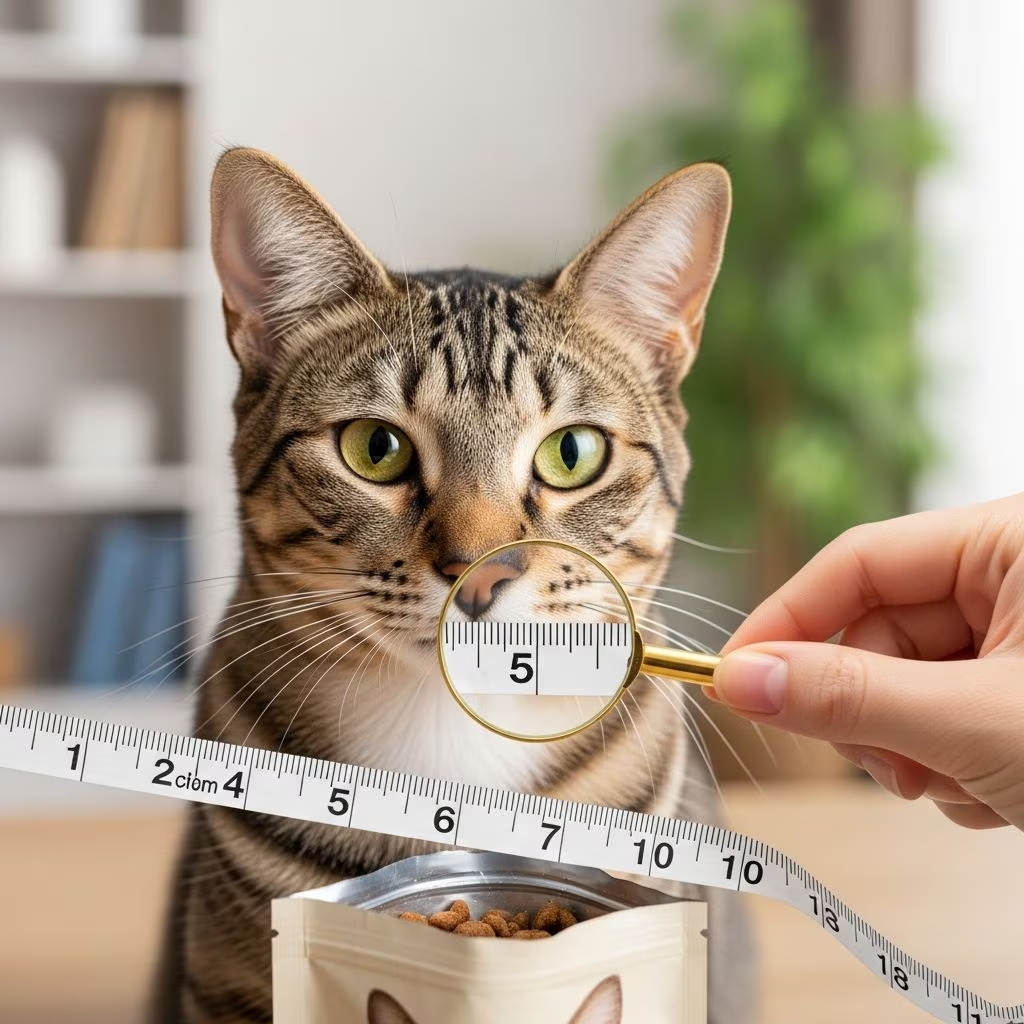
Hyperthyroidism is one of the most common endocrine disorders in older cats, characterized by an overactive thyroid gland that produces excess hormones, leading to weight loss, increased appetite, and heart issues. While the exact causes remain multifactorial, involving diet, environment, and genetics, cat owners can take proactive steps to potentially lower the risk. This article outlines five key strategies based on veterinary research to help safeguard your cat’s thyroid health and promote longevity.
Can Hyperthyroidism Be Prevented?
Currently, there is no guaranteed method to prevent hyperthyroidism in cats without extreme measures like thyroidectomy, which is not recommended for healthy animals. Herbal remedies have been suggested anecdotally, but lack scientific backing without genetic testing to confirm predisposition. Early detection through biannual vet exams for cats over 7 years old, including thyroid palpation and bloodwork, significantly improves outcomes by mitigating secondary complications like kidney disease.
What Can I Do to Reduce My Cat’s Risk of Hyperthyroidism?
No strategy offers absolute prevention, as hyperthyroidism’s etiology involves complex interactions of nutrition, pollutants, and age-related changes. However, implementing these vet-recommended tips can delay onset, lessen severity, and enhance overall well-being. These measures support general feline health, making them worthwhile even if hyperthyroidism develops.
- Focus on balanced nutrition with moderated iodine.
- Prioritize hydration via wet foods and fresh water sources.
- Select packaging that minimizes chemical leaching.
- Limit exposure to environmental toxins.
- Choose high-quality, whole-ingredient diets.
The 5 Ways to Reduce Hyperthyroid Risks and Increase Overall Health
1. Iodine
Iodine is crucial for thyroid hormone synthesis, but excess or deficiency can disrupt function. Epidemiological studies link high dietary iodine—often from fish-heavy foods—to increased hyperthyroidism risk. The Association of American Feed Control Officials (AAFCO) mandates a minimum of 0.6 mg/kg for adult cat foods, revised post-2009 research, though optimal levels remain debated (0.50-2.0 ppm recommended).
Restricting iodine too severely prompts thyroid hyperplasia as the gland compensates by storing more, heightening risk. Prescription diets like Hill’s y/d (0.2-0.47 ppm iodine) manage diagnosed cases but aren’t preventive due to strict exclusivity requirements.
Take home message: Opt for premium diets with whole meats, minimal fish or flavorings, ensuring AAFCO compliance without extremes. Check labels and rotate foods to avoid imbalances.
2. Diet
Commercial cat foods are implicated in hyperthyroidism epidemics, potentially due to goitrogens like soy isoflavones, which inhibit thyroid function. Cats lack a dietary need for soy, absent in wild diets. Fish flavors, common in canned foods, contribute excess iodine and pollutants like PCBs.
Avoid soy-rich formulas and prioritize selenium-adequate diets, as deficiency exacerbates oxidative stress linked to thyroid tumors. Multifactorial risks accumulate over time, so lifelong balanced feeding is key. Studies show controlled iodine diets normalize T4 levels in hyperthyroid cats within 8-12 weeks.
| Diet Factor | Risk if Excessive | Recommendation |
|---|---|---|
| Iodine | Thyroid overstimulation | 0.50-2.0 ppm |
| Fish/Seafood | Contaminants, high iodine | Limit to occasional |
| Soy | Goitrogenic effects | Avoid entirely |
| Selenium | Oxidative damage | Ensure adequate |
Take home message: Select whole meat-based, soy-free kibble or wet foods with verified iodine levels for thyroid support.
3. Water
Dehydration concentrates toxins in tissues, worsening kidney and thyroid issues. Cats on dry-only diets often under-hydrate, increasing disease risk. Wet foods provide 70-80% moisture, far superior to kibble’s 10%.
Enhance intake with fountains, filtered water (removing chlorine/fluoride goitrogens), or multiple bowls. Insufficient hydration links to chronic kidney disease, compounding hyperthyroidism effects.
- Use pet fountains for circulation appeal.
- Filter tap water to eliminate potential thyroid disruptors.
- Transition to 50-100% wet food gradually.
Take home message: Ensure constant access to fresh, filtered water and incorporate wet food for optimal hydration.
4. Food Packaging
Rise in pop-top (ring-pull) cans correlates with hyperthyroidism incidence over decades. BPA and phthalates from linings may leach as endocrine disruptors, mimicking or blocking thyroid hormones. One study found lifelong pop-top consumption elevated risk.
Foil pouches or glass avoid plastics. Though canned wet food beats dry, packaging matters. Vets prefer pouches for safety.
Take home message: Choose sachets/pouches over ring-pull tins; use glass/ceramic for serving.
5. Chemicals and Toxins
Environmental pollutants—pesticides, herbicides, flame retardants, PBDEs—accumulate in fat, disrupting thyroid via goitrogenic or endocrine effects. Cats ingest via grooming after contact. Parasite preventives, if overused, contribute.
Minimize by using natural cleaners, storing chemicals securely, filtering water/air, and applying spot-on treatments precisely per labels. Indoor cats face less pesticide exposure but more household products.
- Opt for integrated pest management over broad sprays.
- Ventilate; use HEPA filters.
- Avoid plastic storage; choose stainless/glass.
Take home message: Reduce harsh chemicals at home; follow parasite product instructions diligently.
Additional Strategies for Thyroid Health
Beyond the core five, regular vet monitoring is vital. AAHA guidelines recommend semiannual exams for seniors, with T4/TSH screening. Antioxidants (curcumin, resveratrol) may counter oxidative stress in management, warranting further study.
Use glass/ceramic bowls; avoid microwaving plastics. Limit soy, boost selenium—small changes compound benefits.
Frequently Asked Questions (FAQs)
What is the ideal iodine level for cats?
Aim for 0.50-2.0 ppm in dry matter; AAFCO minimum 0.6 mg/kg. Consult vet for specifics.
Can diet alone cure hyperthyroidism?
Prescription low-iodine diets like y/d manage it if exclusive, but not curative or preventive.
Is wet food always better than dry?
Yes for hydration and health; combine with pouches to minimize risks.
How often should I vet-check my senior cat?
Every 6 months, with thyroid-focused exams and bloodwork.
Are environmental toxins a major cause?
Implicated but unproven; reduction is prudent.
Providing a high-quality diet with appropriate iodine, ample hydration, safe packaging, and toxin avoidance empowers cats toward a healthier life with lowered hyperthyroidism odds. Consult your vet before changes, especially for at-risk seniors.
References
- How to Reduce Your Cat’s Risk of Hyperthyroidism: 5 Ways (Vet Reviewed & Updated) — Catster. 2023. https://www.catster.com/ask-the-vet/how-to-reduce-your-cats-risk-of-hyperthyroidism/
- Hyperthyroidism in Cats — VCA Animal Hospitals. 2024. https://vcahospitals.com/know-your-pet/hyperthyroidism-in-cats
- Hyperthyroidism in Cats: What’s causing this epidemic of thyroid disease and what can we do to prevent it? — PMC (PubMed Central). 2024-05-15. https://pmc.ncbi.nlm.nih.gov/articles/PMC11112171/
- Management of Feline Hyperthyroidism and the Need to Prevent Methimazole Adverse Effects with Dietary Antioxidants — PMC (PubMed Central). 2021-09-24. https://pmc.ncbi.nlm.nih.gov/articles/PMC8469997/
- Hyperthyroidism in Cats: Symptoms and Treatment — PetMD. 2024. https://www.petmd.com/cat/conditions/endocrine/c_ct_hyperthyroidism



