

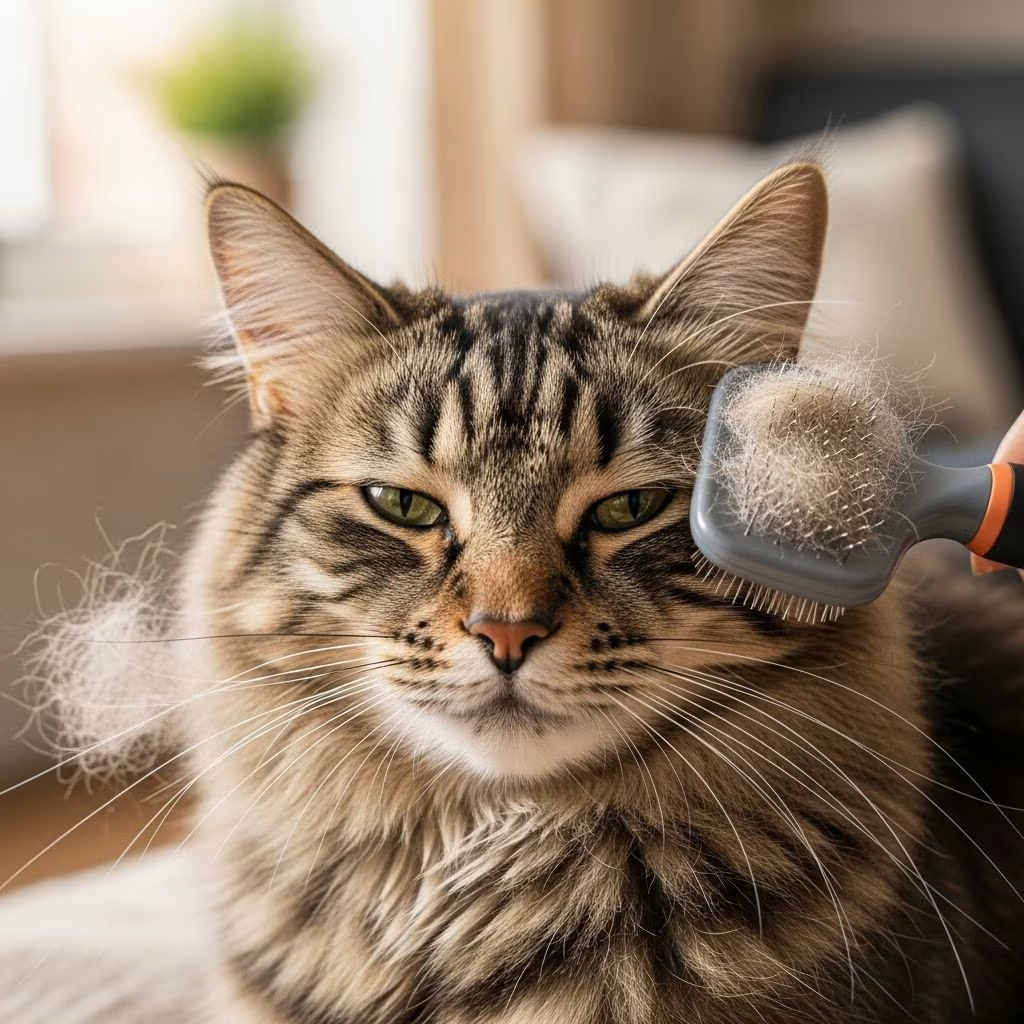
Cats naturally shed to make way for new fur growth, but excessive shedding can leave your home covered in hair and signal underlying health issues. Reducing cat shedding involves a combination of regular grooming, optimal nutrition, proper hydration, stress management, and environmental controls. These strategies not only minimize loose fur but also promote a healthier coat and stronger bond with your pet.
Why Do Cats Shed?
Cat shedding is a normal process tied to seasonal changes, with heavier shedding in spring and fall to adapt to temperature shifts. Short-haired breeds shed less noticeably than long-haired ones like Persians or Maine Coons, but all cats lose fur daily. Factors like diet deficiencies, poor grooming ability (common in overweight cats), allergies, parasites, or stress can exacerbate shedding. Overweight cats struggle to groom hard-to-reach areas, leading to more loose fur. Consulting a veterinarian first rules out medical conditions such as skin allergies, fleas, or thyroid issues.
1. Brush Your Cat Regularly
Regular brushing is the most effective way to reduce visible shedding by removing loose fur before it scatters around your home. Aim for daily sessions, especially during peak shedding seasons, using tools suited to your cat’s coat type. For short-haired cats, a rubber curry brush or grooming glove works well; long-haired breeds benefit from a slicker brush or wide-toothed comb to reach the undercoat.
Brushing distributes natural oils, improving coat shine and skin health while preventing matting. Make it a positive experience with treats and praise to build trust—many cats come to enjoy this bonding time. Portable grooming tools allow quick sessions during naps or play. Frequency matters: every other day minimum, daily for heavy shedders, capturing up to 90% of loose fur.
- Tools for short hair: Rubber brushes, grooming mitts.
- Tools for long hair: Slicker brushes, de-shedding combs like Furminator (use gently to avoid skin irritation).
- Pro tip: Brush outdoors or over a towel for easy cleanup.
2. Feed a High-Quality Diet
A nutritionally complete diet rich in proteins, essential fatty acids (like omega-3 and omega-6), and vitamins supports healthy skin and reduces shedding. According to AAFCO standards, cat food must meet specific nutrient profiles and pass feeding trials for completeness. Poor diet leads to dry skin and brittle fur, increasing fallout.
Opt for premium kibble or wet food labeled for skin and coat health. Wet food adds moisture, aiding hydration and digestion to prevent hairballs. Transition diets gradually over 7-10 days to avoid tummy upset.
| Nutrient | Benefits for Coat | Food Sources |
|---|---|---|
| Omega Fatty Acids | Reduces inflammation, promotes shine | Fish oil, salmon-based foods |
| Protein (30-40% min) | Builds strong hair shafts | Chicken, turkey, fish meals |
| Zinc & Biotin | Supports skin barrier | Fortified kibble |
3. Keep Your Cat Hydrated
Hydration is crucial for skin elasticity and coat health—dehydrated cats shed more. Provide fresh, cool water daily in multiple locations; fountains encourage drinking by mimicking running water. Incorporate wet food (70-80% moisture) to boost intake, especially for kibble-fed cats.
Monitor urine output and gum moisture; dark urine signals dehydration. In dry climates or with senior cats, add water toppers or broth to meals.
4. Consider Supplements
Supplements bridge dietary gaps, with omega fatty acids topping the list for reducing shedding and enhancing coat luster. Fish oil, flaxseed, or krill-based options lubricate skin from within. Prebiotics, probiotics, and hairball remedies (avoid petroleum-based) aid digestion of ingested fur.
Always consult your vet before starting—over-supplementation risks imbalances. Dosages vary by weight: typically 250-500mg EPA/DHA daily for adults. Benefits appear in 4-6 weeks with consistent use.
- Omega-3/6 blends
- Hairball pastes with natural oils
- Probiotics for gut health
5. Bathe Your Cat Occasionally
Bathing removes loose undercoat and dirt but should be infrequent (2-4 times yearly) to preserve natural oils. Use cat-specific shampoo—human products irritate skin. Stressed cats may need professional grooming with sedation.
Detangling sprays ease brushing for longhairs. Post-bath, towel-dry gently and keep warm to avoid chills.
6. Minimize Stress
Stress triggers excessive shedding via cortisol, mimicking seasonal changes. New pets, moves, or loud environments spike it. Provide hiding spots, pheromone diffusers, and playtime.
Vertical space like cat trees reduces tension. Routine predictability calms felines.
7. Create a Designated Space
A fur-friendly zone concentrates shedding for easy cleanup. Invest in washable beds, cat towers, and blankets spritzed with catnip. Dark, enclosed ‘caves’ appeal to instincts.
Vacuum these spots daily; use lint rollers elsewhere.
8. Use Environmental Controls
Minimize airborne fur with HEPA air filters, frequent vacuuming (use pet-specific vacuums), and washing fabrics weekly. Lint rollers and fabric sprays tackle furniture.
Shaving is an option for severe cases but doesn’t stop shedding—hairs regrow shorter. Pros handle clippers safely.
Health Issues That Increase Shedding
Excessive shedding warrants a vet visit. Common culprits:
- Allergies: Food or environmental; itchiness accompanies.
- Parasites: Fleas, mites cause patchy loss.
- Endocrine disorders: Hyperthyroidism, diabetes.
- Obesity: Hinders self-grooming.
Bloodwork or skin scrapes diagnose; treatments vary from meds to flea preventives.
Frequently Asked Questions (FAQs)
Why is my cat shedding so much?
Normal shedding peaks seasonally, but excess may stem from diet, stress, health issues, or grooming deficits. Vet check recommended.
Does shaving stop cat shedding?
No, it reduces hair length but not production. Regrowth occurs; professional clipping advised.
How often should I brush my cat?
Daily for heavy shedders, every other day minimum. Adjust by coat type.
Can diet really reduce shedding?
Yes, nutrient-rich food strengthens fur. AAFCO-compliant options with omegas excel.
Is wet food better for shedding cats?
It boosts hydration, aiding coat health and reducing hairballs.
References
- 5 Ways to Reduce Cat Shedding — We Are All About Cats. 2023-01-03. https://weareallaboutcats.com/2023/01/03/5-ways-to-reduce-cat-shedding/
- 8 Ways to Reduce Cat Shedding — Bond Vet. N/A. https://bondvet.com/blog/ways-to-reduce-cat-shedding
- 12 Home Remedies for Excessive Cat Shedding — Uproot Clean. N/A. https://uprootclean.com/blogs/cleanspace/home-remedies-for-excessive-cat-shedding
- 6 Ways to Reduce Your Cat’s Shedding — Baci+. N/A. https://baciplus.com/en/blogs/news/6-astuces-qui-tombent-pile-poil-pour-minimiser-la-mue-de-votre-chat



