

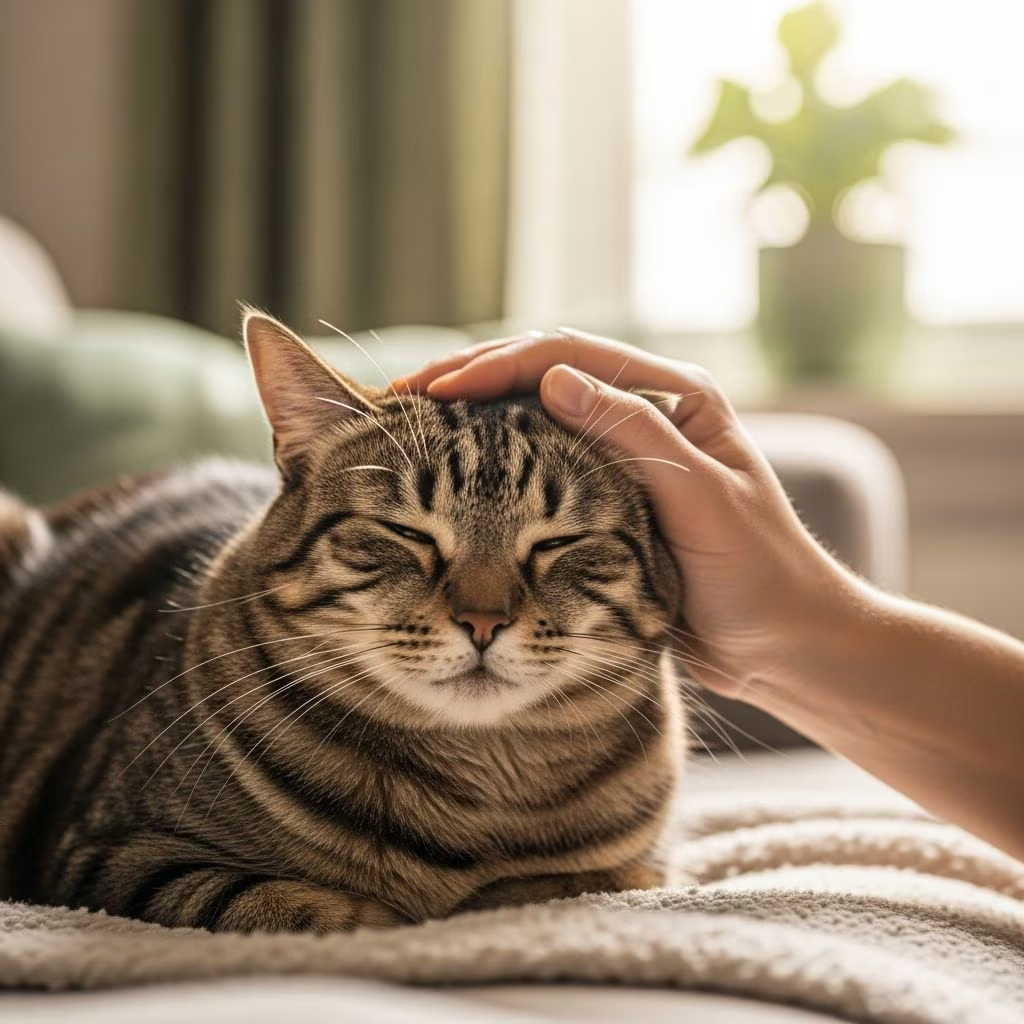
How to Reduce Anxiety in Cats: Expert Tips
Anxiety in cats is a common behavioral issue that can significantly impact their quality of life and overall health. Whether your feline friend is experiencing fear-based anxiety, separation anxiety, or stress from environmental changes, understanding the underlying causes and implementing effective solutions is essential. By taking a comprehensive, multi-modal approach that combines behavioral modification, environmental adjustments, and natural calming aids, you can help your cat overcome anxiety and create a more peaceful home for both you and your pet.
Understanding Cat Anxiety
Cats experience anxiety for various reasons, including changes in their environment, loud noises, unfamiliar people or animals, medical conditions, or past traumatic experiences. Before implementing any anxiety-reduction strategies, it is crucial to consult with your veterinarian to rule out underlying medical conditions that could be contributing to your cat’s anxious behavior. Once medical causes have been eliminated, you can focus on behavioral and environmental interventions to help your cat feel more secure and relaxed.
Identify and Remove Triggers
The first step in reducing cat anxiety is identifying what specifically triggers your cat’s anxious response. This may involve observing your cat’s behavior patterns and noting when anxiety episodes occur. Once you have identified the triggers, work to remove or minimize them whenever possible. For example, if your cat becomes anxious during thunderstorms, create a safe space away from windows where they can retreat. If certain sounds trigger fear, such as vacuum cleaners or fireworks, limit your cat’s exposure to these noises during these times.
Pay close attention to your cat’s body language cues, including ear position, tail movement, and posture, as these can help you recognize early signs of anxiety before it escalates.
Make Changes Gradual
Cats are creatures of habit and thrive on predictability. When changes must occur—such as moving to a new home, introducing a new pet, or rearranging furniture—implement these transitions gradually to minimize stress. If you are moving to a new home, confine your cat to a smaller room initially and gradually introduce them to other areas of the house over days or weeks until they become familiar with their new surroundings.
This gradual approach allows your cat to adjust at their own pace and builds confidence in their new environment. Rushing transitions can increase anxiety and create long-term behavioral issues.
Maintain a Consistent Routine
Establishing and maintaining a consistent daily routine is one of the most effective ways to reduce cat anxiety. Cats feel more secure when they know what to expect throughout their day. This means maintaining regular schedules for:
- Feeding times
- Playtime and exercise
- Bedtime and wake time
- Litter box maintenance
- Interactive bonding activities
By meeting your cat’s needs in a predictable manner, you prevent them from being constantly on edge waiting for their next meal or activity. This structure taps into their natural hunting and resting cycles, creating a sense of security that significantly reduces anxiety levels.
Physical and Mental Exercise
Boredom and inactivity can contribute significantly to anxiety in cats. Regular exercise and mental stimulation are essential for maintaining a calm, healthy cat. Provide your cat with multiple opportunities to engage their natural instincts through play and exploration.
Effective enrichment strategies include:
- Cat trees and elevated perches: Cats feel safe and secure in elevated spaces, giving them a sense of control over their environment. Place at least one cat tree in areas where family members spend time, as cats are unlikely to use trees in empty rooms.
- Interactive toys: Engage your cat with fishing rod-type toys that encourage interaction and bonding (never leave your cat alone with toys on strings).
- Puzzle feeders and enrichment toys: These encourage problem-solving and keep your cat mentally stimulated.
- Cardboard boxes and paper bags: Simple items can arouse your cat’s natural hunting and prowling instincts.
- Scratching posts: Provide multiple scratching posts throughout your home to satisfy natural scratching behaviors and mark territory.
Scheduled playtime not only helps release pent-up energy but also strengthens the bond between you and your cat. A strong bond can serve as a calming influence, making your presence itself anxiety-reducing for your feline friend.
Create a Safe Space
Every anxious cat needs access to a quiet, secure refuge where they can escape stressors. This safe space should be away from high-traffic areas, loud noises, and other pets or animals that may trigger anxiety. Ideal safe spaces include:
- A quiet bedroom or bathroom
- A darkened corner with cardboard boxes or sheets draped over chairs
- A cat condo or enclosed cat bed
- A closet or under-bed refuge
Ensure this space contains all of your cat’s essential needs: a litter box, food and water bowls, toys, and comfortable bedding. When your cat retreats to this safe space, respect their need for solitude and avoid forcing interaction. Having a dedicated refuge gives your anxious cat control over their environment and reduces overall stress levels.
Pheromone Therapy
Synthetic feline pheromones are one of the most effective natural anxiety-reducing tools available. Products like Feliway replicate the natural calming pheromone that cats produce when they rub their cheeks on objects to mark territory. These pheromones create a sense of familiarity and security in the environment, helping to calm many cats.
Pheromone products come in various forms:
- Diffusers: Plug-in devices that continuously release pheromones into the environment, similar to air fresheners.
- Sprays: Can be applied directly to areas where your cat spends time.
- Multi-cat diffusers: Designed for households with multiple cats to reduce inter-cat stress.
Pheromone products may reduce stress-related behaviors such as hiding, inappropriate scratching, and urine spraying. While results vary among individual cats, many pet owners report significant improvements in their cat’s anxiety levels when using these products consistently.
Calming Supplements and Treats
Several natural calming supplements and treats can help reduce cat anxiety without causing lethargy. These products contain natural ingredients specifically formulated to promote relaxation and improve mood.
Calming Treats: Specially formulated treats containing ingredients like L-theanine and thiamine can be offered 30 minutes before stressful situations such as veterinary visits, car rides, or thunderstorms, or used daily as needed. Reputable brands include Vetriscience, Pet Naturals, Pet Honest, Zesty Paws, and Cat MX.
Calming Care Supplements: Purina ProPlan Calming Care is a patented probiotic supplement that has been shown to decrease nervous behaviors, promote positive behaviors, and blunt cortisol response. While results are not immediate and may take up to 6 weeks to appear, pet owners who remain consistent with supplementation often report favorable changes in their cat’s overall behavior and demeanor.
Behavioral Modification Techniques
In addition to environmental changes, specific behavioral modification techniques can help your cat overcome anxiety and fear-based responses.
Desensitization
Desensitization involves repeated, controlled exposure to the stimulus that triggers your cat’s anxiety, presented at a low level so your cat shows no fear or stress. The key principle is to work at what professionals call a “sub-threshold level”—ensuring your interventions never cause fear or stress, which would be counterproductive.
For example, if your cat is afraid of a particular sound, such as a dog barking or a vacuum cleaner, begin by playing the sound at an extremely low volume while your cat is calm. After playing the sound three or four times at this low volume without triggering anxiety, you can increase the volume very slightly and repeat the process. Continue this gradual progression only when your cat shows no signs of fear or stress. This approach can take weeks or months but can significantly reduce anxiety over time.
Counterconditioning
Counterconditioning alters your cat’s emotional response to an anxiety trigger from negative to positive. This technique uses positive reinforcement to replace anxious behaviors with more desirable ones.
A practical example: If your cat is afraid of the family dog, feed your cat their favorite treat every time they see the dog. Over time, seeing the dog becomes associated with positive feelings and rewards, rather than fear. This approach gradually reshapes your cat’s emotional response to the trigger through consistent, positive experiences.
Multi-Modal Treatment Approach
The most effective anxiety treatment combines multiple strategies tailored to your cat’s specific needs. A comprehensive approach typically includes:
- Behavioral modification techniques (desensitization and counterconditioning)
- Environmental modifications (safe spaces, enrichment, removal of triggers)
- Natural calming aids (pheromones, supplements, treats)
- Consistent routine and adequate exercise
- In severe cases, anti-anxiety medication prescribed by your veterinarian
Successful treatment requires consistency and commitment, as it may take several months for your cat to overcome anxiety or reduce it to manageable levels. Remember that even small improvements in behavior and symptoms have meaningful, cumulative effects on your cat’s wellbeing and quality of life.
When to Seek Professional Help
If your cat’s anxiety is severe, persistent, or does not improve with environmental and behavioral modifications, consult with your veterinarian about professional behavior modification plans and potential medication options. A veterinary behaviorist or certified animal behavior consultant can develop a customized treatment plan specific to your cat’s needs and monitor progress over time.
Frequently Asked Questions (FAQs)
Q: How long does it take to see improvement in my cat’s anxiety?
A: Results vary depending on the severity of anxiety and the strategies implemented. Some cats show improvement within weeks, while others may take several months to overcome anxiety or reduce it to manageable levels. Consistency is key to achieving results.
Q: Are pheromone products safe for all cats?
A: Yes, synthetic feline pheromone products are safe for all cats and do not cause sedation or negative side effects. They work naturally with your cat’s own calming mechanisms.
Q: Can I combine behavioral modification with medication?
A: Yes, a multi-modal approach combining behavioral modification, environmental changes, and medication (when prescribed by your veterinarian) is often the most effective treatment for severe anxiety.
Q: What are signs my cat is experiencing anxiety?
A: Common anxiety signs include excessive hiding, inappropriate elimination, destructive behavior, excessive vocalization, changes in eating or sleeping habits, and aggression. Consult your vet if you notice these behaviors.
Q: Is it normal for cats to take time adjusting to new homes?
A: Yes, it is completely normal. Gradually introducing your cat to new spaces over days or weeks, maintaining consistent routines, and providing safe spaces helps ease the transition and reduces relocation anxiety.
References
- Easing Feline Stress: Simple Solutions for Anxious Cats — Wedgewood. https://www.wedgewood.com/blog/easing-feline-stress-simple-solutions-for-anxious-cats/
- The Ultimate Guide to Cat Anxiety — PetMD. https://www.petmd.com/cat/conditions/behavioral/c_ct_fear_phobia_anxiety
- 5 Calming Items That Can Reduce Cat Anxiety — HAH Pets. https://www.hahpets.com/articles/966743-june-newsletter-5-calming-items-that-can-reduce-cat-anxiety
- 9 Ways to Manage Cat Anxiety and Stress at Home — Willowbrook Veterinary Clinic. https://www.willowbrookvet.com/services/cats/blog/9-ways-manage-cat-anxiety-and-stress-home
- Managing Anxiety in Cats — Small Door Veterinary. https://www.smalldoorvet.com/learning-center/medical/managing-anxiety-in-cats
- Cat Fear: How to Help a Nervous Cat — PDSA (People’s Dispensary for Sick Animals). https://www.pdsa.org.uk/pet-help-and-advice/looking-after-your-pet/kittens-cats/how-to-help-a-nervous-cat
- Calming Your Cat: Tips from a Feline-Friendly Vet — Oz Animal Hospital. https://ozanimalhospital.com/calming-your-cat-tips-from-a-feline-friendly-vet/



