

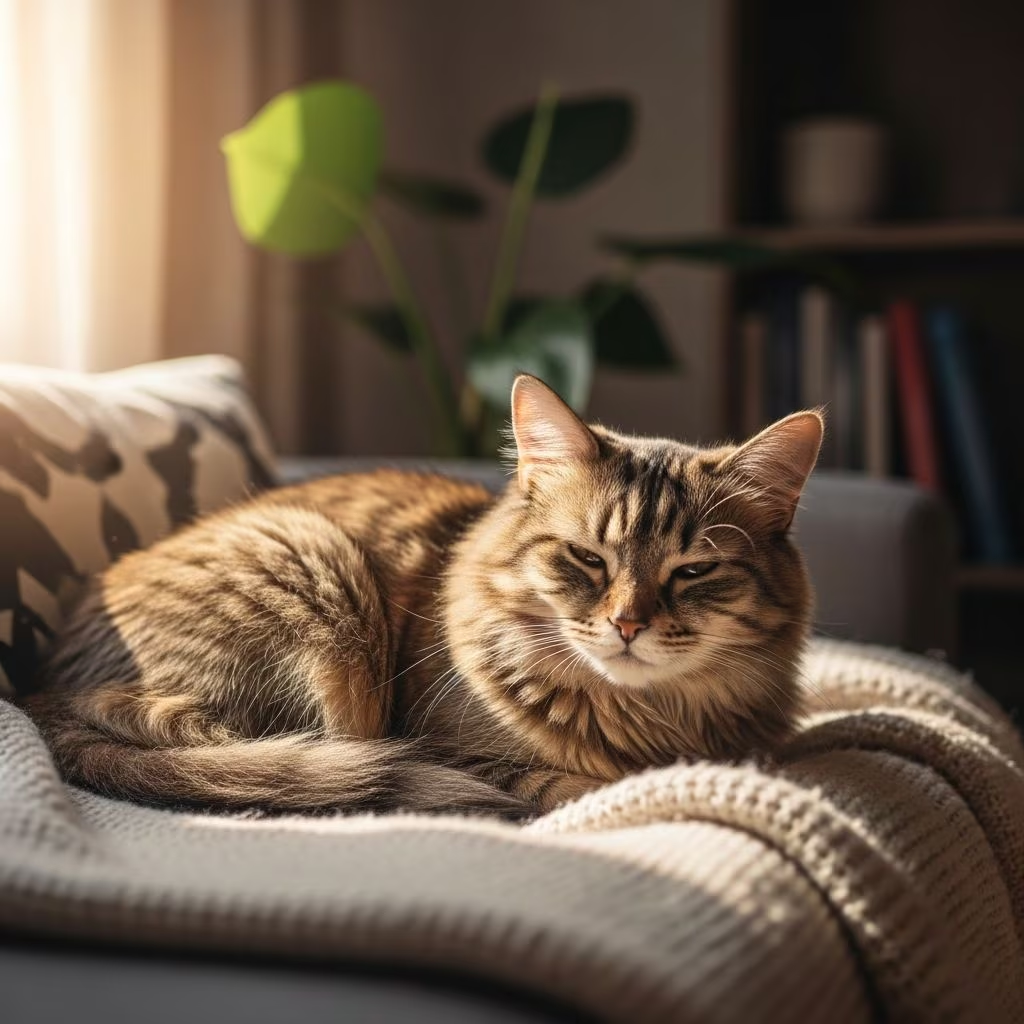
Cats are often perceived as independent and aloof, but they can experience anxiety just like humans. Feline anxiety manifests in various behaviors and can stem from environmental changes, medical issues, or stressors. Understanding and addressing cat anxiety is crucial for your pet’s well-being. This comprehensive guide covers signs of anxiety, causes, and proven strategies to help your cat live a calmer life.
Signs Your Cat Is Anxious
Recognizing anxiety in cats early allows for timely intervention. Common signs include:
- Hiding or avoidance: Cats may retreat to secluded spots, avoiding interaction even with familiar people.
- Excessive vocalization: Increased meowing, yowling, or hissing signals distress.
- Changes in appetite: Refusal to eat or overeating can indicate stress.
- Litter box issues: Inappropriate urination or defecation outside the box, often linked to stress.
- Aggression or irritability: Sudden scratches or bites from a previously docile cat.
- Grooming changes: Over-grooming leading to bald patches or neglect of coat.
- Pacing or restlessness: Inability to settle, constant movement.
These behaviors can mimic medical conditions, so a vet visit is essential to rule out health issues.
Causes of Anxiety in Cats
Cat anxiety arises from multiple sources. Common triggers include:
- Environmental changes: Moving homes, new furniture, or renovations disrupt a cat’s sense of security.
- Social stressors: Introduction of new pets, babies, or visitors overwhelms territorial instincts.
- External threats: Stray cats visible through windows or loud noises like thunderstorms.
- Routine disruptions: Inconsistent feeding or play schedules unsettle cats’ need for predictability.
- Medical factors: Pain from arthritis or hyperthyroidism can manifest as anxiety-like behaviors.
Cats thrive on stability; sudden changes heighten stress responses.
Step 1: Rule Out Medical Causes
Before behavioral interventions, consult a veterinarian. Conditions like urinary tract infections, dental pain, or thyroid issues mimic anxiety. A thorough exam, bloodwork, and urinalysis ensure no underlying health problems. Once cleared, focus on stress management.
Environmental Modifications to Reduce Anxiety
Creating a cat-friendly environment is foundational. Key strategies:
- Remove or minimize triggers: Block views of outdoor cats with window films or deterrents. For neighborhood strays, use motion-activated sprinklers.
- Provide safe spaces: Designate quiet areas with boxes, perches, or covered crates. Elevated cat trees offer security as cats feel safer high up.
- Gradual introductions: During moves, confine to one room initially, expanding access slowly over days or weeks.
- Multiple resources: Ensure separate litter boxes, food stations, and scratching posts per cat to reduce competition.
These changes restore territory control and familiarity.
Exercise and Enrichment for Anxious Cats
Boredom amplifies anxiety. Regular activity burns energy and boosts endorphins.
- Daily play sessions: Use interactive toys like wand toys or laser pointers for 15-30 minutes twice daily. Mimic hunting to engage instincts.
- Enrichment items: Rotate toys, puzzle feeders, and cardboard boxes to prevent habituation.
- Vertical space: Cat trees, shelves, and window perches encourage exploration.
- Scheduled routine: Consistent play, feeding, and sleep mimic natural cycles, reducing uncertainty.
Exercise strengthens your bond; your presence becomes a calming cue.
Pheromone Therapy and Calming Aids
Synthetic pheromones replicate facial scents cats use for marking safe territories.
- Feliway diffusers/sprays: Plug in rooms or spray carriers. Effective for 50-90% of cats, reducing spraying and hiding.
- Calming treats/supplements: Ingredients like L-theanine, thiamine, or probiotics (e.g., Purina ProPlan Calming Care) promote relaxation. Effects may take 4-6 weeks.
- Collars and wipes: Portable options for travel.
| Product Type | Examples | Use Case | Onset Time |
|---|---|---|---|
| Diffusers | Feliway MultiCat | Home calming | Days |
| Treats | Vetriscience, Zesty Paws | Before stress events | 30 mins |
| Probiotics | Purina Calming Care | Long-term | 4-6 weeks |
Combine for multi-modal relief.
Behavior Modification Techniques
Advanced methods retrain responses to stressors.
Desensitization
Gradually expose to triggers at sub-threshold levels. For noise phobias, play recordings starting very low, pairing with treats. Increase volume slowly without fear response.
Counterconditioning
Replace fear with positive associations. Offer high-value treats during mild exposure.
Progress requires patience; work below stress threshold, monitoring body language like ear flattening or tail twitching.
Professional Interventions
For severe cases:
- Veterinary behaviorists: Prescribe medications like fluoxetine if needed.
- Custom plans: Tailored desensitization protocols.
Medication complements, not replaces, behavioral changes.
Maintaining a Routine
Cats crave predictability. Stick to fixed times for meals, play, and bedtime. This taps hunting-rest cycles, fostering security.
Special Considerations for Multi-Cat Homes
Competition heightens stress. Provide resources by the formula: n+1 litter boxes (n=cats). Use multi-cat pheromones.
FAQs
What are the first signs of anxiety in cats?
Hiding, litter box avoidance, excessive meowing, or aggression.
Can pheromone diffusers really help anxious cats?
Yes, products like Feliway calm many cats by mimicking territorial scents.
How much playtime does an anxious cat need?
15-30 minutes twice daily with interactive toys.
When should I see a vet for cat anxiety?
If behaviors persist after environmental tweaks or include appetite loss.
Do calming treats work immediately?
Some act in 30 minutes; probiotics take weeks.
Conclusion
Reducing cat anxiety involves patience, consistency, and a holistic approach. Start with vet checks, tweak the environment, add enrichment, and use aids. Monitor progress; small improvements compound. Your efforts enhance your cat’s quality of life profoundly.
References
- Easing Feline Stress: Simple Solutions for Anxious Cats — Wedgewood Pharmacy. 2023. https://www.wedgewood.com/blog/easing-feline-stress-simple-solutions-for-anxious-cats/
- 5 Calming Items That Can Reduce Cat Anxiety — HAH Pets. 2023. https://www.hahpets.com/articles/966743-june-newsletter-5-calming-items-that-can-reduce-cat-anxiety
- 9 Ways to Manage Cat Anxiety and Stress at Home — Willowbrook Vet. 2024. https://www.willowbrookvet.com/services/cats/blog/9-ways-manage-cat-anxiety-and-stress-home
- Managing Anxiety in Cats — Small Door Veterinary. 2024. https://www.smalldoorvet.com/learning-center/medical/managing-anxiety-in-cats
- Cat Fear: How to Help a Nervous Cat — PDSA. 2023. https://www.pdsa.org.uk/pet-help-and-advice/looking-after-your-pet/kittens-cats/how-to-help-a-nervous-cat
- The Ultimate Guide to Cat Anxiety — PetMD. 2024. https://www.petmd.com/cat/conditions/behavioral/c_ct_fear_phobia_anxiety



