

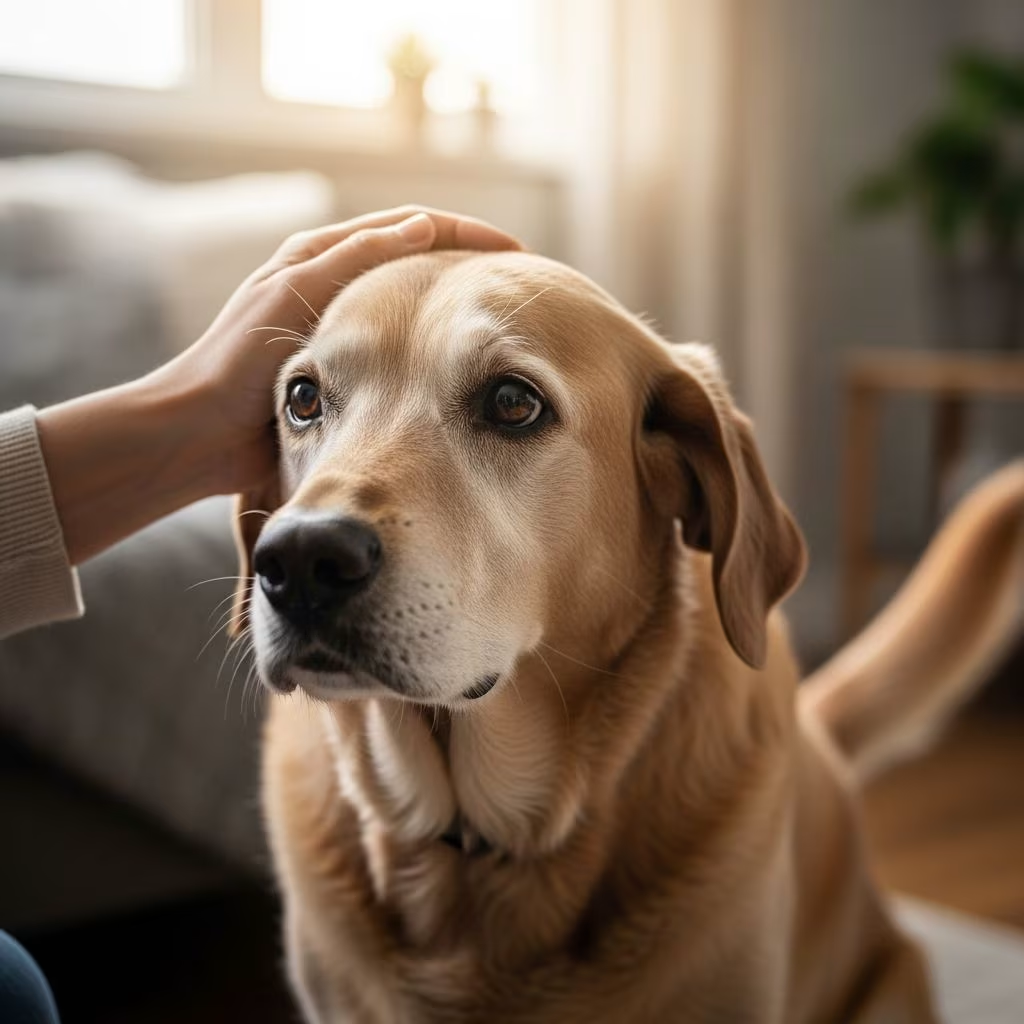
How to Read Your Senior Dog’s Body Language
As dogs enter their golden years, their ability to communicate with us remains just as important as ever—but the signals they send may change significantly. Senior dogs often experience physical discomfort, sensory decline, and cognitive changes that directly impact how they express themselves through body language. Understanding these subtle shifts in communication is essential for providing compassionate care and identifying potential health issues early. By learning to read your senior dog’s body language, you can better respond to their needs, prevent conflicts, and ensure they enjoy their later years with comfort and security.
Why Senior Dog Body Language Changes
Senior dogs undergo numerous physiological changes that affect how they communicate. Arthritis and joint pain can restrict their movement and posture. Vision and hearing loss may make them more anxious or reactive to their environment. Cognitive dysfunction can alter their behavior patterns and emotional responses. Additionally, senior dogs experience difficulty regulating their body temperature and may have reduced muscle tone and flexibility. These changes combine to create a distinctly different body language profile compared to younger dogs. Recognizing that these changes are age-related—not behavioral problems—helps pet parents respond with appropriate patience and care.
Tail Position and Movement
A dog’s tail is one of the most expressive parts of their body, and senior dogs’ tails often tell a nuanced story about their physical and emotional state. In younger dogs, a wagging tail typically signals happiness, but in senior dogs, the tail’s message becomes more complex.
What It Looks Like
A senior dog’s wag might be slower or lower than it once was, or you might observe an older dog not wagging their tail at all. The tail might droop completely, held low between the hind legs, or remain stiff and immobile. Some senior dogs show partial tail movement, with only the tip twitching rather than the entire tail engaging. The position and speed of the tail wag can indicate comfort level, pain, and emotional state.
What It Means
A slow, low wag might indicate contentment mixed with caution or physical discomfort. A tail held rigidly between the legs often signals fear, anxiety, or pain. A tail that droops completely may suggest depression, illness, or significant physical discomfort. Conversely, a higher, more animated wag—if your senior dog is capable of it—still generally indicates happiness and confidence, though with potentially less intensity than in younger years.
How to Respond
Observe your senior dog’s typical tail position during comfortable moments, then note any deviations. If your dog’s tail suddenly changes position or stops moving, schedule a veterinary check-up to rule out pain or illness. Provide reassurance through gentle touch and calm voice tones when you notice tail-tucking behavior. Avoid forcing interaction if your dog seems uncomfortable.
Posture and Body Position
A senior dog’s posture often reveals more about their physical comfort and emotional state than any other single indicator. The changes in posture as dogs age can be dramatic and meaningful.
What It Looks Like
Due to discomfort, a senior dog might not have the flexibility to assume anything other than what might be misconstrued as a submissive or frightened posture, characterized by a hunched back, possibly with the dog’s hair standing up. This position will likely impact how the dog holds their head and tail, with both pointed toward the ground. The dog might also hold their ears flattened against their head. Some senior dogs lean or shift weight unevenly, favoring one side. You might notice a “play bow” position becoming more difficult or impossible to achieve.
What It Means
A hunched posture in a senior dog often indicates chronic pain, such as from arthritis or spinal issues, rather than submission or fear as it might in a younger dog. The flattened ears and lowered head combined with a hunched back typically signal discomfort, anxiety, or a combination of both. If this posture appears suddenly and is accompanied by other changes, it may indicate acute pain or illness. A tilted or awkward posture might suggest neurological issues or vestibular problems.
How to Respond
Consult with your veterinarian about pain management options if your senior dog displays a persistently hunched posture. Provide orthopedic bedding to reduce pressure on joints. Help your dog up and down stairs or onto furniture if needed. Adjust your home environment to minimize the need for your dog to navigate difficult terrain. Consider physical therapy or low-impact exercise recommended by your vet.
Gait and Mobility Changes
How your senior dog walks tells you a great deal about their physical condition and comfort level. Gait changes are among the most visible signs of aging in dogs and warrant close attention.
What It Looks Like
Dogs naturally lose some of the pep in their step as they age, but some senior dogs’ gait can change to include everything from slower, inhibited walking to a limp. A senior walking with a stiff gait might move one leg more slowly than the others, as if out of rhythm. The foot may drag slightly so the knuckles move along the ground instead of the paw pads. The rear legs might also move in tandem instead of individually. Dogs experiencing pain might compensate by arching their back, bobbing their head, or angling their tail to alleviate pressure.
What It Means
A slow gait is normal aging, but a stiff, jerky gait suggests pain from arthritis or other joint conditions. Dragging feet or knuckling over indicates possible neurological issues or severe arthritis. Uneven weight distribution or favoring one leg suggests acute or chronic pain in that limb. Head bobbing or back arching indicates compensatory movements to avoid pain in specific areas.
How to Respond
Take shorter, more frequent walks rather than one long walk. Provide traction on slippery floors with non-slip mats. Schedule a veterinary examination to diagnose the cause of gait changes. Ask your vet about pain management, physical therapy, or mobility aids. Consider supplements like glucosamine or omega-3 fatty acids. Adjust your home to minimize stairs and uneven surfaces.
Trembling and Shaking
Trembling in senior dogs can indicate various physical and emotional states, and understanding the context is crucial for appropriate response.
What It Looks Like
A senior dog might shake while standing up or while resting. This can involve the entire body, with trembling reaching from the head to the tail, or specific parts like just the head or back legs. Depending on the reason for trembling, the dog might cower or hunch over, or the dog’s posture might remain neutral with just the impact region shaking. Trembling might be continuous or sporadic.
What It Means
If a senior dog’s trembling seems out of context in the situation (meaning there’s no obvious stressor), it might point to a pain-based reaction, muscle weakness, cognitive dysfunction, or a stress reaction related to dulled senses. Senior dogs also have difficulty regulating their body temperature, so trembling might indicate that the dog is cold even if the climate feels mild. Excessive trembling can also signal anxiety, fear, or undiagnosed medical conditions like seizure disorders or metabolic issues.
How to Respond
If your senior dog’s trembling is excessive, prolonged, and can’t be addressed by adjusting the temperature, a veterinarian should assess the dog to determine if there’s an undiagnosed injury or medical condition. Provide blankets and ensure your dog has access to warm areas. Minimize stressors in the environment. Monitor the frequency and duration of trembling episodes and report them to your vet. Consider keeping a log of when trembling occurs to help identify patterns.
Panting Behavior
Panting in senior dogs is frequently misinterpreted, and understanding the true cause is important for proper response.
What It Looks Like
Senior dog panting involves rapid, open-mouth breathing that may occur at rest or during minimal activity. The panting might be shallow or deep, continuous or intermittent. You might notice your dog panting even in cool temperatures or after very little exertion.
What It Means
We generally believe senior dogs pant to telegraph stress or anxiety, but because it’s difficult for seniors to regulate their body temperature, they might be more likely to pant even in mild weather. Excessive panting in senior dogs can also indicate health problems like Cushing’s disease, heart issues, or respiratory disorders. Senior dog panting could also be a stress reaction to dulled senses in relation to a change in their home environment, or due to cognitive decline. Pain and discomfort can also trigger excessive panting as the dog’s body reacts to physical distress.
How to Respond
Provide a cool, comfortable environment. Ensure access to fresh water at all times. If panting occurs at rest or seems excessive, schedule a veterinary evaluation to rule out medical conditions like heart disease or hormonal imbalances. Note any triggers for panting episodes. Minimize environmental stressors and maintain a consistent routine to reduce anxiety-related panting.
Yawning and Jaw Tension
While yawning is commonly associated with tiredness, it carries additional meaning in senior dog body language.
What It Looks Like
Senior dog yawning can occur at any point and may repeat frequently. The yawn might be a quick open-and-close movement, or it might be a prolonged, wide-open mouth movement during which the dog closes their eyes and flattens their ears against their head. You might also notice your dog’s jaw seeming tense or their mouth held slightly open even when not actively yawning.
What It Means
Yawning is a common indicator of fatigue, but in dog body language, it may also telegraph anxiety, stress, or fear. Frequent yawning in situations that don’t warrant tiredness often indicates discomfort or nervousness. Jaw tension can suggest pain from dental issues, temporomandibular joint (TMJ) problems, or other oral health concerns. Repeated yawning combined with other stress signals like lip licking, whale eye, or ear position changes indicates heightened anxiety or stress.
How to Respond
Monitor the context in which yawning occurs. If your senior dog yawns excessively during stressful situations, work to minimize those stressors. Schedule regular dental check-ups to rule out oral pain. Provide calming supplements or medication if your vet recommends anxiety management. Create a safe, predictable environment with consistent routines.
Eye Changes and Facial Expressions
A senior dog’s eyes and facial expressions undergo changes that significantly impact their body language communication.
What It Looks Like
Senior dogs often show dilated pupils, particularly in low light or stressful situations. You might notice the whites of the eyes becoming more visible—a condition called “whale eye.” The eyes might appear cloudy or glazed due to cataracts or other age-related changes. The area around the eyes might appear tense or tight. Eyelids might droop slightly.
What It Means
Dilated pupils can indicate fear, arousal, or stress. Whale eye typically signals anxiety, fear, or apprehension about a situation. Cloudy eyes suggest vision loss, which can make your senior dog anxious in unfamiliar situations. Tense eye muscles indicate discomfort or stress. Vision loss combined with other body language signals helps explain seemingly inexplicable reactions to normal stimuli.
How to Respond
Approach your senior dog carefully and from where they can see you, as vision loss may make sudden appearances startling. Maintain consistent lighting in your home. Avoid direct eye contact if your dog seems stressed, as this can be perceived as threatening. Have your dog’s vision checked regularly. Be extra patient with senior dogs navigating darker areas.
Ear Position and Movement
A senior dog’s ears convey important information about their emotional and physical state through their position and movement.
What It Looks Like
Senior dogs often hold their ears flattened against their head, either constantly or in specific situations. The ears might appear droopy or lack the alertness they once showed. In some cases, the ears might be held back or to the sides rather than in the forward position associated with alertness. You might notice decreased ear movement or responsiveness to sounds despite the dog still hearing.
What It Means
Flattened ears typically indicate submission, fear, anxiety, or discomfort. Droopy ears combined with a relaxed body might simply indicate contentment, but when combined with other tension signals, they suggest stress. Lack of ear movement can indicate hearing loss, which often increases anxiety in senior dogs who struggle to locate sound sources. The combination of hearing loss and visual impairment can make senior dogs particularly anxious about their surroundings.
How to Respond
Speak in calm, reassuring tones. Approach from where your dog can see you. Don’t startle a senior dog with sudden movements. Provide verbal warnings before handling. Create a predictable environment that compensates for sensory loss. Consider using hand signals in addition to verbal commands.
Signs of Stress in Senior Dogs
Understanding the collective signals of stress helps you identify when your senior dog is experiencing emotional distress.
It’s essential to look at the whole body in context to establish how your dog is feeling in the moment. A combination of signals provides a more accurate picture than any single indicator. Possible signs of stress include:
- Wide eyes with visible whites (whale eye)
- ‘Airplane’ ears held out to the sides
- Snarling or lifted lip
- Growling or other vocalizations
- Stiff tail held high or tucked between legs
- Piloerection (raised hackles) along the back
- Lip licking or excessive drooling
- Yawning (when not tired)
- Hunched posture or cowering
- Trembling or shaking
- Panting excessively
- Stiff, tense body position
When you notice these signs in your senior dog, remove them from the stressful situation if possible, provide reassurance, and give them a safe space to decompress. If stress becomes chronic, consult with your veterinarian about anxiety management options.
Responding to Your Senior Dog’s Body Language
Understanding your senior dog’s body language is only half the equation—responding appropriately completes the communication cycle. When you observe stress signals, anxiety indicators, or pain-related body language changes, your response shapes your dog’s sense of security and well-being.
Creating a Safe Environment
Minimize sudden changes to your home environment. Maintain consistent routines for feeding, walking, and sleeping. Provide a comfortable, quiet retreat space where your senior dog can rest undisturbed. Use non-slip flooring to prevent falls. Install ramps or steps to help access favorite spots. Maintain consistent lighting, especially if your dog has vision loss. Keep pathways clear and predictable.
Medical Considerations
Many body language changes in senior dogs relate to underlying medical conditions. Pain from arthritis, dental disease, or other conditions manifests through posture, gait, and tension-related signals. Cognitive dysfunction can cause disorientation and anxiety. Sensory loss increases anxiety and changes behavioral responses. Regular veterinary check-ups are essential for identifying and managing these conditions. If you notice sudden behavior or body language changes, don’t wait—contact your veterinarian promptly.
Patience and Compassion
Remember that your senior dog isn’t choosing to behave differently—their aging body and mind are responding to physical and cognitive changes beyond their control. Patience, compassion, and understanding go a long way in supporting your dog through their golden years. Adjust your expectations, modify activities to match their abilities, and celebrate the good days.
Frequently Asked Questions
Q: How can I tell if my senior dog is in pain versus just acting old?
A: Pain typically manifests as sudden changes in body language, such as a new limp, reluctance to move, hunched posture, or excessive panting. While slowness and reduced activity are normal aging, acute changes warrant veterinary evaluation. Your vet can perform a physical examination and potentially recommend imaging to identify sources of pain.
Q: Why is my senior dog’s tail always down now?
A: A persistently lowered tail in senior dogs can indicate chronic pain, depression, cognitive changes, or a combination of factors. It’s particularly concerning if this represents a change from your dog’s normal behavior. Mention this to your veterinarian to explore potential causes and treatment options.
Q: What should I do if my senior dog shows sudden aggression in their body language?
A: Sudden aggression or defensive body language can indicate pain, fear related to sensory loss, or cognitive dysfunction. First, ensure the safety of all people and pets. Then, schedule an immediate veterinary appointment. Don’t punish the behavior, as this is likely a communication of distress rather than a behavioral problem.
Q: Can body language changes in senior dogs be reversed?
A: Some changes can be improved with appropriate treatment—for example, pain management can improve posture and gait, and anxiety medication can reduce stress-related signals. However, age-related changes like vision or hearing loss are typically permanent. The goal is managing symptoms and maintaining quality of life.
Q: How often should I monitor my senior dog’s body language?
A: Ongoing observation is important, but it doesn’t need to be stressful. During daily interactions and walks, casually note any changes from your dog’s normal patterns. This baseline awareness helps you spot concerning changes quickly, allowing for timely veterinary intervention.
Q: Is it normal for my senior dog to shake all the time?
A: Occasional trembling is common in senior dogs, especially if they’re cold. However, persistent or excessive trembling warrants veterinary evaluation to rule out pain, muscle weakness, neurological issues, or other medical conditions.
References
- Understanding Senior Dog Behavior: What to Expect — Chipman Road Animal Clinic. 2024-05-23. https://www.chipmanroadanimalclinic.com/blog/understanding-senior-dog-behavior
- How To Read Your Senior Dog’s Body Language During Walks — Positively. https://positively.com/dog-training/post/communication-how-to-read-your-senior-dogs-body-language-during-walks
- Understanding Dog Body Language in Senior Dogs — Chewy. https://www.chewy.com/education/dog/training-and-behavior/how-to-read-your-senior-dogs-body-language
- 7 Things Your Senior Dog Would Like to Tell You — Old Dog Haven. https://olddoghaven.org/7-things-your-senior-dog-would-like-to-tell-you/
- Understanding Dog Body Language: Decipher Dogs’ Signs & Signals — American Kennel Club. https://www.akc.org/expert-advice/training/how-to-read-dog-body-language/
- Behavior Problems in Older Dogs — ASPCA. https://www.aspca.org/pet-care/dog-care/common-dog-behavior-issues/behavior-problems-older-dogs
- Body Language in Dogs — Wisconsin Humane Society. https://www.wihumane.org/dog-body-language



