

How to Read Horse Body Language: A Comprehensive Guide
Understanding your horse’s body language is one of the most valuable skills you can develop as an equestrian. Horses are highly expressive animals that communicate their emotions, intentions, and physical state through various body signals. By learning to recognize and interpret these cues, you can enhance your relationship with your horse, improve training outcomes, and ensure both your safety and your horse’s well-being. This comprehensive guide will help you decode what your horse is trying to tell you.
The Importance of Equine Body Language Communication
Horses communicate with each other and with humans using a complex system of body language that includes ear positions, facial expressions, tail movements, leg positions, and overall posture. Unlike humans who rely heavily on verbal communication, horses depend almost entirely on non-verbal signals to express their emotional state, alert others to danger, and establish social hierarchies. As handlers and riders, learning to read these signals allows us to respond appropriately to our horses’ needs and emotions, preventing accidents and building stronger bonds.
Understanding Ear Positions and Meanings
A horse’s ears are among the most expressive parts of their body and can move independently in nearly 180 degrees, allowing them to capture sounds from multiple directions simultaneously. The position and direction of the ears provide clear insights into a horse’s attention, emotional state, and level of concern.
Forward-Facing Ears
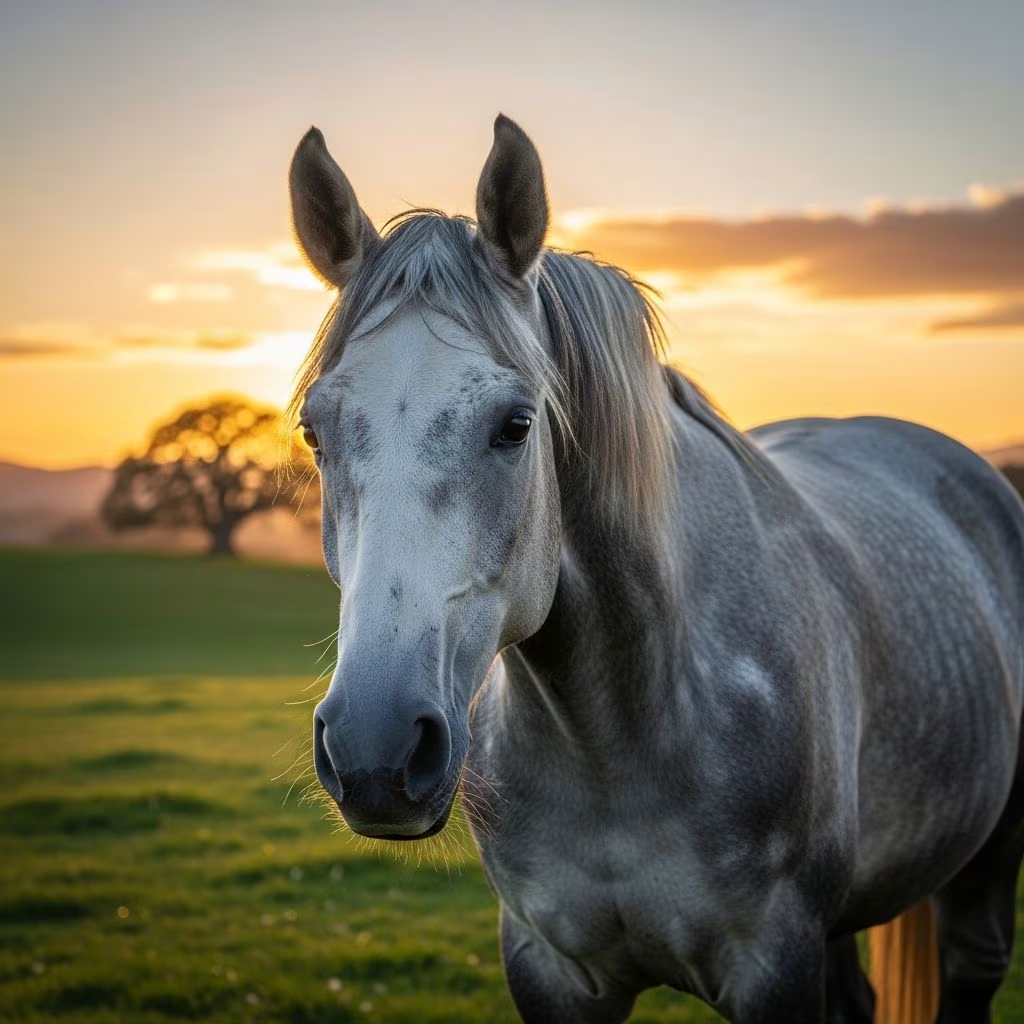
When a horse’s ears are pointed forward and alert, this indicates the horse is focused, curious, and attentive to something in their environment. This typically signals a friendly and inquisitive mindset, meaning the horse is taking in new information in a positive manner. Forward ears often suggest the horse is engaged and interested in their surroundings or handler.
Ears Held to the Side
Ears held loosely to the side or hanging relaxed suggest a calm, content horse that feels safe and secure. This ear position is often seen in horses that are relaxed and resting, particularly when combined with a dropped head and soft eyes.
Pinned or Flattened Ears
When ears are pinned flat against the head and facing backward, this is a clear warning sign that should never be ignored. This ear position indicates fear, aggression, stress, pain, or irritation. A horse displaying pinned ears may be seconds away from biting, kicking, or bolting. You should proceed with extreme caution and attempt to move the horse away from whatever is causing distress.
Erect Ears Facing Backward
When a horse’s ears are erect but turned backward, the horse is listening intently to something behind them. This position allows the horse to monitor threats or interesting sounds while maintaining awareness of their forward environment, indicating alertness without necessarily indicating aggression.
Reading Your Horse’s Eyes and Facial Expressions
The eyes are windows into your horse’s emotional state and can reveal subtle changes in mood before more obvious body language signals emerge. Learning to observe your horse’s eyes and the muscles surrounding them can help you identify stress, fear, pain, or contentment.
Eye Tension and Expression
Tension around the eyes, visible as wrinkled upper eyelids or tightness at the corners of the eyes, indicates stress, fear, or discomfort. This subtle sign often appears before more obvious warning signals, allowing perceptive handlers to intervene early and prevent escalating behavior. When you notice tension around the eyes, take action to remove your horse from the stressful situation or help them work through their anxiety.
Staring and Fixed Gaze
A horse with a fixed, intense stare and rigid stance may be experiencing pain, stress, or high anxiety. Horses displaying this behavior often seem disconnected from their environment, sometimes standing facing a wall with complete indifference to their surroundings. This is a significant warning sign that something is wrong with your horse’s physical or emotional state.
Wide Eyes and Alert Look
Wide-open eyes indicate alertness, excitement, or concern, depending on the context and other body signals. Combined with forward ears and a raised head, wide eyes suggest heightened awareness and readiness to respond to potential threats.
Interpreting Mouth and Muzzle Signals
Your horse’s mouth provides important clues about their emotional state and physical comfort. Changes in mouth position, tension, and movements can indicate everything from relaxation to serious stress or pain.
Chewing and Mouth Movement
A horse that appears to be chewing when not eating is actually a positive sign indicating the horse is thinking and processing information. This behavior, sometimes called “soft mouth,” suggests the horse is mentally engaged but relaxed enough to work through problems. Foals make a characteristic smacking noise with their mouths to signal to other horses that they are young, harmless, and simply seeking attention.
Tight or Pursed Muzzle
Tension around the mouth, visible as a pursed or pinched muzzle, indicates stress, worry, fear, or discomfort. This subtle sign often precedes more dramatic behavioral changes and represents an early opportunity for intervention. When you notice your horse’s muzzle tightening, address the cause of stress before the horse feels compelled to use “louder” messages like biting or bolting.
Flared Nostrils
Flared nostrils can indicate various emotional states depending on context. When combined with a tight muzzle, they suggest stress or fear. However, curious horses may flare their nostrils while sniffing and blowing air, almost making a snorting sound, which is a normal exploratory behavior.
Drooping Lower Lip
A horse standing quietly with a drooping lower lip is relaxed and content, often indicating sleep or deep relaxation. This is one of the clearest signs that your horse feels safe and secure in their environment.
Tail Language and What It Reveals
The tail is highly expressive and communicates a wide range of emotions and intentions. Because horses use their tails for different purposes, the context and speed of tail movement are important factors in interpretation.
Relaxed and Gently Swishing Tail
A tail that hangs naturally and swishes gently is typical of a relaxed, content horse. A gentle swish is often simply the horse’s way of deterring flies and other insects rather than communicating emotional information. When riding, a slightly raised tail that swings loosely indicates a calm, focused horse moving with confidence.
Clamped or Tucked Tail
A tail held tightly against the horse’s hindquarters indicates fear, stress, or aggression. A horse with a clamped tail may be about to bolt or kick and requires immediate attention and careful handling. This signal often appears in horses experiencing pain, anxiety, or confrontation.
Violently Switching or Wringing Tail
Rapid, violent tail switching or wringing indicates irritation, frustration, or annoyance. When combined with pinned ears and a tense body posture, vigorous tail movement signals that a horse is ready to defend itself or express aggression through biting or kicking.
Raised or “Flagged” Tail
A tail carried above the level of the horse’s back signals excitement, high energy, and curiosity. Horses displaying flagged tails are often keyed up and not paying full attention to their handlers, making them prone to spooking, bucking, or bolting. This behavior is common in breeds like Arabians but can occur in any horse experiencing high excitement levels.
Swinging Hindquarters
When your horse swings his rump from side to side, this typically indicates the horse is about to kick as a warning or in aggression. In this context, the ears are usually pinned back, the tail is wringing, and the entire body appears tense. Move the horse away from the source of irritation and redirect his energy through work.
Leg and Stance Communication
Horses use their legs to communicate both their emotional state and their intentions. Understanding leg signals helps you identify when your horse is relaxed, anxious, aggressive, or in pain.
Standing Squarely
A horse standing squarely with all four legs bearing weight evenly indicates an alert, attentive, and curious horse. This neutral stance suggests the horse is ready to respond quickly to changes in their environment.
Cocked Leg and Resting Posture
When a horse cocks a hind leg, resting the leading edge of the hoof on the ground and dropping the hip, this indicates relaxation and contentment. When combined with a lowered head or ears hanging to the side, the cocked leg clearly signals a horse who is resting comfortably. Horses may occasionally shift weight and cock alternate legs, which is completely normal.
Rapid Weight Shifting
If your horse shifts weight rapidly from one foot to the other, unable to find a comfortable position, this is a sign of pain and discomfort. A horse displaying this behavior needs veterinary evaluation to identify the source of pain. Do not attempt to work a horse showing this behavior.
Stomping, Striking, and Kicking
An angry or annoyed horse may stomp, strike, or kick to express displeasure. While most horses provide a warning before a full strike, not all horses will give this courtesy, so any display of aggressive leg movement should be taken seriously. Move away from the horse and give them space.
Splayed Front Legs
When a horse spreads his front legs out to the sides and leans back slightly, he is displaying fear and may be seconds away from spooking or bolting. This defensive posture indicates the horse is preparing to flee from a perceived threat and should be given space and time to calm down.
Raised Hind Leg Warning
When a horse lifts a hind leg off the ground without bearing weight, this signals irritation, annoyance, or a threat to kick. The cause may be something minor like a horsefly or something more significant like irritation with a person or animal behind him. Respond by moving the horse away and redirecting his focus.
Understanding Head Position and Neck Carriage
A horse’s head position communicates attention, emotional state, and physical well-being. Observing how your horse carries his head provides valuable insights into his confidence and comfort level.
Dropped Head
A dropped or lowered head indicates a relaxed, confident horse feeling good and safe in their environment. Combined with hanging ears and soft eyes, a dropped head is one of the clearest signs of a content horse.
Elevated or High Head
An elevated head position, particularly when combined with wide eyes, forward ears, and a stiff stance, indicates alertness, excitement, or concern. A horse carrying his head high may be focused on something in the distance and trying to determine whether to flee, investigate, or ignore the subject of interest.
Stretched Neck Position
A horse stretching his neck out and forward typically indicates curiosity or concern, as the horse attempts to investigate or gain better visual information about something in his environment. When combined with forward ears and soft eyes, this usually indicates friendly curiosity rather than fear.
Signs of Pain and Illness in Horses
Recognizing pain and illness through body language is critical for horse health and welfare. Sick or painful horses often display distinctive behavioral and physical changes.
General Illness Indicators
A sick or painful horse might be lethargic, grumpy, and standoffish, with a fixed stare and rigid stance, showing reluctance to move. These horses often stand away from their herd, appearing disinterested in social interaction. Lethargy and withdrawal are often the first signs that something is wrong, even before a horse loses appetite.
Pain-Related Behaviors
Horses in pain may display guarding behavior, protecting the painful area of their body. A horse with colic often kicks or bites at his abdomen, paws the ground, and repeatedly lies down and stands back up. Horses with back pain often display “girthiness,” showing aggression when being saddled.
Ridden Horse Pain Signals
Ridden horses express pain using specific behaviors including persistently held ears back, repetitive mouth-opening, intense staring, head position problems (above or behind the bit), head-tossing up and down or side to side, head tilting, and repeated tail swishing.
Recognizing Stress and Anxiety
Horses experiencing acute stress display fairly recognizable body language patterns. Stressed horses often have forward-pointing ears, wide-open eyes, widened nostrils, a high head, a stiff stance, and a raised tail. They may blow out through their nose and might defecate. Some horses freeze in response to severe stress, taking on a fixed posture with weight shifted forward, neck horizontal and stretched, eyes open, and unmoving ears, often standing facing the wall with apparent indifference to their environment.
Putting It All Together: Reading Complete Body Language
The most accurate interpretation of horse body language comes from observing multiple signals together rather than focusing on a single body part. A horse displaying pinned ears, a tucked tail, and splayed front legs is showing clear signs of fear and potential flight. Conversely, a horse with forward ears, soft eyes, relaxed mouth, and a gently swishing tail is clearly calm and content. By learning to observe your horse’s complete physical presentation, you can accurately interpret their emotional state and respond appropriately.
Practical Applications for Handlers and Riders
Understanding horse body language has numerous practical applications. Before mounting, check your horse’s body language to ensure they are calm and willing. During rides, monitor ear position to confirm your horse is focused on you rather than potential threats. When approaching your horse in the pasture, read their body language to determine if they are receptive to interaction or prefer space. By consistently applying these skills, you become a more effective and safer handler.
Frequently Asked Questions About Horse Body Language
Q: What does it mean when my horse pins their ears back?
A: Pinned ears typically indicate fear, aggression, stress, or pain. This is a warning sign that you should proceed with extreme caution around the horse and attempt to identify the source of distress.
Q: Is a swishing tail always a sign of aggression?
A: No. A gentle swish is usually just the horse deterring flies. However, rapid, violent tail swishing combined with other signs like pinned ears indicates irritation and potential aggression.
Q: What should I do if my horse displays signs of pain?
A: Contact your veterinarian immediately. Signs of pain include guarding behavior, rapid weight shifting, fixed stare, lethargic behavior, and reluctance to move. Do not attempt to work a horse showing these signs.
Q: How can I tell if my horse is relaxed?
A: A relaxed horse displays a dropped head, soft eyes, ears held loosely to the side, gentle tail swishing, and a cocked leg position. These combined signals indicate your horse feels safe and content.
Q: What does it mean when my horse has tension around their eyes?
A: Eye tension, visible as wrinkled eyelids or corner tightness, indicates stress, fear, or discomfort. This subtle early warning sign allows you to address problems before they escalate.
Q: Can horses communicate with each other using body language?
A: Yes. Horses use body language to communicate with other horses to establish hierarchy, alert each other to danger, and coordinate herd movements. Understanding these signals helps you manage multi-horse situations safely.
References
- How to Read a Horse’s Body Language — PetMD. 2025. https://www.petmd.com/horse/how-read-horses-body-language
- Equine Body Language: 7 Signs to Recognize — The Horse. 2025. https://thehorse.com/164730/equine-body-language-7-signs-to-recognize/
- How to Read Your Horse’s Body Language — Equus Magazine. 2025. https://equusmagazine.com/behavior/horse-body-language
- Understanding Horse Body Language: Ears — Open Sanctuary. 2025. https://opensanctuary.org/understanding-horse-body-language-ears/
- Understanding Your Horse’s Body Language — RSPCA. 2025. https://www.rspca.org.uk/adviceandwelfare/pets/horses/behaviour/bodylanguage
- The Basics of Equine Behavior — Rutgers Equine Science Center. 2025. https://esc.rutgers.edu/fact_sheet/the-basics-of-equine-behavior/
- Equine Body Language — International Veterinary Academy of Pain Management. 2021. https://ivca.de/wp-content/uploads/2021/10/Equine-Body-Language.pdf



