

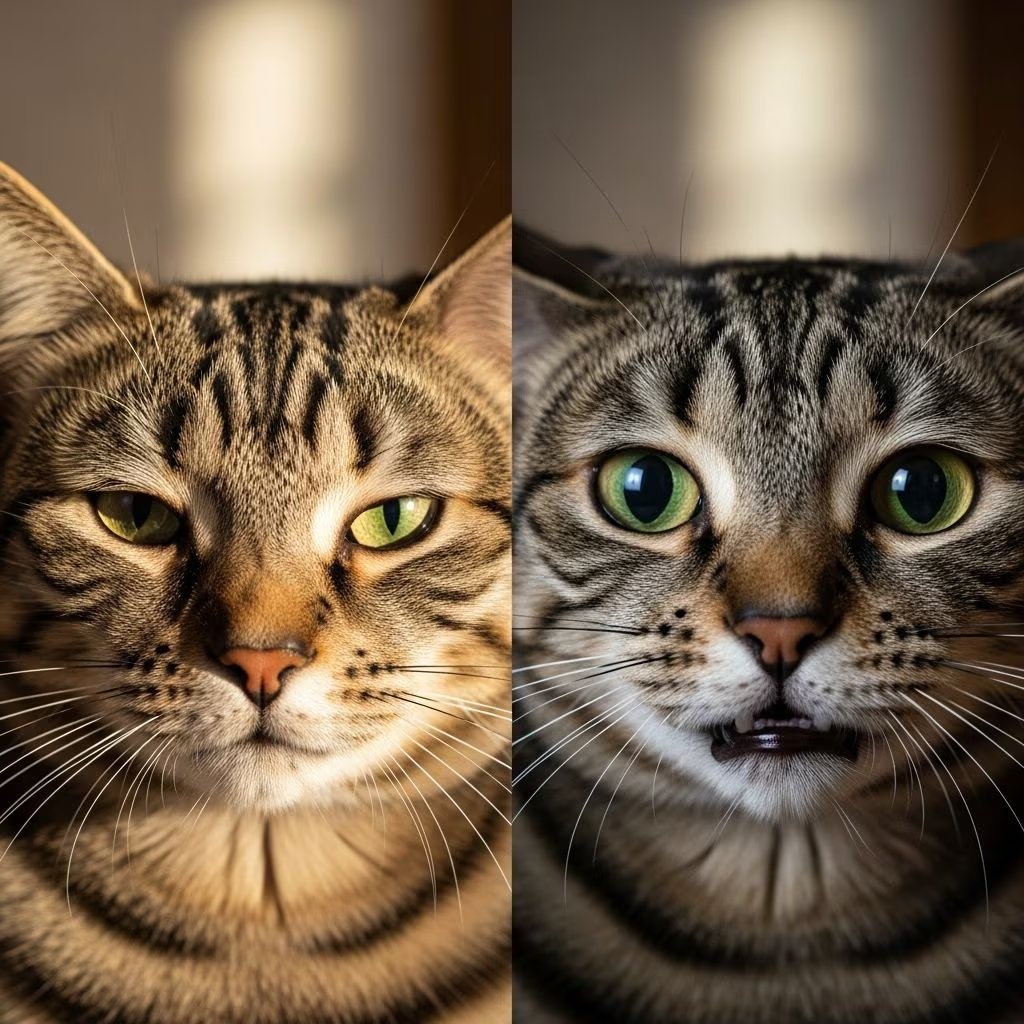
How to Read Cat Body Language and Emotions
Ask any young child what a cat says and they’ll tell you confidently, “Meow!” But is meowing all that cats say? Vocalizations are just a small part of cat communication. All felines use body language to share their emotions with us and other animals. Everything from their ears, eyes, and whiskers to their toes and the tips of their tails give us clues as to what our cats think of us and the world around them. Understanding these subtle signals is essential for building a stronger bond with your feline companion and recognizing when they need your help or attention.
Cats have evolved as both predators and prey, which means their body language reflects their need to assess threats while also communicating their emotional state. By learning to read these signals, you’ll be able to better understand your cat’s needs, prevent behavioral issues, and respond appropriately to their emotional state. This guide will help you decipher what your cat is trying to say with their body language through various emotional states and situations.
Calm and Relaxed Cats
A relaxed cat displays several distinctive physical characteristics that indicate they feel safe and secure in their environment. These cats have loose, fluid body movements, and their breathing is slow and steady. You might observe them folding their feet in front of themselves in a contented position, stretching their feet way out in front, or slouching over the side of a perch.
When examining a relaxed cat’s face, you’ll notice their ears and whiskers are at their neutral positions or maybe slightly forward. Their pupils will be average size—somewhere between wide circles and thin slits—and their eyelids will be soft and relaxed. Perhaps most tellingly, relaxed cats will engage in slow blinking, which is actually a sign of affection and trust. These are all signs that your cat feels safe and isn’t concerned about monitoring the environment for potential threats.
Key indicators of relaxation include:
– Slow, steady breathing- Soft, blinking eyes- Neutral or slightly forward ear position- Loose, fluid body movements- Average-sized pupils- Whiskers in neutral position
Signs of Affection and Love
When cats are showing their affection, they employ several distinct behaviors that clearly demonstrate their fondness for you or other cats. One of the most recognizable signs is when cats rub themselves on you, often circling or turning in little figure eights around your legs or body. This behavior is not just cute—it’s deeply meaningful from a feline perspective.
A cat’s tail position is also incredibly expressive when showing affection. Happy, affectionate cats hold their tails high, often with a tiny curve at the very end, showing that they’re genuinely happy to see you or another cat. Head butts and chin rubbing are also clear signs that your cat loves you. This behavior is particularly significant because cats have scent glands in their faces that allow them to claim friends and objects as their own. When your cat rubs their head or chin on you, they’re essentially marking you as part of their family.
Additional affectionate behaviors include purring, slowly blinking while looking at you (often called a “cat kiss”), and seeking out your company. Some cats will also knead with their paws, a behavior left over from kittenhood that indicates contentment and trust.
Playful Behavior and Body Language
A cat who’s playing will look noticeably different from a cat who is relaxed, because play mimics hunting behaviors. Cats might appear to be aggressive when they’re simply playing and engaging in normal predatory practice. Understanding the difference is crucial for distinguishing between playful interaction and genuine aggression.
Playful cats display several characteristic signs. Their pupils might dilate, and their eyes might get really wide with excitement. Their toes will spread apart to gain traction for sudden movements, allowing them to pounce or dash with precision. Their tail can get twitchy or flick from side to side, though it’s important to note this tail movement can also be a sign that they’re annoyed or agitated depending on the context.
During active play, cats might stalk, chase, pounce, swat, bite, shake, or grab hold and perform what’s known as a “rabbit kick” with their hind legs. The intensity and speed of these movements distinguish playfulness from aggression. Playful cats are engaged but not genuinely trying to harm, and they’ll often pause briefly before resuming play.
Playfulness indicators:
– Dilated pupils and wide eyes- Spread toes for traction- Twitchy, flicking tail- Stalking and pouncing behavior- Playful swatting and biting- Quick, repeated movements
Low-Level Stress and Mild Anxiety
A cat who’s mildly stressed or trying to avoid something unpleasant will exhibit subtle but recognizable signs. These cats might blink rapidly, turn their ears outward or back, and possibly turn their head away from the perceived source of stress. Rapid blinking is a key indicator that your cat is processing something uncomfortable.
The cat’s pupils also might be dilated during mild stress, and their whiskers might be held farther forward than normal. These are ways for the cat to keep tabs on the environment and remain alert. Additionally, the cat’s body might become stiff and possibly held low to the ground. You might observe them leaning away from you or having one paw raised slightly off the ground, as if ready to move quickly if needed.
Their tail might be twitching or swishing from side to side, or it might be held tightly against the cat’s body in a protective manner. The key to recognizing low-level stress is understanding that your cat is not yet in a heightened state of fear but is definitely uncomfortable and attempting to manage their anxiety.
Fear, Anxiety, and Elevated Stress
In cats who are experiencing an increasing level of fear, anxiety, or stress, the body language becomes more pronounced and defensive. Their ears might be tucked back on their head or held low and rotated to the sides, a position often called “airplane ears” because of the wing-like appearance. Their head will fall at or below the level of their shoulders, making them appear smaller and less threatening.
Breathing becomes very fast during fear and anxiety, and you may notice the cat’s entire body seems tense. They’ll keep their tail low, either tucked under their body or held very close to it. Their eyes may become very squinty or alternatively become wide and watchful with big, dilated pupils as they try to monitor their surroundings.
As anxiety increases, your cat will start to shrink, or arch its back getting ready to run. The cat may try to make itself look bigger and more intimidating as a defensive mechanism, but this is still a fear response rather than genuine aggression. Some cats may hiss, spit, growl, or make other vocalizations to warn you or the perceived threat to stay away.
It’s crucial to respond to these signs with patience and calm. Sudden movements or loud noises can escalate the cat’s fear, so it’s better to give them space and time to calm down naturally. Eliminating the source of fear when possible is the most effective solution.
Recognizing Illness and Pain Through Body Language
A cat’s body language not only reveals information about how the cat’s emotions, but it can also reveal whether the cat is sick or in pain. Cats are extremely good at hiding illness, so small feline body language cues can be the first signs of trouble. Learning to recognize these subtle indicators is vital for early detection and treatment.
Sick or injured cats often display a tense, ball-like posture as they try to protect their bodies and minimize pain. They may hide away more than usual, spending extended periods in quiet, dark spaces. Some cats will show changes in their grooming habits—either excessive grooming of a particular area or neglecting grooming altogether.
Changes in eating and drinking habits, along with shifts in litter box behavior, should also be noted. A cat in pain may move more slowly or stiffly, or they might avoid jumping or climbing. Their eyes might appear narrower or more squinted. If you notice any of these signs combined with behavioral changes, it’s important to consult with your veterinarian promptly.
Understanding Tail Language
The language of a cat’s tail is very important in communicating emotions and intentions. A relaxed cat might keep their tail still or slowly move the tip from side to side in a gentle manner. When a cat is happy and affectionate, their tail is held high with a slight curve at the tip, often resembling a question mark shape.
During play, the tail becomes more animated and may twitch or flick rapidly. When stressed or anxious, the tail might swish more dramatically from side to side, or it might be tucked tightly against the body. A cat experiencing fear might hold their tail low and close to their body as a protective measure.
An angry or frustrated cat typically keeps their tail stiff and straight, or curls it around and underneath their body. Some cats will puff up their tails when frightened or defensive, making themselves appear larger and more intimidating to potential threats. Understanding these tail movements provides valuable insight into your cat’s emotional state at any given moment.
Ear Position and What It Reveals
Ear position is one of the most expressive features on a cat’s body and provides crucial information about their mood. Normal, forward-facing ears indicate a cat that’s feeling confident, relaxed, or engaged with their environment. When a cat’s ears stand straight up and point forward, the cat is increasing their exposure and demonstrating alertness or a desire to play.
A cat with ears turned back or flattened against their head is usually experiencing anger, fear, or stress. This ear position is a defensive mechanism, making the cat less vulnerable to attacks aimed at their ears. In severe fear or aggression, ears may be folded completely back and low on the head.
Sometimes cats will rotate their ears to the sides in an “airplane ear” position, which typically indicates fear or extreme stress. By paying attention to ear position in context with other body language signals, you can accurately gauge your cat’s emotional state and respond appropriately to their needs.
Eye Contact and Pupil Changes
A cat’s eyes and pupils can reveal much about their emotional state. Relaxed cats have average-sized pupils and soft, blinking eyes. When cats are showing affection, they often engage in slow blinking while looking at you—a behavior that has been scientifically proven to be a form of cat “kissing” that demonstrates trust and love.
During playfulness or heightened alertness, pupils dilate and eyes open wider. Frightened or extremely stressed cats may have wide eyes with very dilated pupils as they try to take in as much visual information as possible about their environment. Conversely, an angry cat may have very narrow pupils, sometimes almost to slits.
Hard, penetrating eye contact combined with dilated pupils and forward-facing ears often indicates frustration or aggression. A cat staring intensely at something with full attention is usually focused on achieving a goal, whether that’s catching prey, obtaining a toy, or addressing another source of motivation.
Whisker Position and Meaning
Whiskers are highly sensitive sensory organs that also communicate a cat’s emotional state. In relaxed, confident cats, whiskers are held in a neutral position or pointing slightly forward. Relaxed cats’ whiskers will be away from the face and held at approximately the same angle as their head.
When a cat is interested, engaged, or playing, their whiskers point forward, demonstrating active engagement with their environment. Fearful cats bring their whiskers close to the face, pulling them back against their cheeks. This action is another example of a fearful cat’s tendency to try and make itself smaller and less exposed.
Confident, curious cats might push their whiskers forward and even slightly spread them apart to gain more sensory information about their surroundings. An intensely frustrated cat will have whiskers pointing forward and extended as all their senses focus on their goal.
Vocalizations: Understanding Cat Sounds
Although not strictly “body language,” the noises a cat makes are a cat’s most overt ways of telling you their feelings. Different vocalizations serve different purposes in feline communication. Understanding these sounds in context with body language creates a complete picture of your cat’s emotional state.
Common cat vocalizations include:
– Meowing: Communication with humans; can indicate various needs- Purring: Contentment, relaxation, and sometimes stress or pain- Hissing: Warning that a cat feels threatened- Growling: Request for you to back off and give space- Chirping or trilling: Excitement or greeting- Yowling: Territorial behavior or during mating season
When a cat wants you to understand that they’re feeling threatened, they may go through a series of vocalizations, increasing in intensity as their discomfort increases. A growling cat is warning you to back off, while hissing indicates that a cat is feeling threatened and may be getting ready to fight or flee. Hissing is also a very effective way of showing a potential aggressor that the cat is armed with sharp fangs.
Posture: Open Versus Closed
Overall body posture is fundamental to understanding cat emotions. It’s helpful to remember that as animals, cats evolved as both predators and prey. When cats encounter threatening circumstances, they feel like prey and become scared. When scared, cats are likely to try and protect their body as much as possible by scrunching up into a small, less exposed shape.
A tense, ball-like posture can indicate that your cat is feeling anxious, worried, or in pain. When a cat stretches out, they’re voluntarily exposing themselves, which shows that they don’t feel threatened. A ball-shaped cat is usually not feeling open to advances and wants to be left alone.
A cat that’s feeling anxious or worried might also crouch down, low to the ground. If they stop and freeze when they see you, you can be sure they’re not feeling comfortable. On the other hand, a cat standing with relaxed muscles and loose movements is confident and at ease. Cats will also arch their backs when frightened or defensive, trying to appear larger and more intimidating.
Relief and Relaxation After Stress
When an angry, frightened, or frustrated cat feels that the threat has passed, it will begin to feel relieved. Learning to recognize signs of relief is just as important as recognizing when your cat is angry or scared, as this helps it regain its normal state of relaxation and allows you to continue building trust.
Your cat’s whole body can show relief: some cats even stretch their bodies to release tension. Their eyes, ears, head, body, and tail will visibly relax. Their whiskers will revert to their calm position, away from the face, and they may lower their head. Some may yawn, divert attention, half-close their eyes, or even groom themselves—all signs that the crisis has passed and they’re returning to normal.
Frequently Asked Questions
Q: How can I tell if my cat is stressed?
A: Stressed cats exhibit several signs including rapid blinking, ears turned back, whiskers held forward, stiff body posture held low to the ground, and tail twitching or held tightly against their body. They may also hide more frequently or show changes in eating habits.
Q: What does it mean when my cat’s tail puffs up?
A: A puffed-up tail is a defensive response indicating fear or feeling threatened. Your cat is trying to make themselves appear larger and more intimidating to potential threats. Combined with other body language like flattened ears and arched back, this is a clear sign your cat feels unsafe.
Q: Is slow blinking a sign of affection from cats?
A: Yes, slow blinking is a form of cat “kissing” and indicates trust and affection. If your cat slowly blinks while looking at you, you can slow blink back to return the affection. This is one of the clearest signs of love and bonding between cats and their owners.
Q: How do I know if my cat is in pain?
A: Cats in pain often display a tense, ball-like posture, hide more frequently, move stiffly or slowly, avoid jumping, show changes in grooming habits, and may have narrowed or squinted eyes. Changes in eating, drinking, or litter box behavior also warrant veterinary consultation.
Q: What’s the difference between playful biting and aggressive biting?
A: Playful cats have dilated pupils, spread toes, and a flicking tail. They engage in quick movements followed by pauses. Aggressive cats have stiff bodies, flattened ears, may hiss or growl, and their movements lack the playful pouncing pattern. Context matters greatly in distinguishing between the two.
Q: Why does my cat knead with their paws?
A: Kneading is leftover behavior from kittenhood and indicates contentment and trust. When cats knead, they’re showing deep affection and relaxation, similar to how kittens knead their mother. It’s one of the most positive signs of your cat’s attachment to you.
References
- How to Read Cat Body Language and Emotions — Best Friends Animal Society. 2024. https://bestfriends.org/pet-care-resources/how-read-cat-body-language-and-emotions
- Understanding Your Cat’s Body Language and Behavior — Purina. 2024. https://purina.com.jm/purina/cat/understanding-your-cat-body-language-and-behavior
- The Definitive Guide to Cat Behavior and Body Language — Tuft & Paw. 2024. https://www.tuftandpaw.com/blogs/cat-guides/the-definitive-guide-to-cat-behavior-and-body-language
- Cat Body Language — Cats Protection. 2024. https://www.cats.org.uk/help-and-advice/cat-behaviour/cat-body-language
- Understanding Your Cat’s Behaviour — RSPCA. 2024. https://www.rspca.org.uk/adviceandwelfare/pets/cats/behaviour



