

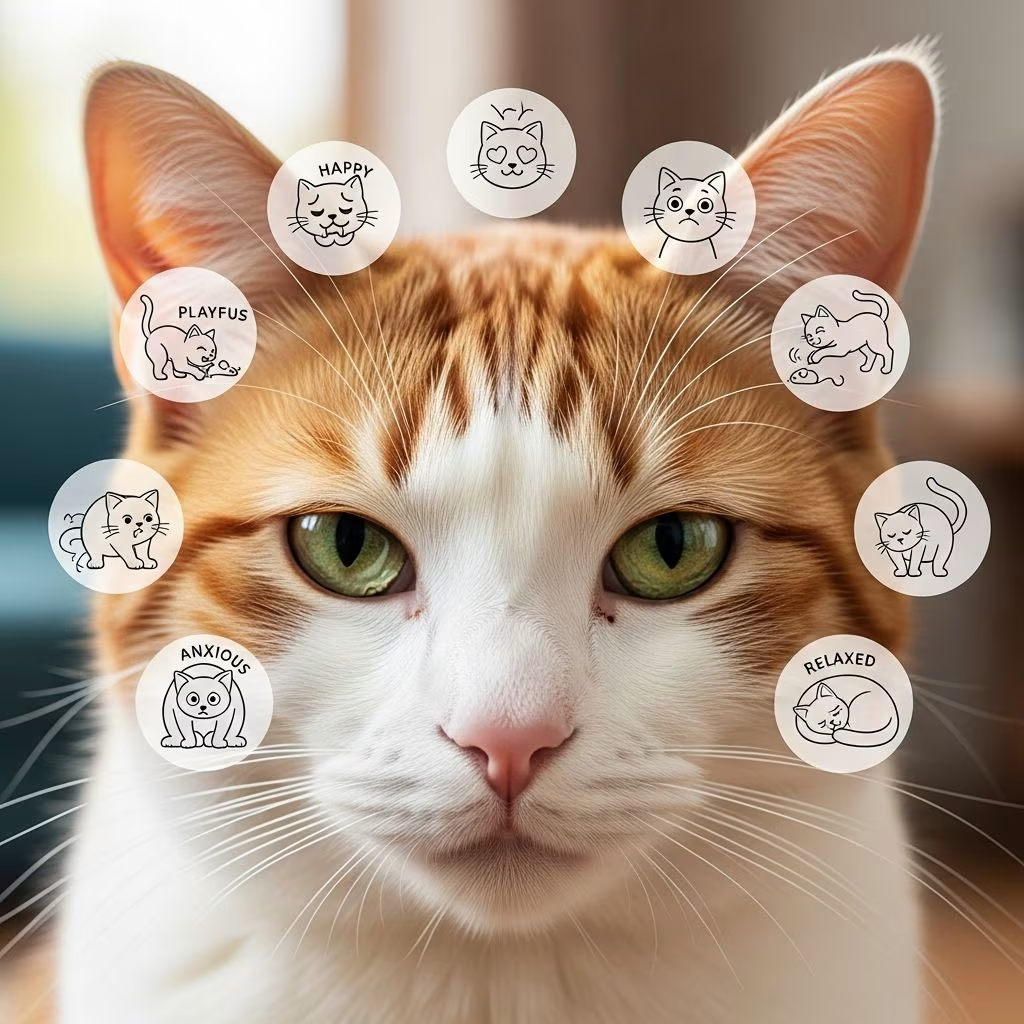
How to Read Your Cat’s 7 Different Moods: A Complete Guide to Feline Body Language
Cats are mysterious creatures with complex emotional lives. Unlike dogs, who wear their feelings on their sleeves through obvious tail wags and excited jumping, cats communicate their moods through subtle body language signals. Understanding these signals is essential for any cat owner who wants to build a stronger bond with their feline companion and provide them with the best possible care.
By learning to read your cat’s body language, you’ll be able to recognize when your cat is happy, stressed, playful, or in pain. This knowledge allows you to respond appropriately to your cat’s needs, respect their boundaries, and create a harmonious living environment. In this comprehensive guide, we’ll explore seven distinct moods your cat may experience and the physical signs that accompany each emotional state.
1. Calm and Relaxed
A calm and relaxed cat is the most pleasant version of your feline friend. When your cat is in this mood, they feel safe, secure, and content in their environment. Recognizing this state helps you understand when your cat is most receptive to interaction and when they’re simply enjoying peaceful moments.
Key Signs of Relaxation
Posture and Body Position: Relaxed cats display loose, fluid body movements. You’ll notice them folding their feet in front of themselves, stretching their feet way out in front, or slouching comfortably over the side of a perch. Their overall body language appears soft and unburdened by tension.
Breathing Pattern: Their breathing will be slow and steady, indicating a parasympathetic nervous system state. This calm respiratory rhythm is a reliable indicator that your cat feels no immediate threats.
Facial Features: A relaxed cat’s ears and whiskers remain at their neutral positions or are slightly forward. Their pupils will be average size, positioned somewhere between wide circles and thin slits. The eyelids appear soft, and you might observe slow blinks, which is actually a sign of trust and contentment.
Eyes: The eyes are perhaps the window to your cat’s soul. In a relaxed state, they appear half-closed or partially closed with a soft expression.
2. Affectionate and Loving
When cats display affection, they’re showing you they love and trust you. These moments are precious opportunities to bond with your feline friend and reinforce your relationship. Affectionate behavior indicates your cat considers you part of their family unit.
Signs Your Cat Loves You
Rubbing and Figure Eights: One of the most unmistakable signs of affection is when cats rub themselves on you, often circling or turning in little figure eights. This behavior serves multiple purposes—they’re depositing their scent glands on you, claiming you as their own, and showing contentment.
Tail Position: An affectionate cat holds their tail high, often with a tiny curve or hook at the very end. This elevated tail position signals happiness and indicates your cat is pleased to see you or another beloved cat. The slight curve at the tip adds to the charm of this greeting gesture.
Head Bunting: Head butts and chin rubbing are clear, unmistakable signs that your cat loves you. Cats possess scent glands in their faces, particularly around their cheeks and chin. When they rub these areas on you, they’re literally marking you as family and showing affection through this intimate behavior.
Kneading: Many cats knead their owners with their paws, a behavior carried over from kittenhood when they would knead their mother’s belly. This rhythmic motion is typically accompanied by purring and indicates deep contentment and affection.
Slow Blinks: When your cat slowly blinks at you, they’re sending a message of trust and love. You can reciprocate this gesture by blinking slowly back at them, which reinforces your bond.
3. Playful and Energetic
A playful cat is entertaining and engaging, but it’s important to distinguish playfulness from aggression. Since play mimics hunting behaviors, playful cats might appear aggressive when they’re simply having fun and engaging in natural feline activities.
Characteristics of Playful Behavior
Eye Appearance: Playful cats’ pupils dilate, and their eyes become noticeably wider. This heightened eye opening indicates increased arousal and engagement with their surroundings or with you.
Paw and Toe Position: Their toes spread apart to gain traction for sudden movements and rapid directional changes. This physical preparation allows them to execute the quick movements required for hunting play.
Tail Behavior: The tail becomes twitchy or flicks from side to side. While tail twitching can sometimes indicate annoyance or agitation, in a playful context combined with other happy signals, it clearly indicates excitement and readiness for interactive play.
Playing Activities: During play sessions, cats might stalk, chase, pounce, swat, bite (gently), shake, or grab hold and perform what’s called a “rabbit kick” with their hind legs. These are all normal hunting-simulation behaviors and shouldn’t be misinterpreted as aggression.
Overall Energy: Playful cats appear energetic and engaged, with quick, purposeful movements rather than the slow, deliberate movements of a stalking predator preparing to genuinely attack.
4. Mild Stress or Anxiety
Low-level stress indicates your cat is mildly uncomfortable or trying to avoid something unpleasant. Recognizing these early warning signs allows you to address the stressor before your cat’s anxiety escalates to a more severe level.
Indicators of Low-Level Stress
Eye and Ear Position: Stressed cats often blink rapidly, a behavior that serves as an attempt to monitor the environment more frequently. Their ears turn outward or back, positioned at an angle rather than standing forward. This ear position helps them gather more directional information about potential threats.
Head Orientation: The cat may turn their head away from the source of stress, a subtle avoidance behavior that indicates discomfort without full-blown fear.
Pupil Dilation: The pupils may dilate even in normal lighting conditions, indicating heightened alertness. Their whiskers might be held farther forward than normal to increase sensory input.
Body Posture: Their body might appear stiff and possibly held low to the ground, a protective stance. They may lean away from the stressor or have one paw raised slightly off the ground, ready for quick movement if needed.
Tail Movement: The tail might twitch or swish from side to side, or it might be held tightly against the cat’s body. These tail positions indicate internal conflict or discomfort.
5. Fear, Anxiety, and Severe Stress
When cats experience increasing levels of fear, anxiety, or severe stress, their body language becomes more pronounced and obvious. These situations require immediate attention to remove the stressor and help your cat feel safe again.
Signs of Fear and Severe Stress
Ear Position: In cats experiencing high levels of fear, their ears might be tucked back on their head or held low and rotated to the sides, creating what’s commonly called “airplane ears.” This position protects the ears from potential harm and limits sensory input to manageable levels.
Head Position: The head falls at or below the level of their shoulders, a posture that indicates submission and fear. This lowered head position makes the cat appear smaller and less threatening.
Breathing: Their breathing might become very fast and shallow, reflecting their physiological stress response. The elevated heart rate and rapid breathing prepare the body for fight-or-flight action.
Tail Position: They’ll keep their tail low, often tucked close to or underneath their body. The tail might wrap around their legs or become very rigid.
Eyes: A fearful cat may have very squinty, nearly closed eyes or, conversely, wide, watchful eyes with significantly enlarged pupils. The wide-eyed stare reflects hypervigilance and constant monitoring of their environment for threats.
Vocalizations: Fearful cats may hiss, growl, or emit loud, drawn-out yowls followed by shrieks to indicate they’re about to defend themselves if the threat persists.
6. Playful to Annoyed Transition
Cats often start interactions with enthusiasm and playfulness but can transition to annoyance when the interaction exceeds their tolerance level. Learning to recognize this progression helps you respect your cat’s boundaries and maintain a positive relationship.
Reading the Play Escalation
The transition from playfulness to annoyance happens gradually, and your cat provides clear signals at each stage. Initially, during engaged play, your cat displays the signals mentioned in the playful mood section. However, as their tolerance diminishes, they provide warning signs that indicate they want the interaction to end.
Tail Signals: Tail flicking becomes more pronounced and frequent. While mild flicking indicates engagement, faster and more vigorous flicking signals mounting annoyance. The intensity and speed of tail movements directly correlate with the level of frustration or irritation.
Ear Changes: Ears begin to turn back or to the sides, indicating decreasing tolerance. The forward-facing, engaged ear position gradually shifts to a more neutral or backward angle.
Eye Dilation Changes: While play begins with dilated pupils and wide eyes, as annoyance builds, the eye appearance becomes harder, with less of the soft playfulness initially present.
Body Language Stiffening: The fluid movements of true play become more rigid and controlled. The cat may crouch lower, indicating they’re preparing to end the interaction, either by moving away or by swatting.
Skin Rippling: You might notice the skin on your cat’s back rippling or twitching, a clear sign that they’re reaching their limit.
Biting Intensity: Any playful bites increase in force and frequency. The gentle mouthing that characterizes friendly play becomes more forceful, indicating a warning to back off.
7. Illness and Pain
Cats are notoriously good at hiding illness, so small feline body language cues often represent the first signs of trouble. Being able to recognize pain and sickness through body language can be lifesaving, as early intervention often leads to better health outcomes.
Warning Signs of Illness or Pain
Head Position: A cat who’s feeling sick holds their head low, often at or below the level of their shoulders. This lowered head posture is a classic sign of malaise and discomfort.
Eye Appearance: Sick cats squint their eyes or hold them shut. Their eyes may appear dazed or glassy. Sometimes the third eyelid, which is pink tissue in the corner of the eyes, becomes visible—a significant indicator that veterinary attention is needed.
Ear Position: Their ears might sit low or rotated outward, similar to the anxious posture but more pronounced in sick cats. The ears lose their normal alert positioning.
Whisker Orientation: Whiskers may point downward rather than their normal forward or neutral position. This change in whisker angle reflects the cat’s overall physical state and discomfort.
Body Posture: They might hold their head, feet, and tail very close to their body, creating a tight ball position. This hunched posture is a defensive mechanism that protects vital organs and conserves body heat. The body appears tense and rigid rather than relaxed.
Movement and Behavior: Sick cats often show decreased activity, loss of interest in play, and reduced appetite. They may isolate themselves in quiet, dark spaces. Grooming habits may change—some cats over-groom from stress, while others neglect grooming entirely.
Displacement Behaviors: Stressed or pain-affected cats may exhibit displacement behaviors—normal activities like licking their lips, scratching, grooming, or yawning performed out of context as a coping mechanism.
Litter Box Issues: Changes in bathroom habits, including urinating or defecating outside the litter box, can indicate stress or pain-related issues.
Understanding the Complete Picture
When gauging your cat’s mood, it’s essential to take the big picture into account. All sensory inputs—sights, sounds, and smells—should be considered to provide the most accurate understanding of how your cat feels. Look for patterns in behavior and consider the context of the situation.
If you’re still unsure about your cat’s emotional state, examine individual components of their body language and piece together what your cat might be feeling. Remember that every cat has unique personality traits and communication styles, so learning your individual cat’s baseline behavior is invaluable.
Frequently Asked Questions
Q: Why is my cat’s tail puffed up?
A: A puffed-up tail indicates fear or aggression. Your cat is trying to appear larger and more intimidating to potential threats. This is typically accompanied by other defensive body language signals.
Q: What does it mean when my cat slowly blinks at me?
A: Slow blinking is a sign of trust and affection. Your cat is showing they feel safe and love you. You can return this gesture by blinking slowly back at them.
Q: How can I tell if my cat is in pain versus just grumpy?
A: Cats in pain show specific signs including squinted or closed eyes, lowered head position, hunched posture, and possible behavioral changes like loss of appetite or litter box issues. Grumpiness is usually more behavioral and temporary. When in doubt, consult your veterinarian.
Q: Is it safe to pet my cat’s belly if they’re showing it?
A: While a cat showing their belly indicates they feel safe, it’s not always an invitation for belly rubs. Read other body language signals—if their tail is calm and their ears are forward, gentle petting may be welcome. If their tail starts twitching or ears go back, stop immediately.
Q: What should I do if my cat displays signs of severe stress or fear?
A: Remove your cat from the stressful situation if possible. Provide a quiet, safe space where they can retreat. If stress is chronic or you suspect pain or illness, contact your veterinarian for professional guidance.
Q: Can purring indicate stress rather than happiness?
A: Yes, cats may purr when stressed or injured as a self-soothing mechanism. Always look at overall body language to determine your cat’s true emotional state. A stressed cat will display additional stress signals like ear position and body tension.
References
- How to Read Cat Body Language and Emotions — Best Friends Animal Society. 2024. https://bestfriends.org/pet-care-resources/how-read-cat-body-language-and-emotions
- Cat Body Language: A Guide To Understand What Your Cat is Feeling — Heart and Paw. 2024. https://heartandpaw.com/pet-parent-resources/cat-body-language
- How To Read a Cat’s Body Language — PetMD. 2024. https://www.petmd.com/cat/behavior/cat-body-language
- The Definitive Guide to Cat Behavior and Body Language — Tuft & Paw. 2024. https://www.tuftandpaw.com/blogs/cat-guides/the-definitive-guide-to-cat-behavior-and-body-language
- Understanding Cat Behavior and Feline Language — Humane World. 2024. https://www.humaneworld.org/en/resources/understanding-cat-behavior-and-feline-language
- Cat Body Language | Cat Behaviour Help & Advice — Cats Protection. 2024. https://www.cats.org.uk/help-and-advice/cat-behaviour/cat-body-language



