

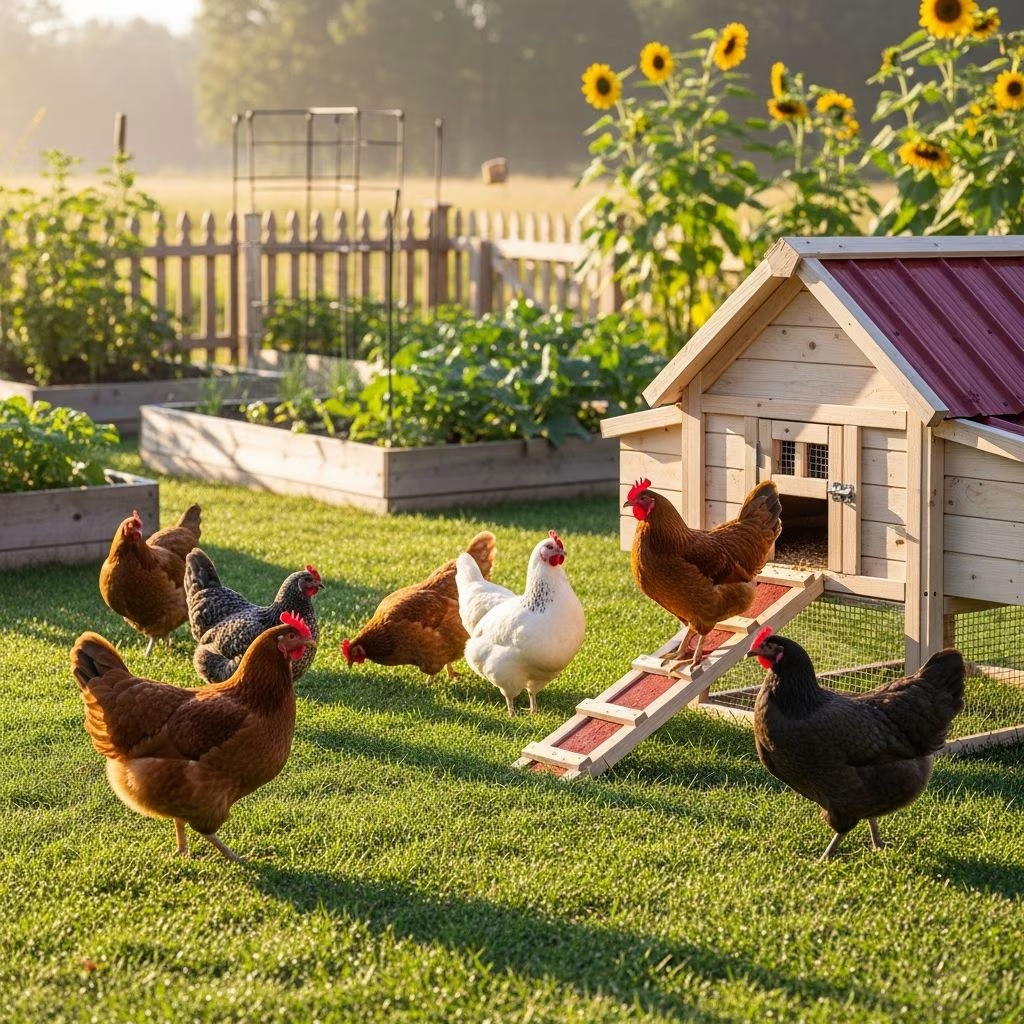
How to Raise Backyard Chickens: A Beginner’s Guide
Raising backyard chickens is an increasingly popular hobby that offers fresh eggs, natural pest control, and rewarding animal companionship. Whether you’re looking to become more self-sufficient or simply want to enjoy the benefits of backyard farming, chickens are an excellent starting point. This comprehensive guide will walk you through everything you need to know to successfully raise a healthy, productive flock.
Getting Started: Choosing Your Starting Point
Before you bring chickens home, you’ll need to decide how to start your flock. There are several options available to beginners, each with its own advantages and considerations.
The most common approach is to start with day-old chicks, which are widely available at local feed stores and through online hatcheries. Day-old chicks are affordable and allow you to raise your flock from the beginning, creating a stronger bond with your birds. Alternatively, you can purchase hatching eggs and use an incubator, though this requires more equipment and careful monitoring. For those seeking a faster route to egg production, purchasing young pullets (young hens nearing laying age) or already-laying hens eliminates the waiting period, though the initial cost is higher. Each option has merit; the best choice depends on your timeline, budget, and experience level.
Selecting the Right Chicken Breeds
Choosing chicken breeds is one of the most exciting aspects of starting a backyard flock. With numerous breeds available, each offering different characteristics, you’ll want to consider your specific goals and climate.
For egg production, popular breeds include Leghorns, Rhode Island Reds, and Sussex chickens, which are known for consistent laying. Dual-purpose breeds like Orpingtons, Wyandottes, and Australorps provide both eggs and meat while being friendly and relatively docile. Ornamental breeds such as Silkies and Bantams are perfect if you want charming, interactive pets with lower egg production. When selecting breeds, consider your local climate—cold-hardy breeds like Cochins and Wyandottes thrive in harsh winters, while heat-tolerant breeds like Leghorns and Sussex handle hot climates better.
Most beginners benefit from choosing 3 to 6 chickens initially, as this provides enough for household egg needs without overwhelming new keepers. The phenomenon known as “chicken math”—the tendency to continually want more chickens—means you’ll likely expand your flock eventually, so plan accordingly.
Housing Essentials: Building the Perfect Coop
A well-designed chicken coop is fundamental to your flock’s health and productivity. Your coop protects birds from predators, provides shelter from the elements, and offers spaces for roosting and egg laying.
Coop Size Requirements
The recommended minimum space is 3 to 4 square feet per chicken inside the coop for sleeping and egg laying. However, bigger is always better if possible. If you live in an area with long, harsh winters, plan for a larger coop that allows extended indoor stays with ample room for food, water, and movement. A walk-in style coop is ideal for these climates, as it enables comfortable access for maintenance and provides better space utilization.
Run and Yard Space
Beyond the coop, your chickens need an enclosed run providing approximately 10 square feet per bird. The run protects them during unsupervised time while allowing outdoor access, exercise, and natural foraging. If you’re allowing free-range access to your yard, chickens will benefit from 15 to 20 square feet per bird of total outdoor space.
Essential Coop Features
Your coop design should include the following critical components:
Roosts
Chickens naturally roost at night for safety and comfort. Provide flat roosts, such as a 2×4-inch board placed with the wide side up, as these are more comfortable than round dowels and help prevent frostbite and bumblefoot (a bacterial foot infection). Space roosts 12 inches apart and away from walls to prevent soiling. Plan for 8 to 10 inches of roost space per chicken.
Nesting Boxes
Provide at least one 12×12-inch nesting box for every 3 to 4 chickens, giving them private, cozy spaces to lay eggs. Quality nesting box liners help prevent broken eggs and make cleaning easier. Dark, quiet nesting areas encourage consistent laying and reduce stress.
Ventilation
Proper airflow prevents moisture buildup and ammonia accumulation, protecting your flock from respiratory issues. Include vents near the roof or high on walls, keeping them secure against predators while allowing adequate air circulation.
Flooring
Use washed concrete sand, sandy soil, or wood shavings for coop flooring. A deep litter system—placing 5 to 6 inches of pine shavings on the ground—allows for natural composting as chickens scratch and their droppings get buried. Avoid cedar shavings, as they are toxic to chickens. Wood chips or shredded redwood mulch work well in outdoor run areas.
Creating an Enriching Run Environment
Your chicken run should be more than just a holding area; it should provide enrichment and encourage natural behaviors. Include the following elements:
- Logs and large rocks for climbing and perching
- Sturdy branches or a wooden ladder for varied perching heights
- A sandbox or designated dust bath area for natural cleaning and parasite control
- Mature trees or shade structures providing covered areas where chickens feel secure and can escape heat
- Scattered straw or pine shavings for scratching and pecking
- Vegetation or plants for natural foraging opportunities
Access to shade is particularly important; chickens will actively seek covered areas during hot weather and rely on shade trees to regulate body temperature. Additionally, ample sunlight benefits overall flock health and supports consistent egg production.
Predator-Proofing Your Flock
Protecting your chickens from predators is essential for their survival and your peace of mind. Common predators include hawks, foxes, raccoons, and snakes, with risks varying by location.
Ensure all coop openings are secure with hardware cloth (not chicken wire, which predators can penetrate). Bury fencing at least 12 inches deep or extend it outward along the ground to prevent burrowing animals from accessing your run. Use motion-activated lights and secure automatic coop doors that close at dusk and open at dawn. Remove potential predator attractants like spilled food and uncovered garbage.
During free-range time, supervise your flock when possible. Many experienced keepers recommend keeping chickens confined to their run during the day if predator pressure is high in your area. Even with excellent housing, predators remain a significant concern for backyard flocks.
Nutrition and Feeding Your Flock
Proper nutrition is fundamental to maintaining healthy, productive chickens. A balanced diet supports egg production, feather health, and overall vitality.
Starter and Grower Feed
Chicks require a specialized starter feed containing 18 to 24 percent protein for proper development. Continue starter feed for the first 6 to 8 weeks, then transition to grower feed with 14 to 16 percent protein until point of lay (around 16 weeks old). At that point, transition to layer feed formulated specifically for egg-laying hens, which contains 16 to 18 percent protein and added calcium for eggshell development.
Supplements and Treats
Provide oyster shells or crushed eggshells as a free-choice calcium supplement to support eggshell quality. Offer grit to help with digestion and nutrient absorption. Fresh water must be available at all times—chickens consume more water than feed by weight, and dehydration quickly impacts health and production.
Treats should comprise no more than 10 percent of their diet. Safe options include scratch grains, mealworms, vegetable scraps, and meal worms. Avoid moldy or spoiled food, as chickens can fall ill from contaminated feed.
Free-Range Foraging
When possible, allow your chickens to free-range daily in your yard or a secured outdoor area. Natural foraging for insects, grubs, plants, and seeds enriches their diet with essential nutrients while providing mental and physical stimulation. Free-ranging chickens also provide natural pest control for your property.
Health and Disease Prevention
Maintaining flock health requires vigilance and preventive measures. Healthy chickens lay consistently and bring joy to your backyard.
Hygiene Practices
Wash your hands thoroughly before and after handling chickens to prevent disease transmission. When introducing new birds to your existing flock, quarantine them for 2 to 4 weeks in a separate space to identify potential diseases before full integration. Maintain clean housing by regularly removing soiled bedding and droppings, which accumulate harmful bacteria. Clean feeders and waterers daily to prevent disease spread.
Common Health Issues
Monitor your flock regularly for signs of illness including lethargy, ruffled feathers, reduced laying, or unusual behavior. Common conditions include parasites (mites, lice, and worms), respiratory infections, and bumblefoot. Many health issues can be prevented through clean housing, proper nutrition, and stress reduction.
Consult with a veterinarian experienced in poultry medicine if you notice health concerns. Building a relationship with a knowledgeable vet before problems arise ensures you have expert guidance when needed.
Understanding Egg Production
One of the primary rewards of raising backyard chickens is enjoying fresh, nutritious eggs. Understanding the laying cycle helps set realistic expectations.
Most pullets begin laying between 16 to 20 weeks of age. Peak production occurs during the first year, with hens laying 5 to 6 eggs weekly during optimal conditions. Production gradually declines with age, and hens typically remain productive for 2 to 3 years before declining significantly. Environmental factors including daylight hours, temperature, stress, and nutrition significantly impact production—fewer daylight hours and colder temperatures typically reduce laying during fall and winter months.
Ensure your nesting boxes remain clean and appealing. Chickens strongly prefer laying in designated boxes; providing adequate boxes in quiet, dark locations encourages consistent laying and reduces floor eggs.
Managing Manure and Bedding
Chicken manure is an excellent garden amendment but requires proper management. The deep litter method creates a natural composting system within your coop—chickens scratch through bedding, burying droppings and creating a nutrient-rich layer that can be removed annually or as needed for garden use.
Alternatively, collect manure regularly and compost it separately for 6 to 12 months before applying to vegetable gardens. Fresh chicken manure is too “hot” and can burn plants; aged manure is garden-friendly and provides excellent soil amendment.
Building Your Coop: Options and Considerations
Several options exist for obtaining a chicken coop. You can purchase a prefabricated coop, which offers convenience but often at premium pricing and with limited size. Mobile coops provide flexibility for rotating grazing areas. Many keepers convert existing structures—sheds, garden studios, or large dog houses—into functional coops. This approach is often more economical and allows complete customization for your specific needs. DIY coop plans are widely available online if you prefer building from scratch with the specific dimensions and features you desire.
Regardless of method, ensure your coop is sturdy, secure against predators, well-ventilated, and appropriately sized for your flock.
Seasonal Care Considerations
Chickens require seasonal adjustments to maintain health and production. During winter, ensure adequate shelter, protection from wind, and accessible water that doesn’t freeze. Some keepers use heated waterers or add heat lamps to maintain comfortable temperatures. In summer, provide ample shade, ensure water remains cool, and monitor for heat stress—lethargy and reduced eating are signs of overheating.
Spring and fall bring molt periods where hens shed old feathers and grow new ones, temporarily reducing egg production. During molt, provide extra protein to support feather growth.
Free-Ranging: Benefits and Considerations
Free-ranging allows chickens to roam your property unsupervised, providing natural foraging, exercise, and enrichment. However, free-ranging increases predation risk and garden damage potential. Many keepers balance these concerns by providing a large enclosed run where chickens can safely access outdoor space without full unsupervised roaming. Others rotate supervised free-range time or use mobile runs that move daily to fresh forage.
Community and Resources
Connecting with other chicken keepers provides invaluable support and knowledge. Local agricultural extension offices, chicken keeping clubs, and online communities offer advice, troubleshooting help, and encouragement. Building these relationships before problems arise ensures you have experienced mentors to consult.
Frequently Asked Questions
Q: Do I need a rooster for hens to lay eggs?
A: No, hens lay eggs regardless of rooster presence. Roosters are only necessary if you want fertile eggs for hatching. Roosters also create noise and can be aggressive, so many backyard keepers keep hens only.
Q: How long do backyard chickens live?
A: Backyard chickens typically live 5 to 10 years, with some breeds living longer. Hybrid egg layers bred for productivity often have shorter lifespans (5 to 7 years) than heritage breeds (8 to 10+ years).
Q: Can chickens be kept in small urban spaces?
A: Yes, 2 to 3 chickens can thrive in urban backyards with proper housing and space. Check local ordinances first, as many cities restrict chicken keeping or limit flock size.
Q: What’s the best beginner chicken breed?
A: Docile, cold-hardy breeds like Orpingtons, Wyandottes, and Rhode Island Reds are ideal for beginners. These breeds are friendly, productive layers, and handle various climates well.
Q: How much space do chickens need?
A: Plan for 3 to 4 square feet per chicken in the coop and 10 square feet in the enclosed run. Larger spaces than these minimums produce healthier, more productive birds.
Q: How do I protect my flock from predators?
A: Use hardware cloth (not chicken wire) for all enclosures, bury fencing at least 12 inches deep, secure automatic doors, maintain clean surroundings to avoid attracting predators, and consider predator lights or radios as deterrents.
Q: What should I feed my chickens?
A: Feed chicks starter feed (18-24% protein), transition to grower feed at 6-8 weeks (14-16% protein), then to layer feed at point of lay (16-18% protein). Provide fresh water, grit, and oyster shells daily.
Q: How many eggs will my hens lay?
A: Most hens lay 5 to 6 eggs weekly during peak production (first year). Production declines with age and during winter months when daylight hours decrease.
References
- Raising Backyard Chickens 101: Beginner’s Guide — Homestead and Chill. 2025. https://homesteadandchill.com/raising-backyard-chickens-101-beginners-guide/
- How to Take Care of Raising Chickens as a Beginner — Azure Farm Life. 2025. https://www.azurefarmlife.com/farm-blog/caring-for-chickens-101
- Raising Backyard Chickens — Wine and Country Life. 2025. https://wineandcountrylife.com/raising-chickens/
- Raising Backyard Chickens // Beginners Guide — YouTube. 2025. https://www.youtube.com/watch?v=F79a92yg3U8



