

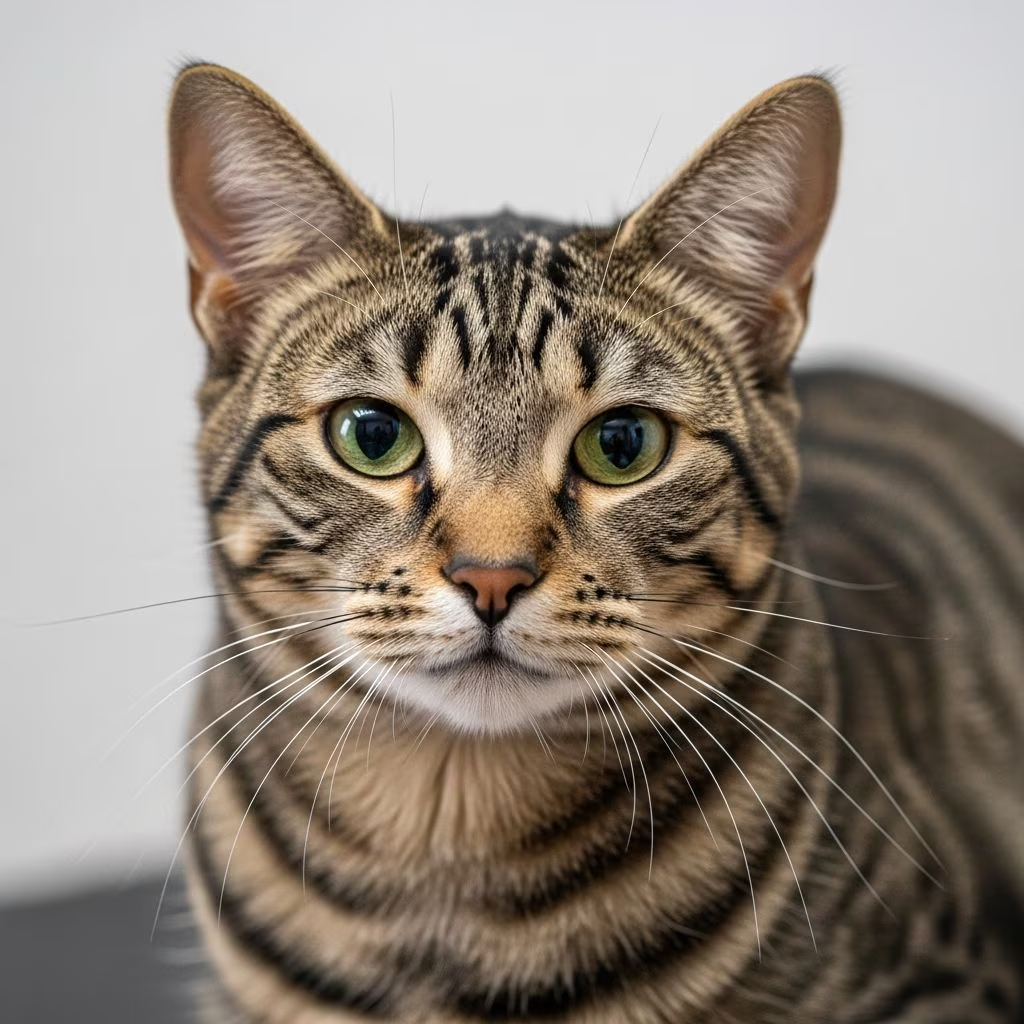
Helping an underweight cat regain a healthy weight requires understanding the underlying causes, assessing their body condition accurately, and implementing targeted nutritional and care strategies. Veterinary guidance is essential to rule out serious health issues and ensure safe weight gain, preventing complications like hepatic lipidosis.
Why Is My Cat Underweight?
Cats can lose weight due to a variety of reasons, ranging from medical conditions to behavioral or environmental factors. Identifying the cause is the first step toward effective treatment.
- Medical conditions: Common culprits include hyperthyroidism, dental disease, kidney disease, diabetes, gastrointestinal issues like inflammatory bowel disease, parasites, or cancer. These conditions increase metabolism, cause pain during eating, or impair nutrient absorption.
- Dental problems: Tooth resorption, gingivitis, or broken teeth make chewing painful, leading to reduced food intake.
- Stress or environmental changes: New pets, moves, or household disruptions can suppress appetite.
- Poor diet or insufficient calories: Inadequate nutrition, especially in seniors or active cats, fails to meet energy needs.
- Increased activity or poor absorption: Worms, maldigestion, or high energy expenditure without matching intake contribute to weight loss.
Weight loss exceeding 10% of body weight in a short period signals a potential emergency. Always consult a vet for diagnostics like bloodwork, urinalysis, or imaging to pinpoint issues.
How Can I Tell If My Cat Is Underweight?
Assessing body condition prevents over- or under-feeding. Use the Body Condition Score (BCS) system, a reliable 9-point scale recommended by veterinary experts.
Ideal BCS (4-5/9): Feel ribs with slight fat cover, visible waist when viewed from above, and abdominal tuck from side view. Spine and hip bones are palpable but not prominent.
Underweight BCS (1-3/9):
- BCS 3: Ribs, spine, and hips easily visible; no palpable fat; severe waist and abdominal tuck.
- BCS 2: Ribs, spine, hips prominent; waist and abdomen dramatically tucked.
- BCS 1: Emaciated; bones protruding sharply; no muscle mass.
Weigh your cat weekly using a baby scale or pet scale for precision. Track trends alongside BCS. Healthy weight gain is 1-2% of body weight per week (e.g., 0.1-0.2 lbs for a 10-lb cat). Rapid gain risks health issues.
How Do I Help My Cat Gain Weight Safely?
Safe weight gain prioritizes gradual increases to build muscle and fat without overwhelming the liver. Aim for high-quality, calorie-dense nutrition tailored to your cat’s needs.
| Method | Details | Benefits |
|---|---|---|
| Increase frequency | Offer 4-6 small meals daily instead of 2-3 large ones. Cats are grazers. | Boosts intake without overwhelming digestion; mimics natural eating. |
| High-calorie foods | Switch to recovery or senior formulas with 400-500 kcal/can. Add wet food. | Provides dense energy; easier to digest than dry. |
| Portion adjustments | Increase by 2.5% weekly, reweigh to monitor. E.g., from 1 cup to 1.025 cups. | Prevents overfeeding; tracks progress. |
| Supplements | Vet-approved high-calorie gels, omega-3s, or probiotics. | Enhances palatability and nutrient uptake. |
Avoid free-feeding dry food initially to control intake. Transition diets over 7-10 days to prevent GI upset.
What Are the Best Foods for Weight Gain in Cats?
Focus on palatable, nutrient-rich options. Cats thrive on high-protein, moderate-fat diets with animal-based proteins.
- Wet food: Preferred for hydration and calories (e.g., pate or stew varieties). Brands with 10-12% fat, real meat first ingredient.
- High-calorie prescription diets: Therapeutic foods for recovery, rich in antioxidants, omega fatty acids, prebiotics for seniors or ill cats.
- Raw or fresh diets: Species-appropriate with muscle meat, organs; highly digestible if vet-approved.
- Dry food toppers: Mix with wet; choose low-carb, high-protein kibble.
Enhance appeal:
- Warm food slightly to release aromas.
- Add tuna water, low-sodium chicken broth, or shredded plain chicken (skinless).
- Try flavors like chicken, fish; alternate textures.
For finicky eaters, hand-feeding or quiet feeding spots reduce stress.
Feeding Tips to Encourage Eating
Maximize intake with these vet-backed strategies:
- Multiple daily meals: Small portions encourage consumption.
- Quiet environment: Feed away from dogs, kids, or noise.
- Palatability boosts: Heat food, add safe toppers sparingly (<10% calories).
- Exercise integration: Play before meals to stimulate appetite; build muscle.
- Monitor: Separate multi-cat homes to prevent bullying.
If appetite lags, syringe-feeding vet slurry temporarily may be needed, but prioritize vet consult.
Sample Feeding Plan for Weight Gain
Customize based on vet advice for a 7-lb underweight cat targeting 9 lbs.
| Week | Daily Calories | Meals | Food Example | Notes |
|---|---|---|---|---|
| 1 | 250-300 kcal | 5x 1/4 can wet + dry access | High-cal wet (120 kcal/can) | +2.5% increase; weigh weekly. |
| 2-4 | 300-350 kcal | 4-6 meals | Mix wet/dry + supplement | Assess BCS; add play. |
| Ongoing | Adjust to maintenance | 3-4 meals | Balanced diet | Vet recheck at goal weight. |
Calories calculated via pet nutrition tools; adjust for age/activity.
Supplements and Appetite Stimulants
Use under vet supervision:
- Calorie pastes/gels: Nutri-Cal for easy calories.
- Omega-3 fatty acids: Support coat, inflammation.
- Probiotics: Aid digestion.
- Appetite stimulants: Mirtazapine or cyproheptadine for short-term use.
- Vitamins: B-complex if deficient.
Never self-medicate; risks toxicity or masking issues.
Exercise and Muscle Building
Gentle activity prevents fat-only gain. Indoor cats: laser pointers, wand toys, climbing trees. Start slow if weak; 10-15 min sessions 2-3x daily build strength.
Monitoring Progress and When to See the Vet
Weekly weighs/BCS checks. Red flags: continued loss, vomiting, lethargy, diarrhea. Recheck vet in 2-4 weeks or sooner if no gain. Long-term: annual exams prevent relapse.
Hepatic lipidosis risk in rapid loss; early intervention key.
Frequently Asked Questions (FAQs)
Can I free-feed my underweight cat?
Not initially; controlled portions ensure balance. Once at ideal weight, discuss with vet.
How quickly should my cat gain weight?
1-2% body weight weekly for safety.
What if my cat refuses food?
Vet check for illness; try warming food, toppers, or stimulants.
Is raw food safe for weight gain?
Yes, if balanced and pathogen-free; consult vet.
Can senior cats gain weight?
Yes, with digestible, senior-specific foods rich in omegas.
References
- Underweight Cats – A Complete Guide to Help Them Gain Weight — Bella & Duke. 2023. https://www.bellaandduke.com/cats/expert-advice/cat-health/underweight-cats-a-complete-guide-to-help-them-gain-weight/
- How to Put Weight On a Cat — Hill’s Pet Nutrition. 2024-01-15. https://www.hillspet.com/cat-care/healthcare/helping-your-cat-gain-weight
- Seeking Advice on How to Feed an Emaciated Cat — University of Wisconsin School of Veterinary Medicine. 2022-05-10. https://sheltermedicine.wisc.edu/library/resources/seeking-advice-on-how-to-feed-an-emaciated-cat-6a6a88b8-3327-4edc-844a-5f0eb855f49c
- Cat Calorie Calculator — Pet Nutrition Alliance (via Tufts Cummings Veterinary Medical Center). 2023. https://www.petnutritionalliance.org/cat-calorie-tool



