

How to Put Your Cat on a Diet: A Complete Guide
Obesity is one of the most common health issues affecting domestic cats today. An overweight cat faces increased risks of serious health conditions including diabetes, arthritis, and heart disease. If you’ve noticed your feline friend gaining weight, putting your cat on a structured diet can significantly improve their health and quality of life. This comprehensive guide will walk you through every step of the process, from understanding your cat’s nutritional needs to implementing sustainable dietary changes.
Understanding Your Cat’s Nutritional Needs
Before starting any diet, it’s crucial to understand what your cat actually needs nutritionally. Cats are obligate carnivores, meaning they require specific nutrients found only in animal-based proteins. Unlike humans or dogs, cats cannot synthesize certain essential amino acids, including taurine, arginine, and methionine, so these must come directly from their food.
Your cat’s diet should be high in protein and moderate in fat, mimicking what they would eat in the wild. In nature, cats consume a diet consisting of approximately 1-2% carbohydrates. However, many commercial dry cat foods contain 35-50% carbohydrate calories, which can contribute to weight gain and metabolic issues.
All commercial cat foods should be labeled as “complete,” indicating they contain all the necessary nutrients your cat requires. When selecting food, read the ingredients list carefully and look for foods where meat, meat byproducts, or seafood are listed among the first ingredients.
Calculating Your Cat’s Ideal Caloric Intake
The first step in putting your cat on a diet is determining how many calories they should consume daily. This depends on several factors, including age, activity level, and current body condition.
Veterinary nutritionists typically use the following formula to calculate daily caloric needs:
- Indoor/Less Active Cats: 20 calories per pound of ideal body weight
- Active/Outdoor Cats: 30 calories per pound of ideal body weight
- Kittens: 50-60 calories per pound of body weight
For example, a 10-pound indoor cat typically needs approximately 200 calories per day, while an active outdoor cat of the same weight might need 300 calories. It’s important to use your cat’s ideal target weight for these calculations, not their current weight if they are overweight.
Choosing the Right Diet Foods
Not all cat foods are created equal when it comes to weight management. Your cat requires specific nutritional components to stay healthy while losing weight.
Protein Requirements
Protein is absolutely essential for cats on a diet. Because cats are obligate carnivores, they do better on high-protein, low-carbohydrate diets for weight loss. Ensure your chosen food provides adequate protein to maintain muscle mass while reducing overall calorie intake.
Wet vs. Dry Food
Both wet and dry foods can be effective for weight management, but they have different advantages:
- Dry food: Contains 300-500 calories per cup and offers convenience and dental benefits
- Wet food: Provides crucial hydration and can increase satiety, making your cat feel fuller longer
A mixed approach combining both dry and wet food is often ideal. For a 10-pound cat, this might include 1-2 cans of wet food plus dry food, or 3-4 cans per day on an all-wet diet.
Establishing Proper Feeding Schedules and Portion Control
How and when you feed your cat is just as important as what you feed them. The feeding method you choose can significantly impact your cat’s weight loss success.
Portion Control Method
The recommended approach is the portion control feeding method rather than free feeding. As a general rule, feed your cat twice daily by dividing the daily recommended amount into two meals spaced 8-12 hours apart.
To determine portions:
- Calculate your cat’s daily caloric needs using the formula above
- Check the calorie content on your chosen food
- Divide the total daily amount by the number of meals (typically 2)
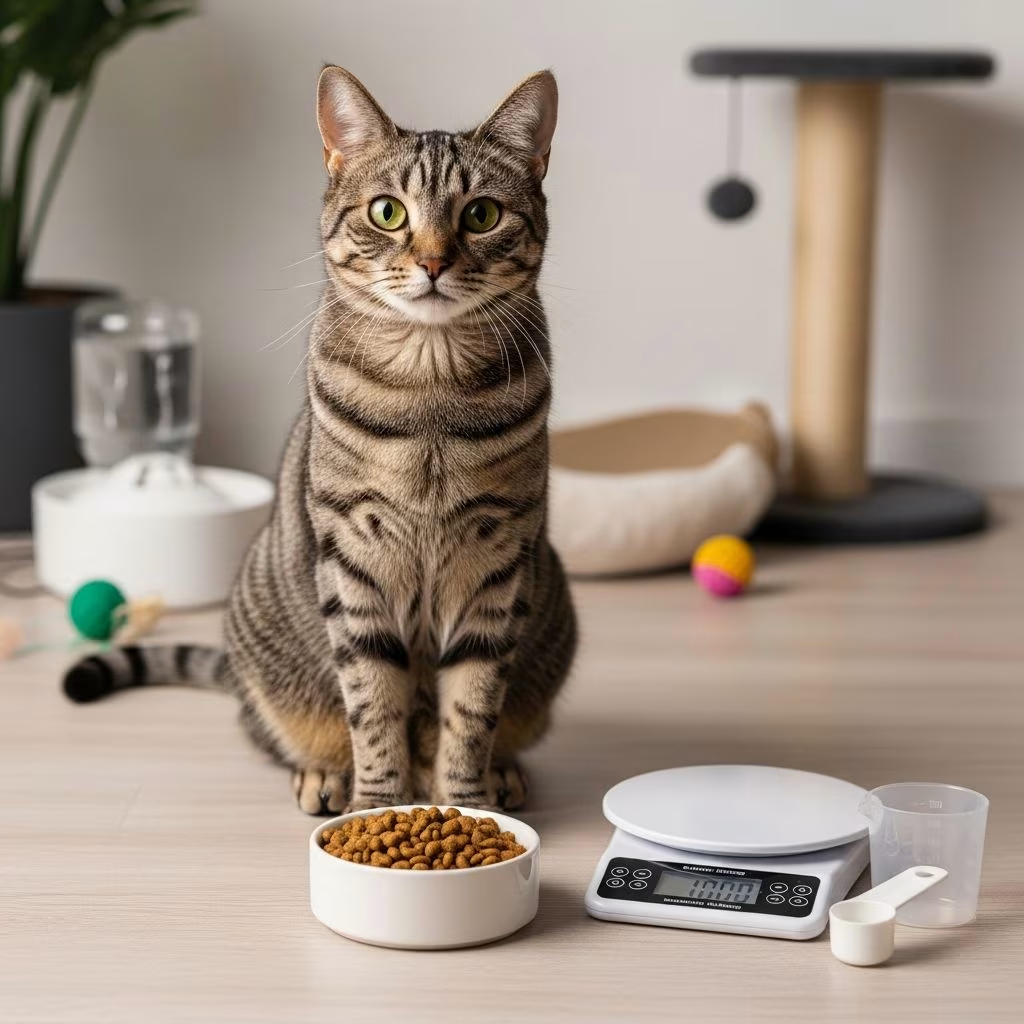
- Measure portions carefully using a scale or measuring cup
Avoiding Free Feeding
Avoid free feeding or grazing, as this can lead to overeating and weight gain. Instead, establish a consistent feeding schedule with two to four set mealtimes per day. This gives you complete control over caloric intake and helps prevent excessive snacking.
Making Gradual Dietary Transitions
When changing your cat’s diet, it’s important to transition gradually to avoid digestive upset. Most cats need a period of adjustment before accepting new food.
Here’s a recommended transition schedule:
- Days 1-4: Begin by mixing 75% old food with 25% new food
- Days 5-10: Increase the new food to 50% and decrease the old food to 50%
- Days 11-14: Continue increasing new food and decreasing old food until the transition is complete
Keep the foods separate during mixing—don’t combine them thoroughly, as cats are sensitive to texture changes and may refuse to eat mixed food. During this transition period, monitor your cat for any signs of digestive issues like vomiting or diarrhea.
Healthy Treats and Snacking Guidelines
Treats should be used sparingly and strategically when your cat is on a diet. The key is ensuring treats don’t exceed 10-15% of your cat’s daily calorie allowance.
Healthy treat options include:
- Cooked white fish
- Cooked chicken breast
- Cooked turkey breast
- Safe fruits and vegetables such as cucumber, pumpkin, carrots, asparagus, peas, bananas, strawberries, blueberries, melon (deseeded), watermelon (deseeded), and apples (deseeded)
Important treat guidelines:
- On days you give your cat treats, reduce their main meals accordingly so they don’t gain weight
- Use portion-controlled treats rather than free-feeding snacks
- For overweight cats, small snacks of lean fish, egg, or poultry may increase satiety
Increasing Exercise and Mental Stimulation
Diet alone isn’t enough for sustainable weight loss in cats. Increased physical activity and mental engagement are crucial components of a successful weight management program.
Interactive Play
Engage your cat in regular interactive play sessions using toys like feather wands, laser pointers, or balls. Multiple short play sessions throughout the day are more effective than one long session.
Food Puzzles and Slow Feeders
Using food puzzles and slow feeders serves multiple purposes:
- Slows down eating, allowing your cat to feel fuller
- Burns additional calories through play and mental stimulation
- Engages your cat’s natural hunting instincts
- Reduces begging behaviors by providing mental enrichment
Environmental Enrichment
Provide climbing structures, window perches, and other environmental enrichment to encourage natural movement and activity throughout the day.
Monitoring Progress and Making Adjustments
Consistent monitoring is essential for successful weight loss in cats. Regular weigh-ins help you spot weight changes quickly and adjust the diet as needed.
The Two-Week Rule
When making dietary adjustments, give your cat’s body approximately two weeks to show results. Resist the urge to make constant tweaks to the diet, as consistency is key to seeing real results. Constantly changing portions or foods can confuse your cat’s metabolism and slow progress.
Tracking Methods
Implement a tracking system to monitor:
- Daily food intake and portions
- Weekly or bi-weekly weight measurements
- Changes in body condition and behavior
- Any unexpected weight gain or loss
Seasonal Adjustments
Just like human athletes adjust nutrition based on seasons, your cat’s energy needs may fluctuate. Indoor cats might be more active in cooler months, while outdoor cats might need extra fuel in winter to maintain body temperature. Adjust portions accordingly based on seasonal activity levels.
Managing Multiple Cat Households
If you have multiple cats, some on diets and others not, feeding them separately is essential. Reduce stress at mealtimes by:
- Using closed doors or barriers to keep cats calm and focused on their own meals
- Preventing food competition and food aggression
- Ensuring each cat eats only their designated food
- Monitoring that the dieting cat doesn’t have access to other cats’ food
When to Consult a Veterinarian
Professional veterinary guidance is crucial for developing a safe, effective weight loss plan. A veterinarian can:
- Rule out underlying health conditions causing weight gain
- Recommend prescription therapeutic diets if needed
- Provide personalized caloric recommendations
- Monitor progress and adjust the plan as needed
- Address any health complications during weight loss
For many overweight cats, a canned prescription therapeutic diet fed 3-6 times daily is recommended under veterinary supervision.
Common Mistakes to Avoid
Several mistakes can sabotage your cat’s diet efforts:
- Feeding too much: Even small portions can add up if not measured carefully
- Free feeding: Leaving food out all day makes portion control impossible
- Hidden calories: Treating diet violations from family members or sneaking extra snacks
- Too rapid weight loss: Drastic caloric restriction can harm your cat’s metabolism
- Inconsistent feeding schedule: Irregular meal times can confuse your cat’s appetite regulation
- Ignoring water intake: Ensure your cat has access to fresh water daily
Frequently Asked Questions
Q: How long will it take for my cat to lose weight?
A: Weight loss in cats is typically gradual, taking several weeks to months depending on how much weight they need to lose. Be patient and consistent—sudden weight loss can be unhealthy. Most cats should lose 1-2 pounds per month under proper veterinary guidance.
Q: Can I feed my cat only wet food while dieting?
A: Yes, some cats do well on all-wet diets, consuming 3-4 cans per day for a 10-pound cat. Wet food provides excellent hydration and satiety. However, discuss this approach with your veterinarian to ensure your cat receives adequate nutrition and dental care.
Q: What if my cat refuses the new diet food?
A: Cats can be picky eaters. Try warming the food slightly, mixing in a small amount of their favorite old food, or offering different textures. A gradual transition over 2-3 weeks may help. If your cat continues to refuse food, consult your veterinarian.
Q: Is it normal for my cat to be hungrier while dieting?
A: Some cats may appear hungrier during dietary changes. Use food puzzles and frequent smaller meals to increase satiety. Your cat’s appetite should adjust within 2-3 weeks as they adapt to the new routine.
Q: How often should I weigh my cat during a diet?
A: Weigh your cat weekly or bi-weekly to track progress without obsessing over daily fluctuations. Weight can vary by a pound or two based on water retention and digestion, so consistent weekly weigh-ins provide the best picture.
Q: Can kittens go on diets?
A: Kittens require much higher calories for growth and development—50-60 calories per pound of body weight. Dieting kittens can harm their development. If a kitten appears overweight, consult your veterinarian, as it may indicate a health issue or improper nutrition.
References
- The best diet for your cat — PDSA. Accessed 2026-01-14. https://www.pdsa.org.uk/pet-help-and-advice/looking-after-your-pet/kittens-cats/the-best-diet-for-your-cat
- How Much Food Should a Cat Actually Eat? — Nulo. Accessed 2026-01-14. https://nulo.com/blogs/nutrition/how-much-food-should-a-cat-actually-eat
- Cat Nutrition Tips — ASPCA. Accessed 2026-01-14. https://www.aspca.org/pet-care/cat-care/cat-nutrition-tips
- Feeding Your Cat: Know the Basics of Feline Nutrition — Cat Info. Accessed 2026-01-14. https://catinfo.org
- Cat Weight Loss Information | Start Healthy Weight Loss Today — Pet Obesity Prevention. Accessed 2026-01-14. https://www.petobesityprevention.org/weight-loss-cats



