

Cats are resilient yet sensitive creatures that thrive in environments where they feel physically safe and emotionally secure. Creating a secure home involves cat-proofing against hazards, establishing predictable routines, and offering enrichment to satisfy their natural instincts. This comprehensive guide outlines eight vet-reviewed tips to help your cat feel confident and protected, drawing from expert recommendations on physical safety, behavioral needs, and stress reduction.
The 8 Vet-Reviewed Tips to Provide a Secure Environment for Your Cat
Implementing these strategies ensures your cat avoids dangers while enjoying mental and physical stimulation. From securing household items to providing personal retreats, each tip addresses key aspects of feline well-being.
1. Cat-Proof Your Home
Physical hazards pose the greatest immediate risks to cats, so thoroughly inspect your living space upon bringing a new cat home. Common dangers include electrical cords that curious cats may chew, leading to electrocution; wobbly furniture that can topple during climbs; and breakable objects on shelves. Secure cabinets containing cleaning products, bleaches, antifreeze, medications, sharp objects, and insecticides, as these toxins can cause poisoning or severe injury.
Other threats encompass toxic plants like lilies and poinsettias, certain human foods such as chocolate and onions, alcohol, essential oils, liquid potpourri, paints, solvents, adhesives, and even open washing machines where cats might nap. Windows, particularly on upper floors, require screens to prevent falls. The ASPCA maintains an extensive list of toxic plants and substances, emphasizing the need for vigilance in both indoor and garden areas.
- Electrical wires: Tape or cover exposed cords to prevent chewing.
- Wobbly furniture: Anchor heavy pieces to walls.
- Toxic plants: Replace with cat-safe alternatives like spider plants.
- Medications: Store in locked drawers.
- Windows: Install secure screens or restrict access.
By eliminating these risks, you significantly reduce injury chances, aligning with veterinary advice that indoor cats face fewer accidents than outdoor ones.
2. Get into a Routine
Consistency fosters security for cats, who prefer predictable schedules. Feed, play, and clean litter boxes at the same times daily to minimize anxiety. Avoid frequent rearrangements of furniture, beds, bowls, or litter boxes, as changes disrupt their territorial sense. Maintain a calm household atmosphere, enforce boundaries like off-limits rooms, and ensure litter boxes remain spotless to prevent elimination issues.
Routines extend to handling stressors: introduce new elements gradually and stick to them. This predictability helps cats build trust in their environment, reducing stress-related behaviors like hiding or aggression. Veterinary experts note that stable routines are especially crucial for multi-pet homes or during transitions like moves.
3. Give Kitty Space
Cats are independent by nature and require personal retreats, particularly during chaotic periods like guest visits or renovations. Designate a quiet room—such as a bedroom, bathroom, or closet—with their bed, litter box, food, water, and toys. This sanctuary allows decompression without forced socialization.
Respect their pace when company arrives; never compel interaction. For scared cats, safe spaces separated by baby gates from dogs or boisterous children provide essential relief. Ensure accessibility for all cats, including seniors, to avoid vulnerability.
4. Use Interactive Toys
Daily play sessions channel energy, combat boredom, and enhance security by mimicking hunting instincts. Schedule 15-20 minute sessions twice daily using wand toys, laser pointers, throw toys for fetch, and puzzle feeders that dispense treats.
Interactive toys reduce stress hormones, promote exercise, and strengthen the human-cat bond. Rotate toys to maintain novelty, preventing habituation. Indoor cats benefit immensely, as play simulates outdoor exploration safely.
5. Set Up Climbing & Hiding Spots
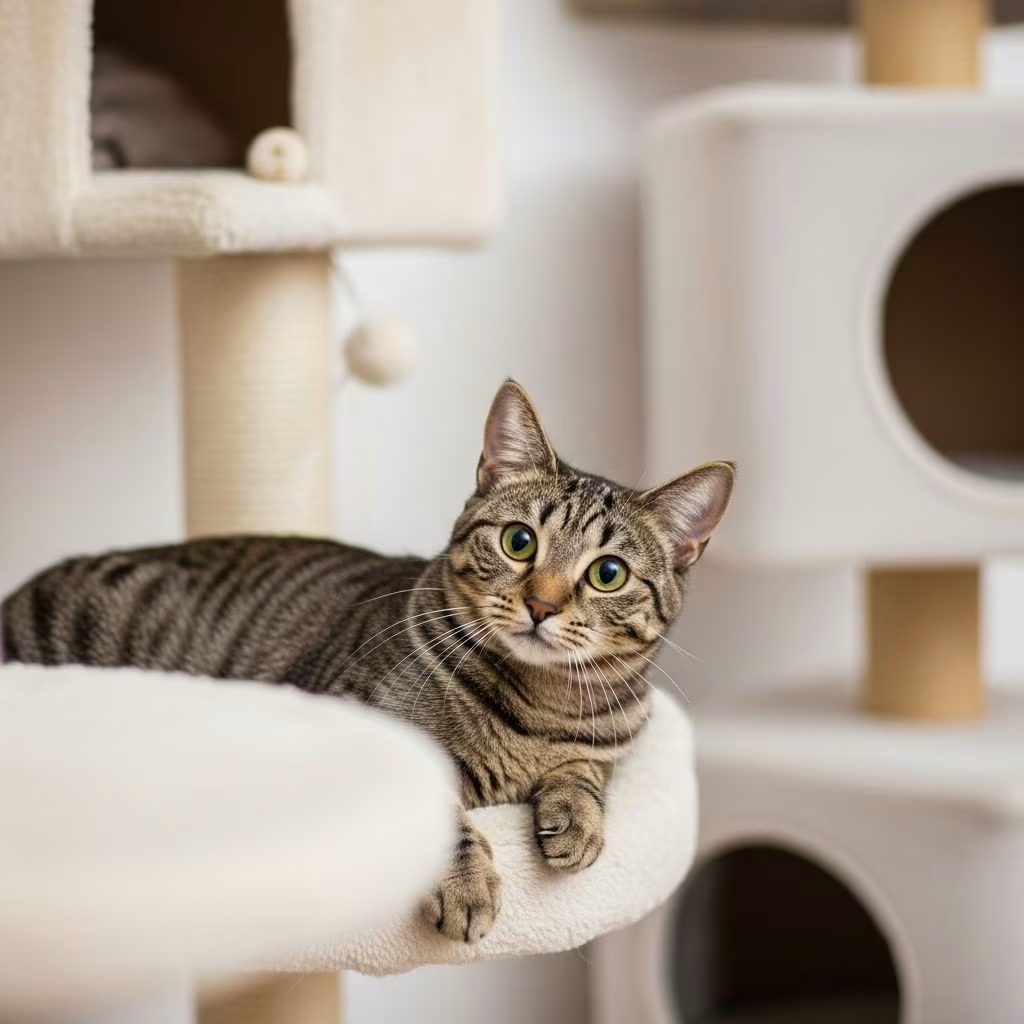
Cats instinctively seek elevated perches for surveillance and enclosed hideouts for safety. Install cat trees, wall shelves, window perches, and multi-level condos to offer vantage points, fulfilling their need to monitor surroundings without predators—a hardwired trait from wild ancestors.
Hiding options like roofed beds, cardboard boxes, tunnels, or cat caves provide refuge during stress. Place them in low-traffic areas. These enrichments boost confidence, especially for timid cats, and prevent destructive behaviors born of frustration.
6. Respect Their Petting Preferences
Every cat has unique touch tolerances; over-pettting can provoke stress. Observe body language: tail flicks, ear flattening, or skin rippling signal discomfort. Focus on preferred areas like cheeks, chin, and base of tail, using slow strokes.
Short, positive sessions build trust. Allow opt-outs by providing escape routes. This respect reinforces security, as forced affection erodes the bond. Multi-cat households benefit from individualized approaches to avoid jealousy or fights.
7. Make Sure Litter Boxes Are Accessible
Litter box issues cause profound stress, leading to accidents. Provide one box per cat plus one extra, in quiet, accessible locations. Experiment with types: open, hooded, high-sided, or low-entry for seniors or kittens with mobility challenges.
Scoop daily, fully change litter weekly, and use unscented, clumping varieties preferred by most cats. Placement away from food/water and noisy appliances prevents avoidance. In multi-story homes, distribute boxes evenly. Accessibility ensures dignity and reduces house soiling.
8. Consider Indoor Living with Enrichment
Indoor environments offer superior safety over outdoor access, shielding cats from traffic, predators, toxins, fights, and diseases. Outdoor cats average 2-5 years lifespan versus 12-15+ for indoors.
Enrich indoors with catios (enclosed patios), harness walks, or window views. Spay/neuter, vaccinate, microchip, and add breakaway collars with ID/bells for any supervised outdoor time. Rural areas pose fewer risks than urban, but indoors remain optimal.
Pros and Cons of Indoor vs. Outdoor Living
| Aspect | Indoor Living | Outdoor Living |
|---|---|---|
| Safety | Protected from cars, predators, toxins; longer lifespan | High risks of injury, disease, fights |
| Health | Fewer parasites, injuries; controlled diet | Exposure to hazards, shorter life |
| Enrichment | Requires toys, trees, play; safe stimulation | Natural exploration but dangerous |
| Alternatives | Catio, harness, windows | Supervised only if essential |
Indoor life demands proactive enrichment to prevent boredom, but yields healthier, longer-lived cats.
Frequently Asked Questions (FAQs)
Q: Why is my cat hiding more than usual?
A: Changes in routine, new pets/people, or health issues trigger hiding. Provide safe spaces and pinpoint stressors like loud noises or unfamiliar scents.
Q: How many litter boxes do I need for multiple cats?
A: Follow the n+1 rule—one per cat plus one extra—to minimize conflicts and ensure accessibility.
Q: Are essential oils safe around cats?
A: No, many like tea tree and eucalyptus are toxic via inhalation or skin contact. Avoid diffusers and potpourri.
Q: Can outdoor cats be transitioned to indoor?
A: Yes, gradually with enrichment like catios and toys. Spay/neuter first and monitor for stress.
Q: What if my cat chews electrical cords?
A: Bitter sprays, cord covers, and redirection to toys help. Unplug when possible to prevent shocks.
Conclusion
A secure environment blends hazard elimination, routine stability, personal spaces, play, verticality, respect, litter access, and indoor safety. Attuning to your cat’s cues forges trust and happiness. These vet-backed steps transform your home into a feline haven.
References
- How to Provide a Secure Environment for Your Cat: 8 Vet-Reviewed Tips — Catster. 2023. https://www.catster.com/lifestyle/how-to-provide-a-secure-environment-for-your-cat/
- My Cat Is a Scaredy Cat: 5 Tips to Make Them Feel More Secure — Catster. 2023. https://www.catster.com/cat-behavior/how-to-make-scaredy-feel-more-secure/
- Should You Let Your Cat Outside? Pros & Cons of Indoor vs. Outdoor Cats — Catster. 2023. https://www.catster.com/cat-health-care/should-you-let-your-cat-outside/
- 10 Vet-Approved Tips for Keeping Your Cat Safe Over the Holidays — Catster. 2023. https://www.catster.com/lifestyle/cat-health-safety-home-tips-cats-safe-holidays/
- Can You Keep a Cat Outdoors Safely? Vet-Reviewed Safety Tips — Catster. 2023. https://www.catster.com/lifestyle/can-you-keep-a-cat-outdoors-safely/



