

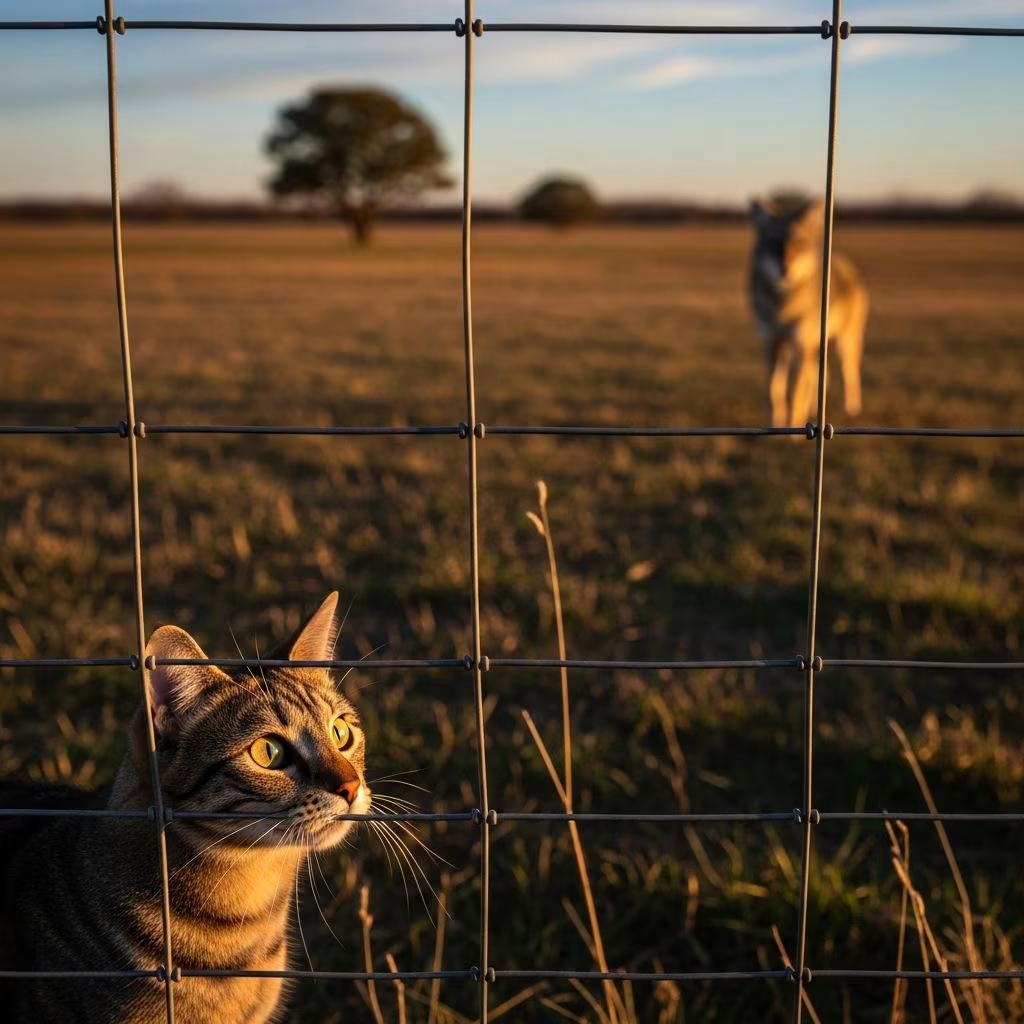
Coyotes pose a significant threat to cats, particularly in suburban and urban areas where these adaptable predators have expanded their range. With cats unable to outrun coyotes, which can reach speeds up to 40 mph, proactive measures are essential to prevent attacks. This guide outlines five vet-reviewed strategies to keep your feline safe, drawing from expert recommendations on deterrence and habitat modification.
The Coyote Threat to Cats
Coyotes are opportunistic hunters that view cats as prey, especially at night when they are most active. Domestic and feral cats alike are vulnerable, as coyotes can leap fences under 6 feet and dig under barriers. In areas with high coyote populations, pet disappearances spike during dawn, dusk, and nighttime hours. Understanding coyote behavior—solitary or pack hunting, preference for easy meals—helps tailor protection strategies effectively.
Statistics from wildlife agencies indicate coyote sightings in over 80% of U.S. counties, correlating with increased pet predation. Cats left unsupervised outdoors face risks not just from coyotes but also from secondary threats like disease transmission or traffic. Transitioning to safer habits requires commitment but significantly boosts survival odds.
The 5 Ways to Protect Your Cat From Coyotes
Implementing a multi-layered defense is key. Combine these methods for optimal results, as no single approach is foolproof against determined coyotes.
1. Bring Your Cat Indoors at Night
The simplest and most effective method is confining your cat indoors from dusk until dawn. Coyotes hunt primarily at night, making this timing critical. Indoor living also shields cats from cars, fights with strays, and diseases like feline leukemia. Contrary to myths, indoor cats thrive with enrichment: provide climbing trees, interactive toys, puzzle feeders, and window perches for stimulation.
For supervised outdoor access, consider a catio—an enclosed patio—or harness walks. These options mimic outdoor freedom safely. Feral cat caregivers should prioritize feeding during daylight and securing shelters. Studies show cats visiting ground-level feeders at night face 30% higher disappearance rates due to coyote presence. Indoor protocols reduce risks dramatically while promoting longer, healthier lives.
2. Remove Food Sources From Your Property
Coyotes are drawn to easy meals, so eliminate attractants. Secure trash in lidded bins stored indoors or in garages. Pick up fallen fruit, birdseed, and pet food promptly. Avoid outdoor feeding; if necessary for ferals, use elevated platforms during daylight. Research demonstrates elevated stations attract more cats at night with fewer coyotes, as predators can’t access them.
- Store garbage in wildlife-proof containers.
- Feed pets indoors only.
- Clean grills and compost piles regularly.
- For feral stations: small morning portions on ground ensure food vanishes before nightfall.
This step starves coyotes out, making your yard less appealing. Combine with hazing—yelling, throwing objects—to reinforce boundaries.
3. Add a Fence to Your Property
A properly designed fence creates a physical barrier. Minimum height: 6 feet, as coyotes jump lower easily. Enhance with:
- 15-inch woven-wire extension or roller bar at top to prevent climbing over.
- 12-inch underground wire apron or L-footer to block digging.
- High-strength mesh infused with anti-chew agents for durability.
Even fenced yards warrant nighttime indoor confinement and food removal. USDA guidelines emphasize these specs for coyote-proofing. Non-electric systems like steel cable rails offer aesthetic, robust protection without power needs.
| Fence Feature | Specification | Benefit |
|---|---|---|
| Height | 6+ feet | Prevents jumping |
| Top Extension | 15-inch wire/roller | Blocks climbing |
| Underground | 12-inch apron | Stops digging |
| Material | Steel/poly mesh | Chew-resistant |
4. Add Cat Posts to Your Property
Cat posts—10-12 foot tall 4×4 wooden poles—offer emergency escape routes. Cats climb swiftly to safety; coyotes cannot follow. Ideal for open yards or feral protection. Place multiple posts strategically near feeding or lounging areas.
During pursuits, cats instinctively head for height. Posts won’t prevent approaches but ensure survival if reached. Pair with fences for comprehensive coverage. In tests, posts deterred coyotes in open fields effectively.
5. Add Coyote Repellent Lights
Motion-activated red LED lights mimic predator eyes, startling coyotes. Strobe effects, combined with sirens or sprinklers, amplify deterrence. Colorado Parks and Wildlife endorses these for nighttime efficacy.
Position lights at entry points and pet areas. They safeguard house and feral cats, though flashing may initially spook felines. Wolf urine perimeters show promise but require frequent reapplication. Hazing with noise makers reinforces light effects.
Additional Coyote Deterrent Strategies
Beyond the core five, integrate these for layered defense:
- Motion Sprinklers: Sudden water bursts scare coyotes away.
- Barrier Plants: Thorny shrubs like barberry along fences impede passage.
- Tree Trimming: Remove low branches to eliminate jump aids.
- Hazing Techniques: Wave arms, shout, use air horns to instill fear.
- Feral Shelters: Cinderblock entrances or PVC pipes (6-inch diameter, secured) provide cat-only refuges.
A multi-faceted approach—fencing plus deterrents—yields best results, per wildlife experts.
Frequently Asked Questions (FAQs)
Q: Can cats outrun coyotes?
A: No, coyotes sprint up to 40 mph; cats top out at 30 mph briefly. Escape relies on climbing or barriers.
Q: Are coyote vests effective for cats?
A: Limited data; vests may hinder agility. Prioritize prevention over reactive gear.
Q: How do I know coyotes are nearby?
A: Look for tracks, scat, howls, or pet disturbances at dawn/dusk.
Q: What about protecting feral colonies?
A: Use elevated feeders, secure shelters, posts, and lights. Feed mornings only.
Q: Do repellents like wolf urine work?
A: Some evidence for perimeters, but reapply often. Not fully reliable alone.
Final Thoughts
Protecting cats from coyotes demands vigilance in coyote-prone areas. Prioritize indoor nights and food elimination, augmented by fences, posts, and lights. These vet-endorsed tactics, backed by wildlife research, minimize risks effectively. Consult local authorities for sightings and adapt strategies seasonally. Your cat’s safety hinges on consistent action—start today for peace of mind.
References
- Protect Cats from Coyote | Nite Guard — Nite Guard. 2023. https://niteguard.com/how-to-protect-cats-from-coyote/
- Cat Feeding Station Best Practices to Avoid Coyotes — Lost Pet Research. 2023-04. https://lostpetresearch.com/2023/04/cat-feeding-station-best-practices-to-avoid-coyotes/
- How to Protect Your Cat From Coyotes: 5 Vet-Reviewed Methods — Catster. 2023. https://www.catster.com/cat-health-care/how-to-protect-your-cat-from-coyotes/
- Coyote-Protect Your Yard A Pet Owner’s Essential Guide — Pet Playgrounds. 2025-04-10. https://petplaygrounds.com/2025/04/10/coyote-protect-your-yard-a-pet-owners-essential-guide/
- What to do about coyotes — Humane Society. 2023. https://www.humaneworld.org/en/resources/what-do-about-coyotes



