

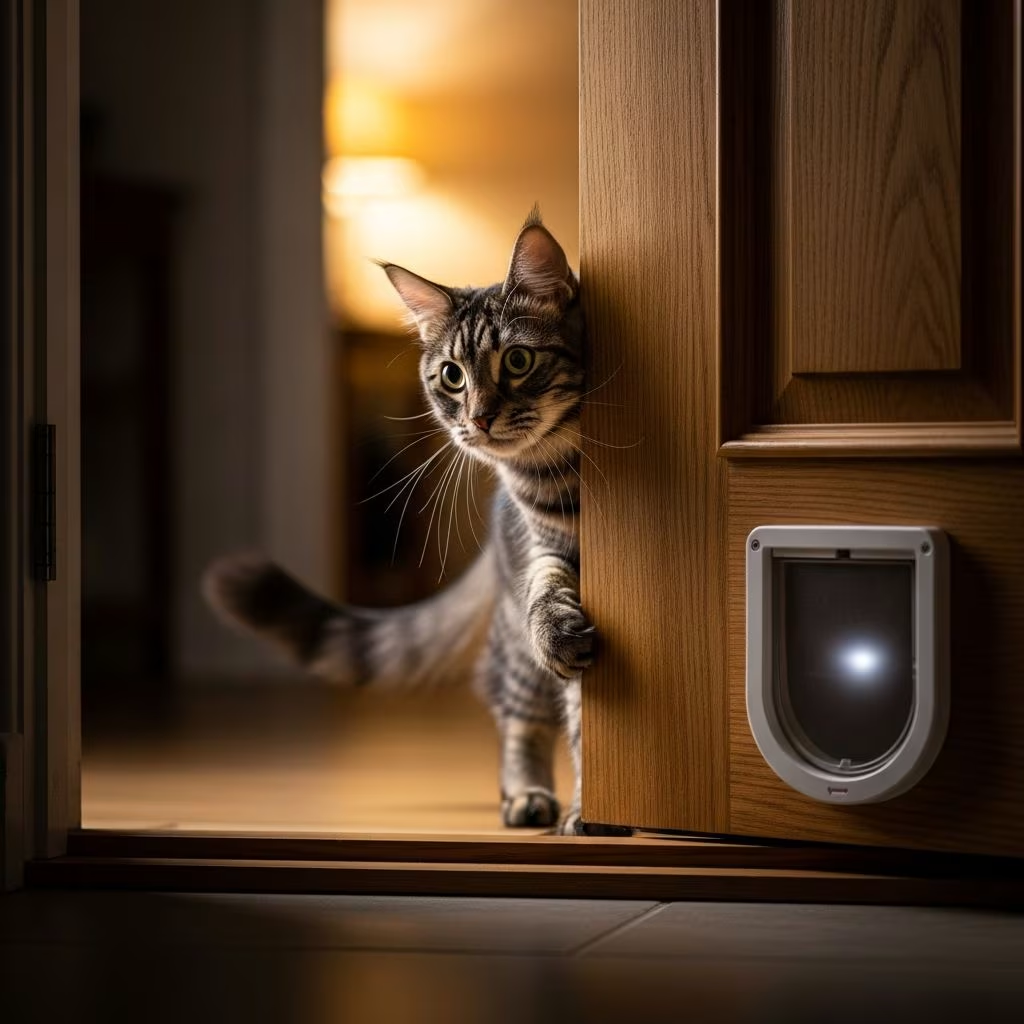
Cats are beloved family members, but they can become targets for theft due to their friendly nature and value as pets. Pet theft is a real concern, with organizations reporting thousands of cases annually. Protecting your cat requires proactive measures like identification, secure housing, and community vigilance. This guide covers comprehensive strategies to minimize risks and ensure your cat’s safety.
Is Cat Theft Common?
Cat theft occurs more frequently than many owners realize. According to reports from animal welfare groups, indoor-outdoor cats are particularly vulnerable because they roam freely and interact with strangers. Thieves often target friendly cats for resale, breeding, or personal use. Statistics from pet recovery services indicate that up to 10 million pets are stolen yearly in the U.S., with cats comprising a significant portion due to their portability.
Common scenarios include cats being lured with food in neighborhoods or snatched from yards. Young, purebred, or uniquely marked cats are prime targets. Awareness of these patterns is the first step in prevention.
Why Do People Steal Cats?
Thieves steal cats for various reasons. Some resell them online or at markets, capitalizing on the demand for pets. Others use stolen cats for breeding programs to produce litters for profit. Heartbreakingly, some cases involve animal testing facilities or hoarding situations. Pets with no identification are harder to trace, making them attractive to criminals.
Economic factors play a role; during tough times, pet theft rises as people seek free animals. Understanding these motivations helps owners stay one step ahead.
10 Tips to Prevent Cat Theft
Implementing these 10 practical tips can significantly reduce the risk of your cat being stolen. Each method builds a layered defense system.
- Microchip Your Cat: Insert a microchip under your cat’s skin for permanent ID. Scanners at shelters or vets can read it to reunite you with your pet. Update contact info regularly.
- Keep Your Cat Indoors: Indoor cats live longer and avoid theft risks. Provide enrichment like toys and windows to mimic outdoor stimulation.
- Install a Secure Cat Fence: Use cat-proof fencing with inward-angled tops to prevent climbing escapes. Enclosures allow safe outdoor time.
- Use a GPS Collar Tracker: Modern trackers like AirTag or dedicated pet GPS provide real-time location if your cat wanders.
- Post ‘Do Not Feed’ Signs: Prevent neighbors from feeding strays, which attracts thieves disguising as feeders.
- Spay or Neuter Your Cat: This reduces roaming instincts and makes your cat less desirable for breeders.
- Register with Local Pet Databases: Enroll in national registries like Petco Love Lost for photo-matching technology.
- Train a Recall Command: Teach your cat to come when called using treats and consistent practice.
- Be Vigilant in Your Neighborhood: Report suspicious activity and build community watch networks.
- Never Leave Cats Unsupervised Outdoors: Always accompany during potty breaks or playtime.
Microchipping Your Cat: The Ultimate ID
Microchipping is a subcutaneous implant containing a unique code linked to your contact details. It’s painless, like a vaccine, and lasts a lifetime. Vets or shelters scan lost cats routinely. Studies show microchipped pets are returned 20 times more often than those without.
Choose ISO-standard chips for universal compatibility. Register immediately and update if you move. Combine with a collar tag for double protection. Cost is low—around $50 initially—compared to the heartbreak of loss.
Keep Your Cat Indoors or Supervised
The safest cats never go unsupervised outdoors. Indoor living prevents encounters with thieves, traffic, and predators. Create a stimulating environment with cat trees, puzzle feeders, and perches.
For outdoor access, use leashes, harnesses, or supervised walks. ‘Catios’—enclosed patios—are popular for safe fresh air. Data from veterinary associations confirms indoor cats average 15-20 years lifespan versus 2-5 for outdoor roamers.
Secure Your Yard with Cat-Proof Fencing
Standard fences fail against agile cats who jump or climb. Install coyote rollers or floppy tops that spin, blocking escape. Electric fencing for pets delivers mild shocks only on contact.
Build a cat run with mesh roofing and buried bases to deter diggers. These setups allow exercise without theft risk. Professional installation ensures durability.
| Fencing Type | Pros | Cons | Cost Estimate |
|---|---|---|---|
| Coyote Roller | Humane, effective climber block | Requires straight fence | $200-500 |
| Floppy Top | Cheap DIY | Less durable | $50-150 |
| Electric Pet Fence | Invisible boundary | Training needed | $300-800 |
| Full Enclosure | Complete safety | High space use | $1000+ |
GPS Trackers and Collar Tags
GPS collars ping location via apps, alerting if your cat leaves a geo-fence. Battery life varies; recharge weekly. Tags with QR codes link to your info instantly.
Breakaway collars prevent strangulation. Engrave name, phone, and ‘Microchipped’ to deter casual thieves.
Build a Neighborhood Watch
Inform neighbors about your cat’s appearance and routine. Share photos via group chats. Nextdoor apps facilitate alerts for sightings.
Organize patrols or camera shares. Collective vigilance multiplies protection.
What to Do If Your Cat Goes Missing
Act fast: Search neighborhood calling their name. Check bushes, garages. Post flyers with photo, description, microchip info.
Notify shelters, vets, police. Use social media, lost pet sites. Offer rewards discreetly. Persistence recovers 75% of missing pets within days.
Common Myths About Cat Theft Prevention
- Myth: Spaying makes cats fat and lazy. Fact: Proper diet prevents obesity; benefits outweigh risks.
- Myth: Collars are enough ID. Fact: They slip off; microchips are reliable.
- Myth: Theft only happens in cities. Fact: Rural areas see snares too.
- Myth: Outdoor cats are happier. Fact: Enriched indoors match fulfillment safely.
Frequently Asked Questions (FAQs)
Should I let my cat go outside?
Supervised or enclosed only. Free roaming invites theft and hazards.
Is microchipping painful?
No, it’s quick like a shot. Cats recover immediately.
How effective are GPS trackers?
Very, for roamers. They provide peace of mind with live updates.
Can thieves remove microchips?
No, they’re embedded deeply and undetectable without surgery.
What if my indoor cat escapes?
Secure home: screens, doors. Have posters ready.
References
- Preventing Catalytic Converter Theft – Guide for Businesses — SCW. 2023-05-15. https://www.getscw.com/resources/ebooks/preventing-catalytic-converter-theft
- 5 ways to prevent catalytic converter theft — Allstate. 2024-08-20. https://www.allstate.com/resources/car-insurance/catalytic-converter-theft
- Catalytic Converter Theft – CATPA — LockDownYourCar.org. 2023-11-10. https://lockdownyourcar.org/catalytic-converter-theft/
- Tested: Best Catalytic Converter Anti-Theft Devices for 2025 — Car and Driver. 2024-12-01. https://www.caranddriver.com/car-accessories/g44546366/best-catalytic-converter-theft-prevention-devices-tested/
- Proactive Methods for Preventing Catalytic Converter Theft — AMAROK. 2024-03-22. https://amarok.com/blog/common-catalytic-converter-theft-prevention-tactics-arent-enough/



