

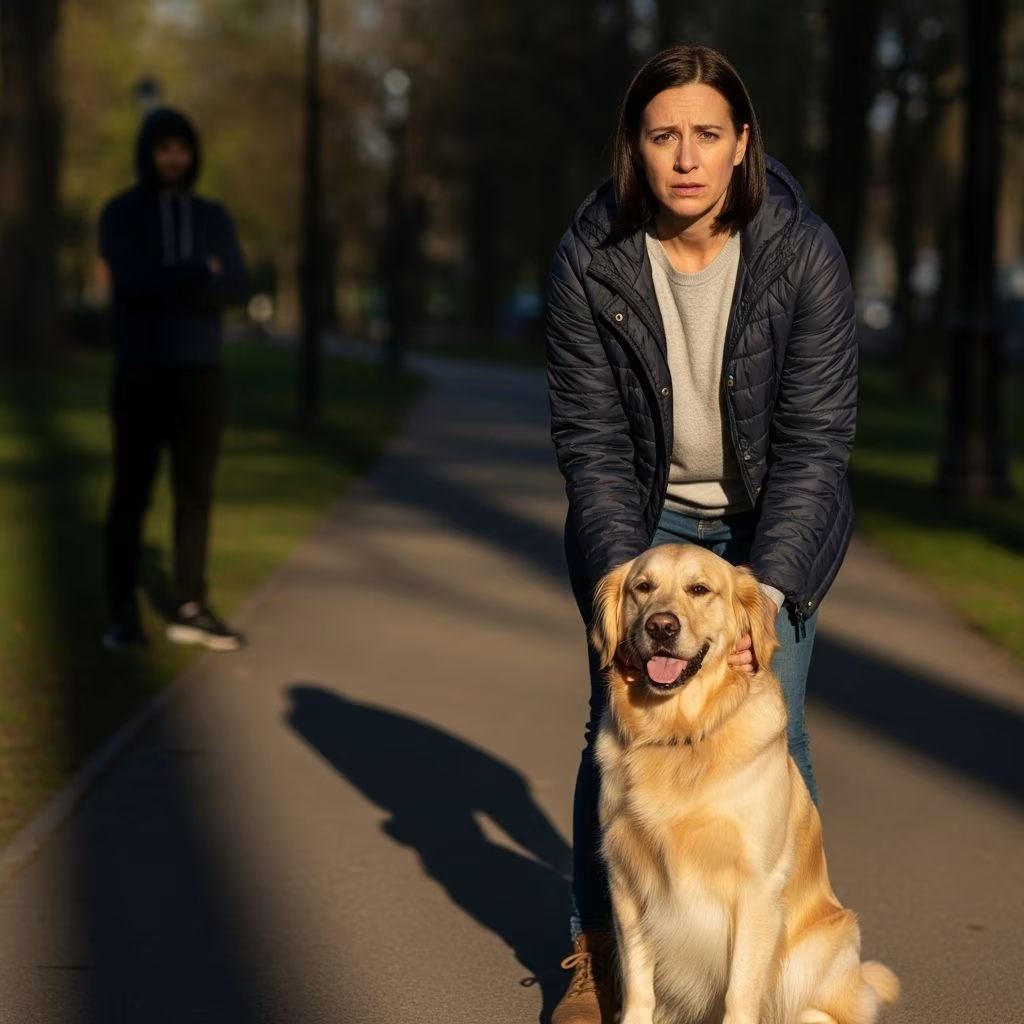
Dognapping, the theft of dogs for resale, breeding, or other nefarious purposes, is a growing concern for pet owners worldwide. High-value breeds like French Bulldogs, Bulldogs, and purebred puppies are prime targets due to their market demand. Preventing this crime requires proactive measures at home, during walks, and in public spaces. This guide covers essential strategies drawn from veterinary experts, animal welfare organizations, and safety authorities to keep your dog secure.
Why Dognapping is on the Rise
Dognappers target dogs for profit, often selling them online, to puppy mills, or unsuspecting buyers. Small, purebred, or designer dogs fetch high prices on the black market. Thieves scout neighborhoods during the day and strike at night when owners let dogs out for last relief. Unsecured yards, unattended pets in cars or shops, and predictable routines make theft easy. According to animal welfare reports, altered statistics show a surge in thefts, emphasizing the need for vigilance.
1. Microchip Your Dog
The most critical step in dognapping prevention is microchipping. A microchip is a tiny rice-sized electronic device implanted under your dog’s skin, typically between the shoulder blades. It contains a unique ID number linked to your contact information in a national database. The procedure is quick, painless, and comparable to a vaccination.
- Benefits: If a thief tries to resell your dog, a vet or shelter scan reveals the chip, alerting authorities and proving ownership.
- Maintenance: Update your details immediately if you move or change phones. Register with multiple databases for broader coverage.
- Cost: One-time fee of $40-$60, often included in spay/neuter packages.
Even if your dog escapes or is stolen, the chip increases recovery chances dramatically. One case reunited a stolen pup with its family after a new ‘owner’ took it to a vet.
2. Invest in a GPS Dog Collar or Tracker
GPS collars provide real-time location tracking via apps on your phone. Devices like those from major pet tech brands attach to collars and use cellular networks or GPS satellites to pinpoint your dog’s location within feet.
- Key Features: Geofencing alerts if your dog leaves a set boundary; activity monitoring; waterproof designs for active pups.
- Limitations: Requires subscription ($5-15/month); battery life varies (3-30 days).
- Alternatives: AirTag-style trackers in collars or harnesses for smaller dogs.
Combine with microchips for dual protection. If dognapped, activate tracking immediately to follow the thief’s movements.
3. Always Keep Your Dog on a Leash
Never walk your dog off-leash in unfenced areas. Leashes prevent bolting toward distractions and deter snatch-and-grab thefts. Use sturdy, anti-theft leashes with lockable clips that thieves can’t easily undo.
- Best Practices: Short leashes (4-6 feet) for control; avoid retractables in high-risk areas.
- Stay Alert: Scan for suspicious vehicles or people approaching too closely. Walk in well-lit, populated areas.
- Deterrents: Carry pepper spray or a personal alarm; teach recall commands.
Thieves often pose as friendly strangers to lure dogs. Vary walk times and routes to avoid predictability.
4. Never Leave Your Dog Unattended
Unsupervised dogs are easy targets. Avoid leaving them tied outside stores, in cars (dangerous due to heat), or alone in yards.
- Home Tips: Secure yards with fences at least 6 feet high, dig-proof at base, no climbable features. Add coyote rollers or L-footers to prevent escapes.
- Tech Aids: Motion-activated cameras, smart doorbells, or home security systems monitoring pet areas.
- Absences: Use dog walkers, daycare, or trusted friends instead of isolation.
Even ‘secure’ yards aren’t foolproof—thieves use food lures or bolt cutters. Supervise outdoor time closely.
5. Secure Your Yard and Home
A robust perimeter is your first defense. Physical barriers outperform invisible fences, which require training and don’t stop humans.
| Fence Type | Pros | Cons | Best For |
|---|---|---|---|
| Wood/Chain Link (6ft+) | Durable, hard to climb | Costly install | Large yards |
| Vinyl Privacy | No gaps, aesthetic | Expensive | Urban homes |
| Invisible/Shock | Invisible | Dog training needed, no human barrier | Supplement only |
| Tie-Out Cable | Strong, supervised use | Strangle risk if unsupervised | Temporary |
Lock gates, windows, doors. Install lights and signs like ‘Protected by Video Surveillance.’ For indoor dogs, block window views to avoid tempting thieves.
6. Spay or Neuter Your Dog
Intact dogs are valuable to breeders and puppy mills. Spaying/neutering reduces appeal—thieves often dump altered stolen dogs at shelters.
- Health Perks: Lowers cancer risks, prevents litters contributing to overpopulation.
- Procedure: Safe at most vets post-puppyhood; discuss timing with your vet.
This simple step can turn a profitable theft into a loss for criminals.
7. Be Careful Who You Buy From and Limit Public Info
Avoid impulse buys from unverified sellers—many stolen dogs resurface this way. Adopt from shelters/rescues.
- Social Media Caution: Don’t post walks, addresses, or routines publicly. Blur backgrounds in photos.
- Stranger Danger: Politely refuse photos, petting, or questions from unknowns.
- High-Value Dogs: Extra discreet about breed rarity or purchase price.
Obscure house numbers on social media; report suspicious scouting vehicles to police.
What to Do If Your Dog is Stolen
Act fast—first 48 hours are crucial.
- Search Immediately: Check nearby areas, ask neighbors.
- Report: File police report (theft crime); notify shelters, vets, microchip company.
- Publicize: Posters, social media (Petco/Petfinder lost pages), Nextdoor. Use clear photos.
- Track: Activate GPS if equipped.
- Monitor: Check Craigslist, Facebook Marketplace for your dog.
Many recoveries happen via chips or community efforts.
Frequently Asked Questions (FAQs)
Is dognapping common?
Yes, reports indicate rising incidents, especially for purebreds. Prevention is key.
Do GPS collars really work against thieves?
They track post-theft but don’t prevent grabs. Pair with other measures.
Should I get a camera for my yard?
Absolutely—motion cams deter and provide evidence.
What if my dog isn’t microchipped yet?
Get it done ASAP at your vet. It’s the gold standard for recovery.
Are certain breeds more at risk?
Yes, small designer breeds like Frenchies and high-demand puppies.
Implementing these strategies minimizes risks significantly. Stay vigilant, and your dog can enjoy safe adventures by your side.
References
- How To Help Prevent Your Dog From Dognapping — Kinship. 2023. https://www.kinship.com/dog-lifestyle/how-to-protect-pet-from-dognapping
- How to Protect Your Dog From Dognappers — PETA UK. 2023-05-10. https://www.peta.org.uk/blog/protect-from-dognappers/
- How to Best Keep Your Dogs from Escaping Your Yard — PetPLAY.com. 2023. https://www.petplay.com/blogs/tips/how-to-best-keep-your-dogs-from-escaping-your-yard
- Dognapping on the Rise! Follow These Tips to Protect Your Precious Pup — Riverstone Vet Group. 2023. https://www.riverstonevetgroup.com/services/blog/dognapping-rise-follow-these-tips-protect-your-precious-pup
- How to Prevent Dog Theft — Money.com. 2023-07-12. https://money.com/preventing-dog-theft/
- How to Keep Your Dog Safe When Pet Theft Is on the Rise — American Kennel Club (AKC). 2023-08-15. https://www.akc.org/expert-advice/home-living/dog-theft/



