

How to Protect Dog Paws in Winter
Winter brings beautiful snowy landscapes and opportunities for outdoor adventures with your furry companion. However, the cold season also presents significant challenges for your dog’s delicate paw pads. Snow, ice, salt, and freezing temperatures can cause cracking, blistering, and discomfort. Understanding how to properly protect your dog’s paws is essential for maintaining their health and happiness throughout the winter months. This comprehensive guide covers everything you need to know about winter paw protection.
Understanding Winter Paw Pad Challenges
Your dog’s paw pads are particularly vulnerable during winter. These sensitive areas face multiple hazards including sharp ice crystals, chemical de-icers, extreme cold, and prolonged moisture exposure. When dogs walk on snow and ice, the moisture can seep between their paw pads, causing irritation and potential frostbite. Additionally, ice can accumulate in the fur between their toes, forming painful ice balls that restrict movement and cause discomfort.
The salt and chemical de-icers commonly used on sidewalks and roads can also irritate paw pads, leading to redness, swelling, and excessive licking. Dogs may also develop cracked or bleeding paws from the combination of cold, dryness, and harsh surfaces. Recognizing these risks allows you to take proactive measures to keep your dog’s paws safe and healthy.
Essential Winter Paw Protection Methods
Invest in Quality Dog Booties
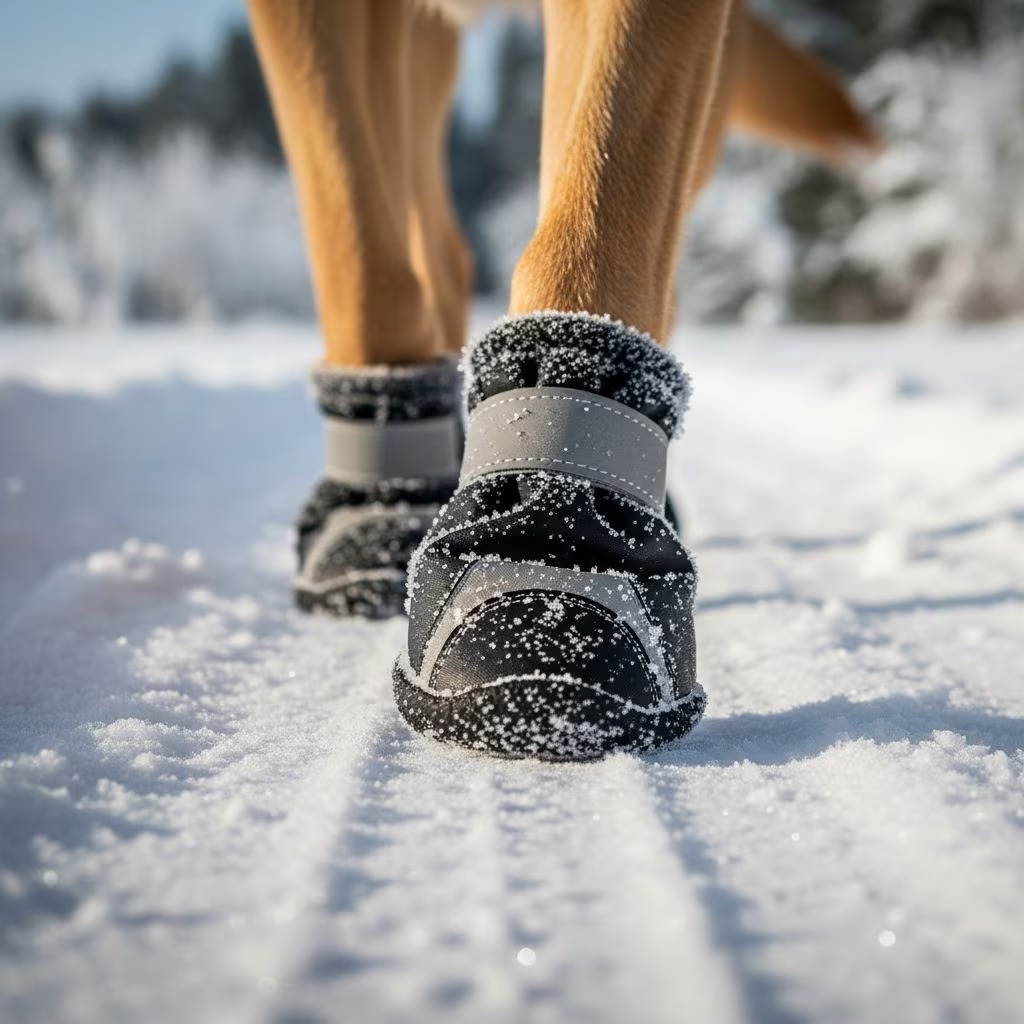
Dog booties are one of the most effective ways to protect paws during winter. They provide a nearly impenetrable barrier against sharp ice, snow, dampness, and chemical de-icers while improving traction on slippery surfaces. When selecting booties, ensure they fit properly to prevent slipping or rubbing. Take time to acclimate your dog to wearing booties gradually, as many dogs need adjustment periods. After 15 minutes of outdoor wear, check and readjust the fit as needed.
Look for booties made from waterproof, insulated materials rather than latex or rubber, which can trap moisture and cause itchy paws. Fleece-lined options provide extra warmth for dogs sensitive to cold. While some dogs initially resist wearing booties, the protection they offer makes the effort worthwhile. Consider having multiple pairs so you can rotate them while one dries.
Apply Protective Paw Balm or Wax
Paw balms and waxes create a protective barrier against moisture, chemicals, and snow accumulation. These products prevent snow from clinging to paw pads in the first place, stopping the freeze-thaw cycle that creates painful ice balls. Quality paw waxes like Musher’s Secret, Bag Balm, and beeswax-based moisturizers contain nontoxic ingredients safe for your dog to lick.
Apply a thin, even layer of paw balm to all paw pads, between the toes, and on the fur around the feet before heading outside. For best results, apply balm to clean paws and do this in a garage or outdoor area to prevent tracking inside. Reapply the balm if your dog spends extended time outdoors. After returning home, wipe off any excess balm along with accumulated chemicals and snow.
If commercial paw balm isn’t available, petroleum jelly offers a budget-friendly alternative that provides similar protection against salt and chemicals. Coconut oil is another natural option that moisturizes and protects paw pads, though it requires monitoring to prevent your dog from licking it off immediately.
Maintain Proper Paw Grooming
Regular grooming is critical for winter paw health. Trimmed nails provide better traction on slippery surfaces and prevent snow and ice from accumulating underneath. For breeds with long fur between their toes, carefully trim this fur to reduce the likelihood of ice ball formation and make paw cleaning easier.
Keep the hair on your dog’s paws well-maintained throughout winter. Excessive fur traps moisture and creates ideal conditions for ice accumulation. Professional groomers can help with this task if you’re uncomfortable doing it yourself. Regular grooming also allows you to inspect paw pads for early signs of damage, cracks, or other concerns.
Clean and Dry Paws After Walks
Cleaning your dog’s paws after every winter walk is one of the easiest and most important protective measures. Dip your dog’s paws into a shallow bowl of warm water—never hot—to remove ice, salt, chemicals, and other accumulated debris. The warm water helps dissolve ice buildup while gently cleaning the paws.
After rinsing, thoroughly towel dry the paws with a soft, clean towel to avoid further damage. Pay special attention to the areas between toes where moisture can linger. Leaving paws damp increases the risk of cracking and irritation. This simple routine removes harmful chemicals before your dog licks or ingests them and prevents salt residue from causing ongoing irritation.
Moisturizing and Healing Damaged Paws
Regular Moisturizing Treatments
Winter’s dry cold air depletes natural moisture from your dog’s paw pads, leading to cracking and discomfort. Counteract this dryness by applying moisturizing treatments regularly. After cleaning and drying your dog’s paws, apply a healing balm or ointment to completely dry paws. A thin layer is typically sufficient for effectiveness.
Coconut oil serves as an excellent natural moisturizer for paw pads. Gently rub coconut oil into the paw pads and allow it to absorb for approximately seven minutes while monitoring your dog to prevent immediate licking. For comprehensive moisturizing, professional groomers can apply specially-formulated products designed specifically for dog paws.
Treating Cracked or Damaged Paws
If your dog develops cracked or damaged paws despite preventive measures, follow a proper healing protocol. Begin by gently washing the affected paws with warm water and a gentle, dog-friendly soap. Once clean, carefully dry the paws using a soft towel, being gentle to avoid causing additional damage.
Apply a moisturizing healing balm or ointment to the completely dry paws. For dogs prone to licking their paws, use a protective cone to keep the balm intact and allow paws to heal. Alternatively, gently wrap the paws or use booties to protect them during the healing process. If paws don’t improve with at-home care or continue cracking despite regular maintenance, consult your veterinarian for professional evaluation and treatment recommendations.
Supporting Overall Winter Health
Maintain Proper Hydration
Your dog’s skin and paw pads require consistent hydration, which becomes more challenging during dry winter months. Ensure your dog has constant access to fresh water at home and bring water on longer walks. Don’t rely on snow to quench your dog’s thirst, as cold water may not sufficiently hydrate your pet. Lukewarm water is preferable since your dog doesn’t need to expend calories warming cold water.
Using a humidifier in your home helps maintain ambient humidity, benefiting both your dog’s skin and paw pads as well as your own skin health.
Adjust Exercise and Activity Levels
On extremely cold or snowy days, consider taking shorter walks to minimize paw exposure to harsh winter conditions. Spending excessive time outdoors in severe weather increases the risk of cracked paws, frostbite, and other cold-related injuries. Activity generates body heat, so keeping your dog moving helps maintain warmth. However, balance this with rest periods in wind-protected areas using insulated sit pads when possible.
Provide Appropriate Winter Clothing
Your dog’s coat and undercoat provide a natural base layer, but additional protection helps in cold climates. Consider adding a sweater or dog jacket for non-arctic breeds, particularly small dogs or those with thin coats. Proper clothing helps your dog maintain body temperature while spending time outdoors.
Increase Caloric Intake
Dogs require additional calories and carbohydrates during winter to maintain body temperature through increased metabolism. Discuss appropriate dietary adjustments with your veterinarian, and introduce any new foods at home first to ensure your dog tolerates them well before incorporating them into regular winter routines.
Creating a Winter Paw Care Routine
| Care Step | Timing | Purpose |
|---|---|---|
| Apply paw balm | Before outdoor walks | Creates protective barrier against snow, ice, and chemicals |
| Clean paws | After returning indoors | Removes salt, chemicals, and ice accumulation |
| Dry paws thoroughly | Immediately after cleaning | Prevents moisture-related cracking and irritation |
| Moisturize paw pads | Daily or as needed | Combats winter dryness and maintains pad health |
| Trim nails | Monthly during winter | Improves traction and prevents snow accumulation |
| Trim inter-toe fur | As needed, typically monthly | Reduces ice ball formation and improves hygiene |
Frequently Asked Questions
Q: How often should I apply paw balm to my dog’s paws?
A: Apply paw balm before each outdoor winter walk. Reapply if your dog spends extended time outdoors, as the protective layer may wear off. After returning home, wipe away excess balm along with accumulated debris.
Q: Can I use human moisturizers on my dog’s paws?
A: It’s best to use products formulated specifically for dogs, as human moisturizers may contain ingredients that aren’t safe for your dog to ingest through licking. Veterinarian-approved options like coconut oil and dog-specific paw balms are safer choices.
Q: What should I do if my dog refuses to wear booties?
A: Gradual acclimation is key. Start by letting your dog wear booties indoors for short periods, rewarding them with treats and praise. Gradually increase wearing time and eventually move to outdoor walks. Many dogs adapt well with patience and positive reinforcement.
Q: How can I tell if my dog’s paws are damaged from winter conditions?
A: Signs of paw damage include excessive licking, limping, visible cracks or bleeding, swelling, redness, or reluctance to walk. If you notice any of these symptoms, clean and dry the paws, apply healing balm, and consult your veterinarian if symptoms persist.
Q: Is it necessary to use both booties and paw balm?
A: While booties provide maximum protection, paw balm alone can be effective for many dogs during mild winter conditions. For severe weather or dogs with sensitive paws, using both methods provides the best protection. Your dog’s individual needs determine the best approach.
Q: How long can my dog safely stay outside in winter?
A: Duration depends on temperature, humidity, wind conditions, and your individual dog’s tolerance. On extremely cold days, limit outdoor time to shorter walks. Monitor your dog for signs of discomfort, shivering, or reluctance to continue walking, and return indoors if these occur.
Q: Should I be concerned about salt on winter sidewalks?
A: Yes, salt and chemical de-icers can irritate paw pads and cause damage. Always clean your dog’s paws after walks on treated surfaces, and consider using pet-friendly de-icers if you treat your own property. Paw balm provides additional protection against these chemicals.
When to Consult Your Veterinarian
While many winter paw issues can be managed with proper home care, certain situations require professional veterinary attention. Contact your veterinarian if your dog’s paws aren’t healing with at-home treatment, continue cracking despite regular care, show signs of infection, or if your dog develops severe lameness or pain. Additionally, schedule regular veterinary checkups during winter so your veterinarian can spot paw-related health concerns you may have missed, including ingrown nails, small wounds, or signs of allergies.
Conclusion
Protecting your dog’s paws during winter requires a multi-faceted approach combining prevention, maintenance, and prompt treatment. By implementing protective measures like booties and paw balm, maintaining regular grooming, cleaning and drying paws after walks, and providing appropriate hydration and nutrition, you can significantly reduce winter-related paw problems. Every dog has individual needs, so adjust your winter paw care routine based on your dog’s breed, size, age, and sensitivity level. With these comprehensive strategies, your dog can enjoy winter activities comfortably while maintaining healthy paws throughout the cold season.
References
- Protect and Heal Your Dog’s Paw Pads in Winter — Union Lake Veterinary Hospital. 2024. https://unionlakeveterinaryhospital.com/blog/protect-and-heal-your-dogs-paw-pads-in-winter
- 9 Tips for Protecting Your Dog’s Paws in the Winter — Bond Vet. 2024. https://bondvet.com/blog/9-tips-for-protecting-your-dogs-paws-in-the-winter
- How To Protect Your Dog’s Paws in the Winter: 5 Tips for Pet Parents — PetMD. 2024. https://www.petmd.com/dog/care/how-to-protect-dog-paws-in-winter
- How to Protect Your Dog’s Paws in Winter — REI Expert Advice. 2024. https://www.rei.com/learn/expert-advice/how-to-protect-your-dogs-paws-in-winter.html
- Winter Paw Care: Grooming Tips for Protecting Your Dog’s Paws — PetEvolution. 2024. https://www.petevolution.com/blog/winter-paw-care-grooming-tips-for-protecting-your-dogs-paws/
- Winter Care Guide: 6 Tips to Keep Your Dog Warm and Healthy — American Humane Connection. 2024. https://ahconnects.org/winter-care-guide/
- Walking Your Dog in a Winter Wonderland? Protect Your Pet’s Paws — ASPCA. 2024. https://www.aspca.org/news/walking-your-dog-winter-wonderland-protect-your-pets-paws-these-tips



