

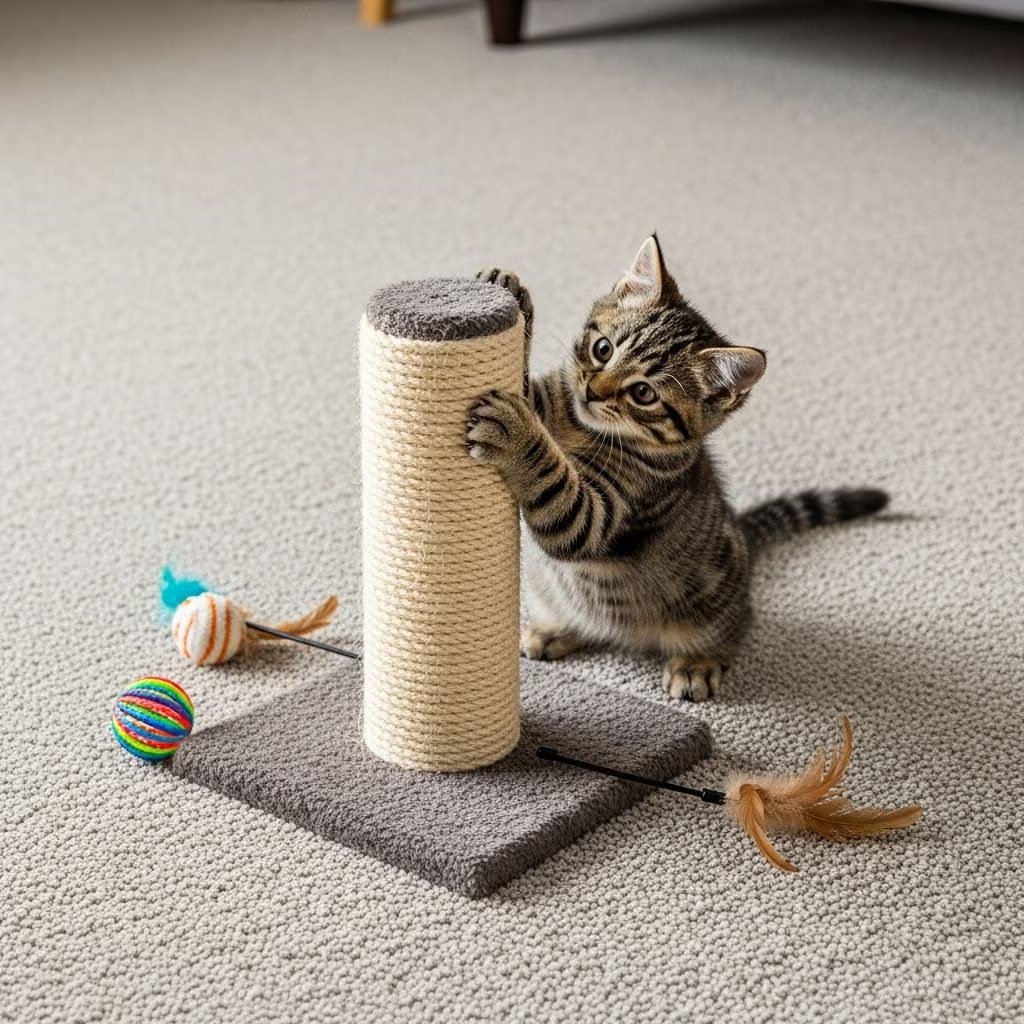
Cat scratching is a natural behavior essential for maintaining claw health, marking territory, and stretching muscles, but it can wreak havoc on household carpets. Protecting your carpet from cats requires a multi-faceted approach that combines physical barriers, behavioral redirection, and claw maintenance. By implementing these strategies, you can preserve your flooring while ensuring your feline’s well-being remains uncompromised. This guide outlines 10 vet-approved techniques drawn from expert recommendations, helping cat owners create a harmonious home environment.
Why Do Cats Scratch Carpets?
Before diving into solutions, understanding the root causes is crucial. Cats scratch carpets to shed old nail layers, communicate with other cats through scent glands in their paws, relieve stress, and exercise. Looped or textured carpets mimic preferred scratching surfaces like sisal or cardboard, making them prime targets. Ignoring this instinct can lead to persistent damage, but addressing it proactively with alternatives prevents escalation. Boredom or insufficient scratching options often exacerbate the issue, so providing enriching alternatives is key.
The 4 Ways to Cover Your Carpet
Covering vulnerable areas is one of the most immediate and effective defenses against cat-induced carpet damage. These methods create physical barriers that deter scratching without harming your pet.
1. Use Carpet Runners
Carpet runners, typically made of clear vinyl or ridged plastic, are ideal for high-traffic zones like hallways or stairs. They grip the underlying carpet securely, preventing slips, and can remain in place indefinitely until your cat adopts better habits. Similar to office chair mats, these runners are durable, transparent to maintain aesthetics, and easy to clean. Place them strategically where scratching is frequent to redirect behavior seamlessly.
2. Stick on Scratch Protectors
Transparent adhesive scratch protectors offer targeted protection for specific spots or even furniture like couches, which cats might target once carpets are off-limits. Available in various sizes, these residue-free films adhere firmly but peel off cleanly. They are versatile for chair legs or high-wear areas, providing a smooth, unappealing surface for claws. Apply them to hotspots for quick, non-permanent coverage.
3. Cover Common Scratch Spots
Identify and block your cat’s favorite scratching zones with rugs, aluminum foil sheets, or furniture relocation. This temporary measure—lasting just a few weeks—allows the cat’s scent to dissipate, breaking the habit cycle. For instance, placing a flat scratcher or mat over the spot combines deterrence with positive redirection. Consistency is vital, as cats associate locations with routines.
4. Remove the Carpet
For severe cases or valuable flooring, consider removing the carpet entirely, especially if it’s not glued down. Transition to hard surfaces like hardwood or tile, which are inherently cat-resistant. While drastic, this eliminates the problem at its source and suits minimalist homes. Pair it with ample scratchers to satisfy instincts elsewhere.
Provide Better Scratching Options
Change Up Your Scratching Posts
Many carpet-scratching cats ignore vertical posts, preferring horizontal surfaces. Experiment with a variety: sisal rope for texture, cardboard flats for shredding, or carpeted horizontals placed near problem areas. Ensure posts are tall (at least 3 feet), stable, and multi-level to appeal broadly. Position them in high-use rooms and rotate options to maintain interest. Sturdy bases prevent toppling, which discourages use.
- Sisal posts: Rough texture mimics natural bark, highly preferred by many cats.
- Cardboard scratchers: Affordable, replaceable, and satisfying for shredders.
- Horizontal mats: Ideal for carpet lovers, placed directly over protected spots.
- Multi-surface combos: Offer variety to suit different preferences.
Introduce new scratchers gradually with catnip or toys to encourage adoption. Multiple posts per cat (one per feline plus one extra) reduce competition.
The 2 Ways to Dull Your Cat’s Claws
Non-invasive claw management reduces damage potential without declawing, which vets strongly oppose due to lifelong pain and behavioral issues.
1. Trim Claws Regularly
Bi-weekly trims with cat-specific clippers remove sharp tips without reaching the quick (blood vessel). This blunts hooks that snag carpet loops, minimizing pulls. Hold sessions during calm times, rewarding with treats. Even trimmed claws may cause minor wear on delicate carpets, so combine with other methods.
2. Use Vinyl Claw Covers
Vinyl nail caps (soft plastic sheaths) glue over claws, blunting them completely for 4-6 weeks. Colored and stylish, they are painless and safe for indoor cats. Apply during nail trims; avoid outdoor cats as they hinder defense. No scratching penetrates protected surfaces, offering full safeguard.
Additional Deterrents and Training Tips
Beyond covers and claws, make carpets unappealing while reinforcing alternatives.
- Deterrent sprays: Citrus or herbal sprays (cat-safe) applied to carpets repel via scent aversion. Reapply as needed; test for colorfastness.
- Pheromone diffusers: Synthetic feline pheromones calm stress-related scratching.
- Positive reinforcement: Praise and treats for using posts build habits.
- Environmental enrichment: Toys, perches, and play reduce boredom-driven destruction.
Best Carpet Types for Cat Owners
If replacement is feasible, opt for resilient fibers. Nylon withstands pulls best but needs stain treatment. Polyester repels water; Berber loops resist snags while being budget-friendly.
| Carpet Type | Pros | Cons | Best For |
|---|---|---|---|
| Nylon | Durable, resilient to claws | Less stain-resistant untreated | Heavy scratchers |
| Polyester | Water-repellant, affordable | May pill over time | Stain-prone homes |
| Berber | Tight loops, easy clean | Avoid low-quality loops | Budget durability |
Frequently Asked Questions (FAQs)
Why do cats scratch carpets specifically?
Carpets provide texture and resistance akin to natural prey skins, plus vertical/horizontal options for full-body stretches. Scent marking reinforces the habit.
Is declawing a solution?
No, vets condemn it for causing chronic pain, arthritis, and litter box avoidance. Humane alternatives always outperform.
How many scratching posts do I need?
One per cat plus one extra, varied in type and location for accessibility.
Do claw caps hurt cats?
No, they are lightweight and applied over trimmed nails without discomfort.
Can I train my cat to stop entirely?
Scratching is instinctual; redirect, don’t suppress, for long-term success.
Last Thoughts
Protecting carpets from cats demands patience and combination tactics: cover hotspots, optimize scratchers, manage claws, and deter effectively. Start with 2-3 methods, monitor progress, and adjust. This preserves your home while honoring your cat’s needs, fostering a scratch-free sanctuary.
References
- How to Protect Your Carpet From Cats: 10 Effective Vet-Approved Methods — Catster. 2023. https://www.catster.com/lifestyle/how-to-protect-carpet-from-cats/
- How to Stop a Cat From Scratching Carpet: 6 Vet-Verified Tips — Catster. 2023. https://www.catster.com/lifestyle/how-to-stop-cat-scratching-carpet/
- What Is the Best Type of Carpet for Cats That Scratch? (Facts, & FAQ) — Catster. 2023. https://www.catster.com/lifestyle/best-carpet-type-for-cats/
- How to Make Your Home More Cat-Friendly: 8 Vet Approved Ways — Catster. 2023. https://www.catster.com/lifestyle/cat-friendly-home/
- 5 Vet-Verified Reasons Why Cats Need a Scratching Post — Catster. 2023. https://www.catster.com/cat-health-care/reasons-why-cats-need-a-scratching-post/



