

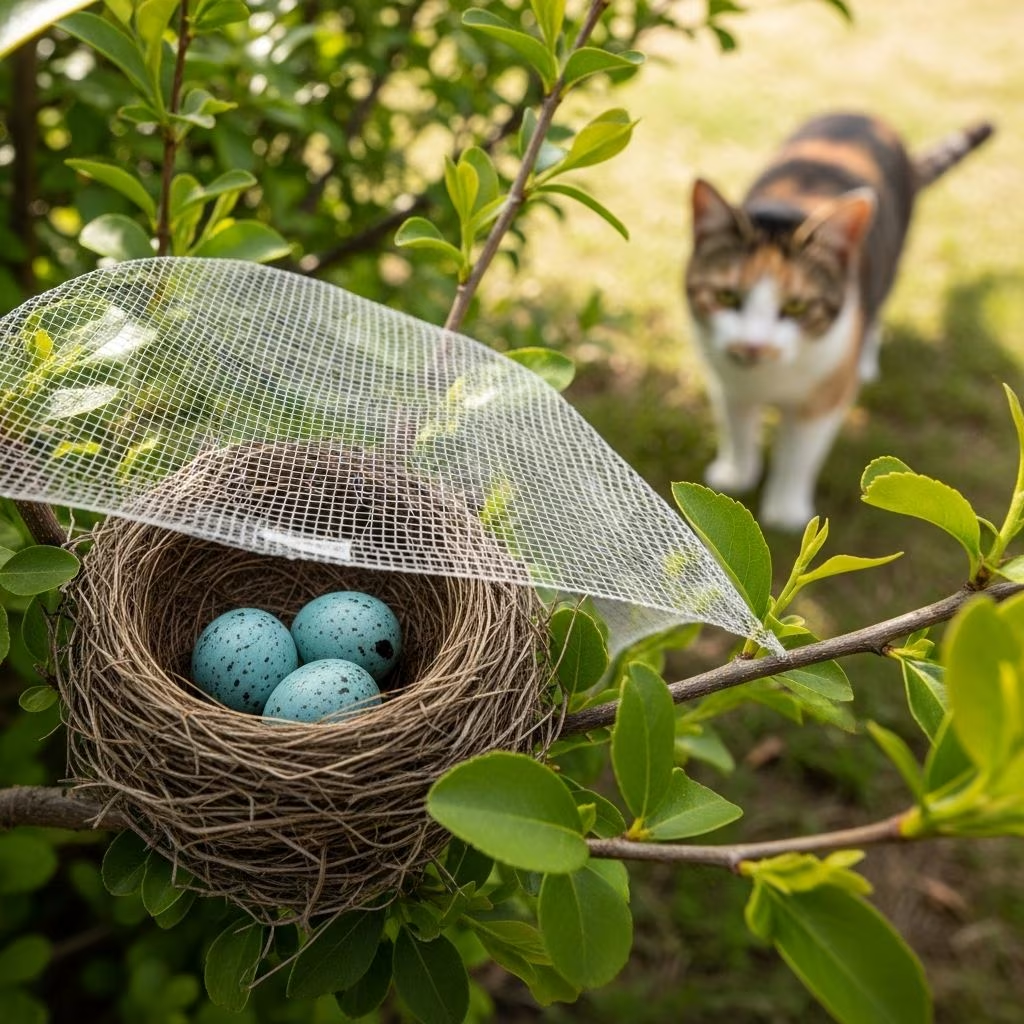
Cats, whether pets, strays, or ferals, pose a significant threat to bird populations by preying on nests and fledglings. Each year, cats kill millions of wild birds due to their natural hunting instincts. While cats aren’t at fault for their predatory behavior, proactive measures can minimize interactions and protect avian habitats effectively.
Birds instinctively avoid nesting in areas frequented by cats, but human interventions like feeders and accessible yards can draw them into risky zones. The following 12 strategies, verified by veterinary insights, focus on containment, deterrence, and habitat modification to create safer environments for nesting birds.
The 12 Tips to Protect Bird Nests From Cats
Cats are innate hunters, making it challenging to train them out of stalking birds. The most reliable approach is preventing access rather than relying on behavioral changes. These tips address both owned cats and neighborhood roamers.
1. Keep Pet Cats Indoors
The simplest and most effective method is transitioning pet cats to indoor living. Indoor cats eliminate direct threats to birds while enjoying longer lifespans and protection from traffic, diseases, and fights. For cats needing outdoor time, build a catio—an enclosed outdoor patio—or use a harness for supervised walks.
- Prevents all cat-bird interactions
- Boosts cat mental stimulation needs indoors via toys and perches
- Ideal for owned cats but ineffective against strays
Organizations like the American Bird Conservancy emphasize keeping cats indoors as the primary safeguard for wildlife.
2. Do Not Inadvertently Reward Bird Captures
Owners sometimes praise cats for bringing home ‘gifts’ like dead birds, reinforcing hunting. Ignore such presents calmly—clean them up without fanfare to avoid positive reinforcement. Consistent non-reaction discourages repeat behavior over time.
3. Provide Indoor Enrichment Like Bird Watching
Channel your cat’s hunting drive indoors with bird feeders visible from windows. Position feeders near glass for safe viewing, using decals spaced no more than 2 inches apart to prevent bird collisions. This satisfies instincts without harm, though some cats may show frustration.
4. Place Collars With Bells on Cats to Warn Birds of Imminent Danger
Bells on collars jingle as cats move, alerting birds to flee. Birds’ instincts respond to the noise, reducing successful pounces. However, effectiveness varies; some studies show limited impact as wildlife may not associate bells with danger.
- Non-invasive and easy to implement
- Best for pet cats only
5. Trim Your Cat’s Claws
Regular claw trims reduce injury risk to birds if contact occurs. Blunt claws make it harder for cats to grasp fleeing prey. Perform trims every 2-4 weeks or use soft claw caps as a humane alternative.
6. Use Motion-Activated Deterrents
Motion-sensor sprinklers or lights startle cats away from nesting areas. A sudden water spray or bright light conditions cats to avoid the yard without harm. These devices cover large areas effectively.
- Humane and automated
- Effective against strays and ferals
7. Avoid Toxic Deterrents Like Mothballs
Mothballs are toxic and ineffective long-term. They harm birds, pets, and the environment. Opt for safe alternatives instead.
8. Feed Birds Naturally with Native Plants
Instead of concentrated feeders that attract predators, plant native species providing seeds, berries, and insects. This disperses birds naturally, reducing hunting hotspots.
9. Cat Proof Your Yard
Landscaping tweaks deter cats: install 6-foot (1.8m) fences with small mesh, roller bars, or overhangs. Keep shrubs and trees 6 feet from fences to block climbing aids. Aesthetic hedges can double as barriers.
- Visually appealing long-term solution
- Costly initial investment and labor
- May not stop agile climbers
10. Keep Bird Feeders Away from Trees and Shrubs
Position feeders 10-12 feet from cover like bushes, allowing birds escape time while spotting cats. Open placements favor bird safety.
- Simple relocation
- Limited by yard layout
11. Install Fencing
High, smooth fences (6+ feet, no gaps) block entry. Vinyl or wood resists climbing better than chain-link. Combine with plant spacing for robustness.
- Strong barrier for strays
- Expensive and may clash with neighborhood aesthetics
12. Choose Safe Birdhouse Designs
Mount birdhouses 10-12 feet (3-4m) high on slick metal poles with baffles to prevent climbs. Steep roofs deter perching; auto-closing doors protect at night. Wire guards over entrances block access.
- Targets nest safety directly
- Birds may reject unfamiliar designs
Additional Strategies for Enhanced Protection
Beyond the core 12, consider PVC pipe over metal posts for nest boxes or baffles around trees. Discourage predators by removing outdoor food sources. During nesting season (spring-summer), vigilance peaks.
| Method | Pros | Cons | Best For |
|---|---|---|---|
| Indoor Cats | 100% effective, healthier cats | Needs enrichment | Pet owners |
| Bell Collars | Easy, low-cost | Variable success | Supervised pets |
| Fencing | Long-term barrier | High cost | Stray issues |
| Motion Devices | Automated deterrence | Electricity/water needs | All cats |
Frequently Asked Questions (FAQs)
Q: Why do cats hunt birds despite being fed?
A: Hunting fulfills natural instincts, not hunger. It’s play and skill-building for cats.
Q: Are bell collars effective against feral cats?
A: No, bells work only on collared pets. Feral cats require yard deterrents.
Q: Can I use ammonia-soaked sticks to repel cats?
A: Anecdotal but risky; ammonia irritates and may harm wildlife. Prefer proven humane methods.
Q: How high should birdhouses be?
A: At least 10-12 feet on predator-proof poles for safety.
Q: What if strays persist?
A: Contact local shelters for TNR (trap-neuter-release) programs.
Final Thoughts
Protecting bird nests demands balancing cat welfare with wildlife conservation. Prioritize indoor living for pets and yard fortifications against roamers. Safe birdhouses and smart feeder placement further safeguard nests. Persistent stray issues warrant community or shelter involvement via humane TNR. These steps foster harmonious backyards where birds thrive and cats stay safe.
References
- How to Protect Bird Nests From Cats: 12 Effective Vet-Verified Ideas — Catster. 2023. https://www.catster.com/lifestyle/how-to-protect-bird-nests-from-cats/
- Keeping Birds Safe from Outdoor Cats — National Wildlife Federation Blog. 2017-09-20. https://blog.nwf.org/2017/09/keeping-birds-safe-from-outdoor-cats/
- Bird Watching for Cats: Environmental Enrichment for Indoor Cats — Catster. N/A. https://www.catster.com/lifestyle/bird-watching-for-cats/
- Keep Cats Indoors — American Bird Conservancy. N/A. https://abcbirds.org/solutions/keep-cats-indoors/
- How can I protect the baby birds in a nest from predators — All About Birds (Cornell Lab). N/A. https://www.allaboutbirds.org/news/how-can-i-protect-the-baby-birds-in-a-nest-from-predatory-birds-and-other-predators-like-snakes-and-cats/



