

Urinary tract infections (UTIs) in cats can cause significant discomfort and lead to serious health complications if not addressed. While true bacterial UTIs are less common in young cats, older cats, males, and those with underlying conditions are at higher risk. Prevention focuses on promoting urinary health through diet, hydration, environment, and veterinary care. This guide provides comprehensive, vet-backed strategies to help keep your cat’s urinary system healthy.
What Are Urinary Tract Infections in Cats?
UTIs occur when bacteria enter the urinary tract and multiply, leading to inflammation and potential blockages. In cats, issues often fall under feline lower urinary tract disease (FLUTD), which includes infections, crystals, stones, and idiopathic cystitis. Male cats are particularly vulnerable due to their narrow urethra, which can become obstructed—a life-threatening emergency. Symptoms include straining to urinate, blood in urine, frequent litter box visits, and vocalizing in pain. Early intervention is crucial, as untreated cases can result in kidney failure or bladder rupture.
Unlike dogs, cats rarely develop UTIs without predisposing factors like diabetes, kidney disease, or immunosuppression. Stress and dehydration also play key roles, making prevention multifaceted.
Why Do Cats Get UTIs?
Several factors contribute to UTIs in cats. Bacterial ascension from the urethra is primary, but diet plays a huge role—dry food diets lead to concentrated urine, promoting crystal formation and bacterial growth. Overweight, indoor, middle-aged cats on dry kibble are most at risk due to inactivity and low moisture intake. Stress triggers cystitis, mimicking infection symptoms, while underlying conditions like hyperthyroidism or chronic kidney disease weaken immunity. Males face higher obstruction risks from urethral narrowing.
- Dehydration: Low water intake concentrates urine, fostering bacteria and crystals.
- Diet: High-mineral dry foods promote struvite or calcium oxalate stones.
- Stress: Environmental changes cause bladder inflammation.
- Age/Gender: Seniors and males are predisposed.
Risk Factors for Cat UTIs
Cats at greatest risk include obese indoor males over 4 years old eating primarily dry food. Lack of exercise exacerbates issues, as does multi-cat household stress or recent diet changes. Medical risks include diabetes (high urine sugar feeds bacteria) and immunosuppression from illness or steroids. Outdoor access might reduce risk via natural activity, but indoor cats need compensatory measures. Regular vet checkups identify early risks.
| Risk Factor | Why It Increases UTI Risk | Prevalence |
|---|---|---|
| Male Gender | Narrow urethra prone to blockage | High in males |
| Obesity/Inactivity | Reduces urine flow, promotes crystals | Common in indoor cats |
| Dry Food Diet | Concentrated urine | Most diagnosed cases |
| Stress | Triggers cystitis | Sensitive cats |
| Age (Senior) | Weakened immunity, comorbidities | Increasing with age |
How to Prevent UTIs in Cats
Prevention revolves around hydration, diet, litter hygiene, stress reduction, and monitoring. These steps can drastically lower recurrence rates.
Increase Water Intake
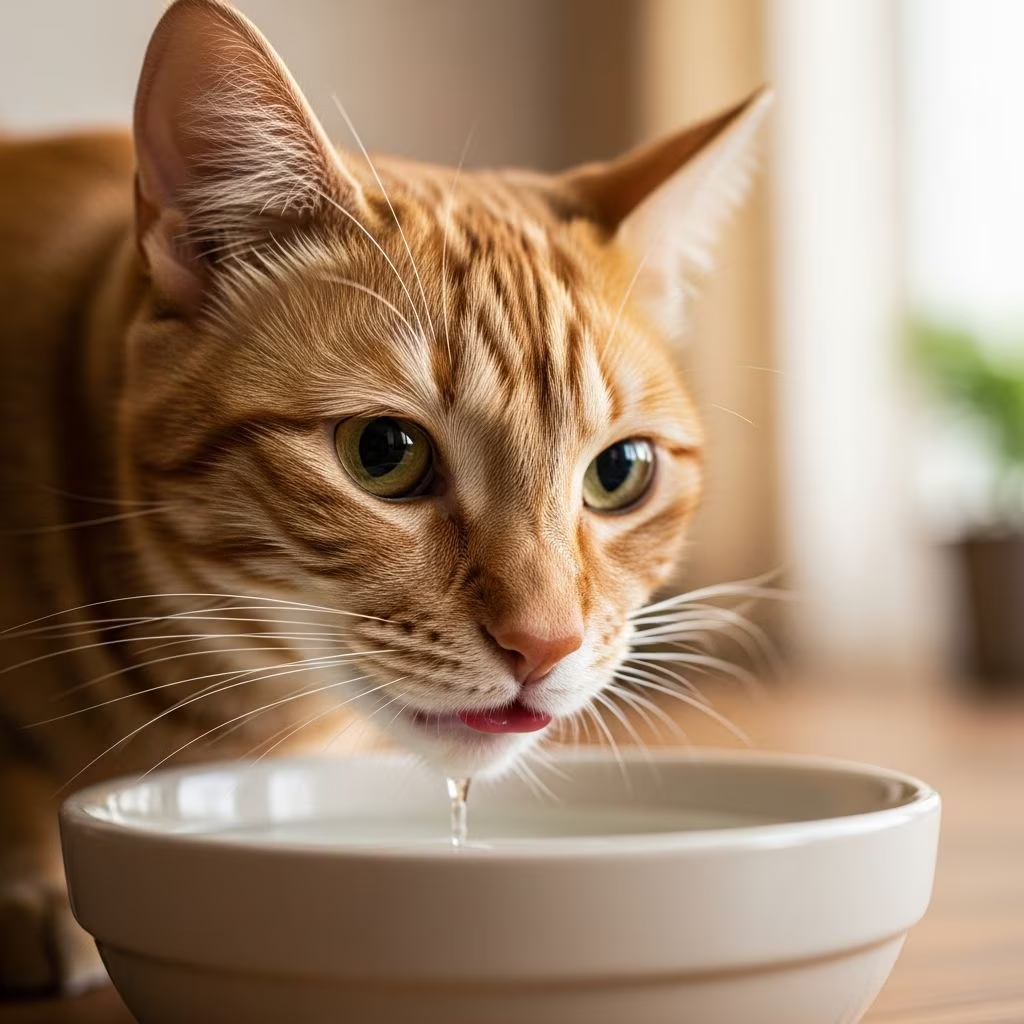
Encouraging hydration dilutes urine, flushing bacteria and crystals. Strategies include:
- Switch to wet or canned food (70-80% moisture vs. 10% in dry).
- Provide running water fountains—cats prefer moving water.
- Multiple fresh water bowls in quiet spots.
- Flavor water with low-sodium bone broth or tuna juice (sparingly).
- Avoid automatic feeders that limit wet food access.
Aim for urine that’s pale yellow; dark urine signals dehydration.
Dietary Changes for Urinary Health
Prescription urinary diets acidify urine, reduce minerals, and prevent struvite/calcium oxalate crystals. High-protein, low-carb wet foods are ideal. Avoid magnesium-rich kibble. Supplements like glucosamine support bladder lining. Transition diets gradually over 7-10 days.
- Urinary Formulas: Brands like Hill’s c/d or Royal Canin Urinary SO.
- Wet Food Priority: Boosts moisture naturally.
- Avoid Triggers: Grain-heavy, mineral-excess foods.
Litter Box Management
A clean, accessible litter box prevents bacterial buildup and reduces stress.
- Scoop daily, full clean weekly with mild soap.
- Rule: One box per cat + one extra, in low-traffic areas.
- Litter preference: Unscented, clumping fine-grained.
- Large, uncovered boxes for easy entry.
Monitor usage—changes signal issues.
Reduce Stress in Cats
Stress induces cystitis. Create a calm environment:
- Feliway diffusers/pheromones.
- Consistent routines, vertical spaces.
- Slow introductions for new pets.
- Enrichment: Toys, scratching posts, playtime.
Weight Management and Exercise
Maintain ideal weight via portion control and play. Obese cats risk slower urine flow. Daily 15-20 min interactive play mimics hunting.
Regular Vet Checkups
Annual exams, urinalysis for seniors. Early detection prevents crises.
Treatment Options if Prevention Fails
Though focus is prevention, know treatments: Antibiotics (e.g., amoxicillin) for 7-14 days. Pain relief, fluids, diet changes. Severe cases need catheterization or surgery. Home support: Wet diet, hydration during recovery. Full course antibiotics essential to avoid resistance. Prognosis good with prompt care—recovery in 5-7 days.
Frequently Asked Questions (FAQs)
Can I treat my cat’s UTI at home?
No—seek vet care immediately, especially males. Home remedies delay treatment and risk fatality. Switch to canned food while awaiting appointment.
How much water should my cat drink daily?
At least 50-100ml/kg body weight. Wet food helps meet needs.
Are cranberries safe for cat UTIs?
Possibly acidifies urine, but evidence limited. Consult vet; not a substitute for antibiotics.
Why wet food over dry for UTI prevention?
Higher moisture dilutes urine, reducing bacteria/crystals.
How often should I clean the litter box?
Daily scooping, weekly full clean to prevent bacteria.
Long-Term Monitoring
Track litter habits, urine color, appetite. Recheck urine culture 2-4 weeks post-treatment. Lifelong urinary diet for recurrent cases.
Implementing these strategies can significantly reduce UTI risks, ensuring your cat’s comfort and longevity. Always consult your vet for personalized advice.
References
- Emergency Cat UTI Treatment | Urgent Signs & Next Steps — GSVS. 2023. https://gsvs.org/blog/cat-uti-emergency-treatment/
- How to Care for a Cat with a Urinary Tract Infection — Atlantic Coast Vet. 2023-08-30. https://www.atlanticcoastvet.com/site/blog-long-island-vet/2023/08/30/how-care-cat-urinary-tract-infection
- Cat UTIs: Common Symptoms and Treatment Options — CareCredit. N/A. https://www.carecredit.com/well-u/pet-care/cat-uti/
- How to Care for a Cat With a Urinary Tract Infection or Disease — Bear Creek Vet. 2023-11-30. https://www.bearcreekvetonline.com/site/blog/2023/11/30/how-care-cat-urinary-tract-infection-disease
- Cat Urinary Tract Problems and Infections — WebMD. N/A. https://www.webmd.com/pets/cats/cat-urinary-tract-problems
- UTIs in Cats (Urinary Tract Infections in Cats) — PetMD. N/A. https://www.petmd.com/cat/conditions/urinary/utis-cats-urinary-tract-infections-cats
- Urinary Tract Infections (UTIs) in Cats — VCA Animal Hospitals. N/A. https://vcahospitals.com/know-your-pet/urinary-tract-infections-utis-in-cats



